Let’s Do a Better Job of Thanking Donors

Nonprofits invest a lot of time and energy in their annual appeal, but thanking donors seems like an afterthought.

You need to spend as much time thanking your donors as you do on your annual appeal letter.

I recently received a thank you letter that was a case study of what not to do. It was sent three months after I made the donation, it was addressed to Dear Friends, and it included vague, impersonal language like “X organization serves individuals who are often the most disinenfranchised members of their communities.”  Arrgh!

Here are some suggestions on how to do a better job of thanking your donors.

Thank your donors right away
Thank your donors within 48 hours.  It’s possible to do this, but you’ll need a commitment from your staff and board.  Here is more information.  3 Secrets to Getting Your Donor Thank You Out in 48 Hours 

One size doesn’t fit all
What type of relationship do you have with your donor?  Is she a new donor, repeat donor, volunteer, etc?  Acknowledge that when you thank her. A Fundraiser’s Guide to Effective Gift Acknowledgment
Make it personal
Let’s all take a vow to keep jargon and impersonal language out of our thank you letters.  Be conversational and friendly.  Let your donor know how much you appreciate him.

Show how your donor is helping you make a difference
Share a success story and show what her gift will fund.

Give your donors a call

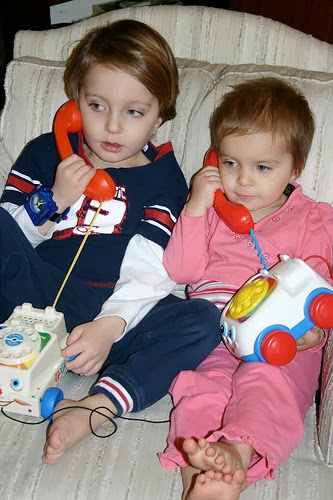
Calling your donors to say thank you is an easy, yet effective way, to show appreciation.

This is a great job for your board. The executive director or other staff and volunteers can make calls, too. Make sure you find people who are comfortable making phone calls and don’t sound as if they are reading from a script. You want callers who are willing to engage in a conversation with donors.

Come up with script and a spreadsheet to record notes. You may want to conduct a little mini-orientation to get your callers pumped up and give them an opportunity to practice. Here is a sample script.


Hi, this is Susan Jones and I’m a board member at the Westside Community Food Pantry. I’m calling to thank you for your generous donation of $50. Thanks to you, we can provide a family with a week’s worth of groceries. This is great. We are seeing more people use our food pantry right now because of cuts to food stamp programs. We really appreciate your support.

It’s fine to leave a message, but be sure to provide a call back number in case the donor wants to talk with someone.

Not only is calling your donors an effective way to say thank you, it can help you keep your donors and raise more money in the future.

Send a handwritten note

A few handwritten sentences on a nice card is going to make much more of an impact than a printed thank you letter. Think about creating a thank you card or postcard with an engaging photo on the front. 

Since you will only be able to write a few sentences – make them count. Use a warm, conversational tone. Try something like this.


Dear Lisa,

You’re amazing! Your generous contribution of $50 will help us meet our goal of expanding our tutoring program to serve more students.

Your support makes a difference. 85% of the students in our program are now reading at their grade level or above. 

This shouldn’t take you that much time and it is time well spent. You can put together a team of staff, board members, and other volunteers to write the notes. You could also have clients write notes. Make sure to find people with legible handwriting.

Sending a handwritten note shows your donor how much you appreciate them.


Just because your thank you letters are generated by a computer doesn’t mean they need to sound like one
If you can’t make calls or send a handwritten note to all your donors, send a heartfelt, personal printed letter, and include a short handwritten message.  Give it the human touch. 

Let your donors know you are saying thank you because you want to, not because you have to.  

Also, even though your online donors will receive an automatic thank you email, they should still get something in the mail or a phone call.

You can use the samples above for printed letters, as well.

When thanking your donors, remember to thank them right away, make it warm and personal, and show them how they are helping you make a difference.

More inspiration to help you thank your donors.


Photo by Clever Cupcakes via Flickr

Annual Appeal Letter 101


You want to create an annual appeal letter that captures your donors’ attention right away and convinces them to donate. Sounds simple, but it’s not. Here are some ways to ensure a successful letter.

First impressions count
First, you need to get your donor to open your letter. Give some thought to the outside envelope. You could include a teaser. 

You want to be both personal and professional. If hand addressing the envelopes is not feasible, make sure your mailing labels look clean, are typo-free, and aren’t crooked. Use stamps if you can.

Create an inviting piece of mail.

Start with a story
Start your letter with a compelling story. Focus on a person or family and not on your organization. 


Rosie’s Place, a nonprofit that helps poor and homeless women in Boston, recently sent an appeal letter in which a client told her story in the first person. That’s another option.

Your donors want to hear about the people they are helping.

Use a photo
Include an engaging color photo in your letter or on your pledge form. Photos can tell a story in an instant.

Here is more information on creating stories and photos.

You gotta ask
Ask for a donation at the beginning of the next paragraph (after the story).

Ask for a little more
Also, ask donors if they can give a little more this year.

Phrase your ask like this – We are so grateful for your previous gift of $50.  Could you help us out a little more this time with a gift of $75?

If you have been doing a good job of engaging your donors throughout the year, they shouldn’t mind if you ask for a larger gift.

BTW, including the amount of the donor’s previous gift is helpful since people often don’t remember what they gave before.  Be sure the information is correct so you avoid a mistake like this. Let’s Help A Nonprofit Radio Listener

It’s all about the donor
It’s not about your organization. Show how are you are making a difference and how much you appreciate your donor’s role in that.
Make your donor feel good about supporting your nonprofit.

What’s going on?
Highlight a few accomplishments from the year and show how you plan to continue your good work with your donor’s help.

Make it personal
Send separate letters to people who have donated before and thank them for supporting you. You can also tailor letters to other groups such as people on your mailing list who haven’t donated yet, event attendees, volunteers, and friends of board members. Remember, 


Your letter should have a personal salutation and not be addressed to Dear Friend.

Make it easy to give 
Include a return envelope with amounts to check off or an envelope and a pledge form. Show what each amount will fund. Here’s an example. About Countdown to Summer


In addition, include a link to a user-friendly donation page on your website. Even if donors receive a letter, they will often donate online.

Offer a monthly giving option
Monthly gifts can generate more revenue
. Encourage your donors to give $10 or $20 a month. If they do, you are getting gifts over $100 each!

Make it easy to read
Use short paragraphs and bulleted lists. Use bold or color for key words, but keep it tasteful. Make it easy to read and scan. Use a simple font and keep in mind that 14 point is the new 12.

It’s fine to go over a page, especially if you are breaking up the text with a photo and short paragraphs. But don’t write a novel. You can also add a quote or short testimonial. These can be powerful and it helps break up the narrative.

Be conversational
Use a conversational tone and keep out terms like disenfranchised individuals and underserved communities. Use everyday language.


Refer to your reader as you and write as if you are talking to a friend. Keep it personal.

Too many editors spoil the appeal
Your entire staff shouldn’t need to be involved in creating the letter. Your best writer should craft it and then turn it over to your best editor. Whoever signs the letter (your Executive Director?) can take a quick look at it, but don’t go overboard. 

Not only does involving more people take extra time, it usually weakens the content. Keep it fresh.


All’s well that ends well
Repeat your ask at the end of the letter. Don’t forget to say please and thank you.

Add a PS
People often gravitate to the PS as they scan the letter. Here you could emphasize monthly giving or ask if their company provides matching gifts.


Get your pens out
Include a short handwritten note. Make it relevant to each donor, such as thanking her for a previous donation or letting him know it was nice to see him at a recent event.

Hand sign the letters in blue ink.

Are you ready?
Send out an annual appeal letter that will capture your donors’ attention and bring you the donations you need. Good luck!

Need some more inspiration? Read on.

Photo by Lenore Edman via Flickr

Make Your New Donors Feel Welcome

Did you know that approximately 75% of first time donors don’t make a second gift?  Yikes! 

Donor retention rates have plunged over the last couple of years, but let’s make 2013 the year we turn those numbers around.

Step 1 – Do something special for your current first time donors before you send out your annual appeal.  

You could send them a short thank you email, postcard, or note card in which you shower them with appreciation and give a specific example of how their support is helping you make difference.

Of course, you should continue to stay connected to all your supporters by showing gratitude and sharing accomplishments.

Step 2 – In my last post, I wrote about personalizing your annual appeal letters for different types of donors.  Thank your first time donors for their previous gift, let them know how much you appreciate them, and show them how they are part of your success.

Step 3 – A huge factor in donor retention is a good donor relations plan that you will carry out regularly as long as your donors support you, which hopefully will be for a long time.

Here is what you can do for your new donors.

Create a welcome plan
Welcome your new donors. Say thank you and show them other ways they can connect with you. Invite them to subscribe to your newsletter and join you on social media.

Some organizations mail out welcome packages. This can include a warm introductory letter and a brochure or fact sheet, as well as guiding new donors to your website for more information about your organization.

Be careful about how much information you send out.  Donors want to feel welcome not overwhelmed.

I don’t recommend sending unsolicited swag such as Address Labels, Blankets, Calendars Instead, you could offer your new donors a gift and they can let you know if they want to receive it, but it’s not necessary. 

What donors really want from you is to know how they are helping you make a difference.

Phone calls matter
According to fundraising expert Roger Craver, thank you calls increase retention rates for first time donors by 25%. You should make thank you calls to all your donors, but if that’s impossible, one of your priorities should be calling your new donors.

Get a group of board members and other enthusiastic volunteers to do this.  Leaving a message is fine, but if you do get someone on the line, ask her what drew her to your organization.

Remember to thank your donors within 48 hours.

Who are your new donors?
They could be event attendees, volunteers, or newsletter subscribers.  If you know, make a reference to that in your thank you letter. If not, send a short survey and ask “How did you hear about us?”  Surveys are also a good way to connect throughout the year.

Keep spreading the love
Keep reaching out your donors – at least once or twice a month.  Show appreciation and update them on your success. 

Also, think of ways to do something else special for your new donors. You could offer tours of your facility or hold an open house.

Let’s hope next year at this time the donor retention rates won’t be so dismal.

One Size Doesn’t Fit All

A mistake some nonprofits make is to send everyone on their mailing list the same annual appeal letter. You have different relationships with these individuals, so you need to personalize your letters as much as possible. Don’t worry, you can use some of the same content in all your letters. 

Know your audience. Spend a little time going through your records to get information on your donors and segment them into different groups.  A good database will help with that. 

Here are some ideas for segmenting your lists and ways to personalize letters for different donor groups.

Current Donors
You will have the most luck with your current donors.  Ideally, your donors will donate again and give a higher amount. This may not happen if you haven’t been engaging with them throughout the year.

Let these donors know how much you appreciated their previous gift and include the amount of that gift.  Donors don’t always remember what they gave last time and you want to help them out so they don’t have to spend time searching their records. 

First Time Donors
The biggest attrition comes between the first and second gift.  Show these donors a little extra love right now.  You don’t want them to slip away.  You could send them a special thank you email or postcard showing them how they helped you achieve X.

Lapsed Donors
Don’t write off these donors yet, especially if they have donated within the last few years.  Let them know you miss them and want them back.

At some point, you’ll want to go through your list of lapsed donors to see which ones you should keep following up with.

Event Attendees
If someone has attended one of your fundraising or cultivation events, mention how great it was to see her at that event.

Something else to keep in mind – After you hold an event, be sure to send thank you notes to all attendees.

Volunteers
Volunteers are another potential donor group.  After all, they should be passionate about your work.  You’ll have better luck if they feel appreciated.

Some volunteers may not have the means to give or feel their time is their gift, but they might be able to get their friends or parents to donate.

Other Supporters
If you are sending an appeal to someone who has never donated to you before, don’t thank him for a past gift. 

You may be sending appeals to newsletter subscribers or social media followers who are not donors.  Here you can thank them for their interest or find some other way to connect.

You may have also traded or bought mailing lists, which will not bring you as much success as you will have with current donors and supporters. Try to find a connection between their interests and your organization.

Handwritten notes
You’ll want to include a short handwritten note on all of your appeal letters.  Use some of the same personal information you have gathered.  If it’s impossible for your organization to create different letters, then tailor these handwritten notes to each donor.

Be personal
Again, don’t send out a generic annual appeal letter.  One size doesn’t fit all.

Here are a couple of more ideas to help you make your donor communications more personal and other ways you can segment your lists.

Are You Ready For Your Annual Appeal?

Wow, it’s already September.  This summer seemed to zip by. As the humidity gives way to that wonderful crisp air, life gets a whole lot busier once Labor Day passes.

This is also true for nonprofit organizations, especially if you are doing an annual appeal later in the fall.  Many nonprofits rely on their annual appeal for a good portion of their revenue.  Even if you are not sending it out for a couple of months, there’s a lot to do to prepare.

I’ve compiled this checklist of items to help you get ready for your annual appeal.

How much money do you need to raise?
You may have already set a goal in your 2013 fundraising plan (at least I hope you did) and perhaps you need to revise that goal.  If you haven’t set a goal, determine how much money you need to raise before you start your campaign. 

Make a plan
Start putting together a plan for your annual appeal that includes a timeline, task list, and the different channels you will use.  Make it as detailed as possible. A Fundraiser’s Guide to the Fall 

Update your mailing lists
Make sure your postal and email mailing lists are up-to-date.  Check for duplicate addresses and typos.  Your donors do not want to receive three letters or have their names misspelled.  Also, segment your lists by donor group. Clean Up and Organize Your Mailing Lists 

Stories and photos 
Find a good story for your annual appeal. You’ll want some engaging photos for your letter and donation page, too.  Quotes can also enhance your appeal. Put Together a Collection of Stories and Photos 

Accomplishments and plans for the future

Your appeal letter should highlight some of the year’s accomplishments and state what you plan to do next year. For example, let’s say you run an afterschool program for high school students. Share your success of reaching your goal of serving X number of students. Next year you would like to expand and serve middle school students, as well.

Focus on the people you serve and show how you are making a difference thanks to your donors’ contributions.

Letterhead and envelopes
Don’t wait until the end of October to check your supply of letterhead and envelopes.  Make sure you have enough.  Perhaps you want to create a special outer envelope. 

Even though many people donate online, you want to make it easy for donors who prefer to mail a check.  Include a return envelope and a preprinted form with the donor’s contact information and the amount of last year’s gift.

Donation page/website
Speaking of online giving, be sure your donation page is user-friendly and consistent with your other fundraising materials.  Highlight your annual appeal on your home page and include a prominent Donate Now button. While you are at it, check your website for out of date information and broken links. Create A Welcoming Donation Page

Giving levels
Create a set of giving levels, if you haven’t already done so. This example from the Fresh Air Fund shows donors how their support helps send New York City kids to camp – $21 pays for a bus ticket, $100 covers swimming lessons, and all the way up to $962, which funds one week at camp. About Countdown to Summer 

Monthly giving
Monthly giving is great way to get larger contributions.  Some people might balk at donating $100 or more, but if you present it as $10 a month ($120 a year!), it sounds more feasible.

Thank yous
You aren’t done with your annual appeal once you mail out your letters. You need to thank your donors as soon as you receive their gifts. Unfortunately, thanking donors seems to be an afterthought for some organizations. 

Now is a good time to create or buy some thank you cards, as well as finding board members to make thank you calls.

Keep your donors happy
I realize you’re busy getting ready for your annual appeal, but this is not the time to skimp on your newsletters and social media updates.  Keep engaging your donors and other supporters (who may become donors) by sharing success stories.  Go the extra mile and send messages of gratitude or hold an informal open house. 

I’ll be writing more about annual appeals throughout the fall.  In the meantime, what are you doing to prepare for your annual appeal?

Communication and Planning are Keys to Good Working Relationships

This post was featured in the August 2013 Blog Carnival. Playing Well With Others

Good working relationships are crucial for nonprofit organizations, but this doesn’t always happen. Sometimes departments work in isolation and get territorial about their responsibilities,which is popularly known as siloing.

This can happen with the development and marketing departments, even though there is a huge amount of overlap between the two.  I like this quote from donor communications expert Tom Ahern – “The heads of development and marketing have to accept that they are oxen pulling the same wagon, a wagon labeled ‘increasing community support’.”

Marketing and development also need a good relationship with the program department. It’s important to remember that you are all working for the same mission. If you distance yourself from each other, you are not doing what’s best for your organization.

Here are a couple of problem scenarios that might arise and what you can do about them. Good communication and planning will help.


Development Coordinator or Volunteer Coordinator – “Why do I have to go through the marketing department if I want to send an email or post something on Facebook?”
Because you need a communication gatekeeper. This is not about control; it’s about consistency.

Generally that gatekeeper is someone in the marketing department.  Your organization can’t send out three messages in one day and not communicate again for three weeks.  Departments should get together and create a communication calendar, which can include fundraising appeals, events, newsletter submissions, and volunteer recruitment announcements.

This doesn’t mean someone in development can’t send out fundraising messages or your volunteer coordinator can’t send out a recruitment announcement, but you need coordination so that you are sending out the right amount of messages. These staff members also need to know how use the platforms (especially the email template) so everything you send out has a consistent look.

I think it works better to have one primary communication person.  Other people should be trained to use your email service provider and social media platforms so there is a consistent stream of communication even when the primary communication person is on vacation. You don’t want to be paralyzed when this person is not around.

Program Manager – I’m tired of development and marketing asking me for success stories.  I’m busy working with clients and don’t have time, especially when they ask me at the at the last minute.
Well, you do need to be respectful of the program staff’s time.  Don’t approach someone the day before your newsletter needs to go out and ask for a success story ASAP.

On the other hand, stories and photos show your donors how your organization is making a difference, and you need them in your fundraising and marketing materials. I always recommend nonprofits have an ongoing collection of stories, profiles, and photos to use, so you aren’t scrambling at the last minute.

You need to come up with a system where the departments can work together without feeling overburdened. This could mean sharing success stories at staff meetings, regular meetings between the departments to discuss stories and accomplishments, or program providing written monthly updates of client numbers and accomplishments.

You are all working for the same mission

Don’t forget to keep this in mind. Besides communication and planning, an understanding of what each department does and how that fits into your mission is also crucial. Good leadership will help with that.

How are the relationships at your organization?

Show Appreciation by Holding an Open House

Nonprofit organizations need to find ways to thank donors all year round. One special way to show appreciation is to hold an open house at your organization. If you can’t hold it on site, have it at a restaurant or other venue.  You may be able to find someone to donate space.
Not for donors only
You could just have an event for donors, but why not invite your email subscribers and your social media followers? This could be a great way to convert these supporters into donors. Also, encourage donors to bring a friend. 
Coordinate it with your annual appeal
Depending on your resources, you may only be able to hold one open house a year.  If you can hold more, that’s great.  A good time to have one is before you launch your annual appeal.  Most organizations do a fall appeal, so think about holding one in October or early November.
Another option is the spring, if you have an appeal then, or you could make it a thank you event.  Winter is tricky, unless you are fortunate to live in a part of the country where it doesn’t snow.  Summer is also problematic since it’s vacation time.
Whenever you decide to hold your open house, don’t ask for money at this event. 
Make it informal
Hold a gathering where your supporters can drop in after work.  Serve refreshments. You may be able to get food and beverages donated or find a sponsor. 
Have a brief program.  You could show a video and/or let a client share his or her story.  Your executive director or board chair should thank the attendees and share some accomplishments and plans for the future.  Again, keep it brief; don’t bore people.
Create some photo displays and have literature available. You could also show a video on a laptop. Offer tours, if that makes sense.
Let your donors and other supporters see the heart and soul of your organization.
Get your board involved
You want a good turnout from your board. Encourage board members to invite friends and other potential prospects.
Brush up on those talking points
Make sure staff and board mingle with your supporters and make them feel welcome.  You may need to go over your organization’s talking points and elevator pitches with everyone, so they can be prepared to talk about what you do and answer questions. The 4 Cornerstones of Your Nonprofit Message Platform 
Don’t let them get away
Anyone who has taken time out of his/her busy schedule to attend your open house deserves a ton of attention.
Collect names and addresses of people who attended and send a thank you note right away. Don’t ask for money (that comes later).
When you do send your annual appeal, make a reference in the letter or handwritten note that it was great to see them at your open house.

Not all your donors will attend, but they will appreciate the invitation.  Donors and other supporters who do come are showing you they are interested in your organization.  Keep cultivating them.  This will help ensure they will continue to support you. 

Summer Project Time – Give Your Website A Check Up

Over the past several weeks, I’ve been suggesting projects you can do over the summer when you may not be that busy.  Another important project is to give your website a check up.

Even in the age of social media, websites are still one of the first places people go to get information. Unfortunately,many nonprofits have websites that are boring, out of date, and hard to navigate instead of one that’s engaging,welcoming,and audience-centered.


How does your website fare?  Use the checklist below to find out. 
Home page

Your home page is often the first place a newcomer will visit. Make it an entryway to the rest of your website.  

  • Is it free of clutter and easy to navigate and read? 
  • Does it include an engaging photo and a small amount of text, such as a tagline or position statement?
  • If you are highlighting something such as an event, is the information up-to-date, and is it the most newsworthy item you can feature?
  • Does it include a Donate Now button that’s prominent without being tacky?
  • Does it include a newsletter sign up box and social media icons?
  • Is the navigation bar easy to use?
  • Does it include a search feature?

Donation page
More people are donating online and this trend will continue. If you are planning a year-end fundraising appeal, now is a good time to make sure your donation page is up to speed.

  • Is it easy to use?
  • Does it include a strong call to action with the same messages as all your other fundraising appeals? 
  • Does it show how the donation will be used and what different amounts will fund?
  • Does it include an option for recurring gifts?
  • Does it have a compelling photo? 
  • After someone donates, does it take the person to a thank you landing page and generate a thank you email

The rest of your pages
Now take some time to look at the rest of your web pages.

  • Are they easy to read/scan and navigate? 
  • Do all of your pages have a consistent look?
  • Is the content well written in a conversational style (no jargon) and free of grammatical errors and typos?
  • Are your pages audience-centered? Remember that some visitors know you well and others don’t. A person visiting your volunteer page may not know much about your organization, so you will need to include a compelling description of what you do.
  • Do your pages contain a clear call to action? For example, your volunteer page should make someone want to volunteer?
  • Does each page have one or two photos related to its subject matter? Going back to your volunteer page, you could include a photo of volunteers interacting with clients.
  • Is all the content up-to-date?
  • Do all your links work?
  • Do all your pages include a Donate Now button, navigation bar, social media icons, a newsletter sign up box, and a search feature, so your visitors don’t have to go back to the home page?
  • Are you using analytics to see how often people visit your pages? If you have pages that aren’t generating a lot of interest, assess why that is happening. You may need to make the page more enticing or take it down.
  • Do you periodically survey your supporters to get feedback about your website?
  • Is your website mobile and tablet friendly? Use responsive design to make it easy to read on any device. Is Your Website Optimized for Mobile Devices?
  • Is there other content you should include (or take out)?

Read on for more information on How You Can Create A Welcoming Website 
You may also find this infographic helpful. Is it time to rethink your website? 

After you have made any necessary changes, have someone who isn’t as familiar with your organization (maybe a friend or family member) look at your website to see if the content is clear and that it is easy to navigate. 

Again, your goal is a website that is welcoming and audience-centered for everyone from first-time visitors to long-time supporters.

Photo by Brendan Riley via Flickr

Summer Project Time – Put Together a Collection of Stories and Photos

Another project you can do this summer is to gather stories and photos.  You’ll need them for your annual appeal, and can also use them in an annual report, on your website, and in your newsletters.

You want to have a collection of engaging stories and photos to use throughout the year. 

Show don’t tell
Many nonprofits try to explain their “programs and services” by using abstract and impersonal language. Tell a story instead. A story can show how your organization is making a difference in a concrete and personal way. Stories are a great way to introduce your organization to potential donors and show current donors the impact of their support.

Don’t just say you have opened a clinic in an underserved community.  Share Mary’s story.  Mary, a 68-year-old woman with diabetes, used to have to take two busses to see the doctor. Now she can visit the new clinic that’s a five minute walk from her house.  Include some quotes from Mary, or better yet have her tell a story in the first person.

Imagine you are a donor.  Wouldn’t you rather read a story than a bunch of facts and statistics?

Read on for more information to help you tell your stories.


Tell a visual story
You’ve probably heard the expression a picture is worth a 1000 words.  Yes, it’s a cliché, but it’s relevant in this day of information overload.  Your donors don’t have a lot of time to read your messages, but you can capture their attention in an instant with a great photo. Engage Prospects With Visual Content 

Use photos that show your work in action – photos that tell a story. I love this photo from the Fresh Air Fund.  It really caught my attention the first time I saw it. FreshAirFundPrintPSA-Fundraising-BigSplashes.
Here is more information to help you create and use photos.

Work with your program staff
If you are making a difference, then you have good stories to tell.  Most likely you’ll need to work with your program staff to gather stories and photos.  They will either provide you with stories or give you access to clients that you can interview or photograph.  They’ll also help you get any permissions, if you want to talk with or photograph children.

If any of your clients are reluctant to share their stories, remember you can change their names to protect their privacy.

You do need to respect the program staff’s time and not approach them at the last minute because you need a story for your annual appeal.

Successful nonprofit organizations have good staff relationships where everyone works together for the people you serve.  Don’t get territorial and create silos. 

Here is more information on how you can all work together to share your stories.  Let’s Work Together – The Importance of a Good Relationship with the Program Department
Being organized pays off
I recommend gathering stories and photos at least once or twice year.  It’s okay to use the same photos and stories in different materials.  Often a familiar photograph can help with your brand identity.

By having this collection of stories and photos, you can easily find one for your annual appeal, thank you letters, or newsletters.

Photo by UNE Photos via Flickr

Summer Project Time – Clean Up and Organize Your Mailing Lists

It’s summer!  You might not be thinking about your fall annual appeal when it’s 90+ degrees, but you should be.  Fall will be here before you know it.

Over the next several weeks, I’m going to give you some ideas of ways to get ready for your annual appeal and other projects you can do over the summer when it may not be as busy.

A good project to start with is to clean up and organize your mailing lists (regular mail and email).

Add, edit, and delete
Do you have a bunch of address change requests or bounced email addresses?  Now is a good time to take care of those.

Also, check for misspelled or incorrect names and addresses.  I’m often addressed as Anne rather than Ann.  You won’t make a good first impression if you get your donor’s name wrong or there is a typo in the address.

Handle with care
Data entry is boring, but is something you need to take seriously, and make sure it’s done with care to avoid any misspellings,etc.  Often the person who does your data entry (volunteers?) may not know your donors as well.  If that’s the case, have your development director, executive director, or any board members who interact with donors look over your lists.  Tedious, yes, but important.

If a donor ever lets you know his or her name is incorrect, apologize and fix it right away.

Get personal
Add any personal bits of information about your donors to your database.  This could include attending an event or meeting with a board member.  You’ll need this when you personalize your letters (see below) and add a short handwritten note on each one.

Segment your lists
Divide your lists by current donors, monthly donors, lapsed donors, other supporters (e.g. people who subscribe to your email list but aren’t donors), event attendees, volunteers, etc.  

You want to personalize your letters according to donor group.  You are going to have the most success with current donors, provided that you have been showing gratitude and sharing accomplishments throughout the year.

Donor retention rates have been pretty dismal lately, and the biggest attrition comes between the first and second donation.  You may also want to create a list of first time donors.  I’m going to write a separate post about doing something special for your first time donors, such as sending a thank you postcard or email to help ensure they will donate again.

Here is some more information on segmenting your lists. Are you ready to segment?
You’ll also want to invest in a good database and email service provider to make this easier for you. Remember, Excel Is Not A Donor Database 

Go multi-channel
You’ll have more success in your annual appeal campaign if you can communicate with your donors through more than one channel.

When going through your lists, you may discover you have mailing addresses for some donors, but no email addresses or vice versa.  Here you need write or email your donors to get that information.  They may not give it to you, but it doesn’t hurt to ask.

You can also email your donors to invite them to follow you on social media and post something on social media inviting folks to sign up for your email list.

Personalization makes a difference
Yes, all of this will take time, which is why you should start thinking about it now and not at the end of October.

You want to get your donors’ names right and make sure there aren’t any typos in their addresses.  Also, the more you are able to personalize their annual appeal letters, the more successful you will be.

Photo by U.S. Embassy Tel Aviv via Flickr