The Communication Journey

Marketing expert Seth Godin recently blogged Communication is a path, not an event 

In short, it’s not a one-time thing.  While he focuses more on sales, this also applies to all your nonprofit fundraising and marketing.  You don’t just send a fundraising letter or even a thank you letter and not communicate again for awhile.  It’s an ongoing process. 

Here are few ways to ensure a successful communication journey.

Lots of drops will help your garden grow
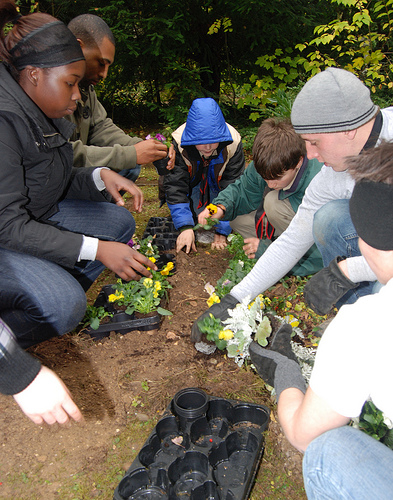
Godin ends his post by saying “Drip, drip, drip.”  Drip marketing is a strategy where you send a series of messages to prospects.  An example would be sending welcoming messages to prospective donors before making an ask.  The term’s origin is thought to have come from a gardening technique in which small amounts of water are fed to plants over a long period of time. 

This is a helpful analogy to consider when you communicate with your donors and other supporters.  Read on for more information about drip campaigns. How to Create an Email Drip Campaign for Your Nonprofit 

Consistency is key
Be consistent in your fundraising and marketing.  This means your messages and look must be consistent, as well as how often you send out your messages.  If you send out a monthly newsletter, make sure it goes out around the same time each month.  Don’t skip a month. 

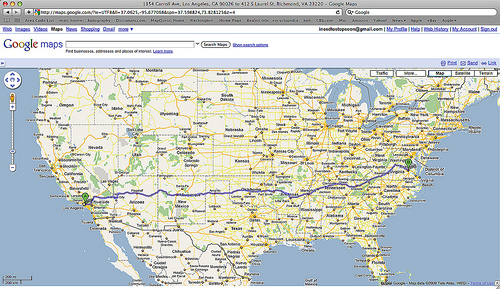
Don’t start your journey without a map
Creating a strategy and putting together an editorial calendar can serve as a road map for your communication journey.  Here’s more information, as well as an editorial calendar link. 
The LightBox Collaborative 2013 Editorial Calendar
Communication is a two way street
Listen to your audience.  Ask questions on social media, respond to comments, and send out surveys or polls.

Take your supporters’ feedback into account and give them information they want.

Communication takes different paths
Most of us communicate through more than one channel – email, social media, direct mail, phone. Different modes work for different audiences, but often you use a combination of channels.

This is very helpful during fundraising campaigns. A multi-channel approach gives you more than one opportunity to reach your audience, in case they miss your first message.

Be known but don’t be annoying
Communicate often enough so your supporters will remember you, but not too much so that you are bothering them.  Most organizations don’t communicate enough.  Remember to be consistent.  Don’t send three email messages in one day and not communicate again for three weeks.

As a general rule, send email once a week and post on social media once a day.

In your quest not to annoy your supporters, share content where you show gratitude and demonstrate how you are making a difference for the people you serve.  Keep your supporters engaged.

One of the benefits of communicating weekly is that your messages can be short.  Shorter more frequent communication usually works better for getting your message across.

Don’t get derailed
It may seem daunting to keep up this ongoing communication journey, but good relationships, like gardens, need lots of attention.  It’s not as difficult as you might think.  Having an editorial calendar and strategy will help.  And your messages don’t need to be long.  Also, it can be fun to thank donors and share success.   

Make it a worthwhile journey for your supporters.

How Are You Making a Difference?

When nonprofit organizations reach out to donors and other supporters to share accomplishments, I often see something like the examples below.  (All names are fictitious).

We started a community garden in the Westside neighborhood.

Youth First just opened a new activity center for our afterschool program.

We received a $50,000 grant from the Jones Foundation.

A Place to Call Home found affordable housing for over 100 families last year.

These are okay on one level, but they are more focused on activities than accomplishments.  They don’t answer the question – How are you making a difference for the people you serve?

Focus on why rather than what
When you are communicating with donors, think about why your accomplishments are important.

Instead of just reporting that you have started a community garden, emphasize how that will make a difference.  Now neighborhood residents have access to fresh fruit and vegetables, which are often not available at nearby stores or are too expensive.

Instead of just noting that your afterschool program has a brand new activity center, demonstrate that you are providing a safe place for young people to interact and learn new skills.

Of course, publically acknowledging your major funders is important, but what will that $50,000 grant be used for?  How will it help people?

What does it mean for the families who you helped find affordable housing?  Show how a family that was living in a shelter or with relatives now has a place they can call home.

Be conversational and personal
Draw in your reader with something personal.  Use stories, quotes, and testimonials, as well as photos and videos.  Go easy on the statistics and avoid using jargon.  

When you tell a story, choose a protagonist – an individual or family- and give them a name. You can change their names to protect their privacy.

This post by Katya Andreson is about mission statements, but can apply to all your communications. How do I make my mission sound more exciting?  She recommends giving your messages a heartbeat, which I think is great advice.  She also says, Always answer the question, at the end of the day, whose life is better for what we do?” 

Many people donate because they have a personal connection to your cause.  Don’t bore them with a lot of long-winded facts.

They want to see how you are making a difference. 

Work with program staff to find stories
Often development and marketing staff don’t have firsthand knowledge of how your organization is making a difference.  This is why you need to work with program staff to create compelling stories and testimonials.  

Come up with a system that won’t make anyone feel overburdened.  Let’s Work Together – The Importance of a Good Relationship with the Program Department 

Show your donors how they are helping you make a difference
Finally, don’t forget to thank your donors and let them know that they are a key to your success.  After all, you wouldn’t be able to make a difference for the people you serve without their support.

How is your organization making a difference?

Time to Measure Your Progress

We are already three months into 2013.  This is a good time to measure your progress so far.  Take out your fundraising and marketing plans (You do have written plans, don’t you?), and let’s see how you are doing. Here are a few things you should measure.

Fundraising
Are you on target with your fundraising goals?  If not, how far off are you?  You may need to give it a little more time or do something differently. Perhaps the foundations you are approaching aren’t a good match for your organization.

If you have had any events or campaigns recently, assess what worked and what didn’t.  Hopefully, you have already measured results from your year-end appeal, so you can apply what worked to this year’s campaign.

Donor relations
Besides raising revenue, your fundraising plan should include a donor relations component.  Are you thanking your donors and keeping them engaged on a regular basis?  One way to track engagement is to measure the response rates of your email messages.  Another way is to get feedback by sending out a short survey or asking questions on social media.

Volunteer recruitment
If your organization relies on volunteers, are you meeting your recruitment goals?   Keep track of which groups are more likely to volunteer.  Do you tend to get more seniors or students?  Are corporations or faith-based communities a better place to find volunteers?

Marketing/communications
This is closely related to your donor relations.  Are you sending out a newsletter and other updates?  Measure the response rates of your messages and website.

If your messages don’t seem to resonate with your supporters, figure out why.  Maybe you need better email subject lines or more compelling content.  Are your messages filled with gratitude and success stories about how you are making a difference thanks to your donors, or are you sending out something long, boring, and focused on the organization?

Looking at your number of email subscribers and social media followers is just one part of the equation.  Make sure you are keeping them engaged with good content.

Another reason your response rate might be low is that you are sending messages to people who aren’t strong supporters.
You may also want to measure media coverage.  It’s not easy to get media coverage.  You are competing with many other organizations, as well as current news stories.  Make sure you are targeting the right publications (smaller and local is often better) with the right stories.

What else does your organization need to measure?
This post by the Veritus Group offers some more suggestions. 1st Quarter Check Up!  One point they make is that it’s still early in the year.  If something’s not working, you have plenty of time to fix it and still meet your year-end goals.

Here is a great tool to help you with your measurement. Library of Sample Dashboard Indicators
Look it over. You may find some other things you need to measure.

Take some time to measure your progress. Then make a point to do it again at least once between now and the beginning of July.

Ramp Up Your Donor Relations

We don’t know the outcome of the sequester, but it could be bad for both nonprofits and donors. If the economy takes a downturn, nonprofits will see more requests for services, while some donors may feel the need to cut back on their giving.   

Will your organization make the cut?
Let’s say there is a donor who currently gives to five nonprofit organizations a year including yours, but is feeling a financial pinch, and is going to cut back to three. 

Will she choose an organization that:
  • Only communicates when they are asking for money. 
  • Sends a lame thank you letter, or no thank you letter.
  • Sends out a newsletter that’s long, boring, and only focuses on the organization.
Or will she choose one that:

  • Thanks their donors by calling them or sending handwritten notes.
  • Communicates often with success stories and updates.
  • Sends a newsletter and updates that are focused on how much they appreciate their donors and how they are making a difference with the donors’ support.

You can’t control your donors’ financial situation, but you can control your relationship with them.  You should always have a strong donor relations program, but you need it more than ever in an uncertain economy.

Donor relations needs to be part of your fundraising plan. It’s usually easier and more cost effective than trying to find new donors, which of course should also be part of your fundraising plan.

Here are a few things to keep in mind about donor relations.

Spend as much time on your thank you letters as you do on your annual appeal letter
A great thank you letter, phone call, handwritten note, or any combination of the three is a good first step to successful donor relations. Thank donors within 48 hours and be personal and creative. Thank Your Donors All Year Round 

Make all your communications donor focused
Let your donors know how their support is helping you make a difference.  Give examples of how you wouldn’t be able to do your great work without their help.

Find ways to keep your donors engaged and make them feel appreciated
Donor relations is an ongoing process.  Keep finding ways to engage your donors and thank them all year round. Find Ways To Engage With Your Donors
Find out how your donors want you to communicate with them
You may be tempted to do the bulk of your communication by email since it’s both easy and cost-effective.  That’s fine if it’s what your donors want.  But what if they would prefer a print newsletter?

Just because you have an email address for a donor or they are following you on social media, doesn’t mean they are always using those platforms.  Ask your donors how they would like you to communicate with them.  Don’t spend a lot of time on channels that they aren’t using.

The February Blog Carnival was all about donor relations and donor retention.  You’ll find lots of great tips that will help you keep your donors. 16 experts tell you how to keep your donors wanting to come back

The Personal Touch

I recently received a mailing from a nonprofit organization highlighting its 2012 accomplishments.  As I read it, I was struck by the impersonal tone and that the organization wasn’t focusing on the people they serve.

I don’t mean to single out this organization, because I know others are guilty of the same thing. This organization does great work and to their credit they did try to engage with their donors, they thanked their donors, and they didn’t ask for another donation. 

That said I would have recommended something more personal. Here are a few things to keep in mind when you communicate with your donors. 

Not all donors are the same
The mailing seemed more appropriate for grant or corporate funders.  This organization specializes in cancer treatment and research. Some of the accomplishments they featured were advances in their research, grants received, and their national and local rankings.

The only donation I ever made to them was when I bought their holiday cards.  I was drawn to the organization and their work because I lost a beloved uncle to cancer last fall.

People donate to nonprofit organizations for a variety of reasons, but many give because they have a personal connection to the cause.  These donors are going to want to hear how you are helping people.

Be conversational
In this mailing, the organization referenced a new community cancer care clinic they opened at a local health center, located in what they referred to as a “medically underserved community.”  That’s a great accomplishment, but the word underserved sounds like jargon to me.  

I think you should be conversational with donors and not use jargon or clinical sounding words.  Imagine yourself talking to a friend and use everyday language. 

How are you making a difference?
The organization shared a list of accomplishments that focused much more on their success than the specific impact they had on the people they serve.

I would have liked a story about a person whose life benefited from this new clinic.  Perhaps they could have highlighted a patient who used to have to travel miles to get care and now it’s available a few blocks from her home.

The organization also emphasized its “compassionate care”.  What does that mean?  Maybe they could have included stories and testimonials demonstrating that.

Use engaging photos
All photos in this mailing were black and white and most of them were pictures of researchers.  I know you can’t always include photos of patients, but maybe feature some who had successful treatments, along with their stories. 

They did include a photo of kids hanging out with some baseball players.  More photos like this would have been better.

Finally, photos are usually more captivating when they are in color.

What are you sending out? 
Take some time to look at the messages and materials you are sending out.  Are they appropriate for each donor group?   Are you focused on thanking your donors and showing how you are making a difference for 
people you serve?

You’ll do a better job of engaging your donors if you can be personal.

Your Attention Please

Over the last couple of weeks, I’ve written about the importance of engaging your donors.  One way is regular communication with them.  You may have created a plan and chosen donor-centered content, which is great.  Now you need to get their attention to get your messages across. 

Think short
You might have better luck with shorter more frequent messages.  Aim for every week or every two weeks.  If you only send out a monthly e-newsletter, your donor might miss your email due to a number of reasons – vacation, work, family.

You only have a few seconds
When sending email choose subject lines that will capture your donor’s attention.  February Newsletter is not as enticing as Learn How You Can Help Prevent Childhood Hunger.  The same goes for headlines in your newsletter and website.

Consistency is key
All your messages and materials, both electronic and print, should have a consistent look.  Your donors will start to recognize your brand, and hopefully see you as a reputable source.

Make it easy
Your donors are busy and are receiving messages from a variety of different sources besides your organization.  In most cases, they are going to scan your message, so make sure they still get the gist of what you want to convey.

Your messages should be easy to read and scan.  Use a white background with black type.  Use lots of white space and bold headings.  In addition, use at least a 12 point font (bigger is better).

Make it visual
Photos and graphics can tell a story in an instant, but in certain venues such as email, they can create problems.  Here are some ways to prevent this. Top Five Worst Nonprofit Email Marketing Mistakes: #3 Assuming Users Will See Your Graphics and here is a creative way to enable images. How to get donors to enable images in email
Photos are great in print pieces and on Facebook.

You need good content
That might seem obvious, but if your donor has come this far and is ready to read your message, don’t shortchange them. Put yourself in your donor’s shoes.  What would they be interested in?  In most cases personal stories triumph over a bunch of statistics.

When creating content, remember the four Cs – be clear, concise, conversational, and compelling. The 4 Cs of Writing Good Content 

Think multichannel
Use different channels.  Besides email, communicate by social media, on your website, and through the mail.  Measure which channels work best for you.  You can communicate the same message through different channels. For example, include links to your newsletter on social media.

Be mobile friendly
Many people read email and look at social media and websites on their mobile devices or tablets.  I am not a technology expert, but I do know that when I read content on my iPhone, I’m much happier when it fits nicely on the screen.  This will make your donors happier too, and that’s what you want.

Here are some resources about going mobile.

Be known but don’t be annoying
Some organizations are afraid of annoying their donors by communicating too often, but most don’t communicate enough.  Remember your donors might miss some of your messages. 

Staying in touch once a week and sending out short, engaging messages will help you get your donor’s attention.

Show Your Donors The Love

Valentine’s Day is coming up. This is the perfect time to thank your donors and show how much you appreciate their support.   It’s also timely if you haven’t thanked them since you sent a thank you letter after you received their annual appeal.  You did send thank you letters after your annual appeal, didn’t you?

In my last post, I wrote about finding ways to engage your donors and one suggestion was thank you messages.

If you want to send out a thank you message on Valentine’s Day, you may not have time to do cards or a video, but going the electronic route is fine.  Send an email and post something on social media.  

In addition, put a thank you message on your home page. Keep it up all year, although you can change it periodically.  Phrase it something like this.
    
Thank you to all our donors! Your support makes it possible for us to (list ways in which you are helping the people you serve). 

If you prefer not to acknowledge Valentine’s Day, I still think February is a good time to send out an upbeat thank you message.  Unless you live in Florida or California, it’s cold and snowy, and kind of bleak.  People may be getting tired of winter and need some cheering up.

Share an update or success story 
Besides saying thank you, share a brief update or success story.  Emphasize how you couldn’t have helped someone without the donor’s support.  If you included some 2013 goals in your annual appeal, sharing regular updates of your accomplishments is a great way to engage.

Get creative
Make your thank you message really positive and fun.  One idea is a photo of people holding up thank you signs.  I’ve included links with a couple of examples below.  The first one is actually a video, but you could do the same thing with a photo.  By the way, this is a great example of a video.  Not only does it say thank you, but it showcases the work the organization does and the people they serve.


Of course, it doesn’t hurt to feature cute kids.

Visual messages are a great way to engage.  Besides photos, create a thank you illustration, infographic, or word cloud. 

Keep it up
Keep thinking of ways to thank your donors!  You really can’t say thank you enough. 

If your budget allows it, think about sending out cards or creating a video. 

At certain times of the year, like Valentine’s Day or Thanksgiving, people expect to receive messages of gratitude, but imagine how surprised your donor might be if they receive something in May or August?

And if you are looking for creative ways to say thank you, maybe these posts will inspire you.

How are you thanking your donors?

Find Ways To Engage With Your Donors

This post was featured in the February 2013 Blog Carnival

Have you heard the dismal news about donor retention?  It doesn’t need to be that way.  One solution to keeping your donors is better engagement.

Try to engage with your donors by email once a week.  If you use social media, you can communicate more often  –  generally once a day on Facebook and a couple of times a day on Twitter.

Quality counts
Whatever you send out, make it donor-centric.  Focus on success stories.  Show how the donor was part of that success.  And always show gratitude. 

Be welcoming
If you are not are already doing this, send a welcome message to your new email subscribers. Personalize it, say thank you, and give a brief summary of what types of information they will receive.

What about my newsletter?
Perhaps you send out an email newsletter once a month or every two weeks, and that’s fine.  While it’s generally recommended that nonprofits communicate with their supporters anywhere between once a week and once a month, I would aim for closer to once a week.

One issue with e-newsletters is that they are too long.  If you are sending out a monthly newsletter, keep it to a few articles.  People have short attention spans.

Testing time
Here is a good opportunity to test.  Measure to see how people respond to short weekly updates as opposed to your longer monthly newsletter.

You can still send out newsletters, and supplement them with short messages in between. 

What should I send out?
Remember to keep your audience in mind.  Also, keep your messages short.  Make them easy to read and scan.  Besides providing updates, here are a few other ways to keep your supporters engaged.

Surveys
Send out short surveys.  You can ask people their opinion on an issue or something else relevant to your work.  Make people feel included.  One nonprofit I know of that sells holiday cards asks folks to vote on their favorite designs.
If people respond well to your short surveys, perhaps you could do one a month.

Here is more information about creating surveys and other ways to get feedback from your supporters. HOW TO GET FEEDBACK FROM YOUR SUPPORTERS

Advocacy alerts
Send out an advocacy alert on a piece of legislation that affects the people you serve.

You’ll have more success if you make it easy to take action.  Provide a sample phone script, letter, or email template.  You could send out an existing advocacy email from another organization, if it’s too hard to create your own.  Be sure to credit that organization.

Another way to engage is to report back results on that legislation.

Say thank you
Why not make a point to send a thank you message to your donors each month.  Share a success story and let them know that you couldn’t have accomplished that without their support.

Always find ways to say thank you.

Invite people to join you on social media
Send an invitation via email to join you on Facebook and Twitter.  But don’t stop there.  Show your supporters what they will get out of it.

Remember that social media is social, so ask questions to engage folks.  Start a conversation.

Here some ways to build a community on Facebook. 7 reasons your nonprofit Facebook page has no fans 

Share photos and videos
Share photos of the people you serve.  Not all email providers display photos, so you’ll want to include a link to link to your website. Facebook is great for sharing photos.

You might not have the capacity to create a video, but if you do, make it high quality and short.  Share videos of the people you serve participating in activities or better yet saying thank you to your donors!

Other ideas include sharing testimonials and quotes.  I favor stories over statistics, but you could share some interesting statistics with a link to a story.  Phrase it, Did you know…..?

Get organized
If you use an editorial calendar, you shouldn’t have a problem coming up with and organizing your content.  Make it cross channel and include email, social media, website, and print.  Figure out what to send out and when.  Here is more information on creating editorial calendars.  Your Most Powerful Social Media Tool for 2013 

Keep measuring how people respond to your messages.  If you are not getting much of a response from your surveys, either do them differently or find another way to engage.

All roads lead to your website
While I’ve been emphasizing email communication, and to a certain extent, social media, often these messages include links to your website.
Keep your entire website up-to-date and engaging.  You never know if your supporters will travel from your web link to another page on your website.

It’s very important for you to communicate with your donors regularly and keep them interested and engaged in your work. 

Let’s hope next year at this time we won’t be reading all these dismal statistics about donor retention.

Get Ready for the New Year

It’s hard to believe the New Year has arrived.  I hope 2012 was a successful year for you.  But if your marketing and fundraising didn’t go as well as you would have liked, take some time to analyze what worked and what didn’t, if you haven’t already done so.

Creating plans and strategies can help. Here is some information that you can use as you can continue to prepare for 2013.

Marketing Plan
If you have never created a marketing and communications plan, now is a good time to get started.  A few things to keep in mind – Raising awareness is a vague goal.  You need a call to action, such as donating, volunteering, attending an event, or contacting your legislator.

Also, your audience is not everyone.  Target the people or groups who will be most receptive to your message.

Finally, don’t forget to measure your progress at least once a quarter.

Fundraising Plan
You also need a fundraising plan, and it needs to include a donor relations component.  

Plan to raise money from a variety of sources and be realistic about what makes sense for your organization.

Map out each step of your annual appeal or an event.  And, remember to monitor your progress.

Donor Relations
You should spend just as much time on donor retention as donor acquisition.

Come up with ways to thank your donors all year round.  Of course, you must send a great thank you letter immediately after receiving a donation. 

Other ways to show gratitude include seasonal (Valentine’s Day, spring etc.) thank you notes or email messages, holding an open house or some other type of event for your donors, creating a thank you video, and providing donors with regular updates via a newsletter and social media.

Ideally, if you keep your donors engaged and interested in your work, not only will they give again, but they may give at a higher level.

Editorial Calendar
Does the idea of coming up with content to share with your supporters on a regular basis stress you out?  Don’t worry, it doesn’t have to.

Create an editorial calendar that lists important dates and events, as well as “evergreen” content – stories you can use at anytime. 

Be sure to have a collection of stories and profiles you can use in your newsletter or website.  

Remember that your updates need to focus on success stories that show your donors and other supporters how you are making a difference.

Taking the time to plan, strategize, and monitor your progress is time well spent.

Best of luck to you for a successful New Year!

Thank Your Donors All Year Round

This post was featured in the November 2012
Nonprofit Blog Carnival.


Many of you have probably invested a lot of time this fall creating an annual appeal campaign, but how much time have you invested in thanking your donors?   

Donor relations needs to be part of your fundraising plan
Building relationships with your current donors is actually easier and less expensive than trying to find new donors, but many nonprofits overlook this.  According to Katya Andresen from Network for Good, the average nonprofit loses about 60% of the donors they had in the previous year. Don’t let that happen to you.   

Here are a few ways to build relationships and show appreciation to your donors all year round.

Thank your donors right away
Every single donor, no matter how much they have given or whether they donated online, gets a thank you card or letter mailed to them.  Thank you letters should be sent out no later than 48 hours after you have received a donation.  This shouldn’t be hard to do.  Carve out some time each day you get a donation and send out your thank you letters.

Go the extra mile when you thank your donors
Instead of sending out a generic thank you letter, mail a handwritten card and call your donors.  Calling your donors to thank them is something your board can do and is often a welcome surprise. Invest In Thanking Your Donors

Get creative and personal
If you can’t send out handwritten cards, get creative with your printed letter.  Don’t start your letter with “On behalf of X organization we thank you for your donation of….”   Open the letter with “You are amazing” or use one of the suggestions from this post. 22 Delightful Ways to Say Thank You!  Make your letter colorful, but tasteful, and include an engaging photo.

Add a personal handwritten note to the letter, preferably something that pertains to that particular donor.  For example, if the donor has given before or attended one of your recent events, you could mention that.  In addition, make sure all the letters are hand signed.

Let your donors know how much you appreciate them and highlight what your organization is doing with their donation. 

Here are some examples of great thank you letters.

Stay in touch
You don’t want your communication with your donors to end after you send out your thank you letters.  In the letter, invite your donors to sign up for your newsletter and follow you on social media.

Communicate with your donors on a regular basis in ways in which you are not asking for money. Send out email between once a week and once a month.  You can post on social media more often, such as once or twice a day.

A newsletter is a great way to update your donors.  Make sure it is donor-centered and focus on success stories that demonstrate how you are making a difference with the donors’ contributions.  For example, I used to work for a mentoring organization and we would feature a different mentor/mentee match each month in our newsletter. 

Be sure to keep thanking your donors in your newsletter and social media updates.  Emphasize that you wouldn’t be able to do the work you do without your donors’ support.

Here is more information about communicating effectively via your newsletter and social media.


Other ways to show appreciation
Another good way to show appreciation to your donors is to hold an open house at your organization.  Offer tours so your donors can see the inner workings of your nonprofit.  Make your open house informal and fun, and provide food.  Include a brief program that might include a video/power point presentation or a few words from a client.  If cost is an issue, you could have food donated.  Even if your donors don’t come to your open house, they will appreciate the invitation.

Many nonprofits will send out Thanksgiving or holiday cards, which is fine even though most people receive a higher volume of mail at that time.  You are more likely to catch your donors’ attention if you send something out around Valentine’s Day or right before spring.

Here are some other ways to say thank you. 8 Ways You’re Probably Not Thanking Your Donors

The most important thing is to keep showing appreciation to your donors all year round.  If you treat them well, maybe they’ll treat you well the next time you send out your annual appeal.