This is the Beginning of a Beautiful Friendship

7223675784_229cba97a8_z

Casablanca is one of my favorite movies.  There are so many priceless lines, which I often recite while I’m watching the movie.  One of them is “LouieI think this is the beginning of a beautiful friendship.”

When someone donates to your organization, it’s also the beginning of a beautiful friendship or the continuation of one if the person is a repeat donor.

Here’s how you can ensure a beautiful friendship with your donors.

Say thank you

In my last post I wrote about creating a thank you experience for your donors that starts (not ends) after you receive their donations and continues throughout your relationship with them.

Welcome new donors

Send a welcome packet or introductory email to your new donors.

But don’t forget your current donors

I’ve donated to several organizations for a number of years, and it bothers me that they never acknowledge that.  Personalize your thank you notes/letters and thank people for being a longtime donor.

Don’t miss out on opportunities to build relationships

I’m amazed that after I attend an event or give a memorial gift, most organizations don’t to a good job of building a relationship.  I could be a potential longtime donor.

Stay in touch

No one likes a friend who doesn’t stay in touch.  Communicate regularly with donor- centered messages. Mix it up by channels, unless you know your donors spend most of their time on one channel.

Here are some ways to stay in touch with your donors throughout the year.

A newsletter can be a great way to engage, but they’re often boring, too long, and focused on the organization. Be sure to tell stories that show how your donors are helping you make a difference.

Send your donors brief updates via email, social media, or postcard. This is a good way to complement your newsletters or stay in touch if you choose not to do a newsletter.

Conduct short surveys. Ask new donors what drew them to your organization. You can also ask people their opinion on an issue or a question about your communications, such as do they prefer a print or an electronic newsletter.

Send out an advocacy alert on a piece of legislation that affects the people you serve. Then report back on the results. Be sure to thank your donors for getting involved.

Share some engaging photos. Social media is great for sharing photos.

You can also share videos of the people you serve participating in activities or better yet saying Thank You to your donors! Make sure your videos are high quality and keep them short.

Hold an open house at your organization. Offer tours and get to know your donors.

Don’t stop

Create a beautiful friendship with your donors.  Communicate regularly and keep them engaged so they’ll stay with you for a long time.

Photo by Phillippe Put

Create a Thank You Experience for Your Donors

ec6ac-4101881178_fefea807b5

Thanking donors shouldn’t be a process: it should be an experience. An experience that will last as long as someone donates to your organization, which hopefully will be for a long time.

If you treat thanking your donors as a       ho-hum task that you have to do, it will show.

Make a good first impression with your thank you landing page

Thanking your online donors is a three-part experience (not process).  Your landing page is your first chance to say thank you and often it’s no better than an online shopping receipt.

Open with Thank you, Jim! or You’re amazing!  Include an engaging photo and a short, easy to understand description of how the donation will help the people you serve.  Put all the tax deductable information after your message or in the automatically generated thank you email.

If you use a third-party giving site, you might be able to customize the landing page. If not, follow up with a personal thank you email message within 48 hours.

6 Fresh Ideas for Your Nonprofit’s “Thank You” Landing Page

You’re a human, so write like one

Next, set up an automatic email to go out after someone donates online. This will let your donor know that you received her donation and it didn’t get lost in cyberspace.

Just because your thank you email is automatically generated, doesn’t mean it needs to sound like it was written by a robot. Write something warm and personal.

How to Thank a Donor Through Email

Every donor gets thanked by mail or phone

I’m a firm believer that even if someone donates online, he should receive a thank you card, letter, or phone call within 48 hours.  I make most of my donations online, and in 2014 about 1/2 of the organizations didn’t send me a letter, just an automatically generated email.  None of them called or sent a handwritten card.

Make your donor’s day with a handwritten thank you card or phone call.  You don’t have to do this alone.  Recruit board members, other staff, and volunteers to write cards or make phone calls.

If that’s not possible, write an amazing letter and include a personalized handwritten note.  I understand larger organizations may not be able to send all their donors a handwritten card, but they should have the resources to create a decent letter.

Create a memorable thank you

Most thank you letters are pretty mediocre.  Create something that stands outs.  Be personal and conversational without using any vague jargon.  Recognize past gifts or upgrades, and give a specific example of how the donation will make a difference. Something like this.

Dear Susan,

You’re incredible!  Thanks to your generous donation  of $75 , we can provide a family with a week’s worth of groceries. 

Thank you for being a longtime donor!

Here are some more examples.

5 Thank You Letters Donors Will Love

Steal This Thank You Letter! A Sample Donor Thank You Letter for Your Non-Profit

Make new donors feel welcome

Approximately 70% of first-time donors don’t give a second gift. Don’t let that happen.  A week or so after you thank your new donor,send her a welcome package.

Welcome Your New Donors With Open Arms

Keep thanking your donors throughout the year

The thank you card/letter you send after you receive a donation is not the end, it’s the beginning.  Find ways to thank your donors throughout the year. Thank them at least once a month.  A thank you plan can help you with that.

How to Create a Thank You Plan

Create a memorable thank you experience for your donors.

Time For Some #DonorLove

5434784744_8df0f86917_z

Valentine’s Day will be here soon, and what a perfect time to thank your donors and show how much you appreciate their support.

If you haven’t expressed gratitude since you sent your year-end thank you letters, you need to do that soon. Aim to thank your donors at least once a month.

You may not choose to acknowledge Valentine’s Day, but do something fun and creative to show appreciation in February. The holidays are over, but winter isn’t, and we could all use a little pick me up right now.

Here are some ideas.

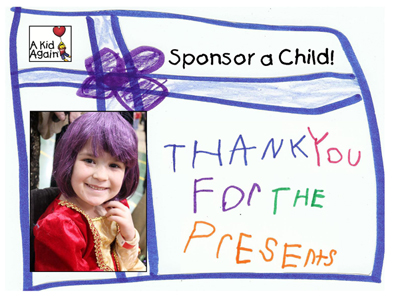
Create a thank you photo

Make your donor’s day with a great photo. Here are a few examples of thank you photos.

Send  thank you photos via email and social media, use one to create a card, and include one on your thank you landing page.

If you have the time and resources, you could also create a thank you video.

Share an update or success story

In addition to saying thank you, share a brief update or success story. Emphasize how you couldn’t have helped someone without the donor’s support. For example – Thanks to you, Jessica won’t have to sleep in a shelter tonight.

Send a card

Handwritten notes mean the world to donors.  If you don’t have the budget to send cards to everyone, send them to your most valuable donors. These may not be the ones who give you the most money. Do you have donors who have supported your organization for more than three years? How about more than five years?  These are your valuable donors.

Another idea – Send a small number of thank you cards every month, ensuring that each donor gets at least one card a year.  Spreading it out may be easier on your budget.

Thank You 101

Make 2015 the year you do a better job of thanking your donors.  Thank your donors right away and send a thank you note/letter or make a phone call.  Electronic thank yous aren’t good enough.

Be personal and conversational when you thank your donors. Don’t use jargon or other language they won’t understand. Write from the heart, but don’t be overly sentimental. Give specific examples of how your donors are helping you make a difference.

If your budget doesn’t allow you to mail handwritten cards, is there a way you can change that? You may be able to get a print shop to donate cards. You can also look for additional sources of unrestricted funding to cover cards and postage.

Maybe you need a change of culture. Getting your board, all staff, and volunteers involved in thanking your donors will make a huge difference.

Keep thinking of ways to surprise and delight your donors! Get creative.

10 ways to thank your donors

7 Ways to Build Rapport with Donors Using Creative ‘Thank You’s

You can’t say thank you enough. Do it at least once a month. Create a Thank You Plan to help you. How to Create a Thank You Plan

How are you thanking your donors?

Photo by Patrick Hoesly