Show Your Donors How You Are Making a Difference

Do your donors know how they are helping you make a difference? Because I often don’t see good examples of that. What I see is a list of activities or accomplishments that are focused on the organization. Some examples (these are fictitious) include:


Feeding Families served over $50,000 meals in 2013.

We received a $30,000 grant from the Baker Foundation.

ReadingWorks just started a tutoring program at Eastside High School.

These are okay on one level, but don’t answer the question – How are you making a difference for the people you serve?

Why is this important?

When you are communicating with donors, let them know why your accomplishments are important.

Instead of just reporting that you served over $50,000 meals, emphasize how that will make a difference. Are people in the community finding it hard to make enough money to put food on the table?

Why is it important that Eastside High School now has a tutoring program? Maybe it’s because 70% of their students are two grade levels behind in reading and your program can help boost their skills.

Of course, publicly acknowledging your major funders is important, but what will that grant be used for? How will it help people?

Speak your donor’s language

Be personal and conversational. Use language your donors will understand. Here’s a good example from an organization specializing in cancer research and treatment.

“Tests revealed Chris had a tumor the size of an orange in his colon.” That’s easy to visualize isn’t it?

Then they wrote about developing treatments “of precisely targeted radiation to locate and destroy small, early stage lung tumors. That means less pain, fewer side effects, and faster recovery time for patients.”

Okay, there’s some passive voice in there, but it’s fairly easy to understand. The organization could have gotten overly technical. I think they gave a good example of how this treatment helps their patients battle this dreaded disease.

You need good stories
A great way to show your donors how you are making a difference is to tell a story, and the best stories are about the people you serve. I know they are harder to get, but this is what your donors want to hear.

When you tell a story, introduce a protagonist – an individual or family- and give them a name. You can change their names to protect their privacy.

Your story will continue with a challenge and end with how your donors helped make you make a difference. How to Simplify Your Nonprofit’s Story to One Paragraph 


Here’s more on the story about Chris. “Chris was a marathoner, and in perfect health, except for what he thought was an upset stomach.” The story went on about finding the tumor the size of an orange and starting treatment “to win that fight.” The organization “discovered that Chris has genetic condition that puts him at high risk for his cancer to return. We put together a long-term screening program to ensure cancer never surprises him again.”

Show your donors how they are helping you make a difference

I didn’t quote that story verbatim because I thought the organization tooted their own horn a little too much by saying “We helped him win that fight” and “Our experts discovered…” There wasn’t any mention of their donors’ role in helping them, although this came from an appeal letter to prospective donors.

Your organization needs to be in the background. Your stories are not about you.

If you are communicating with current donors, don’t forget to thank them and let them know that they are a key to your success. After all, you wouldn’t be able to make a difference for the people you serve without their support.

How is your organization making a difference?

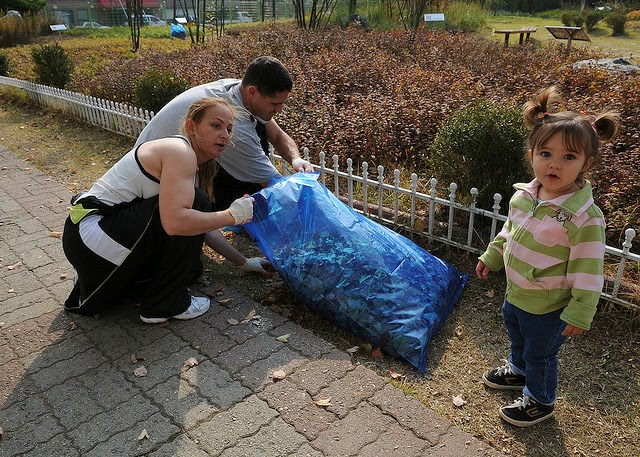
Photo by Bob McElroy US Army via Flickr

I’m Bored

When our nephew was younger, his favorite phrase seemed to be, “I’m bored”.  Is this what your donors are saying when they read your annual report or newsletter?  They might be if the first thing they see is one of those dull letters from the Executive Director. 
There’s nothing inherently wrong with a letter from the ED, but they’re usually not very interesting.  They tend to brag about how great the organization is and are filled with jargon.
How can you ensure that you’re giving your donors something they will want to read?
First impressions matter
I recommend starting annual reports, fundraising letters, and newsletters with an engaging story.  If your lead story doesn’t capture your readers’ attention, they may not read anything else. 
They may not read everything anyway, which is why you need to use the inverted pyramid and put the most important and engaging information first.
Short and sweet
What do you think your donor is more likely to read, a postcard annual report or a ten-page report, half of which is a list of donors?   

Donors don’t have the time or patience to slog through pages of long-winded-text. Most People Skim. Few Read Deep. 

Don’t use jargon
I write a lot about not using jargon because it deflates your writing.  It’s often meaningless.
Instead of saying we are making an impact in underserved communities, give a specific example.  Thanks to you, we are helping people in the Northside neighborhood get better access to healthcare.
It’s not about you
If your communications are focused on how great your organization is, you’ll probably bore your donors pretty quickly.
But if it’s focused on how great they are, they’ll want to keep reading.  That dreaded letter from the ED is often organization-focused.  You want to focus on the people you serve.  That’s why you should be sharing stories and profiles. It’s Not About You 
Quality counts
Nonprofits need to make a commitment  to do a good job of communicating with their donors. 
I think one of the problems is that organizations keep using the same boilerplate content for so long that they become immune to it.  Look at your messages and put yourself in your donors’ shoes.  Is this something that will interest them?
You want to create and use a consistent message platform. The 4 Cornerstones of Your Nonprofit Message Platform  Review it once or twice a year to make sure it’s still relevant.
You might want to find some people outside your organization to look over your materials to see if they are interesting and engaging.  What may be interesting to you, may not be to others.
In addition, be careful of how many people look over and edit your materials.  You often run into trouble here.  The people in your fundraising and marketing departments should be trusted to know how to write fundraising letters, annual reports, newsletter articles etc.   I recommend one writer and one editor.
Don’t bore your donors
Take time to create materials your donors will want to read.  Write thank you letters that are filled with appreciation and don’t look like an ATM receipt.  Don’t drone on in the About Us section of your website.

You never want to hear your donors say, “I’m bored.”

Photo by Mark Engelbrecht via Flickr

But We Don’t Have Time To Do That

Do you ever find yourself saying that?  I understand. We’re all busy.  If you work for a small nonprofit, you probably feel as if you are being pulled in different directions.
But be careful. What are you saying you don’t have time to do?  If you are saying you don’t have time to write thank you notes, communicate regularly, or measure your progress,  you are neglecting some important areas.  
It’s possible to make time to do these things, even if you feel you are so busy you can’t see straight.  One big key is planning.  
Say thank you, and say it again and again
A few weeks ago, I gave an example of an organization that missed an opportunity to build relationships by not sending thank you notes after an event.
Many nonprofit organizations don’t do a great job of thanking their donors. Sending a handwritten note or making a phone call will make a better impression on your donors than one of those boring, generic thank you letters.
Get board members and volunteers to help.  If you have an event, you usually recruit volunteers.  Have these volunteers write notes or make calls, too.  It doesn’t take that much time to write a short note, but it makes a huge difference.  Get a bunch of people together and have a thank-a-thon.
You need to keep thanking your donors throughout the year.  This is where a Thank You Plan comes in handy.  

Try to thank your donors once a month.  It could be a short update via email or social media.  Thanks to you, we just expanded our afterschool program to Washington and Eastside High Schools.

Donors don’t want to be ignored
Remember the movie Fatal Attraction where the Glenn Close character says, “I’m not going to be ignored.”  Well, your donors don’t want to be ignored either.  You won’t suffer the same fate as Michael Douglas, but your donors may not donate again.
Your donors want to hear how they are helping you make a difference, and you need to be in touch with them at least once or twice a month.
Creating a Communications Calendar  is essential and will make this a whole lot easier for you. 
A newsletter can be a great way to stay in touch.  Setting up a template and using an email service provider will provide consistency.  Perhaps each issue will include a story/profile and some updates.
Remember, your newsletter doesn’t need to be long.  Keep it to a few short articles.  Shorter, more frequent communication is more likely to get your donors’ attention.  Send out a tweet saying Our donors are awesome.
Does it work?
One of the news programs in Boston has a weekly segment called “Does it work?”, where they review products such as the Potato Express and Chop Wizard.
You also need to ask – does it work?  Are you connecting with people on Twitter? –  Is your spring event worth doing? – Are you meeting your fundraising goals? 
If something isn’t working, figure out how you can make improvements or don’t spend your valuable time doing it anymore. 
Here’s a sample dashboard you can use to help measure your progress and figure out if what you are doing is working. Library of Sample Dashboard Indicators 
These are just a few areas where you might say you don’t have time to do that, but you need to make the time.

What  do you feel you don’t have the time to do?

Photo by bark via Flickr.


Freshen Things Up With Some Spring Cleaning

Spring is here, although winter doesn’t seem to want to go away quite yet. 

Spring is a time for new beginnings. It’s a time to clean up what’s old and make room for something new and better.

Many of you may take on spring cleaning projects in your home. Here are a few spring cleaning projects you can do that will benefit your nonprofit organization.


Clean up your mailing lists
Did you have an influx of address changes, returned mail, and bounced emails after you sent out your year-end appeal? Now is a good time to clean up and update both your print and email mailing lists.

Update and improve your donor database
Your donor database is an important tool and you need it to be up-to-date and filled with accurate information about your donors.

Your database is not just a place to keep addresses and gift amounts.  Use it to its full potential.  Are you using that all wrong? Segment your donors, and record any personal information such as conversations you had with a donor and their areas of interest. 
Don’t cut corners when it comes to data entry and having a good database. Having High Standards is Important, Especially When It Comes to Data Entry.

Be ready for your next mailing
Even though it’s tedious, have someone who is familiar with your donors (your development director?) go through your mailing lists and database to see if you need to make any additions, changes, and deletions.

This is crucial if you are planning a spring appeal or event.

Update your website
Has it been awhile since your updated your website? Even with the popularity of social media, people will go to your website for information, whether they are first-time visitors or long-time supporters. 
Your website must be up-to-date and user-friendly.  Use this checklist to help you create an effective and engaging website. A Website Checklist
Out with the old – In with the new
Now is a good time to look at your 2014 fundraising and marketing plans to figure out what’s working and what isn’t.  If you never created these plans, then one of your first priorities should be to do that.  Don’t go through 2014 without having any plans.
Perhaps you aren’t connecting with people on Google+ or that online auction you’ve had for years takes too much time for the amount of money you raise. 
You may be reluctant to let go of something, but just as if you were going through your closet at home, sometimes you need to get rid of your old, favorite sweater.  Spring Clean Your Fundraising Program…by Throwing Things Out! 
You may want to try something new this spring, but don’t just jump into the latest craze.  You’ll need to decide what makes sense for your organization.
Also, focus on what you can do better.  Instead of trying a new type of social media, work on starting conversations and building relationships on Facebook and Twitter.

Take some time to make the updates and changes you need. What types of spring cleaning projects do you plan to work on?

Photo by Liz Lawley via Flickr

The Value of Relationships

In my last post, I wrote about reaching out to new donors and other supporters.  I found it hard not to wonder, would you have to spend so much time finding new donors if you had better relationships with your current donors?
According to Kivi Leroux Miller’s 2014 Nonprofit Trends Report, 53% of organizations surveyed said that acquiring new donors was their most important goal this year, as opposed to 30% who responded with retaining current donors as their most important goal. The results were similar in 2013.
You need to do both, but focus at least half your time on keeping your current donors. Fundraising expert Adrian Sargeant says, “Improving attrition rates by only 10% can improve the life time value of a donor base up to 200%”.
Developing and sustaining relationships with your current supporters is often easier and less expensive than finding new supporters.  After all, you’ve already found people who are interested in your organization. 
Stay in touch
A couple of the organizations I donated to at the end of last year have been in touch with updates.  The others, I haven’t heard a peep.
One of the organizations just sent me an email update about their holiday toy drive.  While it wasn’t an outstanding letter, it was filled with warmth and gratitude.  They let me know my donation helped bring joy to nearly 7 million children by giving them toys, books, and other gifts over the holidays.  The email message also included some photos of kids receiving gifts.
This is what you need to do.  Stay in touch with your donors throughout the year.  Find ways to show gratitude and keep them updated on how they are helping you make a difference for the people you serve.
A missed opportunity
There are many ways to build relationships, but some organizations don’t do it very well. 
I attended an event in my community at the beginning of February and never received any kind of thank you note or follow up message.  I’m a firm believer in sending thank you notes after an event. 
I was the highest bidder on a couple of silent auction items and did get thanked when someone called about the items and when I went to pick them up.  But that’s not enough, and what about people who didn’t win auction items?
You should follow up with your event attendees with a thank you note, phone call, or at the very least, an email message.  I know this organization has my email address because they sent me an announcement about the event (I’ve attended before).
Thank people for attending, let them know how much money you raised, and share specific ways their support is helping you make a difference. Then invite these supporters to connect in other ways such as signing up to receive your newsletter or volunteering.  Obviously, you should do the same thing when you thank someone for a donation.
I only hear from this organization at event time.  I’ve never been approached for an individual gift, although I would be a good donor candidate because I have supported this event.  Are your event lists and individual giving lists mutually exclusive?  They shouldn’t be.  Your donors may choose to support one or the other, but at least you can ask.  
Relationships matter
Don’t miss out on opportunities to develop relationships. How can I connect with your organization if you don’t give me any ways to do that?
Your donors and other supporters have expressed interest in your organization. Keep them interested by staying in touch.
With donor retention rates plummeting, it’s crucial that you develop and sustain valuable relationships with your donors.
Photo by Tiffanie J via Flickr

Don’t Cast a Wide Net

You’ve probably heard someone in your organization say we need more donors or we need more people to know about us. That may be true, but be careful about how you plan to reach out to your new supporters.  They are often closer than you think.
Not everyone is interested in your organization
Sad, but true, and it usually has nothing to do with you.  There are a lot of people in this world. Concentrate on reaching out to folks who are interested in your work.
Relationships matter
The best way to increase revenue is to keep as many of your current donors as you can, and get them to give at a higher level.  Even though this isn’t a post on donor retention, you can’t overlook the relationships you have with your supporters. If your donors stop giving because they don’t feel you appreciate them, that’s something you can control and fix.
You will, however, lose some donors due to situations you can’t control.  Don’t despair.  Your new potential donors may not be far away. 
In the case of major donors, your board and other donors can help you find new potential donors.  It’s not about reaching out to people with money.  Oprah or Bill Gates probably won’t donate to your organization. The Oprah Syndrome They need to have a connection to your cause. Fundraising is a World of “We” not “Them”
You’ll have more success if you reach out to people who already know you. Other potential donors are your newsletter subscribers, social media followers, event attendees, and volunteers. 
You can cultivate these supporters by communicating regularly and showing how you are making a difference for the people you serve.  If you do it well, you should have a good chance of getting them to donate.
Raising awareness is a vague goal
What do you want when you say you want more people to know about us?  Sure, you would like to get press coverage, but you need a call to action, too.   Also, an article in the newspaper probably isn’t going to get you that many donations or volunteers unless you pitch an awesome story and target publications that your potential supporters will read.
Your audience isn’t everyone.
Events are more fun if you bring a friend
You will have more luck getting people to attend one of your events if you post an announcement on social media and get your followers to spread the word to their friends.  

You can submit event listings in your local paper, too. But people are more likely to attend an event if they have some connection to your cause, whether they know someone in your organization or live in your community. 
Remember to sustain relationships with your event attendees.  Send them a thank you note after your event and stay in touch throughout the year, so they will be more likely to attend next time.
What types of people like to volunteer?
If you need more volunteers, figure out what has worked for you in the past.  Your current volunteers may be able to help you recruit new volunteers. 
If you find you have a bunch of volunteers who are fleeing, be sure it’s not because they feel they weren’t properly trained or supported.  Relationships matter.
Keep track
When you reach out to different groups, keep track of which ones donate, volunteer, or attend an event.  You should find that you often don’t have to cast a wide net.

Photo by ACKman16 via Flickr

How Are You Telling Your Stories?

Are you boring your donors with a lot of facts and statistics or are you telling them a story?   I recently received an appeal letter from a hospital that opened with:
You can only imagine how Kenton felt.  One minute, he was laughing, cheering on the Harlem Globetrotters. The next minute, his life was changed forever.”
Does that make you want to read more?  The story continues by showing us how Kenton suffered a serious stroke and was rushed to this hospital where he received live-saving treatment and then went through several months of rehabilitation before making a full recovery.
If you are making a difference, you have stories to tell
Can you tell a story like that?  If you are making a difference, you can.  Creating stories takes a little more work, but they will help you connect with your donors.  Use stories in your appeal letters, thank you letters, newsletters, annual reports, website, blog, and other types of social media.
You want to tell a success story.  Show how someone has overcome challenges on their journey to something better.  Make your donors part of the story.  Let them know how with their help, Jamie won’t go to bed hungry again.  Keep your organization in the background.
Client or program recipient stories are best. You’ll need to work with program staff to get these stories.  Another way to find stories is to put a Share Your Story page on your website. Share-Your-Story Page | an addition to the fundraiser’s arsenal of tools 
Using people’s names will make your stories more personal.  I realize you might run into confidentiality issues, but you can change names to protect someone’s privacy.  You could also do a composite story, but don’t make up anything. How to Tell Nonprofit Stories While Respecting Client Confidentiality
You want to use stories often.  I recommend that your newsletters open with a story.  They don’t all have to be client stories.  You can share profiles of volunteers, board members, and donors. 
Many organizations profile new board members in their newsletters.  That’s okay, but instead of emphasizing their professional background, concentrate on what drew them to your organization.  Perhaps she participated in an afterschool program as a teenager or he has a strong interest in eliminating homelessness.
Create a story bank to help you organize all your stories. You can use the same stories in different channels.
Tell a story in an instant with a photo
Your donors are busy, but you can capture their attention an instant with a great photo. A photo of your executive director receiving an award is not very compelling. Use photos of your programs in action.  
I know confidentiality issues are going to come up again.  People making a trip to your food pantry probably won’t want their pictures taken, but you can share photos of volunteers serving food or stocking shelves.
A great new trend is postcard annual reports, which are filled with photos and a small amount of text.
If you use social media, you need to communicate several times a week. Sharing photos is a good way to connect.
I also recommend creating a photo bank, and be sure to use high-quality pictures.


Highlight your work with a video
Create a video to show your program in action, share an interview, or give a behind the scenes look your at organization.  Make your videos short and high quality.  If you are interviewing someone, be sure that person is good on camera.

Connect with your donors by sharing a story.  How are you telling your stories?
Here’s another resource to help you with your stories. 


Photo by UNE Photos via Flickr

Do Newsletters Make Sense?

The answer is, it depends. Newsletters can be a great way to stay in touch with your donors and keep them updated on how they are helping you make a difference.  But many newsletters just put you to sleep. They are too long and often filled with articles that brag about great the organization is.
Honestly, if you can’t produce a newsletter that your donors will want to read, what’s the point?  That said, it is possible to produce a successful newsletter. 
Print or electronic? 
I think you’ll have more success if you can do both.  But ask your donors what they like. If a majority of them prefer one over the other, then doing both may not make sense. 
Both print and electronic newsletters have their advantages and disadvantages, but by using two different channels, you have a better chance of connecting with your donors. The Pros and Cons of Print Newsletters in Your Content Marketing Mix 
I recommend a short e-newsletter once or twice a month and one to four print newsletters a year.  If you are starting to panic about coming up with content for your newsletters, then a communications calendar is your new best friend. Creating a Communications Calendar 
Create a powerful print newsletter
Some organizations won’t produce a print newsletter because it’s too expensive and takes too much time.  However, this is an investment you should make.  
Let’s say you are small nonprofit that mails out one appeal at the end of the year. You might want to send out a print newsletter in the spring and include a donation envelope.
You may be balking at the idea of putting a donation envelope in your newsletter, but it can help you raise extra revenue.  Give it a try.  Just make sure you communicate regularly in ways in which you are not asking for money.
Fundraising expert Tom Ahern recommends sending print newsletters only to donors.  This can help you cut down on mailing costs. 
Limit your newsletter to four pages, include lots of photos, and make them donor-centered.
One advantage of a print newsletter is your donor is more likely to read it.
Create an engaging e-newsletter
Send e-newsletters ONLY to people who have signed up for it. They may or may not be donors, but it can be a great cultivation tool, too. You can also share links to your e-newsletter on social media and your website. 
Keep your e-newsletter short – no more than three or four articles (shorter if you send one twice a month).  Use an enticing subject line such as Find Out More About …. rather than March 2014 Newsletter. Also, make sure people can read your newsletters on their mobile devices.
Advice for all newsletters
All newsletters should be short and easy to read and scan. They should also have a consistent look.
Open your newsletter with a story.  Client stories are best, but you could also do profiles of volunteers, board members, and donors.  Focus on what drew them to help you make a difference.
Make it visual.  Use photos. You could also put a short video in an 
e-newsletter.
This is a no brainer, but make sure it’s interesting to your donors. I’m not a fan of the letter from the executive director. Stories and updates are best. You could also include a short survey or ask your readers to take action, such as contacting their legislator.
Write it in the second person and keep it focused on how your donors are helping you make a difference.  Give it the you test.  Circle the number of you’s as opposed to we’s.  There should be many more you’s
Don’t be formal.  Write in a conversational style and watch out for any jargon.  You’ll connect more with your donors if your newsletter is personal.
Newsletters do make sense, if you take the time to do them well.

Photo by xposurecreative.co.uk via flickr

Make an Investment to Thank Your Donors

Nonprofit organizations need to do a better job of thanking their donors. Many spend a lot of time on their fundraising appeals, and then well, that’s about it….
You need to spend as much time thanking your donors as you do on your fundraising appeals.                                           

Think of it as an investment. You put in resources (time, money, etc) and in return you should get loyal donors who will support you long-term.  This is crucial since well over half of new donors don’t give a second gift.
Invest time in thanking your donors
Ideally, your donors should get a handwritten thank you card or a phone call.  Even though these take more time, it’s time well spent.
At many of the small nonprofits I’ve worked at, it was all hands on deck to get out our fundraising appeals.  Staff and volunteers would stuff envelopes and write handwritten notes on the letters.
Do the same when you thank your donors, at least for the initial influx of donations.  Get your board involved in making phone calls or writing cards.  Recruit volunteers to help, too.
Also, what is prohibiting you from taking time to thank your donors?  Is it a meeting you could skip?
Remember to thank your donors as soon as possible
Take time each day you get a donation to make phone calls, write cards, or send letters.  Don’t let board members put off making calls or let a stack of letters sit on your ED’s desk.
Invest money in thanking your donors
If you aren’t mailing handwritten cards because you can’t afford to, is there a way to change that?
You may be able to get a print shop to produce your cards pro bono.  Can you allocate more money in your budget?  If not, look into additional sources of unrestricted funding to cover printing and mailing costs.
Many nonprofits are cutting back on mailing and relying on email and social media to communicate.  This isn’t always wise, especially if you have donors who don’t communicate electronically (and some don’t).
Invest in a good database
A good database (Excel is not a database) will help you segment your donors. Now you can make your thank yous more personal.
You want to welcome new donors and recognize repeat gifts.  You can also add personal bits of information to thank you letters/notes, such as it was nice to see the donor at a recent event.
Speaking of new donors, something else you should invest in is a welcome package. Create a warm welcome for new donors
Invest in quality communications
No matter how you thank your donors, you want your messages and look to be high quality.
This starts with your thank you landing page.  Many of them look like store receipts.  Open with a friendly thank you message and share an engaging photo.  Then you can include the tax ID info etc.
Write a heartfelt thank you message in your cards or letters.  Start out by saying Thanks to you or You’re amazing.  Give an example of how the donor’s gift will help you make a difference.  Be personal and leave out any jargon.
Even if you are sending a printed thank you letter or email, there is no excuse not to take a little extra time to make it personal.

Your donors are making an investment by supporting your organization.  Make an investment in them by doing a good job of showing your appreciation and sustaining a relationship with them.

Photo by ota_photos via  Flickr  www.tradingacademy.com                                                                                                                                          

Don’t Let Your Donors Pack Up and Leave

Did you receive an influx of new donors after your year-end appeal? That’s great, but now you need to make sure those donors don’t leave you.

Retention rates for new donors are horrible. Actually, retention rates in general are bad. Nonprofit Donor Retention Primer

One of the biggest reasons donors flee is because they believe the organization doesn’t do a good job of staying in touch and keeping them engaged. Why Donors Stop Giving  

This should be easy to fix.

Try to engage with your donors by email once a week. If you use social media, you can communicate more often – generally once a day on Facebook and a couple of times a day on Twitter. If your donors don’t communicate electronically, keep in touch by mailing newsletters, postcards, and handwritten notes.

Use a communications calendar
This will make it easier for you to come up with and organize your content. Make it cross channel and include email, social media, website, and print. Figure out what to send out and when. Here is more information on Creating a Communications Calendar 

Read on for some ways you can stay in touch with your donors throughout the year.

Newsletters
Newsletters can be a great way to engage, but they are often boring and focused too much on the organization. Be sure to tell stories that show how your donors are helping you make a difference.

Another issue with newsletters is they are too long. Keep them to a few articles and include some engaging photos.

You’ll need to figure out whether it’s best to do your newsletter by print, email, or a combination of both.

Updates
Send your donors brief updates via email, social media, or postcard. This is a great way to complement your newsletters or stay in touch if you choose not to do a newsletter.

Say thank you

Plan to send a thank you message to your donors each month. Share a success story and let them know that you couldn’t have accomplished that without their support.

Always find ways to say thank you.
Surveys

Conduct short surveys. Ask new donors what drew them to your organization. You can also ask people their opinion on an issue or a question about your communications, such as do they read your annual report?

Make your supporters feel included. One nonprofit that sells holiday cards asks folks to vote on their favorite designs.

Advocacy alerts
Send out an advocacy alert on a piece of legislation that affects the people you serve. Then report back on the results. Be sure to thank your donors for getting involved.

Share photos and videos
Share some engaging photos. Social media is great for sharing photos.

You can also share videos of the people you serve participating in activities or better yet saying thank you to your donors! Make sure your videos are high quality and keep them short.

Testing time

You’ll want to measure how people respond to your messages. Perhaps short weekly updates get a better response than your monthly newsletter.

If you are not getting much of a response from your surveys, either do them differently or find another way to engage.

Keep it up!

It’s very important for you to communicate regularly with your donors and keep them engaged so they don’t decide to pack up and leave.
How do you stay in touch with your donors?
 

Photo by Sam Howzit via Flickr