Make a Resolution to Be Donor-Centered

New Year’s resolutions are a mixed bag.  Most people make them with good intentions and then revert back to their old habits after a few weeks.
One resolution nonprofit organizations need to make (and keep) is to be donor-centered.  The term donor-centered is pretty self-explanatory.  You want to focus on your donors’ needs and interests and take into account that not all donors are the same.
Is your organization donor-centered?  Here are a few areas to look at.
Fundraising Appeals
You’d think fundraising appeals would be donor-centered, but many are not.  Some focus too much on the organization – saying how great they are. Your organization may be great, but let your donors figure that out. Your donors are the ones who are great and they want to hear how they can help you make a difference for the people/community you serve.
Donor-centered fundraising appeals are segmented to the appropriate audience.  Thank past donors or reference your relationship to a potential donor.  Maybe they are event attendees, volunteers, or friends of board members.
Many fundraising appeals are vague, impersonal, and filled with jargon.  Don’t say we are helping disenfranchised members of the community.  A donor-centered appeal would say something like – With your support, we can help low-income families find affordable housing.
Thank you letters
Even If organizations do invest time in creating a donor-centered appeal, they often fall short with their thank you letters.  Many come across as transactional and resemble a receipt. Yes, you need to acknowledge that the donation is tax deductible, etc, but most donors are more concerned about how their gift made a difference.
Marketing consultant Kivi Leroux Miller stresses catering more to your donors’ inner angels rather than their inner bookkeepers.  A donor-centered thank you letter (or better yet,a handwritten note), might read – You’re fabulous.  Thanks to your generous donation of $50, we can provide groceries for a family of four at the Southside Community Food Bank.
A donor-centered thank you letter recognizes each donor.  Is this the first time someone has donated?  If someone donated before, did she increase her gift?   Acknowledge this in your letter/note.
Newsletters
Newsletters are a great way to stay engaged with your donors throughout the year, but they, too, are often not donor-centered.
Some newsletters come across as self-promotional and are focused more on the wonderful things the organization is doing, as opposed to how their donors are helping them make a difference.
I recently received a newsletter in which one of the articles looked as if the organization took a press release and stuck it in their newsletter.  It was written in the third person and included quotes from the executive director and program directors.
A donor-centered newsletter article should be written in the second person, as should most of your communications.  Write to the donor and use the word you more often than we. Instead of including quotes from directors, let your donors hear from the people you serve.
Let’s say your organization just opened a community health center.  You could write –  Thanks to your support, residents in the Northdale neighborhood no longer have to travel five miles to get a check up“I’m so happy that I don’t have to take two busses to go to the doctor anymore”, said Mary, a long-time neighborhood resident.
Make a resolution to be donor-centered and stick with it throughout the year.  Be sure every message you send to your donors will make them feel special. 
Read on for more information.

Photo by LC Nottasson via Flickr


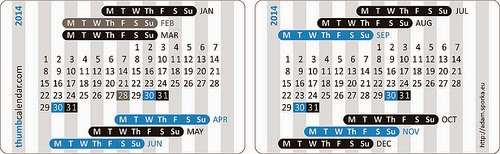
Get Ready for 2014 – Creating a Communications Calendar

Happy New Year! I hope you have taken time to put together fundraising and marketing plans. My last post in this series about getting ready for 2014 is to create a communications calendar (also known as an editorial calendar). 


I like the term communications calendar because it emphasizes the importance of communicating with your donors and other supporters all year round. One of the great things about having a communications calendar is you won’t get so stressed out trying to come up with content for your newsletters and other updates.

As you put together your communications calendar, think about how you will use different channels. You may only send out direct mail a few times a year, but send out a newsletter once a month and communicate by social media several times a week. You will often use a number of different channels when you send out a fundraising appeal or promote an event.

All your communication should be audience-centered and emphasize how you are making a difference for the people you serve and in the community.

Here are some categories you can use in your communications calendar. Some items will be time sensitive and others won’t be.

Events
Does your organization hold any events? Besides your events, are there other events in your community that would be of interest to your supporters? This is a great thing to share on social media.

Legislation
Advocacy alerts are a wonderful way to engage with your supporters. Be on the lookout for any federal or state legislation that’s relevant to your organization. Encourage people to contact their legislators about an issue or a bill. Report back to them with any updates, and thank them for getting involved.

Time of year
Is there something going on during a particular month that is pertinent to your organization? Perhaps it’s homelessness awareness month or your organization was founded in May 1994.

Thanksgiving, the holidays, and winter can be a difficult time for some people. How can you weave that into your work?

News stories
You won’t be able to predict news stories in advance. However, as something newsworthy comes up, see if that’s something you could share.

Fundraising and recruitment

Be sure to add your fundraising appeals to your communications calendar. You want to highlight these and not inundate your donors with a lot of other information at that time.

If your organization has specific times it needs to recruit volunteers, add that to your calendar, as well. 

Thank your donors
Figure out different ways to let your donors know how much you appreciate them. Do this at least once a month.

Ongoing content
If you are making a difference, you have stories to tell. Share your clients’ success stories. You could also profile a board member or volunteer.

Put together a collection of stories and profiles to use in your newsletter and website throughout the year. If you are profiling board members or volunteers, highlight what motivated them to serve on your board or volunteer with your organization. Keep it focused on your mission.

Keep it up
As you hear about other relevant information, add it to your calendar, so you will always have good content to share with your supporters.

Here is more information to help you create a communications/editorial calendar.


Photo by Adam Sporka via Flickr

Get Ready for 2014 – Creating a Fundraising Plan

Many of you are probably knee-deep in your year-end fundraising campaign.  But 2014 is less than a month away, and if you haven’t starting planning for it, you need to do that now.


Over the next couple of weeks, I’ll write about ways you can plan for 2014, which includes creating fundraising and marketing/communications plans, as well as a communications calendar.  All are very much interconnected.

You must have a fundraising plan
Most nonprofit organizations receive the bulk of their revenue through donations, so it’s crazy not to have a fundraising plan.


You may have heard the sayings if you fail to plan, you plan to fail, and not having a plan is like starting a journey without a map (or programming your GPS). Cliches? Maybe, but they make a lot of sense.

Putting together any kind of plan doesn’t need be painful. It will take some time, but it’s time well spent. It’s a lot better than being taken by surprise when you come up short on revenue.

Ideally, you should have a multi-year fundraising plan that is based on your strategic plan. Here are a few other things to consider as you put together your fundraising plan.

Did you measure your progress in 2013?
I hope you did, because it will make it easier for you if you can factor in what worked and what didn’t as you plan for 2014.

How much money do you need to raise?
The revenue part of your fundraising plan is fairly straightforward. Figure out how much money you get from other sources, such as fees, and how much you need to raise. Remember to build in a reserve, too.

Be realistic
Determine how much you want to raise from each source – individuals, grants, events, etc. The funding climate is still precarious, so you need to rely on a variety of sources.

Be realistic about what you can do. Cultivating major donors can be worthwhile, but it takes time to build these relationships and you need to involve your board. Events and online auctions can take up a lot of staff time and sometimes don’t bring in that much revenue.

Look at what’s worked in the past. Remember, just because you’ve always done something, doesn’t mean you need to continue doing it.

Make it detailed
Fundraising plans don’t just cover how much money you are going to raise. You also need to include a strategy. Map out each step of an individual appeal campaign or an event and include a timeline. You don’t want to leave anything out.

Also, figure out who will be involved and in what capacity. Make sure to include your board.

Include a donor relations component
Even though your  fundraising plan will include ways to find new donors, don’t neglect the ones you already have. Donor relations is a crucial, but often overlooked, part of fundraising.

Include ways to thank donors, such as holding an open house or sending out holiday cards, as well as donor communication, such as newsletters and social media updates.


You want your donors to give again and to give at a higher level. This means you need to keep them engaged and interested in your work. Also, as you look for new donors, find ones who will support you long-term.

Measure your progress
Don’t ignore your fundraising plan after you finish it. At least once a quarter, check to see if you are on track with your goals. Determine what is working and what isn’t. If you are falling short in your grant revenue, perhaps you are applying to foundations that aren’t the right match for your organization.

In addition, each time you hold an event or run a campaign, figure what worked, what didn’t, and how you can make improvements in the future.

Here is a dashboard you can use to keep track of your progress.

Don’t make the mistake of not having a fundraising plan. Read on for more information about putting one together.


Fundraising Plan 1 Year Template

Photo by 401K via Flickr

Create a Thank You Plan

This post is included in the November Nonprofit Blog Carnival | Giving Thanks and Gratitude

You probably have a fundraising plan (if not you should) and maybe a donor relations plan, but do you have a thank you plan?

Nonprofit organizations spend a lot of time on their fundraising campaigns, but treat thanking their donors as an afterthought.

You need to spend just as much time thanking your donors as you do on fundraising.

Creating a thank you plan will help you stay focused on gratitude all year round. Donor retention rates keep plunging and some of the reasons are donors don’t feel appreciated and that they only hear from nonprofits when they are asking for money.

Here are some things to consider as you put together your thank you plan.

Plan to thank your donors right away
Every single donor, no matter how much they have given or whether they donated online, gets a thank you card/ letter mailed to them or receives a phone call.

Try to thank your donors within 48 hours. This shouldn’t be hard to do. Carve out some time each day you get a donation and thank your donors.

Plan to go beyond sending a boring thank you letter

Instead of sending a generic thank you letter, mail a handwritten card or call your donors. Calling your donors to thank them is something your board can do. It’s often a welcome surprise and can raise retention rates among first-time donors.

Here’s where planning comes in. Find board members, staff, and volunteers to make phone calls or write thank you notes. Come up with sample scripts. You may also want to conduct a short training.

If you can’t send handwritten cards or call all your donors, send them a personal and heartfelt letter. Don’t start your letter with “On behalf of X organization we thank you for your donation of….” Open the letter with “You are amazing” or use one of the suggestions from this post. 22 Delightful Ways to Say Thank You!

Add a personal handwritten note to the letter, preferably something that pertains to that particular donor. For example, if the donor has given before or attended one of your recent events, mention that. In addition, make sure all the letters are hand signed.

Let your donors know how much you appreciate them and highlight what your organization is doing with their donation.

Here is more information on how you can do a better job of thanking your donors and some sample phone scripts and letters.

Let’s Do a Better Job of Thanking Donors

Fundraisers, Fix Your Thank You Letters!!


Plan to keep thanking your donors all year round
As you put together your communications calendar, incorporate ways to thank your donors. Try say thank you at least once a month. Here are some ways to do that.

  • Send cards or email messages at Thanksgiving, during the holidays, Valentine’s Day, or mix it up a little and send a note of gratitude in June or September when your donors won’t be expecting it.
  • Invite your donors to connect with you via email and social media. Keep them updated with accomplishments and success stories. Making all your communications donor-centered will help convey an attitude of gratitude. Share accomplishments such as:

Thanks to you, we just started an afterschool program at the Northdale Middle School. Now these students have a safe place to meet and learn new skills.

  • Be sure to keep thanking your donors in your newsletter and social media updates. Emphasize that you wouldn’t be able to do the work you do without your donors’ support.
  • Create a thank you video and share it on your website, by email, and on social media. Our Favorite Nonprofit Thank You Videos 
  • Hold an open house at your organization or offer tours so your donors can see the inner workings of your nonprofit. 

Show Appreciation by Holding an Open House

The Power of Place – Making the Most of Tours For Donors

  • Keep thinking of other ways to thank your donors.
Creating a thank you plan will make it easier to keep showing appreciation to your donors all year round. If you treat them well, maybe they’ll treat you well the next time you send a fundraising appeal.

The Year is Almost Over. Are You on Target With Your Goals?

The year is winding to a close. You may be busy with your fall fundraising appeal right now, but you should take some time to see if you are on target with your 2013 goals.


This is important for two reasons. One, you want to see if you are coming up short this year, and two, you can use some of this information as you plan for next year. 

Here are a couple of things you should measure.

Fundraising
Are you on target with your fundraising goals? If not, how far off are you? We are entering the “giving season”, but If you are way off, there’s not much time to fix it.

This is a good time to assess what worked and what didn’t. If your spring gala was a huge success, keep doing it. If you didn’t raise enough money and everyone on your staff wanted to go on vacation after it was over, then you need to decide whether it’s worth doing next year.

In addition, be sure to keep track of the results from your year-end appeal, so you can apply what worked to future fundraising campaigns.

Donor communications
Nonprofit organizations often don’t do a good job of communicating with their donors. Are you thanking your donors and keeping them engaged on a regular basis? 


One way to track engagement is to measure the response rates of your email messages and website pages. Another way is to get feedback by sending out a short survey or starting a conversation on social media.

It’s important that you stay connected with your donors at this time of the year. Not only with your year-end fundraising, but also with updates and thank you messages.

If your messages aren’t resonating with your supporters, figure out why. Maybe you need better email subject lines or more compelling content. Are your messages filled with gratitude and success stories about how your donors are helping you make a difference, or are you sending out something long, boring, and focused on your organization?

Looking at your number of email subscribers and social media followers is just one part of the equation. Make sure you are keeping them engaged with good content.

Another reason your response rate might be low is you are sending messages to people who aren’t strong supporters or you are trying to connect on channels they don’t use.


More on year-end measurement
The folks at Veritus Group ask Are You Ready For Q4? Most of their suggestions are focused on major donors, but we should all “start every day with donor-centered purpose.”

Here is a great tool to help you with your measurement. Library of Sample Dashboard Indicators There may be other areas you want to measure now, as well.

Make sure you are still on target for this year and start planning for next year. I’ll write more about that in a few weeks.


Photo by Frank Lindecke via Flickr

How to Create an Annual Report That Won’t Bore Your Donors

What do you think of when you hear annual report? Are you picturing a long, boring document filled with wordy text and statistics? It doesn’t have to be like that.


You want to create an annual report that will engage your supporters and not bore them. But, before we get into how you can do that, here are few things to consider.

Does it make sense to produce an annual report? 
It might not. Nonprofit organizations aren’t required to produce an annual report, but they can be beneficial, if done well. Read on for more information to help you figure out if it makes sense for you to produce an annual report. Do Annual Reports Still Make Sense?

If you decide not to do an annual report, find another way to share accomplishments with your donors.

All your donors are not the same
You may want to consider different types of annual reports for different donor groups. Marketing expert Kivi Leroux Miller recommends an oversized postcard with photos and infographics. I think that’s great for most of your donors.

Your grant and corporate funders might want more detail, but not 20 pages. Aim for no more than four pages. Your funders are busy and don’t have a lot of time to read your annual report.

This Annual Reports Wiki includes some great examples including postcards and videos.

No matter what type of annual report you produce, here are some suggestions for creating one that won’t bore your donors.

Be donor centered. 
The purpose of an annual report is to show your donors how they are helping you make a difference for the people you serve.


Think about what your donors want (not what your board wants or what you have always done). They don’t want you to go on and on about how great your organization is. Share accomplishments like this –Thanks to you, 85% of the students in our tutoring program are reading at their grade level or above.

Make it visual
Find some engaging photos to include in your annual report. Photos can tell a story in an instant. Choose photos of people participating in an activity, such as a tutor helping her student with her reading.


Use colorful charts or graphs to highlight your financials. This is a great way to keep it simple and easy to understand.

Sprinkle in quotes and short testimonials to help break up any text. 


Tell a story
You can tell a story with words, a photo, or video. Share a success story about a person you have helped. For example, Cara used to struggle with her reading, but now reads at her grade level after weekly tutoring sessions with Amy, one of our volunteer tutors.

Be conversational
Write in the second person and use a warm, friendly tone. Ditch the jargon and passive voice.

Use everyday language such as – With your help we found affordable housing for over 100 homeless families. Now they no longer have to live in a shelter, motel, or their cars, and have a place to call home.


Break from tradition
Traditionally annual reports have included an introduction from the executive director or board chair. I find these often drone on and don’t entice you to read more. If you do include an introduction, make it brief, friendly, jargon-free, and filled with gratitude towards your donors for their support in helping you reach your goals.

Annual reports usually contain a donor list, which have pros and cons. Some donors want public recognition, but these lists take up space and most people aren’t going to read them.

You’ll have to decide if it makes sense to include one in print. You may want to include a list of donors at a certain level in your annual report and all your donors on your website. Whatever you decide, be sure to thank all your donors in this section and double and triple check that their names are spelled correctly.

Annual reports can be time consuming. Don’t let your hard work go to waste. Create an annual report that will capture your donors’ attention right away and not bore them.

Photo by Dion Gillard via Flickr

Let’s Do a Better Job of Thanking Donors

Nonprofits invest a lot of time and energy in their annual appeal, but thanking donors seems like an afterthought.

You need to spend as much time thanking your donors as you do on your annual appeal letter.

I recently received a thank you letter that was a case study of what not to do. It was sent three months after I made the donation, it was addressed to Dear Friends, and it included vague, impersonal language like “X organization serves individuals who are often the most disinenfranchised members of their communities.”  Arrgh!

Here are some suggestions on how to do a better job of thanking your donors.

Thank your donors right away
Thank your donors within 48 hours.  It’s possible to do this, but you’ll need a commitment from your staff and board.  Here is more information.  3 Secrets to Getting Your Donor Thank You Out in 48 Hours 

One size doesn’t fit all
What type of relationship do you have with your donor?  Is she a new donor, repeat donor, volunteer, etc?  Acknowledge that when you thank her. A Fundraiser’s Guide to Effective Gift Acknowledgment
Make it personal
Let’s all take a vow to keep jargon and impersonal language out of our thank you letters.  Be conversational and friendly.  Let your donor know how much you appreciate him.

Show how your donor is helping you make a difference
Share a success story and show what her gift will fund.

Give your donors a call

Calling your donors to say thank you is an easy, yet effective way, to show appreciation.

This is a great job for your board. The executive director or other staff and volunteers can make calls, too. Make sure you find people who are comfortable making phone calls and don’t sound as if they are reading from a script. You want callers who are willing to engage in a conversation with donors.

Come up with script and a spreadsheet to record notes. You may want to conduct a little mini-orientation to get your callers pumped up and give them an opportunity to practice. Here is a sample script.


Hi, this is Susan Jones and I’m a board member at the Westside Community Food Pantry. I’m calling to thank you for your generous donation of $50. Thanks to you, we can provide a family with a week’s worth of groceries. This is great. We are seeing more people use our food pantry right now because of cuts to food stamp programs. We really appreciate your support.

It’s fine to leave a message, but be sure to provide a call back number in case the donor wants to talk with someone.

Not only is calling your donors an effective way to say thank you, it can help you keep your donors and raise more money in the future.

Send a handwritten note

A few handwritten sentences on a nice card is going to make much more of an impact than a printed thank you letter. Think about creating a thank you card or postcard with an engaging photo on the front. 

Since you will only be able to write a few sentences – make them count. Use a warm, conversational tone. Try something like this.


Dear Lisa,

You’re amazing! Your generous contribution of $50 will help us meet our goal of expanding our tutoring program to serve more students.

Your support makes a difference. 85% of the students in our program are now reading at their grade level or above. 

This shouldn’t take you that much time and it is time well spent. You can put together a team of staff, board members, and other volunteers to write the notes. You could also have clients write notes. Make sure to find people with legible handwriting.

Sending a handwritten note shows your donor how much you appreciate them.


Just because your thank you letters are generated by a computer doesn’t mean they need to sound like one
If you can’t make calls or send a handwritten note to all your donors, send a heartfelt, personal printed letter, and include a short handwritten message.  Give it the human touch. 

Let your donors know you are saying thank you because you want to, not because you have to.  

Also, even though your online donors will receive an automatic thank you email, they should still get something in the mail or a phone call.

You can use the samples above for printed letters, as well.

When thanking your donors, remember to thank them right away, make it warm and personal, and show them how they are helping you make a difference.

More inspiration to help you thank your donors.


Photo by Clever Cupcakes via Flickr

Make Your New Donors Feel Welcome

Did you know that approximately 75% of first time donors don’t make a second gift?  Yikes! 

Donor retention rates have plunged over the last couple of years, but let’s make 2013 the year we turn those numbers around.

Step 1 – Do something special for your current first time donors before you send out your annual appeal.  

You could send them a short thank you email, postcard, or note card in which you shower them with appreciation and give a specific example of how their support is helping you make difference.

Of course, you should continue to stay connected to all your supporters by showing gratitude and sharing accomplishments.

Step 2 – In my last post, I wrote about personalizing your annual appeal letters for different types of donors.  Thank your first time donors for their previous gift, let them know how much you appreciate them, and show them how they are part of your success.

Step 3 – A huge factor in donor retention is a good donor relations plan that you will carry out regularly as long as your donors support you, which hopefully will be for a long time.

Here is what you can do for your new donors.

Create a welcome plan
Welcome your new donors. Say thank you and show them other ways they can connect with you. Invite them to subscribe to your newsletter and join you on social media.

Some organizations mail out welcome packages. This can include a warm introductory letter and a brochure or fact sheet, as well as guiding new donors to your website for more information about your organization.

Be careful about how much information you send out.  Donors want to feel welcome not overwhelmed.

I don’t recommend sending unsolicited swag such as Address Labels, Blankets, Calendars Instead, you could offer your new donors a gift and they can let you know if they want to receive it, but it’s not necessary. 

What donors really want from you is to know how they are helping you make a difference.

Phone calls matter
According to fundraising expert Roger Craver, thank you calls increase retention rates for first time donors by 25%. You should make thank you calls to all your donors, but if that’s impossible, one of your priorities should be calling your new donors.

Get a group of board members and other enthusiastic volunteers to do this.  Leaving a message is fine, but if you do get someone on the line, ask her what drew her to your organization.

Remember to thank your donors within 48 hours.

Who are your new donors?
They could be event attendees, volunteers, or newsletter subscribers.  If you know, make a reference to that in your thank you letter. If not, send a short survey and ask “How did you hear about us?”  Surveys are also a good way to connect throughout the year.

Keep spreading the love
Keep reaching out your donors – at least once or twice a month.  Show appreciation and update them on your success. 

Also, think of ways to do something else special for your new donors. You could offer tours of your facility or hold an open house.

Let’s hope next year at this time the donor retention rates won’t be so dismal.

One Size Doesn’t Fit All

A mistake some nonprofits make is to send everyone on their mailing list the same annual appeal letter. You have different relationships with these individuals, so you need to personalize your letters as much as possible. Don’t worry, you can use some of the same content in all your letters. 

Know your audience. Spend a little time going through your records to get information on your donors and segment them into different groups.  A good database will help with that. 

Here are some ideas for segmenting your lists and ways to personalize letters for different donor groups.

Current Donors
You will have the most luck with your current donors.  Ideally, your donors will donate again and give a higher amount. This may not happen if you haven’t been engaging with them throughout the year.

Let these donors know how much you appreciated their previous gift and include the amount of that gift.  Donors don’t always remember what they gave last time and you want to help them out so they don’t have to spend time searching their records. 

First Time Donors
The biggest attrition comes between the first and second gift.  Show these donors a little extra love right now.  You don’t want them to slip away.  You could send them a special thank you email or postcard showing them how they helped you achieve X.

Lapsed Donors
Don’t write off these donors yet, especially if they have donated within the last few years.  Let them know you miss them and want them back.

At some point, you’ll want to go through your list of lapsed donors to see which ones you should keep following up with.

Event Attendees
If someone has attended one of your fundraising or cultivation events, mention how great it was to see her at that event.

Something else to keep in mind – After you hold an event, be sure to send thank you notes to all attendees.

Volunteers
Volunteers are another potential donor group.  After all, they should be passionate about your work.  You’ll have better luck if they feel appreciated.

Some volunteers may not have the means to give or feel their time is their gift, but they might be able to get their friends or parents to donate.

Other Supporters
If you are sending an appeal to someone who has never donated to you before, don’t thank him for a past gift. 

You may be sending appeals to newsletter subscribers or social media followers who are not donors.  Here you can thank them for their interest or find some other way to connect.

You may have also traded or bought mailing lists, which will not bring you as much success as you will have with current donors and supporters. Try to find a connection between their interests and your organization.

Handwritten notes
You’ll want to include a short handwritten note on all of your appeal letters.  Use some of the same personal information you have gathered.  If it’s impossible for your organization to create different letters, then tailor these handwritten notes to each donor.

Be personal
Again, don’t send out a generic annual appeal letter.  One size doesn’t fit all.

Here are a couple of more ideas to help you make your donor communications more personal and other ways you can segment your lists.

Are You Ready For Your Annual Appeal?

Wow, it’s already September.  This summer seemed to zip by. As the humidity gives way to that wonderful crisp air, life gets a whole lot busier once Labor Day passes.

This is also true for nonprofit organizations, especially if you are doing an annual appeal later in the fall.  Many nonprofits rely on their annual appeal for a good portion of their revenue.  Even if you are not sending it out for a couple of months, there’s a lot to do to prepare.

I’ve compiled this checklist of items to help you get ready for your annual appeal.

How much money do you need to raise?
You may have already set a goal in your 2013 fundraising plan (at least I hope you did) and perhaps you need to revise that goal.  If you haven’t set a goal, determine how much money you need to raise before you start your campaign. 

Make a plan
Start putting together a plan for your annual appeal that includes a timeline, task list, and the different channels you will use.  Make it as detailed as possible. A Fundraiser’s Guide to the Fall 

Update your mailing lists
Make sure your postal and email mailing lists are up-to-date.  Check for duplicate addresses and typos.  Your donors do not want to receive three letters or have their names misspelled.  Also, segment your lists by donor group. Clean Up and Organize Your Mailing Lists 

Stories and photos 
Find a good story for your annual appeal. You’ll want some engaging photos for your letter and donation page, too.  Quotes can also enhance your appeal. Put Together a Collection of Stories and Photos 

Accomplishments and plans for the future

Your appeal letter should highlight some of the year’s accomplishments and state what you plan to do next year. For example, let’s say you run an afterschool program for high school students. Share your success of reaching your goal of serving X number of students. Next year you would like to expand and serve middle school students, as well.

Focus on the people you serve and show how you are making a difference thanks to your donors’ contributions.

Letterhead and envelopes
Don’t wait until the end of October to check your supply of letterhead and envelopes.  Make sure you have enough.  Perhaps you want to create a special outer envelope. 

Even though many people donate online, you want to make it easy for donors who prefer to mail a check.  Include a return envelope and a preprinted form with the donor’s contact information and the amount of last year’s gift.

Donation page/website
Speaking of online giving, be sure your donation page is user-friendly and consistent with your other fundraising materials.  Highlight your annual appeal on your home page and include a prominent Donate Now button. While you are at it, check your website for out of date information and broken links. Create A Welcoming Donation Page

Giving levels
Create a set of giving levels, if you haven’t already done so. This example from the Fresh Air Fund shows donors how their support helps send New York City kids to camp – $21 pays for a bus ticket, $100 covers swimming lessons, and all the way up to $962, which funds one week at camp. About Countdown to Summer 

Monthly giving
Monthly giving is great way to get larger contributions.  Some people might balk at donating $100 or more, but if you present it as $10 a month ($120 a year!), it sounds more feasible.

Thank yous
You aren’t done with your annual appeal once you mail out your letters. You need to thank your donors as soon as you receive their gifts. Unfortunately, thanking donors seems to be an afterthought for some organizations. 

Now is a good time to create or buy some thank you cards, as well as finding board members to make thank you calls.

Keep your donors happy
I realize you’re busy getting ready for your annual appeal, but this is not the time to skimp on your newsletters and social media updates.  Keep engaging your donors and other supporters (who may become donors) by sharing success stories.  Go the extra mile and send messages of gratitude or hold an informal open house. 

I’ll be writing more about annual appeals throughout the fall.  In the meantime, what are you doing to prepare for your annual appeal?