Make an Investment to Thank Your Donors
Think of it as an investment. You put in resources (time, money, etc) and in return you should get loyal donors who will support you long-term. This is crucial since well over half of new donors don’t give a second gift.
Don’t Let Your Donors Pack Up and Leave
Retention rates for new donors are horrible. Actually, retention rates in general are bad. Nonprofit Donor Retention Primer
One of the biggest reasons donors flee is because they believe the organization doesn’t do a good job of staying in touch and keeping them engaged. Why Donors Stop Giving
Try to engage with your donors by email once a week. If you use social media, you can communicate more often – generally once a day on Facebook and a couple of times a day on Twitter. If your donors don’t communicate electronically, keep in touch by mailing newsletters, postcards, and handwritten notes.
Use a communications calendar
This will make it easier for you to come up with and organize your content. Make it cross channel and include email, social media, website, and print. Figure out what to send out and when. Here is more information on Creating a Communications Calendar
Newsletters
Newsletters can be a great way to engage, but they are often boring and focused too much on the organization. Be sure to tell stories that show how your donors are helping you make a difference.
You’ll need to figure out whether it’s best to do your newsletter by print, email, or a combination of both.
Updates
Send your donors brief updates via email, social media, or postcard. This is a great way to complement your newsletters or stay in touch if you choose not to do a newsletter.
Plan to send a thank you message to your donors each month. Share a success story and let them know that you couldn’t have accomplished that without their support.
Conduct short surveys. Ask new donors what drew them to your organization. You can also ask people their opinion on an issue or a question about your communications, such as do they read your annual report?
Make your supporters feel included. One nonprofit that sells holiday cards asks folks to vote on their favorite designs.
Advocacy alerts
Send out an advocacy alert on a piece of legislation that affects the people you serve. Then report back on the results. Be sure to thank your donors for getting involved.
Share photos and videos
Share some engaging photos. Social media is great for sharing photos.
You can also share videos of the people you serve participating in activities or better yet saying thank you to your donors! Make sure your videos are high quality and keep them short.
Testing time
You’ll want to measure how people respond to your messages. Perhaps short weekly updates get a better response than your monthly newsletter.
If you are not getting much of a response from your surveys, either do them differently or find another way to engage.
Keep it up!
Photo by Sam Howzit via Flickr
It’s Not About You
Keep focusing on what’s best for your donors. Remember, it’s about them, not you.
Photo by Naaman Saar Stavy via Flickr
Shower Your Donors With Love
Valentine’s Day will be here soon, and what a perfect time to thank your donors and show how much you appreciate their support.
Fundraising expert Pamela Grow recommends a minimum of 12 touches a year (you should aim for more). If you haven’t shown gratitude since you sent your year-end thank you letters, you need to do that soon. You did send thank you letters after your year-end appeal, didn’t you?
Whether you want to send something out on Valentine’s Day is up to you. But do something fun and creative to show appreciation in February. The holidays are over, and there’s still a lot of winter left for many of us to endure.
Here are some ideas.
Create thank you photo
Send a card
Handwritten notes mean the world to donors. You may not have the budget to send cards to all of them. If not, send them to your most valuable donors. These may not be the ones who give you the most money. Do you have donors who have supported your organization for more than three years? How about more than five years? With retention rates continuing to plunge, you don’t want to lose these valuable donors.
Make your messages personal
Make an investment to thank your donors
If your budget doesn’t allow you to mail handwritten cards, is there a way you can change that? You may be able to get a print shop to donate cards. You can also look for additional sources of unrestricted funding to cover cards and postage.
Maybe you need a change of culture. Getting your board, all staff, and volunteers involved in thanking your donors will make a huge difference.
Keep it up
Keep thinking of ways to thank your donors! You can’t say thank you enough. Do it at least once a month.
At certain times of the year, like Valentine’s Day or Thanksgiving, people expect to receive messages of gratitude, but imagine how surprised your donors might be if they receive something in May or August?
How are you thanking your donors?
How Well Are You Thanking Your Donors?
Make a Resolution to Be Donor-Centered
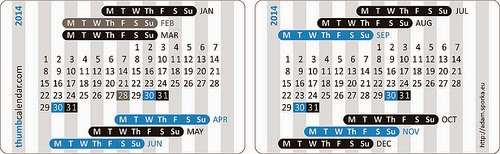
Get Ready for 2014 – Creating a Communications Calendar
I like the term communications calendar because it emphasizes the importance of communicating with your donors and other supporters all year round. One of the great things about having a communications calendar is you won’t get so stressed out trying to come up with content for your newsletters and other updates.
As you put together your communications calendar, think about how you will use different channels. You may only send out direct mail a few times a year, but send out a newsletter once a month and communicate by social media several times a week. You will often use a number of different channels when you send out a fundraising appeal or promote an event.
All your communication should be audience-centered and emphasize how you are making a difference for the people you serve and in the community.
Here are some categories you can use in your communications calendar. Some items will be time sensitive and others won’t be.
Events
Does your organization hold any events? Besides your events, are there other events in your community that would be of interest to your supporters? This is a great thing to share on social media.
Legislation
Advocacy alerts are a wonderful way to engage with your supporters. Be on the lookout for any federal or state legislation that’s relevant to your organization. Encourage people to contact their legislators about an issue or a bill. Report back to them with any updates, and thank them for getting involved.
Time of year
Is there something going on during a particular month that is pertinent to your organization? Perhaps it’s homelessness awareness month or your organization was founded in May 1994.
Thanksgiving, the holidays, and winter can be a difficult time for some people. How can you weave that into your work?
News stories
You won’t be able to predict news stories in advance. However, as something newsworthy comes up, see if that’s something you could share.
Fundraising and recruitment
If your organization has specific times it needs to recruit volunteers, add that to your calendar, as well.
Thank your donors
Figure out different ways to let your donors know how much you appreciate them. Do this at least once a month.
Ongoing content
If you are making a difference, you have stories to tell. Share your clients’ success stories. You could also profile a board member or volunteer.
Put together a collection of stories and profiles to use in your newsletter and website throughout the year. If you are profiling board members or volunteers, highlight what motivated them to serve on your board or volunteer with your organization. Keep it focused on your mission.
Keep it up
As you hear about other relevant information, add it to your calendar, so you will always have good content to share with your supporters.
Here is more information to help you create a communications/editorial calendar.
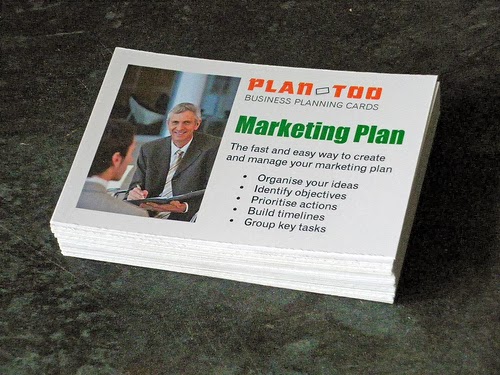
Get Ready for 2014 – Creating a Marketing Plan
You need a marketing plan
If you have never created a marketing plan, you may want to do a SWOT (strengths, weaknesses, opportunities, threats) analysis or some other kind of organizational analysis to help you get focused. (See links below for more details.)
At the very least, you should create a plan that covers how you will communicate with your audience(s). Ideally, you should be looking at more than one year and your marketing plan needs to be consistent with your strategic plan.
If you already have a marketing plan and have been measuring your progress (Gold stars for you!), you can incorporate what’s worked in the past into your 2014 plan.
Don’t make the mistake of not taking your marketing and communications seriously. Here are a few things to keep in mind as you put together your marketing plan.
Who are you?
What are your needs and goals?
Each nonprofit has different needs. Everyone needs to raise money, but perhaps you also need members, clients, or volunteers. Come up with categories and goals and create a strategy for each. For example, if you need tutors or mentors, you need to come up with a recruitment plan.
Think about going beyond raising awareness. You need a call to action, such as donating, volunteering, attending an event, or contacting your legislator.
Who is your audience?
It’s not everyone. Sometimes it’s people who know you well, such as donors, and sometimes it’s not.
Craft your messages with your audience in mind. What would entice someone to donate, volunteer, or attend your event?
Communicating with your supporters
Reaching out to donors and other supporters is a huge part of your communications. Throughout the year you need to update them on how they are helping you make a difference. In my next post, I’ll write about creating a communications calendar to help you with that.
Communicating with an external audience
Measure your progress
At least once a quarter look at your goals and figure out what is working, what isn’t, and how you can make improvements.
Use this dashboard to monitor your progress. Scroll down a bit for the marketing section.
Photo by Plantoo47 via Flickr
Get Ready for 2014 – Creating a Fundraising Plan
Many of you are probably knee-deep in your year-end fundraising campaign. But 2014 is less than a month away, and if you haven’t starting planning for it, you need to do that now.
You must have a fundraising plan
Most nonprofit organizations receive the bulk of their revenue through donations, so it’s crazy not to have a fundraising plan.
You may have heard the sayings if you fail to plan, you plan to fail, and not having a plan is like starting a journey without a map (or programming your GPS). Cliches? Maybe, but they make a lot of sense.
Putting together any kind of plan doesn’t need be painful. It will take some time, but it’s time well spent. It’s a lot better than being taken by surprise when you come up short on revenue.
Ideally, you should have a multi-year fundraising plan that is based on your strategic plan. Here are a few other things to consider as you put together your fundraising plan.
Did you measure your progress in 2013?
I hope you did, because it will make it easier for you if you can factor in what worked and what didn’t as you plan for 2014.
How much money do you need to raise?
The revenue part of your fundraising plan is fairly straightforward. Figure out how much money you get from other sources, such as fees, and how much you need to raise. Remember to build in a reserve, too.
Be realistic
Determine how much you want to raise from each source – individuals, grants, events, etc. The funding climate is still precarious, so you need to rely on a variety of sources.
Be realistic about what you can do. Cultivating major donors can be worthwhile, but it takes time to build these relationships and you need to involve your board. Events and online auctions can take up a lot of staff time and sometimes don’t bring in that much revenue.
Look at what’s worked in the past. Remember, just because you’ve always done something, doesn’t mean you need to continue doing it.
Make it detailed
Fundraising plans don’t just cover how much money you are going to raise. You also need to include a strategy. Map out each step of an individual appeal campaign or an event and include a timeline. You don’t want to leave anything out.
Also, figure out who will be involved and in what capacity. Make sure to include your board.
Include a donor relations component
Even though your fundraising plan will include ways to find new donors, don’t neglect the ones you already have. Donor relations is a crucial, but often overlooked, part of fundraising.
Include ways to thank donors, such as holding an open house or sending out holiday cards, as well as donor communication, such as newsletters and social media updates.
You want your donors to give again and to give at a higher level. This means you need to keep them engaged and interested in your work. Also, as you look for new donors, find ones who will support you long-term.
Measure your progress
Don’t ignore your fundraising plan after you finish it. At least once a quarter, check to see if you are on track with your goals. Determine what is working and what isn’t. If you are falling short in your grant revenue, perhaps you are applying to foundations that aren’t the right match for your organization.
In addition, each time you hold an event or run a campaign, figure what worked, what didn’t, and how you can make improvements in the future.
Don’t make the mistake of not having a fundraising plan. Read on for more information about putting one together.