
Once is Not Enough,and Why You Need a Multichannel Fundraising Campaign

9299959937_3edb05f367_m

If you think you can send one fundraising appeal and then wait for the donations to pour in, you’re in for a rude awakening. Your donors are busy and may put your letter aside to handle later, and then never get to it. Or, they may not see your fundraising email in their ever growing inbox. While some donors will respond to the first appeal, most are going to need a few reminders.

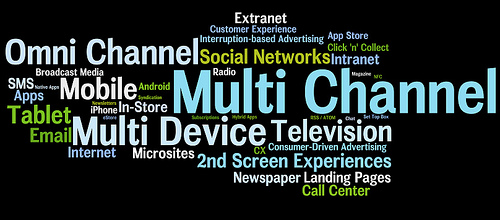
You also don’t want to rely on one communication channel. Your fundraising campaign will be more effective if you use a combination of mail, email, social media, and phone calls. Some donors may respond to your direct mail piece but donate online. Others will see your email message but prefer to send a check.

You’ll have a lot of competition since you’re not the only organization seeking year-end donations. Not to mention, election season is in full force in U.S. but, thankfully, will be over on November 8.

This is why you need a multichannel campaign with a series of asks.

BEFORE YOU START

Clean up your mailing lists

If you haven’t already done so, clean up and organize your mailing lists.

Make it easy to donate online

You must have a donation page that’s engaging and easy to use on all platforms, including mobile. Test all links in email messages and social media posts. The last thing you want is a donor contacting you about a broken link or have to hunt around on your website for a link to your donation page.

When you’re ready to launch your campaign, include a blurb on your homepage that your appeal is underway. Make sure your donate button is in a prominent place.

Consistency is key

Your messages need to be consistent across channels. Use the same story and call to action in direct mail, email, and on your website.

Everything you send needs to look like it’s coming from the same organization.

Which channels do your donors use?

Yes, we’re talking about multichannel, but that doesn’t mean spending a lot of time on channels your donors aren’t using. Figure out in advance where you want to focus your efforts.

SAMPLE SCHEDULE AND STRATEGY

Come up with a schedule of when the appeals will go out. I’ve created a sample schedule below. Of course, you can adjust the timeframe as needed, and use this for campaigns at other times of the year. That said, I do recommend starting your year-end campaign sooner than later.

October 26

Give your supporters a heads up by email and social media. Let them know your year-end appeal is underway and they should receive a letter from you soon. Encourage them to donate online right now. This means your donation page needs to be in great shape.

Week of October 31

Mail your appeal letters.

Week of November 7

Start sending follow-up reminders via email and social media. If possible, don’t send reminders to people who have already donated. Otherwise, be sure to thank your recent donors. You can even phrase your reminders as more of a thank you or an update.

Thanks so much to all of you who donated to our year-end appeal. We’re well on our way to our goal. If you haven’t donated yet, please help us out today by visiting our website (include a link to your donation page) or sending us a check (provide address).

Week of November 14

Send another reminder. Your donors are busy and may need a gentle prompt. Keep it positive. Don’t make your donors feel bad because they haven’t donated yet.

Week of November 21

Send a Happy Thanksgiving message along with a friendly reminder. Share a success story in your appeal.

Week of November 28

Start making reminder calls. If time is an issue, you could just call people who have donated before. That’s probably most effective.

Also, November 29 is #GivingTuesday so you could tie that into a reminder message.

The rest of December and beyond

Keep sending reminders throughout December. It’s tricky because you want to get your message across without being annoying. Be sure to keep sending your newsletter and other updates. You don’t want the only messages your donors receive to be fundraising appeals. December is also a great time to show some #donorlove.

The end of December is the busiest time of the fundraising season. Network for Good recommends sending an email reminder on December 23, 29 or 30, and 31. This is especially relevant if your fiscal year ends on December 31 or your donor wants to give before the end of the calendar year. Even though you’re trying to secure donations, don’t forget about building relationships, too.

Look to see who hasn’t contributed yet. Concentrate on people who are most likely to donate, such as past donors. You may need to send another mailing to donors who don’t use electronic communication.

Remember, your fundraising will be more successful with multiple asks and by using multiple channels. 9 Tips for Making a Multichannel Fundraising Ask  Good luck with your campaign.

Photo by Daniel Iverson
How to Plan a Multi-Channel Fundraising Campaign

9302746500_abac718b17

We have many ways to reach out to our donors – by mail, email, social media, and phone calls. But your fundraising campaign will be more effective if you use a combination of these.

Some donors may respond to your direct mail piece but donate online. Others will see your email message but prefer to send a check. Some donors will respond to the first appeal while others need a few reminders. This is why you need a multi-channel campaign.

BEFORE YOU START

Clean up your mailing lists

If you haven’t already done so, clean up and organize your mailing lists.

Make it easy to donate online

You must have a donation page that’s engaging and easy to use. Test all links in email messages and social media posts. The last thing you want is a donor contacting you about a broken link or have to hunt around on your website for a link to your donation page.

When you’re ready to launch your campaign, include a blurb on your homepage that your appeal is underway. Make sure your donate button is in a prominent place.

Consistency is key

Your messages need to be consistent across channels. Use the same story and call to action in direct mail, email, and on your website.

Everything you send needs to look like it’s coming from the same organization.

Which channels do your donors use?

Don’t spend a lot of time on channels your donors aren’t using. Figure out in advance where you want to focus your efforts.

SAMPLE SCHEDULE AND STRATEGY

Come up with a schedule of when the appeals will go out. I’ve created a sample schedule below. Of course, you can adjust the timeframe as needed.

October 21

Give your supporters a heads up by email and social media. Let them know your year-end appeal is underway and they should receive a letter from you soon. Encourage them to donate online right now. This means your donation page needs to be in great shape.

Week of October 26

Mail your appeal letter.

Week of November 2

Start sending follow-up reminders via email and social media. If possible, don’t send reminders to people who have already donated. Otherwise, be sure to thank your recent donors. You can even phrase your reminders as more of a thank you or an update.

Thanks so much to all of you who donated to our year-end appeal. We’re almost halfway to our goal. If you haven’t donated yet, please help us out today by visiting our website (include a link to your donation page) or sending us a check (provide address). 

Week of November 9

Send out another reminder. Your donors are busy and may need a gentle prompt.  Keep it positive. Don’t make your donors feel bad about not donating yet.

Week of November 16

Start making reminder calls. If time is an issue, you could just call people who have donated before. That’s probably most effective.

Week of November 23

Send a Happy Thanksgiving message along with a friendly reminder. Share a success story in your appeal.

Week of November 30

December 1 is #GivingTuesday so you could tie that into your reminder.

The rest of December and beyond

Keep sending reminders throughout December. It’s tricky because you want to get your message across without being annoying.  Be sure to keep sending your newsletter and other updates. You don’t want the only messages your donors receive to be fundraising appeals.

The end of December is the busiest time of the fundraising season.  Network for Good recommends sending an email reminder on December 23, 29 or 30, and 31. This is especially relevant if your fiscal year ends on December 31 or your donor wants to give before the end of the calendar year.

Look to see who hasn’t contributed yet. Concentrate on people who are most likely to donate, such as past donors.  You may need to send another mailing to donors who don’t use electronic communication. Also, keep track of how many donors come through each channel.

We live in a multi-channel world. Take time to plan your strategy to ensure a successful year-end campaign.

Here’s a great resource to help you with your multi-channel fundraising.

Multi-Channel Fundraising Campaign Worksheet

Image by Daniel Iverson

Go Multi-Channel for Better Year-End Success

9302746260_6fa6dfef4e_z

Most of you are about ready to launch your year-end appeal.  We have many ways to reach out to our donors – by mail, email, social media, phone calls. But your fundraising campaign will be more effective if you use a combination of these.

Some donors may respond to your direct mail piece, but donate online. Others will see your email message, but prefer to send a check. Some donors will respond to the first appeal, while others need a few reminders. This is why you need to go multi-channel.

BEFORE YOU START

Clean up your mailing lists

If you haven’t already done so, clean up and organize your mailing lists.

Make it easy to donate online

It’s crucial to have a donation page that’s engaging and easy to use. Test all links in email messages and social media posts. The last thing you want is a donor contacting you about a broken link or having to hunt around on your website for the donation page.

Right before your appeal goes out, include a blurb on your homepage that your appeal is underway. Make sure your donate button is in a prominent place.

Consistency is key

Your messages need to be consistent across channels. Use the same story and call to action in direct mail, email, and on your website.

Everything you send out needs to look like it’s coming from the same organization.

Which channels do your donors use?

Don’t spend a lot of time on channels your donors aren’t using. Figure out in advance where you want to focus your efforts.

SAMPLE SCHEDULE AND STRATEGY

Come up with a schedule of when the appeals will go out. I’ve created a sample schedule below. Of course, you can adjust the timeframe as needed.

October 22

Give your supporters a heads up by email and social media. Let them know that your year-end appeal is underway and they should receive a letter from you soon. Encourage them to donate online right now. This means your donation page needs to be in ship shape.

Week of October 27

Mail your appeal letter.

Week of November 3

Start sending out follow up reminders via email and social media. If possible, don’t send reminders to people who have already donated. Otherwise, be sure to thank your recent donors. You can even phrase your reminders as more of a thank you or an update.

Thanks so much to all of you who have donated to our year-end appeal. We’re almost halfway to our goal. If you haven’t donated yet, please help us out today by visiting our website (include a link to your donation page) or sending us a check (provide address). 

Week of November 11

Send out another reminder.  Your donors are busy and may need a gentle prompt.  Keep it positive. Don’t make your donors feel bad about not donating.

Week of November 17

Start making reminder calls. If time is an issue, you could just call people who have donated before. That’s probably most effective.

Week of November 24

Send a Happy Thanksgiving message along with a friendly reminder. Share a success story in your appeal.

Week of December 1

December 2 is #GivingTuesday so you could tie that into your reminder.

The rest of December and beyond

Keep sending reminders throughout December. It’s tricky because you want to get your message across without being annoying.  Continue to send your newsletter and other updates. You don’t want the only messages your donors receive to be fundraising appeals.

Network for Good recommends sending a fundraising email on December 27, 29, and 31. This is especially relevant if your fiscal year ends on December 31 or your donor wants to give before the end of the calendar year.

Look to see who hasn’t contributed yet. Concentrate on people who are most likely to donate, such as past donors.   Also, keep track of how many donors come through each channel.

We live in a multi-channel world. Take time to plan your strategy to ensure a successful year-end campaign.

Here’s a great resource to help you with your multi-channel fundraising.

Download Your Multi-Channel Fundraising Campaign Worksheet

Image by Daniel Iverson