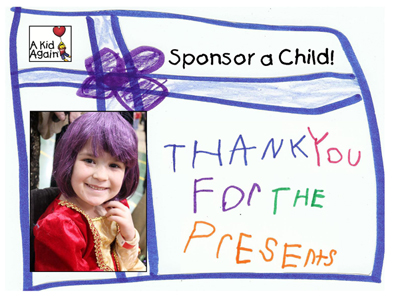
Create a Thank You Experience for Your Donors

ec6ac-4101881178_fefea807b5

Thanking donors shouldn’t be a process: it should be an experience. An experience that will last as long as someone donates to your organization, which hopefully will be for a long time.

If you treat thanking your donors as a       ho-hum task that you have to do, it will show.

Make a good first impression with your thank you landing page

Thanking your online donors is a three-part experience (not process).  Your landing page is your first chance to say thank you and often it’s no better than an online shopping receipt.

Open with Thank you, Jim! or You’re amazing!  Include an engaging photo and a short, easy to understand description of how the donation will help the people you serve.  Put all the tax deductable information after your message or in the automatically generated thank you email.

If you use a third-party giving site, you might be able to customize the landing page. If not, follow up with a personal thank you email message within 48 hours.

6 Fresh Ideas for Your Nonprofit’s “Thank You” Landing Page

You’re a human, so write like one

Next, set up an automatic email to go out after someone donates online. This will let your donor know that you received her donation and it didn’t get lost in cyberspace.

Just because your thank you email is automatically generated, doesn’t mean it needs to sound like it was written by a robot. Write something warm and personal.

How to Thank a Donor Through Email

Every donor gets thanked by mail or phone

I’m a firm believer that even if someone donates online, he should receive a thank you card, letter, or phone call within 48 hours.  I make most of my donations online, and in 2014 about 1/2 of the organizations didn’t send me a letter, just an automatically generated email.  None of them called or sent a handwritten card.

Make your donor’s day with a handwritten thank you card or phone call.  You don’t have to do this alone.  Recruit board members, other staff, and volunteers to write cards or make phone calls.

If that’s not possible, write an amazing letter and include a personalized handwritten note.  I understand larger organizations may not be able to send all their donors a handwritten card, but they should have the resources to create a decent letter.

Create a memorable thank you

Most thank you letters are pretty mediocre.  Create something that stands outs.  Be personal and conversational without using any vague jargon.  Recognize past gifts or upgrades, and give a specific example of how the donation will make a difference. Something like this.

Dear Susan,

You’re incredible!  Thanks to your generous donation  of $75 , we can provide a family with a week’s worth of groceries. 

Thank you for being a longtime donor!

Here are some more examples.

5 Thank You Letters Donors Will Love

Steal This Thank You Letter! A Sample Donor Thank You Letter for Your Non-Profit

Make new donors feel welcome

Approximately 70% of first-time donors don’t give a second gift. Don’t let that happen.  A week or so after you thank your new donor,send her a welcome package.

Welcome Your New Donors With Open Arms

Keep thanking your donors throughout the year

The thank you card/letter you send after you receive a donation is not the end, it’s the beginning.  Find ways to thank your donors throughout the year. Thank them at least once a month.  A thank you plan can help you with that.

How to Create a Thank You Plan

Create a memorable thank you experience for your donors.

What Makes a Great Donor Newsletter?

3120877348_5130705a52_z

Most nonprofit organizations produce a newsletter, and many are one big snoozefest. They’re too long and filled with articles that brag about how wonderful the organization is.

Newsletters can and should be a great way to stay in touch with your donors and keep them updated on how they are helping you make a difference.

I recommend a short e-newsletter once or twice a month and one to four print newsletters a year.  If you’re getting stressed out about coming up with content for your newsletters, then a communications calendar is your new best friend. Stay Connected Throughout the Year by Using a Communications Calendar

It’s possible to create a great donor newsletter. Here’s how.

Give your donors what THEY want

You may opt not to do a print newsletter because it’s too expensive and takes too much time, but you’re making a mistake if many of your donors prefer print.

I think you’ll have more success if you can do both print and electronic newsletters. But ask your donors what they like, and listen to what they say. If a majority of them prefer one over the other, then doing both may not make sense.

You also want to share content that will interest your donors.  In my last post, I wrote about channeling your inner four-year-old and asking why. Why are you including an article about your CEO receiving an award?  Do your donors care about that?  Probably not. They care about how they are helping you make a difference.

Share stories

Each newsletter needs to begin with a compelling story.  Client stories are best, but you could also do profiles of volunteers, board members, and donors.  Focus on what drew them to help you make a difference.

Create a story bank that includes at least three client success stories.

Write to the donors

Write your newsletter in the second person, emphasizing you much more than we.  Be personal and conversational.  Say You helped give the Saunders family a new home or Because of donors like you, we were able to find housing for X number of families.

Don’t use jargon or language your donors won’t understand.  Write as if you’re having a conversation with a friend.

I’m not a fan of the letter from the executive director, because those tend to be organization-centered instead of donor-centered.  

Show gratitude

Never miss an opportunity to thank your donors.  Every one of your newsletters needs to show gratitude and emphasize how much you appreciate your donors.

Make it easy to read (and scan)

Most of your donors aren’t going to read your newsletter word for word, especially your e-newsletter.  Include enticing headlines, at least a 12-point font, and lots of white space so your donors can easily scan your newsletter.

Use the inverted pyramid and put the most important story first, keeping in mind your donors may not get to all the articles.

Also, make sure your donors can read your e-newsletter on a mobile device.

Keep it short

Your print newsletter should be no more than four pages.  Limit your monthly e-newsetter to four articles.  Some organizations send an e-newsletter twice a month.  Those should be even shorter – two or three articles.

You may find you have more success with shorter, more frequent e-mail updates.

Send it to the right audience

Fundraising guru Tom Ahern recommends sending your print newsletter only to donors.  This can help you keep it donor-centered, as well as cut down on mailing costs.

Send e-newsletters ONLY to people who have signed up for it. They may or may not be donors, but an e-newsletter can also be a good cultivation tool.

It’s possible to create a great newsletter, if you put in the time and effort.

Read on for more information about donor newsletters.

The Domain Formula for donor newsletters

Should you include a reply envelope in your fundraising newsletter?

10 Surprisingly Easy and Startlingly Effective Ways to Improve Your Nonprofit E-Newsletter

Photo by Sarah Reid

Time For Some #DonorLove

5434784744_8df0f86917_z

Valentine’s Day will be here soon, and what a perfect time to thank your donors and show how much you appreciate their support.

If you haven’t expressed gratitude since you sent your year-end thank you letters, you need to do that soon. Aim to thank your donors at least once a month.

You may not choose to acknowledge Valentine’s Day, but do something fun and creative to show appreciation in February. The holidays are over, but winter isn’t, and we could all use a little pick me up right now.

Here are some ideas.

Create a thank you photo

Make your donor’s day with a great photo. Here are a few examples of thank you photos.

Send  thank you photos via email and social media, use one to create a card, and include one on your thank you landing page.

If you have the time and resources, you could also create a thank you video.

Share an update or success story

In addition to saying thank you, share a brief update or success story. Emphasize how you couldn’t have helped someone without the donor’s support. For example – Thanks to you, Jessica won’t have to sleep in a shelter tonight.

Send a card

Handwritten notes mean the world to donors.  If you don’t have the budget to send cards to everyone, send them to your most valuable donors. These may not be the ones who give you the most money. Do you have donors who have supported your organization for more than three years? How about more than five years?  These are your valuable donors.

Another idea – Send a small number of thank you cards every month, ensuring that each donor gets at least one card a year.  Spreading it out may be easier on your budget.

Thank You 101

Make 2015 the year you do a better job of thanking your donors.  Thank your donors right away and send a thank you note/letter or make a phone call.  Electronic thank yous aren’t good enough.

Be personal and conversational when you thank your donors. Don’t use jargon or other language they won’t understand. Write from the heart, but don’t be overly sentimental. Give specific examples of how your donors are helping you make a difference.

If your budget doesn’t allow you to mail handwritten cards, is there a way you can change that? You may be able to get a print shop to donate cards. You can also look for additional sources of unrestricted funding to cover cards and postage.

Maybe you need a change of culture. Getting your board, all staff, and volunteers involved in thanking your donors will make a huge difference.

Keep thinking of ways to surprise and delight your donors! Get creative.

10 ways to thank your donors

7 Ways to Build Rapport with Donors Using Creative ‘Thank You’s

You can’t say thank you enough. Do it at least once a month. Create a Thank You Plan to help you. How to Create a Thank You Plan

How are you thanking your donors?

Photo by Patrick Hoesly

How Do You Acknowledge Your Memorial Gifts?

4639772572_7396e02019_m

I’ve been to several memorial services over the last few years. I guess that’s what happens as you get older.  In most cases, the families designated charities to donate to, often in lieu of flowers.  I’ve always liked this.  You get to honor someone and support a charity, as well.

I gave five memorial gifts over the last two years. Unfortunately, the responses from the nonprofits were pretty marginal.   Four organizations sent generic thank you letters.  Three of them acknowledged it was a memorial gift. One sent a very generic email with no acknowledgement this was a memorial gift.

If your organization is a recipient of a memorial gift, don’t miss this opportunity to connect and build relationships with these donors. Just think, out of the multitude of nonprofits and charities out there, the family chose yours (they may have chosen one or two others, too).

How do acknowledge your memorial gifts?   Do you send the same old boring thank you letter, or do you give some thought to creating a personal and heartfelt thank you.  Here’s how you can do a better job of acknowledging your memorial gifts.

Work with the family

Most likely the family will contact you about being a recipient of a memorial gift.  Talk to them and ask why your organization was important to this person.  Perhaps he was a volunteer, donor, or patient.  Use this information in your thank letter.

Give the family the names and addresses (not amounts) of any donors in case they want to write their own thank you letters.

Thank your donors right away

This is basic Thank You Letter 101.  I received one letter four months after my donation and another came three months later.  In both cases the organizations weren’t spending the extra time writing a great thank you letter.  Instead, I received this – “We are sincerely grateful for your support. Our goals are ambitious ones and the charitable contributions we receive from supporters like you make our mission achievable.”  The other two letters arrived about a week after the donation.

Acknowledge that it’s a memorial gift

Segmenting your thank you letters is always a good idea, whether it’s a new donation, upgrade, or a gift in memory of someone.  You want to recognize each donor.

Be sure to add a field on your donation page and pledge form for memorial gifts.

Make the thank you personal

This donor just lost someone they knew, perhaps someone close to them.   Don’t send them an impersonal form letter, like the example above.

This is a great time to send a handwritten note.  You may not have that many memorial gifts and they’re going to come at different times of the year, not necessarily during a fundraising campaign.  Take time to create something personal.

As with all thank you notes/letters, let the donor know how her gift is helping you make a difference.

Here’s a sample.

Thank you so much for your donation in memory of John Smith. John was a longtime donor and was very committed to fighting homelessness.  Because of your generous gift, we can help more families find a place to call home.

Build relationships

Never miss an opportunity to build relationships.  Invite these donors to sign up for your newsletter, follow you on social media, or volunteer. Only one of the letters I received listed ways to get involved with the organization.

Don’t take your memorial donors for granted. They may not have donated to your organization if they didn’t have some interest what you do.  Keep them interested and engaged.

Read on for information and sample letters.

In lieu of flowers: how to write lively memorial donation thank-you letters

Can Your Organization Pass the Donor-Centered Test?

110310-N-6505H-049

We hear the term donor-centered a lot, and it’s pretty self-explanatory.  You want to focus on your donors’ needs and interests and take into account that not all donors are the same.

Is your organization donor-centered? Find out by taking this test.

Fundraising Appeals

  • Are your fundraising appeals focused too much on your organization – rambling on about how great you are?  Your organization may be great, but let your donors figure that out. Your donors are the ones who are great, and they want to hear how they can help you make a difference for the people/community you serve.
  • Are your appeals segmented to the appropriate audience?  Thank past donors or reference your relationship to a potential donor.  Maybe they are event attendees, volunteers, or friends of board members.
  • Are your appeals addressed to a person and not Dear Friend?
  • Are your appeals vague, impersonal, and filled with jargon your donors won’t understand?  Don’t say we are helping disenfranchised members of the community.  A donor-centered appeal would say something like – With your support, we can help low-income families find affordable housing.
  • Do your appeals make people feel good about donating to your organization?

Thank you letters

  • Do your thank you letters come across as transactional and resemble a receipt? Yes, you need to acknowledge that the donation is tax deductible, etc, but most donors are more concerned about how their gift made a difference.
  • Do your thank you letters (or better yet, a handwritten note) shower your donors with love?  Start your letter with You’re fabulous or Thanks to You!
  • Are you telling your donors the impact of their gift?  For example – Thanks to your generous donation of $50, we can provide groceries for a family of four at the Eastside Community Food Bank.
  • Do you recognize each donor?   Is this the first time someone has donated?  If someone donated before, did she increase her gift?  Acknowledge this in your letter/note.

Newsletters

  • Do your newsletters sound self-promotional and drone on about the wonderful things your organization is doing instead of showing your donors how they are helping you make a difference?
  • Is your newsletter written in the second person?  Write to the donor and use the word you more often than we. How to Perform the “You” Test for Donor-Centered Communications – Do You Pass? BTW, all your donor communication should be written in the second person.  It’s much more personal.
  • Does your newsletter include success stories, engaging photos, and other content your donors want to see?
  • Are you using the right channels?  Perhaps you only send an e-newsletter, but some of your donors prefer print.
  • Are you showing gratitude to your donors in your newsletter?

Always think of your donors

Use these test questions on other donor communication such as annual reports, your website, and social media posts.

How did you do?

Be sure every message you send to your donors focuses on them and makes them feel special.

Read on for more information on how to be donor-centered and wallpaper your office with this donor-centered pledge. Take the Donor-Centered Pledge 

Is Your Organization Sufficiently Donor-Centered?

Strategies to Build Donor Love — How to Create Donor-Centric Communication and Response

Make a Resolution to Keep Your Donors

11695066003_345f318181_z

Happy New Year!   I hope you had a nice holiday.  I had a great two-week vacation in Florida with my family.

I also hope you had a successful year-end fundraising campaign.  Did you get a bunch of new donors and renewals, or did you lose some people?

One of the biggest reasons donors flee is because they believe the organization doesn’t do a good job of staying in touch and keeping them engaged. We can change this!

Charities That Focus on Retention Will Change the World

The Secret Sauce of Donor Retention: Gratitude + Great Communication

This year make a resolution to do everything you can to keep your donors.  Here’s what you can do.

Welcome new donors with open arms

The biggest attrition comes between the first and second donation.  Shower your new donors with love.  Call to thank them for their donation. Send them a welcome packet by mail or email, and include a short survey asking what drew them to your organization.

Welcome Your New Donors With Open Arms

Create a great thank you experience

Spend time creating a great thank you experience for your donors –  from the landing page to the email response to the phone call or handwritten note.   Make it personal and genuine.

Remember, thanking your donors doesn’t end after they make a donation.  Find ways to thank your donors throughout the year.

How to Create a Thank You Plan

Make Gratitude Your Nonprofit Organization’s Focus in 2015 – Here’s How!

More vs. better

You may already send monthly e-newsletters and regular social media updates, but that doesn’t mean much if you’re bragging about how great your organization is and posting pictures of your CEO receiving an award.

Do better. Share content that will interest your donors, such as success stories about the people/community you serve and engaging photos of your programs in action.  Let your donors know how they are helping you make a difference.

Listen to your donors

Find out how your donors want you to communicate with them.  Don’t spend a lot of time on social media if your donors aren’t using it.  You may find some of your donors don’t communicate electronically, which means you’ll need to plan to mail newsletters, postcards, and handwritten notes at least a few times a year.

Also, monitor how your donors are responding to email and social media.  Pay attention to what they’re telling (and not telling) you.

Use a communications calendar

This will make it easier for you to come up with and organize your content.  Take into account what your donors want to hear from you and which channels they prefer.

Besides newsletters, updates, and photos, you can also keep in touch with advocacy alerts and short surveys.

Stay Connected Throughout the Year by Using a Communications Calendar

Make it personal

Building relationships is the key to having long-term donors,  but who wants to have a relationship with someone who’s distant and formal?

Be personal and conversational when you write.  Ditch the jargon and use language your donors will understand.  Write as if you’re having a conversation with a friend.

Know what works

Again, measure how your donors respond to your messages.  Are they responding at all?  Perhaps short weekly updates get a better response than your monthly newsletter.

If you are not getting much of a response from your surveys, either do them differently or find another way to engage.

Don’t stop

Keep communicating regularly with your donors and keep them engaged so they’ll stay with you for a long time.

How do you stay in touch with your donors?

Photo by Carol VanHook

Five Ways to Improve Your Fundraising and Communications in 2015

9661913835_4d78d49746_z

2014 is winding down and the New Year is just around the corner.  I hope you had a successful year.

The end of the year is a good time to figure out what worked and where you can make improvements for next year.

Here are five ways you can improve your fundraising and communications in 2015.

Tell stories

Don’t bore your donors with a lot of facts and statistics.  Tell a story.  Use stories in your appeal letters, thank you letters, newsletters, annual reports, and on your website.

Take time to create stories and profiles of clients, board members, volunteers, donors, and staff members.  It’s okay to use stories more than once.

A couple of appeals I received used first-person stories, which can be very compelling.  Be sure to use the person’s own words.  In an appeal from a college-age woman who attended a theater’s program for 14-20 year olds, she writes “Donors help advance the theater’s mission…”  I doubt that’s language she would use.

Create a memorable thank you experience

Nonprofit organizations can do a better job of thanking their donors. Some thank you letters look like computer-generated receipts.

Instead of going through the motions, create a memorable thank you experience.  Make your donors feel good about donating to your organization. Give them specific examples of how their gift is helping you make a difference.

Get creative. One organization I support printed Thank You! on the outer envelope of their thank you letter.  You could also handwrite this.

Keep thanking your donors throughout the year.  Make this a priority.

Be donor-centered

So many newsletters, annual reports, and other communications sound like one big bragfest.  You don’t have to tell your donors you’re great.  They wouldn’t have donated if they didn’t find your organization worthwhile.

You need to tell them they’re great.  Again, make them feel good about being a donor.

Always put yourself in your donors’ shoes.  When thinking about what to include in your newsletter, write articles they’ll want to read, such as success stories about the people/community you serve.

Nix the swag and premiums

I receive so many mailing labels from organizations that I can wallpaper a room. Although, they do come in handy when I mail holiday cards.

You may be tempted to send swag or offer a premium if someone upgrades their gift or gives at a certain level.  Think twice about doing that.

Here’s a better idea from a community foundation.  They found an anonymous donor who will match all new donations and any increases in giving from 2013.

You also want donors to give because they care about your organization, not because they want a tote bag.

Pay attention to your data entry

I know data entry is tedious, but you need to do it well.  Donors don’t want to see their names misspelled.

Use the right titles too.  Personally, I don’t like being addressed as Mrs., Miss, or with my husband’s last name, but some donors will feel differently.   Include a title field, along with a space for the name of a second donor to ensure donors are addressed the way they want to be.

Use extra care when soliciting new donors.  I’ve received several appeals with serious data entry errors from organizations I don’t already support.  I was not impressed.

These are just a few improvements you can make in 2015. Can you think of any others?

How to Make #GivingTuesday Work for You

GT_2014Web-Banner_250x250_BlueAlt-150x150What’s your opinion of #GIvingTuesday?  Do you think it’s a great way to raise more revenue and find new donors, or is it a complete waste of time? Maybe it’s a little of both.

In case you don’t know, #Giving Tuesday is on December 2.   It’s a global day to give back and is a nice contrast to Black Friday and Cyber Monday. WHAT IS #GIVINGTUESDAY?

I like the idea of a giving day, but it may not be worth the time and resources for smaller organizations.  You don’t want to spend too much time focusing on one day. Fundraising and donor relations are a year-round effort. An Honest Look at the Pros & Cons of #GivingTuesday

Plan carefully

You may have tried #GivingTuesday campaigns in the past and been successful, which is great.  Maybe you’re planning a campaign for the first time.

If you do launch a #Giving Tuesday campaign, be sure to give equal weight to thanking your donors, including sending welcome packets to new donors.  You don’t want this to be a one-time thing. How to Convert, Retain and Upgrade Your New #GivingTuesday Donors

You also want to measure your results to make sure it’s worth doing again.

Honestly, if you haven’t started planning anything, it’s a little late to start.  But if you really want to participate in #GivingTuesday, it’s possible to make it work for you without focusing too much energy on it.  Here’s how.

Follow up with your donors

I think #Giving Tuesday is a great opportunity to follow up with people who haven’t donated to your year-end appeal.  You should be doing regular reminders, anyway. Send an email or postcard and social media messages right before #Giving Tuesday and encourage people to donate.  You can use the #Giving Tuesday logos, etc.

How did you do?  Did this bring in more donations than your usual follow up?  Obviously, you’ll want to keep following up with anyone who didn’t donate on #GivingTuesday.

Give back to your donors

We ask a lot of our donors, especially at year-end.  Why not take the time to give back to them? Fundraising Consultant Claire Axelrad has a great idea of using #Giving Tuesday as a day to thank your donors. #GivingTuesday – Your Win or Lose Day? You’re in Control

Make your personal year-end donations on #Giving Tuesday

As I said, I like the concept of #GivingTuesday, and over the past few years I’ve starting doing all my year-end giving on that day.  It’s easier to set aside one time to do your personal year-end giving. Why not choose #Giving Tuesday?

However you decide to participate in #GivingTuesday, make sure it’s something that works for your organization.

Be Thankful for Your Donors

6342540955_625d662978_zThanksgiving is a time when we show gratitude to the special people in our lives.  Do you extend this same gratitude to your donors?  Sometimes it doesn’t seem that way.

Nonprofit organizations tend to treat thanking their donors as an afterthought.  But you need to spend just as much time thanking your donors as you do on fundraising.  Here are some ways you can create an attitude of gratitude.

Thanking donors isn’t a process; it’s an experience

First off, don’t think of thanking donors as a process.  Create an experience for your donors –  an experience that will last as long as your donor supports your organization.

Go beyond sending a boring letter that looks like a receipt.  I know you need to include the tax-deductible information, but put that at the end , after you shower your donors with love.

Thank your donors right away

Every single donor, no matter how much they’ve given or whether they donated online, gets a thank you card/ letter mailed to them or receives a phone call.

Try to thank your donors within 48 hours. Carve out some time each day you get a donation and thank your donors.  If this sounds impossible, find other staff or recruit volunteers to help you.

Kick it up a notch with a handwritten note or phone call

This will mean so much more to your donors than the usual generic letter. Calling your donors to thank them is something your board can do. It’s often a welcome surprise and can raise retention rates among first-time donors.

Get everyone involved. Find board members, staff, and volunteers to make phone calls or write thank you notes. Come up with sample phone scripts and notes. You may also want to conduct a short training.

Is this coming from a human?

If you can’t send handwritten cards or call all your donors, send them a personal, heartfelt letter. Don’t start your letter with On behalf of X organization we thank you for your donation of…. Open the letter with You’re incredible, or Thanks to you, Gina won’t have to sleep in her car anymore,  or one of these 22 Delightful Ways to Say Thank You!

I’m amazed how many thank you letters sound so stilted.  Just because it’s generated by a computer, doesn’t mean it has to sound like one.  The same goes for thank you landing pages and thank you emails.

Make it personal. Write as if you’re having a conversation with a friend.

This is the beginning a beautiful friendship

You want to keep thanking your donors all year round.  One way to make it easier for you is to create a thank you plan, which you can incorporate into your communications calendar.

Try say thank you at least once a month. Here are some ways to do that.

  • Send cards or email messages at Thanksgiving, during the holidays, Valentine’s Day, or mix it up a little and send a note of gratitude at another time of the year when your donors  are less likely to expect it.
  • Invite your donors to connect with you via email and social media. Keep them updated with accomplishments and success stories. Making all your communications donor-centered will help convey an attitude of gratitude.
  • Always thank your donors in your newsletter and social media updates. Emphasize that you wouldn’t be able to do the work you do without  their support.
  • Create a thank you video and share it on your website, by email, and on social media. A Few Great Thank You Videos
  • Hold an open house at your organization or offer tours so your donors can see your nonprofit up close and personal.
  • Keep thinking of other ways to thank your donors.

This Thanksgiving and throughout the year, be thankful for your donors.  Treat them well so you can ensure a long-term relationship.

This post was in included in the November 2014 Nonprofit Blog Carnival  November Nonprofit Blog Carnival | An Attitude of Gratitude

Your Donors Are Number One

7444000758_cdf65e0774_z

Do you feel as if nonprofit organizations care about you as a donor?  Sometimes it seems like they don’t.

Some organizations brag too much about themselves.  I recently received an appeal letter from an organization that specializes in cancer research and treatment. In the first two paragraphs, they emphasize how they’re “a leading force in caring for adults and children battling cancer.”  That they’re a world leader in cancer research and ranked number one….

This organization does do amazing work, and if I were choosing a place to receive treatment, then this would matter much more.  But as a donor and someone who was drawn to this cause because I lost three family members to cancer in the past few years, I want I want to hear how I’m helping them make a difference.

Your organization is not number one.  Your donors are number one.

Always be donor-centered

I don’t mean to single out this particular organization because they’re not the only guilty party. Many organizations focus too much on themselves and not on their donors.

You see this often in a donor newsletter.  This is supposed to be a great way to engage with donors.  Yet many newsletters feature articles on the executive director receiving an award or a profile of a board member that focuses on her credentials and not on any personal connections she has to that cause.  Rarely is there anything thanking donors and letting them know they’re number one.

How you can do it

It’s not hard to be donor-centered, but you need to make a conscious effort to do it.

Instead of sending the same old appeal letters and thank you letters, take a good, hard look at the content.

  • Are you focused on your donors?
  • Are you showering them with gratitude?
  • Are you letting them know how THEY are helping you make a difference?
  • Are you letting them know they’re number one?

Your newsletters and updates also need to show your donors how they are helping you make a difference.  Share success stories such as – Thanks to donors like you, Steven doesn’t have to live in a shelter anymore and has a place to call home.

Always write to the donor and refer to them as you.  Make sure all your donor communications use the word you much more than we.  How to Perform the “You” Test for Donor-Centered Communications – Do You Pass?

What do your donors want?

Send your donors a short survey to find out what types of things they want to hear from you. Chances are it’s success stories and other ways they can continue to help you make a difference.

Donors also want to feel good about supporting your organization. Let them know they’re number one.