Making the Most of Monthly Giving


Image via Bloomerang

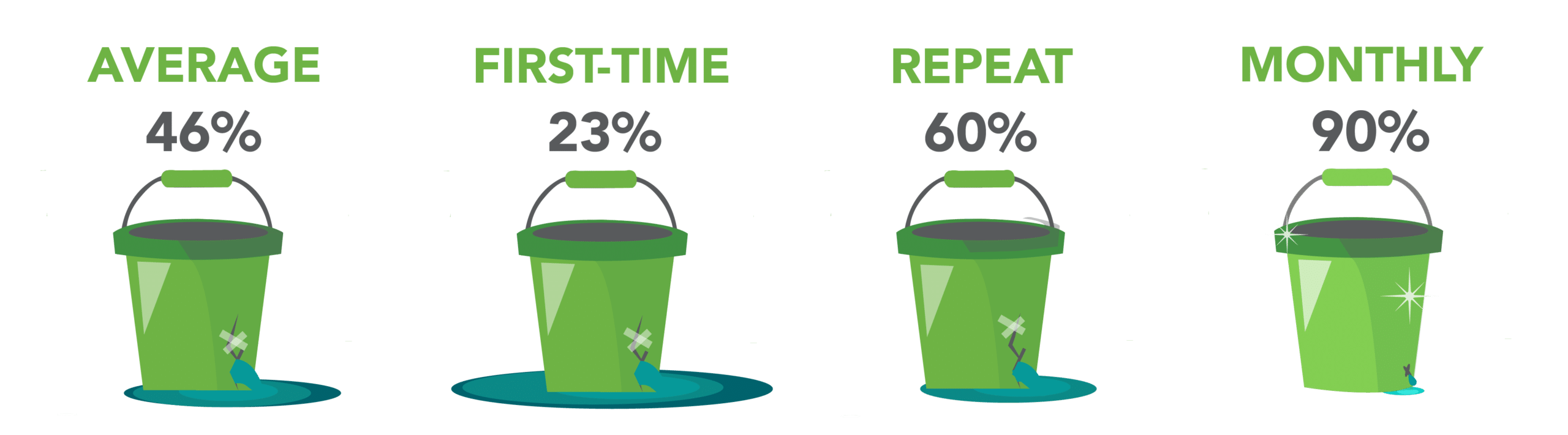
Monthly or recurring giving is a great way to raise more money and give you a constant stream of revenue throughout the year. More nonprofits are taking advantage of this. According to CauseVox, 54% of donors give through a sustainer (recurring) program, with 82% giving monthly.

Plus, monthly giving will raise your retention rate. According to the Fundraising Effectiveness Project, the retention rate for monthly donors is 90%. These donors are committed to your organization!

How to get started

If you don’t already have a monthly/recurring giving program, get one set one up before your next big appeal and let your donors know about it. While this post will focus on monthly giving, you should certainly give your donors other options for recurring giving, such as quarterly.

Setting up a monthly giving program will take a little work upfront, but will pay off in the end.  Mention it in your appeal letters and make it a prominent option on your donation page. How to Create a Monthly Giving Program for Your Nonprofit

Get donors on board

One way to get monthly donors is to ask your current donors to switch to monthly giving. Send targeted appeals to donors who have given at least twice. These donors have already shown you their commitment.

Let them know how much you appreciate their support and invite them to join your family of monthly donors. Show them how their $50 or $100 gift is helping you make a difference and how they can help even more with gifts of $5 or $10 a month. The 7 Steps to Launching a Monthly Giving Program at Your Non-Profit

Monthly donors get their own special appeal

If you already have monthly donors, send a special appeal just for them. Don’t send them a generic appeal that doesn’t recognize that they’re monthly donors. You should be personalizing and segmenting all your appeal letters, anyway.

Thank them for being a monthly donor and let them know you couldn’t do your work without their continued support. Politely ask monthly donors who’ve supported you for at least six months if they can upgrade their gift.

Keep in touch throughout the year

I donate monthly to a number of organizations and wrote about my experience earlier this year. Raise More Money With Monthly Gifts

Some organizations do a better job of communicating with their monthly donors than others. Be one that shows these donors how much you appreciate them.

Since your donors have committed to donating every month, show them the same courtesy by communicating with them at least once a month. You could send an e-mail update and at least a couple of updates by mail. Show your donors how they’re helping you make difference in your updates. Share a story or give specific examples.

A few ways I’ve seen organizations recognize their monthly donors are by giving them a special shout out in their newsletter, thanking them in their annual report, and inviting them to take a tour of the organization. Other ideas could include an open house, a thank you video, a thank you postcard, or a handwritten note. Whatever you do, keep in touch throughout the year and make your monthly donors feel special.

Take advantage of this opportunity to raise more money and boost your retention rate by starting or enhancing your monthly giving program.

More monthly giving resources.

Thank You 101

9235803926_3e5333ba5a_m

Many of you may be working on your year-end appeal, which is great, but have you given any thought to how you’ll thank your donors? Thanking your donors after an appeal (and throughout the year) is equally important, yet many organizations leave this as a last minute to-do item and it shows.

You can stand out by taking the time to give your donors a great thank you experience. In my last post, I wrote about Appeal Letter Writing 101. Now let’s continue to get back to basics with Thank You 101.

Start planning now

There are many ways to thank your donors after an appeal – by mail, phone, email, on your website, or a combination of those. Figure out what you’ll be able to do. I highly recommend a handwritten note or phone call. Can you do that for all your donors? If not, maybe you’ll break it down by new donors, long-time donors, or donors who have given a certain amount.

At the very least, your donors should get a letter, even if they’ve donated online. Whatever you decide, get started on the content now.

Make your donor’s day with a handwritten thank you note

I’m a big fan of handwritten thank you notes. They will stand out in your donor’s mailbox. How often do you get a handwritten card?  

Handwritten notes are great in many ways, but one advantage is you don’t have to write that much and it shouldn’t take too long. How to Write 3 Minute Thank You Notes

You could make thank you cards with an engaging photo or buy some nice thank you cards. Get together a team of board members, staff, and volunteers right after your appeal goes out and have a thank you party. Your donors will love it. Here’s a sample note.

Dear Lisa,

Thank you so much for upgrading your gift to $50. This will help us serve more students in our afterschool program. We’re so happy you’ve been a donor these past three years.

Phone calls make a difference, too

Another more personal way to thank your donors is with a phone call. Calling first-time donors is known to improve retention rates. But you could also call long-term donors to make them feel special.

Again, you want to get a team together for a thankathon. This is a great thing for your board to do. You may need to do a short training first. 6 Keys to Rock Thank You Calls and Retain More Donors Here’s a sample phone script.

Hi Steve, this Jennifer Collins and I’m a board member at Helping Hand. Thank you so much for your donation of $50 and welcome to our donor family. Your gift will help us purchase winter coats for homeless children.

Write an awesome letter

If it’s impossible to send handwritten notes or make phone calls, you can still impress your donors with an awesome thank you letter. Many thank you letters are mediocre at best, so you’ll have an advantage if you take some time to create a great, donor-centered letter.

This sounds obvious, but thank you letters are about thanking the donor. Don’t start your letter with On behalf of X organization. If you’re sending it on your letterhead, it should be apparent it’s coming from your organization. Instead, start your letter with Thank you or You just did something amazing.

You also don’t need to explain what your organization does. This is usually done in a braggy way by saying something like As you know, X organization has been doing great work in the community for 20 years. Someone who’s donated to your organization should already be familiar with what you do.

And my biggest pet peeve – Don’t ask for another gift in your thank you letter. You did that in your appeal letter. Nothing diminishes that feel good moment by being asked to give more money again so soon. Remember, you’re supposed to be thanking your donors.

You’ll notice the examples I gave above were personalized – welcoming new donors and recognizing previous gifts and upgrades. You need to do that, too. Send different letters to new donors, renewing donors, donors who’ve upgraded their gifts, and monthly donors. And you must address your donors by name – not Dear Friend.

Let your donors know how their gift is helping you make a difference. Include a brief story or example.

As with all writing, make your letter personal and conversational. Write to the donor using you much more than we, and leave out jargon and any other language your donors won’t understand.

A few other ways to make your letter stand out is to use a colored envelope or include a teaser that says Thank You!  If you can hand address the envelopes and include a handwritten note inside, that will help make it more personal.  You could also include an engaging photo in the letter.

Yes, you do need to include the tax-deductible information, but do that at the end after you wow your donors with your letter. It’s easiest to include this with the thank you letter or email. Then you don’t have to send it again unless your donor requests it.

How to Craft a Killer Thank You Letter

5 Thank You Letters Donors Will Love

Make a good impression with your thank you landing page

Many people donate online. Make this a good experience for your donors.

Your landing page is your first chance to say thank you and it’s usually about as exciting as a Home Depot receipt.

Open with Thank you, Kevin! or You’re amazing!  Include an engaging photo or video and a short, easy to understand description of how the donation will help the people you serve.

If you use a third-party giving site, you might be able to customize the landing page. If not, follow up with a personal thank you email message within 48 hours.

5 Thank You Page Best Practices for Any Nonprofit

The thank you email needs to impress your donors, too

Start off by putting Thank You! or You Just Did Something Incredible! in the subject line. This will make your message stand out in your donor’s ever-growing inbox.

Follow the examples above and make it all about gratitude. Just because your thank you email is automatically generated, doesn’t mean it needs to sound like it was written by a robot. Write something warm and personal.

Thanking a Donor by Email: Best Practices and Examples

Thank your donors as soon as possible

Show your donors how much you appreciate their gift by thanking them as soon as possible, within 48 hours if you can. You can do this if you have your thank letters/scripts and team ready to go before your appeal goes out. Then each day you get a donation, send out notes/letters or make phone calls. The highest volume will be right after your appeal goes out. Be ready!

I highly recommend putting together a thank you plan, which covers some of the things mentioned in this post as well as the equally important thanking your donors all year round.

Appeal Letter Writing 101


9705535524_3a72228701_z

September is here and you know that means. Yes, it’s year-end appeal season – the time many nonprofits rely on to raise a good chunk of their revenue.

While your donors will be receiving a multitude of appeal letters, many organizations seem to go on autopilot and send a generic, boring appeal.

You can make yours stand out by giving some thought to it. Let’s get back to basics with a little appeal letter writing 101.

Make a good first impression

First, you need to get your donors to open your letter. If you can’t get them to do that, then all your hard work has gone to waste.

Perhaps you’d like to include a teaser on the outer envelope. That doesn’t mean one that says 2017 Annual Appeal. Instead, say something like Learn how you can help the Stevens family find their own home.

You want to be both personal and professional. If hand addressing the envelopes isn’t feasible, make sure your mailing labels look clean, are error-free, and aren’t crooked. Use stamps if you can.

Create an inviting piece of mail.

Share a story

Start your letter with a compelling story. Focus on a person or family and not your organization. Your donors want to hear about the people they’re helping. For example, you could tell a story about the Stevens family and their struggle to find affordable housing.

Include a photo

Include an engaging color photo in your letter or on your pledge form. Photos can tell a story in an instant.

Here’s more information on creating stories and photos.

Connect With Your Donors by Telling Stories

Get Noticed in an Instant with a Visual Story

Next, comes the ask

Ask for a donation at the beginning of the next paragraph (after the story). Make sure it’s  prominent and clear. Also, ask your current donors if they can give a little more this year.

Phrase your ask like this – We’re so grateful for your previous gift of $50. Could you help us out a little more this time with a gift of $75?

If you’ve been doing a good job of engaging your donors throughout the year, they shouldn’t mind if you ask for a larger gift. Including the amount of your donor’s previous gift is helpful since people often don’t remember what they gave before.

Be donor-centered

Don’t make your letter all about your organization. Show how you’re making a difference and how much you appreciate your donor’s role in that. Make your donors feel good about supporting your nonprofit.

Share your success

Highlight a few accomplishments from the year and show how you plan to continue your good work with your donor’s help. Remember to stay donor-centered!

Get personal

Send different letters to people who have donated before and thank them for supporting you. You can also tailor letters to other groups such as monthly donors, lapsed donors, people on your mailing list who haven’t donated yet, event attendees, volunteers, and friends of board members.

Your appeal will stand out if you can personalize it. Make every effort to do this, especially for people who have given before. Go the extra mile for your donors, so they’ll continue to support you.

Your letter should also have a personal salutation and not be addressed to Dear Friend, which is really more like Dear Anonymous Stranger.

Make it easy for your donors

Include a return envelope with amounts to check off or an envelope and a pledge form. Show what each amount will fund. Do this on your donation page, too. Using Giving Levels to Drive Donations

Some donors may prefer to donate online. Direct them to a user-friendly donation page on your website. The Top 10 Most Effective Donation Form Optimizations You Can Make

Offer a monthly or recurring giving option

Monthly gifts can generate more revenue. Encourage your donors to give $10 or $20 a month. If they do, you’re getting gifts over $100 each! How to Create a Monthly Giving Program for Your Nonprofit

Your letter must be easy to read (or scan)

Use short paragraphs and bulleted lists, along with bold or color for key words, but keep it tasteful. Make it easy to read and scan. Most people won’t read your letter word for word. Use a simple font and 14-point type.

It’s fine to go over a page, especially if you’re breaking up the text with a photo and short paragraphs, but I wouldn’t go over four pages. You can also add a quote or short testimonial. These can be powerful and it helps break up the narrative.

Think of your letter as a conversation with a friend

Please skip the formalities. Use a conversational tone and keep out jargon like at-risk youth and underserved communities. Be specific and use everyday language. Refer to your reader as you and use you a lot more than we. How to Perform the “You” Test for Donor-Centered Communications – Do You Pass?

Too many editors spoil the appeal

Generally, the more people you involve in writing your letter, the worse it becomes. Fundraising Consultant Tom Ahern refers to this as letter writing by committee.

Your best writer should craft it and then turn it over to your best editor. Whoever signs the letter (your Executive Director?) can take a quick look at it, but don’t send it to a committee.

Besides weakening the content, involving more people takes extra time.

Final impressions matter, too

Repeat your ask at the end of the letter. Don’t forget to say please and thank you.

Be sure to add a PS. People often gravitate to the PS as they scan the letter, so include something that will capture their attention. Here you could emphasize monthly giving, ask if their company provides matching gifts, or thank them for being a donor.

Get your pens out

Include a short handwritten note, if you can. Make it relevant to each donor, such as thanking her for a previous donation or letting him know it was nice to see him at a recent event. Hand sign the letters in blue ink.

Are you ready?

Stand out with an appeal letter that will capture your donors’ attention and bring you the donations you need. Good luck!

Read on for more advice on writing a great appeal letter.

4 Ways to Spice Up Your Fall Fundraising Appeal

Fundraising Letter: How To Write A Compelling Appeal (+ Examples)

8 Steps to Writing Successful Fundraising Letters

8 Ways to Write a Better Fundraising Letter

Image by Howard Lake


How Nonprofit CRM Management Can Improve Donor Stewardship

1878022590_96e86c9b48_m

By John Killoran

If your organization is looking for ways to amp up your donor stewardship and build better relationships with supporters, look no further than your nonprofit Customer Relationship Management (CRM). That’s right! Your CRM is full of useful management tools that can aid you in cultivating donors.

Unfortunately, many of these features go unnoticed by nonprofits or aren’t used to their full potential. That’s why we’ve created a list of ways your CRM can help take your donor stewardship to the next level.

With the help of your nonprofit CRM, you can improve donor stewardship by:

  1. Tracking important donor data.
  2. Segmenting donors to personalize your outreach.
  3. Hosting more engaging fundraising events.
  4. Managing your membership program.
  5. Forming an effective follow-up strategy.

We’ll dive deeper into each topic to teach you how to use the wonderful CRM tools at your organization’s disposal. Let’s jump right in with the first tip!

Ann-Green_How-Can-CRM-Management-Improve-Donor-Stewardship_Heading-Image-1 (1)

1. Tracking Important Donor Data

At the core of any CRM is the ability to track and record important information about your donors. CRM software can pull together information from all your integrated fundraising tools and record the information into detailed donor profiles.

With information on every constituent in a centralized location, you’ll have a full picture of your supporters along with information on their passions, contact information, involvement in your organization, and much more.

This information can be valuable at every stage of the stewardship process, including when you’re:

  • Welcoming new donors to your nonprofit family. If you already have information about your new donors, use that to your advantage to suggest other ways for them to get involved in your organization.
  • Encouraging supporters to join your membership program. Using what you know about your supporters, you can promote the membership perks that will appeal to them the most.
  • Asking donors to volunteer. Your donor profiles have useful information on your supporters’ geographic location and history with your organization that can be used to motivate them to volunteer at an upcoming event.

In addition to basic information—names, contact information, giving history, etc.—most CRMs allow nonprofits to create custom fields where they can record information that’s specific to their nonprofit’s needs.

For example, if you run a local animal shelter, knowing whether your donors are pet owners may be a valuable piece of information to have, whereas, for a cancer research organization, it will be important to know whether your supporters are cancer survivors or know a loved one battling cancer.

Moreover, if you’re missing crucial constituent data, you can use prospect research to fill in some of the gaps in your donor profiles like occupation, other philanthropic involvement, and much more.  

Keeping a record of your donors’ details will come in handy as we discuss the other ways CRMs can improve donor stewardship. Therefore, it’s crucial that your data is up-to-date and accurate.

Nonprofits can achieve this by “spring cleaning” their donor database annually to catch and correct any mistakes in your data.

Final thought: Have a record of all the information you collect in the form of donor profiles so that you can use that information to build connections with supporters.  

Ann-Green_How-Can-CRM-Management-Improve-Donor-Stewardship_Heading-Image-2

2. Segmenting Donors To Personalize Your Outreach

Developing genuine relationships with donors is the best way to retain their support. Communicating with supporters is about more than just updating them on various fundraising events or asking for donations; it’s about appealing to your donors’ interests as well.

Think about it this way: by targeting your donors’ interests and passions, you’ll have a better chance of getting a response and engaging your supporters.

With so many donors to track, how do you create more personalized communications?

The simple answer is through your donor management system. If your nonprofit CRM doesn’t have a built-in donor database, Double the Donation has a list of donor management software your organization can use.

Use donor management software to segment your donors into groups based on their:

  • Geographic location.
  • Giving history.
  • Preferred donation method.
  • Hobbies and interests.
  • Donor status (i.e. first-time, recurring, or major gift donor).
  • And so much more!

Dividing your donors into specific categories will help you tailor your communications to a particular group of individuals.

For instance, if you’re hosting a fundraising event, you may only want to promote it to donors who can realistically attend. As such, you might segment your donors by location and only send out information about your event to those who live nearby.

Alternatively, if you’re hosting a peer-to-peer fundraising event, you might want to reach out to your recurring donors first to ask if they want to participate. Since they give to your nonprofit on a regular basis, they may be looking for other ways to get involved in your mission.

When you provide donors with content that is valuable—whether it be based on their interests or location—donors are more likely to read and respond to what you have to say.

Final thought: Segmenting your donors is a great way to tailor your communications to provide content that they will appreciate the most.

Ann-Green_How-Can-CRM-Management-Improve-Donor-Stewardship_Heading-Image-3

3. Hosting More Engaging Fundraising Events

A huge step in the stewardship process is showing donors that you value their support — not just their donations.

The only way to develop genuine relationships, after all, is by engaging with donors and not always asking for money.

Events, especially ones that require supporter involvement, offer organizations the perfect opportunity to celebrate their donors and get to know them a little better.

Peer-to-peer fundraising is the perfect fundraising event to retain your donors’ support. Plus, many nonprofit CRMs come with additional modules that can assist in the planning and running of your fundraising event.

Peer-to-peer fundraising is when your supporters fundraise on your behalf by asking their friends and family to contribute to your cause. Not only does it give your loyal donors a way to advocate for your cause, but it’s the perfect event to gain new followers.

If you’re searching for a thorough look at peer-to-peer fundraising, BidPal has a complete guide that covers the ins and outs of this online fundraiser.

When donors campaign for your nonprofit and share their reasons for supporting your mission with loved ones, the process can revitalize your supporters passion for your cause.

Additionally, it gives them a way to support your cause that doesn’t require any monetary donations: all you need from your supporters is their time and motivation!

With the help of your CRM software, you can create an engaging peer-to-peer fundraiser with features like:

  • Leaderboards and badges. Add a little friendly competition into the mix with leaderboards and badges. This will motivate your supporters and keep them engaged throughout your event.
  • Fundraising thermometers. Let participants know how far they’ve come with thermometers that update to display the amount of funds each participant has raised.
  • Enhanced communications. Send out additional resources to your participants so that they’re well equipped to ask for donations. Keeping your supporters up-to-date is also a great way to interact with them and answer questions.

Final thought: With the help of your nonprofit CRM, you can create fundraising events that will engage your donors and help them develop closer bonds with your organization.

Ann-Green_How-Can-CRM-Management-Improve-Donor-Stewardship_Heading-Image-4

4. Managing Your Membership Program

We mentioned membership programs earlier in this post —  and with good reason. Membership programs are an effective way to raise more money, but most importantly, they can be used to help retain supporters.

Membership programs can enhance involvement within a nonprofit organization by offering special perks. These perks might include things like free tickets to fundraising events, updates on projects before anyone else, and much more.

To become a member, donors will contribute a monthly or annual donation in the form of membership fees.

Many nonprofit CRMs come with built-in tools to help your organization manage a membership program by:

  • Building a website for your membership program.
  • Tracking membership fee collection.
  • Creating and automating program communication.
  • Managing perks and benefits.

These factors will help you create a membership program that donors want to participate in. Tasks like renewing memberships will be easy for donors to complete and you’ll be able to stay on top of membership outreach.  

Final thought: Membership programs can be a great asset to your organization, especially if you’re trying to boost your donor stewardship. Use the tools available in your nonprofit CRM to help you manage your program.

Ann-Green_How-Can-CRM-Management-Improve-Donor-Stewardship_Heading-Image-5

5. Forming An Effective Follow-Up Strategy

Following up with donors is crucial to your stewardship strategy because it allows you to thank donors after they’ve contributed to your cause and provide them with additional ways to stay engaged with your nonprofit.

Many nonprofit CRMs come with tools like email automation, reminders, and tracking metrics to help you craft the perfect follow-up communications. On the other hand, there is plenty of free nonprofit software that may integrate with your CRM.

Let’s go back to segmenting your donors for a second. Knowing which donors contributed to your organization for the first time will be valuable information to know when creating a follow-up strategy.

If a donor is contributing for the first time, you might send additional information along with your acknowledgment letter to welcome them to your organization’s family. For instance, you could send them:

  • A welcome packet with more information on your organization’s history and mission.
  • Links to your social media accounts so that donors can interact with your organization on different channels.
  • Details about any upcoming fundraising events.

This information will have much more value to a first-time donor than to someone who has been contributing to your organization for years.

Alternatively, a donor that has given to your organization multiple times might find more value in learning about your recurring gift options or joining your membership program.

With your CRM, you should be able to set reminders to notify staff when they should send out follow-up emails or letters. Additionally, you can set up automated emails that will go out after a donor completes a specific action like donating on your mobile giving form.

As you may know, following up with donors is the first step in the stewardship process and first impressions matter! Put your best foot forward and engage with donors in a timely and effective manner.

Final thought: Software can help you perfect your follow-up communications. Use features like email automation and segmenting donors to create a great first impression.

With so many ways to boost your donor stewardship, CRMs are more than just data tracking tools. Use your nonprofit CRM to its full advantage to reap the benefits of long-lasting donor relationships!

John Killoran

John Killoran is CEO of @Pay, an exciting new fundraising technology that makes it easy for people to donate in two clicks from text, email, web and social media sites.  John pioneered SMTP payments and has been a major innovator in the mobile payments space for the past 5 years. When he is not running a company, he is cooking food for his family and telling his dogs to stop barking.
Build Relationships With Your Donors by Having an Open House

15220721764_23f9286c6e_m

Building relationships with your donors is a year-round effort. There are many ways to build relationships. One that’s more personal is having an open house at your organization. If you can’t hold one on site, have it at a restaurant or other venue. You may be able to find someone to donate space.

Invite other supporters, too

You could just have an event for donors, but why not invite other supporters such as event attendees, email subscribers, and social media followers, as well? This could be a great way to convert these supporters into donors. Encourage your donors to bring a friend.

Coordinate it with your year-end appeal

Depending on your resources, you may only be able to hold one open house a year. If you can hold more, that’s great.

A good time to have your open house is before you launch your year-end appeal so you could hold one sometime between mid-September and early November.

Another option is spring if you have an appeal then, or you could make it a thank you event.  

Winter is tricky unless you’re fortunate to live someplace where it doesn’t snow. And summer’s not good since most people go away on vacation.

Whenever you decide to hold your open house, don’t ask for money at this event.

Keep it informal

No three-course dinners and speeches that are a cure for insomnia. Hold a gathering where your supporters can drop in after work, and serve something to eat and drink. You may be able to get food and beverages donated or find a sponsor.

Have a brief program. You could show a video and/or let a client share his/her story. Your executive director or board chair should thank your guests and share some accomplishments and plans for the future. Again, keep it brief. You don’t want anyone looking for a way to escape.

Create some photo displays and have literature available. You could also show a video on a laptop. Offer tours, if that makes sense.

Speaking of tours, you could offer them at other times, too. After I became a monthly donor, one organization invited me to arrange a tour.

How to Engage Donors with a Tour

7 Tips to Create an Amazing Donor Cultivation Tour

Get your board involved

You must have a good turnout from your board. Encourage board members to invite friends and other potential prospects.

Make everyone feel welcome

Don’t hide in the corner or spend all your time talking to your co-workers. Your staff and board need to mingle with your guests and make them feel welcome.

You may want to go over your organization’s talking points and brush up on your elevator pitches so everyone is prepared to talk about what you do and answer questions. And that doesn’t mean reciting your mission statement.

Create a Stellar Elevator Pitch for Your Nonprofit Organization

How to Get Everyone in your Organization on the Same Page

Don’t forget about the follow-up

Anyone who has taken time out of her/his busy schedule to attend your open house needs to be showered with love. Nonprofits tend to do a poor job of following up after an event and miss out on a great opportunity to build relationships.

Collect names and addresses of people who attended and send a thank you note right away. This is a good project for your board. Don’t ask for money (that comes later).

When you do send your next appeal, include a sentence that says, “It was great to see you at our open house.”

Not all your donors will attend your open house but will appreciate the invitation. Donors and other supporters who do come are showing you they’re interested in your organization. Keep them interested and keep building relationships with them! This will help ensure they’ll continue to support you.

The Importance of Building Relationships

8006853151_5881bfe507_m

One of the most important things nonprofit organizations need to do is build relationships with their donors. Building relationships should be front and center in everything you do. Here are some ways you can incorporate building relationships in every aspect of your work.

Appeal letters aren’t just about raising money

You may think the primary purpose of an appeal letter is to raise money, but building relationships is just as important.

Before your next fundraising appeal, send your donors an update to let them know how they’re helping you make a difference. This is especially important if you do more than one fundraising campaign a year. You don’t want your donors to think the only time they hear from you is when you’re asking for money.

Don’t send the same appeal to everyone on your mailing list. It’s crucial that you segment your donors and personalize your appeal letters. What is your relationship with these people? Maybe they’ve given once or many times. Perhaps they’re event attendees, volunteers, e-newsletter subscribers, or friends of board members. Mention your relationship in your appeal letter. For example, thank a long-term donor for supporting you these past five years.

Let your donors know how much you appreciate them

Your focus on building relationships continues when you thank your donors. Send a handwritten note or make a phone call if you can.

Send welcome packets to your new donors. Let them know how much you appreciate this new relationship. If you don’t, it’s likely to be a short-term relationship.

Be sure to also shower your current donors with love to keep your relationship going.

Don’t miss out on opportunities to build relationships with your event attendees

I’m amazed how many organizations fail to establish a relationship when they hold an event. First, give your attendees an opportunity to sign up for your mailing list. Next, call or send thank you notes afterwards.

Besides thanking people for attending your event, let them know how much money you raised, and share specific ways their support is helping you make a difference. Then invite these supporters to connect in other ways such as signing up to receive your newsletter or volunteering.

The same thing applies if you hold a charity run or walkathon. These events often generate new donors. Someone might donate to your 10K because her friend is running in it. Thank everyone who donated and invite them to be a part of your community.

Turn a giving day into a relationship building day

My main objection to giving days, such as GivingTuesday, is they focus so much on asking. Instead of being part of the relentless begging, send a donor-centered appeal followed by a heartfelt thank you, new donor welcome packets, and an invitation to connect with you in other ways.

Relationship building is a year-round effort

It’s easier to stay focused on donors when you’re sending an appeal or thank you, but this is just the beginning. Many organizations seem to go on communication hiatus at certain times of the year, and you don’t want to do that.

Ideally, you should keep in touch with your donors every one to two weeks. You can do this with newsletters, updates, thank you messages, advocacy alerts, and surveys. You’ll have a better chance of building relationships if you keep your messages donor-centered and use channels your donors prefer.

Staying focused on building relationships will help you with your donor retention because you want donors who will support you for a long time.

Giving is Up. Donor Retention is Down. What to Do?

Why Your Donor Will Give Again  


Make a Smart Investment

4622769282_03b9ffa37f_m

Many nonprofits, especially small ones, are working with limited resources (money, staff, time). I know how hard that is and your default mode may be to say we can’t afford to do this.  

Be careful. What are you saying you can’t afford to do? It may be something you should be doing.

Here are a couple of areas you may be neglecting that I believe you can’t afford not to invest in. You’ll need to spend some money up front, but it will pay off in the long run.

Invest in a good database

If you’re using Excel instead of a database because it’s free, stop doing that. A spreadsheet is not a database. Your Worst Fundraising Enemy

A good database won’t be free, but there are affordable options for small organizations. Compare Non-Profit Software  You don’t want to limit yourself by choosing a database that can only hold a certain number of records or can only be used on one computer because you don’t want to pay for additional licenses.

A good database can help you raise more money. You can segment your donors by amount and politely ask them to give a little more in your next appeal – $35 or $50 instead of $25.

A good database can help you with retention, which will save you money since it costs less to keep donors than to acquire new ones. You can personalize your letters and email messages. No more Dear Friend. You can welcome new donors and thank donors for their previous support. You can send targeted mailings to lapsed donors to try to woo them back. You can record any personal information, such as conversations you had with a donor and their areas of interest.

Don’t cut corners when it comes to your donor data. You can’t afford to do that.

Invest in direct mail

If you never or rarely use direct mail, you’re missing out on an effective and more personal way to communicate with your donors. Think of the immense amount of email and social media posts you receive as opposed to postal mail. Your donors will be more likely to see your messages if you send them by mail.

If money is tight, you don’t have to mail that often. Quality is more important than quantity but aim for at least four times a year.

Put some thought into what you send. Some ideas, besides appeal letters, include thank you cards; Thanksgiving, holiday, or Valentine’s Day cards; infographic postcards; and two to four-page newsletters and annual/progress reports. Make everything donor-centered like the examples in this post. Your Donors Are Your Partners  You could put a donation envelope in your newsletter to raise some additional revenue, but don’t put one in a thank you or holiday card.

Shorter is better. Lengthy communication will cost more and your donors are less likely to read it.

A few ways you can use direct mail without breaking your budget are to clean up your mailing lists to avoid costly duplicate mailings, spread thank you mailings throughout the year – perhaps to a small number of donors each month, and look into special nonprofit mailing rates. You may also be able to get print materials done pro bono or do them in-house, as long as they look professional.

Of course, you can use email and social media, but your primary reason for communicating that way shouldn’t be because it’s cheaper. It should be because that’s what your donors use. If your donors prefer to communicate by mail, then you should too.

Invest in donor communications

Here’s some great wisdom from Tom Ahern If you do better donor-communications, you’ll have more money  This means thanking your donors and keeping in touch with them throughout the year.

Communication budgets often get the short shrift but creating thank you cards and infographic postcards are a smart investment. Perhaps you need to reallocate your budget to cover some of these expenses. You could also look into additional sources of unrestricted funding.

If you think you don’t have enough time or staff to send thank you cards, then call up your thank you army, which can include board members, volunteers, and all staff.

Don’t limit yourself by saying you can’t afford to do something important. If you invest in a good database, direct mail, and donor communications, you should be able to raise more money.


Can Your Organization Pass the Donor-Centered Test?

3636017744_11ca3c37f5_m

I recently received a newsletter from an organization that focused mainly on themselves, then their clients, and then barely mentioned their donors. There’s no question this organization does good work, but their newsletter failed the donor-centered test. Unfortunately, they’re not the only guilty culprits.

The term donor-centered is pretty self-explanatory. It means focusing on your donors’ needs and interests, acknowledging them in your letters and other communication, and taking into account that not all donors are the same.

Can your organization pass the donor-centered test? Take a few minutes to find out.

Fundraising Appeals

  • Are your fundraising appeals focused too much on your organization – rambling on about how great you are?  Your organization may be great, but let your donors figure that out. Your donors are the ones who are great, and they want to hear how they can help you make a difference for the people/community you serve.
  • Are your appeals segmented to the appropriate audience? Thank past donors or reference your relationship to a potential donor. Maybe they’re event attendees, volunteers, or friends of board members.
  • Are your appeals addressed to a person and not Dear Friend?
  • Are your appeals vague, impersonal, and filled with jargon your donors won’t understand?  Don’t say we’re helping underserved members of the community. A donor-centered appeal would say something like – With your support, we can help low-income families find affordable housing.
  • Do your appeals make people feel good about donating to your organization?

Thank you letters

  • Do your thank you letters come across as transactional and resemble a receipt? Yes, you need to acknowledge the donation is tax deductible, etc, but most donors are more concerned about how their gift made a difference.
  • Do your thank you letters (or better yet, a handwritten note) shower your donors with love?  Start your letter with You’re amazing or Thanks to You!, and not On behalf of X organization.
  • Are you telling your donors the impact of their gift?  For example – Thanks to your generous donation of $50, a local family can get a box of groceries at the Southside Community Food Bank.
  • Do you recognize each donor?  Is this the first time someone has donated?  If someone donated before, did she increase her gift?  Acknowledge this in your letter/note.

Newsletters

  • Do your newsletters sound self-promotional and focus on all the wonderful things your organization is doing instead of showing your donors how they’re helping you make a difference?
  • Is your newsletter written in the second person?  Write to the donor and use the word you more often than we. How to Perform the “You” Test for Donor-Centered Communications – Do You Pass?  BTW, all your donor communication should be written in the second person. It’s much more personal.
  • Does your newsletter include success stories, engaging photos, and other content your donors want you to share?
  • Are you using the right channels?  Perhaps you only send an e-newsletter, but some of your donors prefer print.
  • Are you showing gratitude to your donors in your newsletter?

Always think of your donors first

Use these test questions on other donor communication such as annual reports (these are rarely donor-centered), your website, and social media posts.

How did you do?

Be sure the messages you send to your donors focuses on them and makes them feel special. Staying donor-centered can help you build relationships and keep your retention rate from plummeting.

Read on for more information on how to be donor-centered.

A donor-centered organization, your donors, & relationship building

How to Create a Donor-Centered Fundraising Letter


Where Did All Our Donors Go?

2200500024_e93db99b61_m-1

The ACLU saw a record number of donations come in right after the Trump administration enacted its travel ban. This spawned a discussion on the Nonprofit Happy Hour Facebook page in which someone wondered if these would be one-time donations. That’s a good question since donor retention rates are declining again. New Study Shows Donor Retention Rates Are In Decline

Yikes! This should not be happening. I hope your organization isn’t hemorrhaging donors. If you’re not sure, then you need to figure out your retention rate to see how you’re doing. A Guide to Donor Retention

Donors stop giving to organizations for a variety of reasons. Some you can’t control, such as their financial situation, but many you can, such as how you communicate with them.

If you’re wondering where did all our donors go, here are some ways to get them back or prevent them from leaving in the first place.

Reach out to your lapsed donors

Did you have a number of donors who gave in the past, but didn’t this year?  Reach out to people who haven’t donated in the last two years by phone or personalized letter.  Let them know how much you appreciate their support, that you miss them, and you want them back. Some people may have been busy in December and didn’t have time to respond to your appeals.

Personalization is the key. Don’t send some generic appeal. That’s why I recommend mail or phone, although you could follow up by email.  

Reaching out to lapsed donors could be a good way to make up for lost revenue, Disappointing year-end campaign results? Here’s how to recover.

Show your donors how you’re making a difference

As a new monthly donor to the ACLU, my response to their court petitions was, my money is going to good use. This is what you want to show your donors. The ACLU was lucky that they were able to show results on such a grand scale, but that doesn’t mean you can’t show your donors how you’re making a difference, too. A recent newsletter from a local organization whose mission is to end homelessness shows how they’re helping people “find their road home.”

Welcome new donors and keep showing the love

According to the latest Fundraising Effectiveness Project results, new donor retention is an abysmal 23%. We spend so much time trying to get people to donate and then think our work is done, when in fact in has only just begun. Your Appeal is Just The Beginning

If you haven’t already done this, send your new donors a welcome package by mail or email. But keep showing the love to all your donors

You want as many donors as possible to give again, preferably at a higher level. This won’t happen if you don’t stay in touch throughout the year.

Break through the noise.

There’s a lot going on right now. We all get so many email messages and social media posts it’s enough to make you want to turn off your computer or put your phone away.

Don’t be part of the noise. When you communicate with your donors, make it good. It’s not enough just to send a donor newsletter or post a social media update. Show gratitude and share engaging updates.

To get noticed, aim for shorter more frequent content. Send email once a week and social media posts a few times a day. Don’t forget to reach out by mail, too. But most important, share stories and updates your donors will want to read.

Shifting priorities

Social justice organizations are seeing a huge increase in donations right now. I donated to many more nonprofits at the end of the year, but still supported the ones I had in past years. Some people might not be able to do that.

Your organization may be seeing a decline in donations because of this. That means you need to work harder to keep your donors. If you follow the advice above, you’ll have a better chance of keeping your donors for a long time.

Read on for more on declining retention rates. What are the Obstacles to Improving Donor-Retention Rates?