Connect With Your Donors by Sending Them a Postcard

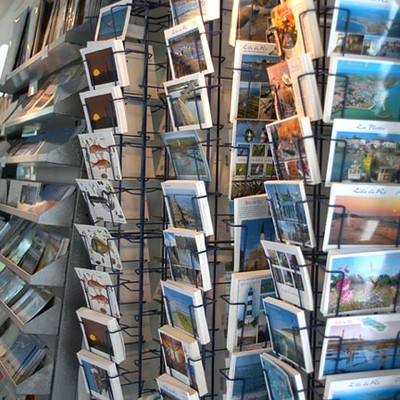
Some of you may remember when people sent postcards when they went on vacation, especially back in the days before email and social media. Now people are more likely to post pictures on social media, sometimes posting more than you want to see. 

We don’t use postal mail as much anymore and many nonprofits are a part of that group. This is a mistake. Direct mail is more personal and your donors are more likely to see something they receive in the mail, as opposed to any type of electronic message you send. Plus, people never get nearly as much mail as they do email and social media messages. Electronic communication is good, but communicating by mail is better.

I’m a big fan of communicating by mail and believe nonprofits should communicate by mail more often than they do. Now you might say – “But mail is too expensive. So is printing something. We have a small staff and barely have time to get anything done.” I understand all that. I know direct mail can be expensive and putting together a mailing takes more time, but it’s an investment that can help you raise more money.

One way to mail that shouldn’t cost too much is to use postcards. First, you can probably do them in house. Also, if you do it well, it’s a quick, easy way to capture your donor’s attention right away. Creating a postcard will be less expensive than something like a four-page newsletter or impact report. Donors have a lot going on and don’t want to be bombarded with too much information. 

Direct mail is a proven way to communicate and engage. I encourage you to give postcards a try. Landscaping companies, realtors, and political candidates all use postcards, and so should you. With summer coming up (yea!), it’s a great way to stay in touch, and maybe even brighten your donor’s day. Here are a few ways you can engage with your donors by using postcards.

Say thank you

Never miss an opportunity to thank your donors and a quick, easy way to show gratitude is with a postcard.

Create a postcard with a thank you photo, image, or word cloud. The best option is to create a card with enough space so you can include a handwritten note. If that’s not possible, then create one with a pre-printed message.

Let your donors know how their gifts are helping you make a difference for your clients/community and that you can’t do your work without them. 

Send a thank you postcard between one of your fundraising campaigns, so your donors know you’re thinking about them. Another idea is to send one as a warm-up before a campaign.

Ideally, you should be thanking your donors at least once a month. Many organizations don’t mail any type of thank you card, so you’ll stand out if you do.

Share an update

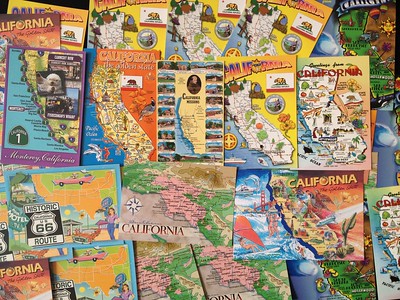
A postcard can be a good way to share an update with your donors. You could make an infographic to give them a quick glance at some of your progress. Some organizations use oversized postcards for their impact/annual report

Some infographics just show a bunch of numbers, and numbers don’t mean that much without knowing why something is important. For example, instead of just listing the number of people visiting your food pantry, let your donors know you’re seeing higher numbers because families are having trouble making ends meet since groceries are so expensive.

Other ways to use postcards

You could send a postcard wishing your donors a Happy Thanksgiving or Happy Holidays. Another option is a donor’s anniversary or their birthday, if you keep track of that.

You can also use a postcard for fundraising. While not as effective as a direct mail package (letter, reply envelope, etc.), it can be used as a heads-up for a campaign or a reminder. You could include a QR code and a website link so your donors can easily make a gift or get more information.

Postcards are good for a Save the Date for an event. You could also use one for an informal event.

What to keep in mind

Your postcard needs to capture your donor’s attention right away. It needs to be visual and not include a lot of text (but not just numbers). The text you do include needs to be engaging, conversational, and donor-centered. Examples could include Thank You, Because of you, or Look what you helped us do. Don’t be afraid to get a little creative by using shaped printing

Yes, communicating by mail costs more, but it can pay off if you create something more personal that your donors will see. Whether you’re saying thank you, sharing an update, or a combination of both, connect with your donors by sending them a postcard.

Why Ask Why?

As you work on your nonprofit messages, remember the word why. Why, you ask? Because a lot of nonprofit communication doesn’t focus on why something is important. There’s usually a lot of what and how, but not much why.

The typical fundraising letter and newsletter article rambles on about accomplishments without explaining why something matters. Some organizations also like to pour on the statistics. These numbers don’t mean much without more information.

You need to dig deep into why something is important. Imagine you’re a four-year-old who keeps asking, “But why?” over and over again.

Why is what you do important?

Here’s something you might see in a newsletter or impact report.

We expanded our tutoring program to four more high schools.

Okay, but why is that important?

To serve more students.

That’s good, but why is that important?

After six months of weekly tutoring sessions, 85% of the students in our program have improved their math skills, as well as their grades. Many of these students fell behind during remote learning and are still struggling to catch up.

There you go. Tell your donors about the impact you’re making. This is especially important during this time of economic uncertainty. You want to emphasize the importance of your work.

Why should someone donate to your organization?

Do your appeals focus on why it’s important to donate to your organization? Instead of saying something generic like please donate to our year-end appeal, tell a story emphasizing why someone should donate to your nonprofit.

Jason, a 10th grader at Porter High School, can’t stand algebra. It just doesn’t make sense to him. He’s always had trouble with math and fell behind during remote learning. He was still struggling to catch up and afraid he’d have to take that horrible class again. 

Then Jason started weekly tutoring sessions with Brian, a volunteer tutor. It was difficult at first, but thanks to Brian’s patience and guidance, Jason got a B on his last test. 

Many other students fell behind during remote learning and could use a tutor. After six months of weekly tutoring sessions, 85% of the students in our program have improved their math skills. With your help, we can expand our program to serve more students in more schools.

Again, focus on why.

Why is your donor’s gift valuable?

When you thank your donors, do you tell them why their gift is valuable? Give a specific example.

Thank you so much for your generous gift of $50. This will help cover the expenses of our one-to-one weekly tutoring sessions. After six months of these tutoring sessions, 85% of the students in our program have improved their math skills. This is crucial since many of these students fell behind during remote learning and are still struggling to catch up.

It’s all about the why.

Why are you sharing this information?

When you write a newsletter article or something for an impact report, why are you including that information? Will this be something of interest to your donors? If it’s focused too much on your organization and sounds like you’re bragging, then probably not. 

Your donors want information that lets them know how they’re helping you make a difference and why that’s important. Sharing stories is a great way to do that.

Why do you appreciate your donors?

Finally, do your donors know why you appreciate them? You need to tell them this again and again.

Thank you so much for doing your part in helping high school students boost their math skills. We couldn’t do this without you.

Always remember to focus on why.

Remember These Four Words – Ask, Thank, Report, Repeat 

It’s important for you to remember these four words – Ask, Thank, Report, Repeat If your nonprofit follows this fundraising formula, you should be more successful. 

Many organizations just practice Ask, Ask, Ask. If that’s what you’re doing, are you raising the money you need? Because what’s most important is to thank and report before you ask for another donation. Going a step further, fundraising expert Penelope Burk recommends seven touches before asking for another gift.

Of course, formulas are good in theory, but you can’t just go through the motions. Some organizations practice Ask, Bore, Brag. If you do it well, the Ask, Thank, Report, Repeat formula can help you raise more money, build relationships, and boost your retention rate.
Asking for donations is not all or nothing

Many nonprofit organizations spend a lot of time asking and not that much on thanking and reporting.

At certain times of the year, such as GivingTuesday and year-end, nonprofits blast donors with a bunch of generic appeals. Other organizations are skittish about asking for money. They might bury the ask in the appeal or think donors don’t want to give during uncertain times, such as when there are proposed cuts in federal funding or a recession (absolutely not true). Donors often step up during times of uncertainty, if they can.

A good fundraising appeal starts with a story followed by a clear, prominent ask. You’ll want to repeat your ask at least once more in the appeal. Make sure you include that first ask right away.  Many people don’t read the end of the appeal. One exception to this is the P.S., which you should include.

Your fundraising appeal shouldn’t focus too much on your organization – rambling on about how great you are. Your organization may be great, but let your donors figure that out. Your donors are the ones who are great and they want to hear how they can help you make a difference for your clients/community.

Segment your appeal to the appropriate audience. Thank past donors or reference your relationship to a potential donor. Maybe they’re event attendees, volunteers, or friends of board members.

Address your appeal to a person and not Dear Friend.

Don’t use jargon or other language your donors won’t understand. Instead of saying we’re helping at-risk youth, say something like – With your support, our tutoring program can help more students graduate from high school on time. 

Your appeal should make people feel good about donating to your organization. Think of fundraising as the start or continuation of a relationship, not a transaction.

You can and should also thank and update/report back to your donors in your appeal.

Thanking your donors is all about thanking your donors

Your thank you letters/emails/handwritten notes need to be all about thanking your donors. Sounds obvious, right, but many thank you letters don’t do a great job of saying thank you.

First, your thank you letter (or better yet, a handwritten note) needs to open with something like You’re amazing! or Thanks to You! and not On behalf of X organization.

It shouldn’t come across as transactional and resemble a receipt. This is one of my biggest pet peeves. Yes, you need to acknowledge the donation is tax-deductible, etc, but most donors are more concerned about how their gift made a difference.

You also don’t need to explain what your organization does or ask for another gift. Remember, this is the thanking phase.

Let your donors know the impact of their gift. For example – Thanks to your generous donation of $50, a family can get a box of groceries at the Westside Community Food Pantry. This is crucial since we’re seeing more people coming in due to rising food prices.

Address your thank you letter to a person and not Dear Friend.

Recognize each donor. Is this the first time someone has donated? If someone donated before, did she increase her gift? Acknowledge this in your letter/note.

While you shouldn’t ask for a donation in a thank you letter, you can provide an update.

Let your donors know the impact of their gifts

The most common way to report back or update donors is with a newsletter. These can be print, electronic, or a combination of both. You should definitely thank your donors in your newsletters and other updates. You can also ask for a donation. Many organizations put a donation envelope in their print newsletter and it’s a good way to raise additional revenue. It’s less successful in an e-newsletter. If you include too many calls to action in an email message, sometimes donors don’t respond to any of them. Also, if you do include an ask in your newsletter, make sure some of your other updates don’t include a donation request.

Your newsletter shouldn’t sound self-promotional and focus on all the wonderful things your organization is doing. Donors want to see the impact of their gifts, not hear you brag. Share at least one story. Client stories are best. Use phrases like Because of you and Thanks to donors like you. In addition, include engaging photos and other content your donors would like to see.

Another way to update your donors is with an impact report. I like that term better than annual report. You can also do one of these more than once a year. Shorter, more frequent updates are better than one of those long, boring traditional annual reports. Be sure to focus on how your donors helped you make a difference. I’m not a fan of asking for a donation in an impact report, but you will want to pour on the gratitude. 

Something else you can do is send a Donor Care Letter. It’s a way to share updates without putting together an actual newsletter. I always like to recommend engaging by mail. If you’re worried about costs, reach out with a postcard. You can and should also send frequent updates by email and social media.

Repeat this throughout the year

The key word here is repeat. Be sure to follow the Ask, Thank, Report, Repeat formula throughout the year. Most likely, you’ll need to do more thanking and reporting than you’re doing right now. Try to stay in touch with your donors at least once a month. A communications calendar can help you with this.

Remember, the Ask, Thank, Report, Repeat formula should help you raise more money, build relationships, and boost your retention rate. The Better Fundraising Co. refers to this as the Virtuous Circle.
How to Create an Engaging Nonprofit Impact Report

Is your nonprofit still producing one of those multi-page “annual reports”?  If so, why? Anything that’s more than four pages is too long. Besides that, they’re often boring, they focus too much on the organization and not on the donors, they require a lot of time and effort from staff, and there’s no guarantee donors will even look at them.

Now you have a dilemma. Organizations need to share accomplishments and show gratitude to their donors, but is the “annual report” the best way to do that? 

First, let’s stop calling it an annual report and call it an impact or gratitude report instead. Plus, sharing accomplishments and showing gratitude is something you can do more than once a year (more on that below). In this post, I’ll use the term impact report (but don’t forget about gratitude). I’ve also seen organizations use the term Donor Impact Report, which I like.

However, renaming it is just the first step. If you’re still creating one of those long, boring booklets, you’re not making much of an improvement.

It’s possible to make this a better experience for both donors and nonprofit organizations. Here’s how.

You don’t have to do an “annual report”

Nonprofit organizations aren’t required to do an annual report. This doesn’t let you off the hook for sharing accomplishments with your donors. You could send short impact reports a couple of times a year. This makes a lot of sense if taking on a big report sounds too overwhelming. Shorter, more frequent updates are better for your donors, too.

If you decide to do a report once a year, I encourage you to move away from the traditional multi-page one. Aim for something no longer than four pages. Bigger isn’t always better.

Your impact report is for your donors

Keep your donors in mind when you create your impact report and include information you know will interest them. Also, donors have a lot going on, so that’s another reason not to create a huge report they may or may not read. 

You might want to consider different types of impact reports for different donor groups. You could send an oversized postcard with photos and infographics or a one-to-two-page report to most of your donors. Your grant and corporate funders might want more detail, but not 20 pages. See if you can impress them with no more than four pages.

Keep in mind that the human attention span is about eight seconds. Granted, most of us can stay focused longer than that, but your impact report is competing with other pieces of mail and whatever else is going on in your donors’ lives, and right now there’s a lot. 

Imagine your donor receiving a traditional long report and thinking it might be interesting but she doesn’t have time to read it right now, so it sits in a pile for two months and then gets recycled, unread. But if you send a postcard or a short report, your donors can get a quick glimpse of how they’re helping you make a difference.

Pour on the gratitude

Donors want to feel good about giving to your nonprofit. Make sure your impact report is focused on thanking donors. You could go one step further and call it a gratitude report. If you decide to do three or four short reports a year (highly recommended), make at least one of them an all-out gratitude report.

Use phrases like Thanks to you or Because of you to show appreciation to your donors for their role in helping you make a difference. 

Tell a story

Donors want to hear about the people they’re helping. You can tell a story with words, a photo, or a video. 

For example – Mara, a single mother with three kids, has been struggling to make ends meet over the last few years. It’s been hard to find steady work and she’s having trouble affording groceries. She also wonders if she’ll have enough money to pay rent and utilities each month. 

Mara had never gone to a food pantry before and felt ashamed to have to do that. But when she reached out to the Westside Community Food Pantry, she was treated with respect and dignity. Now, thanks to donors like you, she’s able to bring home healthy food for her family.

An engaging story is one of the most important elements of your impact report.

How are you making a difference?

The theme of many reports is look how great we are. They’re organization-centered instead of being donor-centered and community-centered.

They also include a bunch of statistics, such as the number of clients served. You need to share specific accomplishments that show how you’re making a difference.

Focus on the why and not the what. Numbers don’t mean a lot without a story or example. For instance, Thanks to donors like you, we were able to serve more students in our tutoring program. X number of students are now getting better grades and can graduate from high school on time.

Make it visual

Remember, your donors have a lot going on and won’t have much time to read your report. Engage them with some great photos, which can tell a story in an instant. Choose photos of people participating in an activity, such as volunteers working at a food pantry or a one-to-one tutoring session. Be sure to get permission if you want to use pictures of clients.

Use colorful charts or infographics to highlight your financials. This is a great way to keep it simple and easy to understand. Include some quotes and short testimonials to help break up the text.

Be sure your report is easy to read (and scan). Use at least a 12-point font and black type on a white background. A colored background may be pretty, but it makes it hard to read. You can, however, add some color with photos, headings, charts, and infographics.

Write as if you’re having a conversation with a friend

Be careful about using jargon. Most of your donors don’t use words like underserved or at-risk, and neither should you. Use everyday language such as – Because of you, we found affordable housing for over 100 homeless families. Housing prices continue to skyrocket and a shelter or motel is no place to raise a family. Now, these families have a place to call home.

Write in the second person and use a warm, friendly tone. Use you much more than we.

Skip the donor list (and the letter from your executive director)

Think twice about including a donor list in your impact report. It takes up a lot of space and there are better ways to show appreciation. If you feel you must have a donor list, you could put one on your website or just include major funders. Including a QR code or link directing people to your website for more detailed information is a good way to ensure a shorter report.

Also, do you need a letter from the executive director as part of your report? These tend to be very organization-centered. If you must have one, make sure it focuses on thanking your donors. You could also include it as a cover letter if you’re mailing your report in an envelope.

Send it by mail

Be sure to send your impact report by mail. It’s more personal and donors are more likely to see it. Don’t let costs deter you from sending something by mail. Remember, you have the option of sending short impact reports.

You could also send an electronic version a few weeks later as a follow-up.

Planning is crucial

I know putting together a yearly impact report can be time-consuming. One way to make it easier is to set aside a time each month to make a list of accomplishments. This way you’re not going crazy at the end of the year trying to come up with a list. You can just turn to the list you’ve been working on throughout the year.

You also want to create a story and photo bank and you can draw from those when you put together your impact report.

Creating a shorter report or an infographic postcard will also help make this easier for you. Once again, you have the option of not doing a yearly impact report and sending periodic short updates instead.

Whatever you decide, put together an impact report that’s a better experience for everyone. 

The Power of a Postcard

People used to send postcards when they went on vacation, especially back in the days before we had email and social media. Now people are more likely to post pictures on social media, sometimes posting more than you want to see. 

We don’t use postal mail as much anymore and many nonprofits are a part of that group. This is a mistake. Direct mail is more personal and your donors are more likely to see something they receive in the mail, as opposed to any type of electronic message you send. Plus, people never get nearly as much mail as they do email and social media messages. Electronic communication is good, but communicating by mail is better.

I’m a big fan of communicating by mail and believe nonprofits should communicate by mail more often than they do. Now you might say – “But mail is too expensive. So is printing something. We have a small staff and we barely have time to get anything done.” I understand all that. I know direct mail can be expensive and putting together a mailing takes more time, but it’s an investment that can help you raise more money.

One way to mail that shouldn’t cost too much is to use postcards. First, you can probably do them in house. Also, if you do it well, it’s a quick, easy way to capture your donor’s attention right away. Creating a postcard will be less expensive than something like a four-page newsletter or impact report. Donors have a lot going on and don’t want to be barraged with too much information. 

Direct mail is a proven way to communicate and engage. I encourage you to give postcards a try.  Landscaping companies, realtors, and political candidates all use postcards, and so should you. With summer just around the corner (yea!), it’s a great way to stay in touch. Here are a few ways you can engage with your donors by using postcards.

Say thank you

Never miss an opportunity to thank your donors and a quick, easy way to show gratitude is with a postcard.

Create a postcard with a thank you photo, image, or word cloud. The best option is to create a card with enough space so you can include a handwritten note. If that’s not possible, then create one with a pre-printed message.

Let your donors know how their gifts are helping you make a difference for your clients/community and that you couldn’t do your work without them. 

Send a thank you postcard between one of your fundraising campaigns, so your donors know you’re thinking about them. Another idea is to send one as a warm up before a campaign.

Ideally, you should be thanking your donors at least once a month. Many organizations don’t mail any type of thank you card, so you’ll stand out if you do.

Share an update

A postcard can be a good way to share an update with your donors. You could make an infographic to give them a quick glance at some of your progress. Some organizations use oversized postcards for their impact/annual report. 

Some infographics just show a bunch of numbers, and numbers don’t mean that much without knowing why something is important. For example, instead of just listing the number of people visiting your food pantry, let your donors know you’re seeing higher numbers because families are having trouble making ends meet since groceries are too expensive.

Other ways to use postcards

You could send a postcard wishing your donors a Happy Thanksgiving or Happy Holidays. Another option is a donor’s anniversary or their birthday, if you keep track of that.

You can also use a postcard for fundraising. While not as effective as a direct mail package (letter, reply envelope, etc.), it can be used as a heads-up for a campaign or a reminder. You could include a QR code and a website link so your donors can easily make a gift or get more information.

Postcards are good for a Save the Date for an event. You could also use one for an informal event.

What to keep in mind

Your postcard needs to capture your donor’s attention right away. It needs to be visual and not include a lot of text (but not just numbers). The text you do include needs to be engaging, conversational, and donor-centered. Examples could include Thank You, Because of you, or Look what you helped us do. Don’t be afraid to get a little creative by using shaped printing

Yes, communicating by mail costs more, but it can pay off if you create something more personal that your donors will see. Whether you’re saying thank you, sharing an update, or a combination of both, connect with your donors by sending them a postcard.

Why, Oh Why

A common problem with nonprofit communication is that it’s not focused on why something is important. There’s usually a lot of what and how, but not much why.

The typical fundraising letter and newsletter article rambles on about accomplishments without explaining why something matters. Some organizations also like to pour on the statistics. These numbers don’t mean much without more information.

As you work on your messages, you need to dig deep into why something is important. Think of a four-year-old who keeps asking “but why?” over and over again.

Why is what you do important?

Here’s something you might see in a newsletter or impact report.

We expanded our tutoring program to four more high schools.

Okay, but why is that important?

To serve more students.

That’s good, but why is that important?

After six months of weekly tutoring sessions, 85% of the students in our program have improved their math skills, as well as their grades. Many of these students fell behind during remote learning and are still struggling to catch up.

There you go. Tell your donors about the impact you’re making.

Why should someone donate to your organization?

Do your appeals focus on why it’s important to donate to your organization?  Instead of saying something generic like please donate to our year-end appeal, tell a story emphasizing why someone should donate to your organization.

David, a 10th grader at Wilson High School, dreads third-period algebra. It just doesn’t make sense to him. He’s always had trouble with math, but it was even harder during the height of the pandemic when they had to resort to remote learning. He’s been struggling to catch up and was afraid he was going to fail. 

Then David started weekly tutoring sessions with Steven, a volunteer tutor. It was difficult at first, but thanks to Steven’s patience and guidance, David got a B on his last test. 

Many other students fell behind during remote learning and could use a tutor. After six months of weekly tutoring sessions, 85% of the students in our program have improved their math skills. With your help, we can expand our program to serve more students in more schools.

Again, focus on why.

Why is your donor’s gift valuable?

When you thank your donors, do you tell them why their gift is valuable? Give a specific example.

Thank you so much for your generous gift of $50. This will help cover the expenses of our one-to-one weekly tutoring sessions. After six months of these tutoring sessions, 85% of the students in our program have improved their math skills. This is crucial since many of these students fell behind during remote learning and are still struggling to catch up.

It’s all about the why.

Why are you sharing this information?

When you write a newsletter article or something for an impact report, why are you including that information? Will this be something of interest to your donors?  If it’s focused too much on your organization and sounds like you’re bragging, then most likely not. 

Your donors want information that lets them know how they’re helping you make a difference and why that’s important. Sharing stories is a great way to do that.

Why do you appreciate your donors?

Finally, do your donors know why you appreciate them? You need to tell them this again and again.

Thank you so much for doing your part in helping high school students boost their math skills. We couldn’t do this without you.

Always, remember to focus on why.

Are You Following the Ask, Thank, Report, Repeat formula?

You may be familiar with the Ask, Thank, Report, Repeat formula in fundraising. If not, you should be. Organizations that follow that tend to be more successful. 

Many organizations just practice Ask, Ask, Ask. If that’s the case for you, are you raising the money you need? Because what’s most important is to thank and report before you ask for another donation. Going a step further, fundraising expert Penelope Burk recommends seven touches before asking for another gift.

Of course, formulas are good in theory, but you can’t just go through the motions. Some organizations practice Ask, Bore, Brag. If you do it well, the Ask, Thank, Report, Repeat formula can help you raise more money, build relationships, and boost your retention rate.

Asking for donations is not all or nothing

Many nonprofit organizations spend a lot of time asking and not that much on thanking and reporting.

At certain times of the year, such as GivingTuesday and year-end, nonprofits blast donors with a bunch of generic appeals. Other organizations are skittish about asking for money. They might bury the ask in the appeal or think donors don’t want to give during a recession or a pandemic (absolutely not true).

A good fundraising appeal starts with a story followed by a clear, prominent ask. You’ll want to repeat your ask at least once more in the appeal.

Your fundraising appeal shouldn’t be focused too much on your organization – rambling on about how great you are. Your organization may be great, but let your donors figure that out. Your donors are the ones who are great and they want to hear how they can help you make a difference for your clients/community.

Segment your appeal to the appropriate audience. Thank past donors or reference your relationship to a potential donor. Maybe they’re event attendees, volunteers, or friends of board members.

Address your appeal to a person and not Dear Friend.

Don’t use jargon or other language your donors won’t understand. Instead of saying we’re helping at-risk youth, say something like – With your support, our tutoring program can help more students graduate from high school on time

Your appeal should make people feel good about donating to your organization.

You can and should also thank and update/report back to your donors in your appeal.

Thanking your donors means thanking your donors

Your thank you letters/emails/handwritten notes need to be all about thanking your donors. Sounds obvious, right, but many thank you letters don’t do a great job of saying thank you.

First, your thank you letter (or better yet, a handwritten note) needs to open with something like You’re incredible! or Thanks to You! and not On behalf of X organization.

It shouldn’t come across as transactional and resemble a receipt. This is one of my biggest pet peeves. Yes, you need to acknowledge the donation is tax-deductible, etc, but most donors are more concerned about how their gift made a difference.

You also don’t need to explain what your organization does or ask for another gift. Remember, this is the thanking phase.

Let your donors know the impact of their gift. For example – Thanks to your generous donation of $50, a family can get a box of groceries at the Eastside Community Food Pantry. This is crucial since we’re seeing more people come in due to rising food prices.

Address your thank you letter to a person and not Dear Friend.

Recognize each donor. Is this the first time someone has donated? If someone donated before, did she increase her gift? Acknowledge this in your letter/note.

While you shouldn’t ask for a donation in a thank you letter, you can provide an update.

Let your donors know the impact of their gifts

The most common way to report back or update donors is with a newsletter. These can be print, electronic, or a combination of both. You should definitely thank your donors in your newsletters and other updates. You can also ask for a donation. Many organizations put a donation envelope in their print newsletter and it’s a good way to raise additional revenue. It’s less successful in an e-newsletter. If you include too many calls to action in an email message, sometimes donors don’t respond to any of them. Also, if you do include an ask in your newsletter, make sure some of your other updates don’t include a donation request.

Your newsletter shouldn’t sound self-promotional and focus on all the wonderful things your organization is doing. Donors want to see the impact of their gifts, not hear you brag. Share at least one story. Client stories are best. Use phrases like Because of you and Thanks to donors like you. In addition, include engaging photos and other content your donors would like to see.

Another way to update your donors is with an impact report. I like that term better than annual report. You can also do one of these more than once a year. Shorter, more frequent updates are better than one of those long, boring traditional annual reports. Be sure to focus on how your donors helped you make a difference. I’m not a fan of asking for a donation in an impact report, but you will want to pour on the gratitude. 

Something else you can do is to send something called a Donor Care Letter. It’s a way to share updates without putting together an actual newsletter. I always like to recommend engaging by mail. If you’re worried about costs, reach out with a postcard. You can and should also send frequent updates by email and social media.

Repeat this throughout the year

The key word here is repeat. Be sure to follow the Ask, Thank, Report, Repeat formula throughout the year. Most likely, you’ll need to do more thanking and reporting than you’re doing right now. Try to stay in touch with your donors at least once a month. A communications calendar can help you with this.

Remember, the Ask, Thank, Report, Repeat formula should help you raise more money, build relationships, and boost your retention rate. The Better Fundraising Co. refers to this as the Virtuous Circle.
The Problem with “Annual Reports”

Time for a quick quiz (don’t worry it should be easy). 

What’s the problem with “annual reports”?

A. They’re too long.

B. They’re boring.

C. They focus too much on the organization and not on the donors.

D. They require a lot of time and effort from staff and there’s no guarantee donors will even look at them.

E. All of the above

If you answered E, you would be right! This poses a dilemma. Organizations need to share accomplishments and show gratitude to their donors, but is the “annual report” the way to do that? 

First, let’s stop calling it an annual report and call it an impact or gratitude report instead. Plus, sharing accomplishments and showing gratitude is something you can do more than once a year (more on that below). In this post, I’ll use the term impact report (but don’t forget about gratitude). One organization recently sent me something called 2023 Donor Impact Report (yes!).

However, renaming it is just the first step. If you’re still creating one of those long, boring booklets, you’re not making much of an improvement.

It’s possible to make this a better experience for both donors and nonprofit organizations. Here’s how.

You don’t have to do an “annual report”

Nonprofit organizations aren’t required to do an annual report. This doesn’t let you off the hook for sharing accomplishments with your donors. You could send short impact reports a couple of times a year. This makes a lot of sense if taking on a big report sounds too overwhelming. Shorter, more frequent updates are better for your donors, too.

If you decide to do a report once a year, I encourage you to move away from the traditional multi-page one. Aim for something no longer than four pages. Bigger isn’t always better.

Your impact report is for your donors

Keep your donors in mind when you create your impact report and include information you know will interest them. Also, donors have a lot going on, so that’s another reason not to create a huge report that they may or may not read. 

You might want to consider different types of impact reports for different donor groups. You could send an oversized postcard with photos and infographics or a one-to-two-page report to most of your donors. Your grant and corporate funders might want more detail, but not 20 pages. See if you can impress them with no more than four pages.

Keep in mind that the human attention span is about eight seconds. Granted, most of us can stay focused longer than that, but your impact report is competing with other pieces of mail and whatever else is going on in your donors’ lives. 

Imagine your donor receiving a traditional long report and thinking it might be interesting but she doesn’t have time to read it right now, so it sits in a pile for two months and then gets recycled, unread. But if you send a postcard or a short report, your donors can get a quick glimpse of how they’re helping you make a difference.

Pour on the gratitude

Donors want to feel good about giving to your nonprofit. Make sure your impact report is focused on thanking donors. You could go one step further and call it a gratitude report. If you decide to do three or four short reports a year (highly recommended), make at least one of them an all-out gratitude report.

Use phrases like Thanks to you or Because of you to show appreciation to your donors for their role in helping you make a difference. 

Tell a story

Donors want to hear about the people they’re helping. You can tell a story with words, a photo, or a video. 

For example – Leah, a single mother with three kids, has been struggling to make ends meet over the last few years. It’s been hard to find steady work and rising food costs make it difficult to afford groceries. She also wonders if she’ll have enough money to pay rent and utilities each month. 

Leah had never gone to a food pantry before and felt ashamed to have to do that. But when she reached out to the Eastside Community Food Pantry, she was treated with respect and dignity. Now, thanks to donors like you, she’s able to bring home healthy food for her family.

An engaging story is one of the most important elements of your impact report.

How are you making a difference?

The theme of many reports is look how great we are. They’re organization-centered instead of being donor-centered and community-centered.

They also include a bunch of statistics, such as the number of clients served. You need to share specific accomplishments that show how you’re making a difference.

Focus on the why and not the what. Numbers don’t mean a lot without a story or example. For instance, Thanks to donors like you, we were able to serve more students in our tutoring program. X number of students are now getting better grades and are able to graduate from high school on time.

Make it visual

Remember, your donors have a lot going on and won’t have much time to read your report. Engage them with some great photos, which can tell a story in an instant. Choose photos of people participating in an activity, such as volunteers working at a food pantry or a one-to-one tutoring session. Be sure to get permission if you want to use pictures of clients.

Use colorful charts or infographics to highlight your financials. This is a great way to keep it simple and easy to understand. Include some quotes and short testimonials to help break up the text.

Be sure your report is easy to read (and scan). Use at least a 12-point font and black type on a white background. A colored background may be pretty, but it makes it hard to read. You can, however, add some color with photos, headings, charts, and infographics.

Write as if you’re having a conversation with a friend

Be careful about using jargon. Most of your donors don’t use words like underserved or at-risk, and neither should you. Use everyday language such as – Because of you, we found affordable housing for over 100 homeless families. Housing prices continue to skyrocket and a shelter is no place to raise a family. We’re also seeing an influx of migrants who need housing. Now, these families have a place to call home.

Write in the second person and use a warm, friendly tone. Use you much more than we.

Skip the donor list (and the letter from your executive director)

Think twice about including a donor list in your impact report. It takes up a lot of space and there are better ways to show appreciation. If you feel you must have a donor list, you could put one on your website or just include major funders. Including a QR code directing people to your website for more detailed information is a good way to ensure a shorter report.

Also, do you need a letter from the executive director? These tend to be very organization-centered. If you must have one, make sure it focuses on thanking your donors.

Send it by mail

Be sure to send your impact report by mail. It’s more personal and donors are more likely to see it. Don’t let costs deter you from sending something by mail. Remember, you have the option of sending short impact reports.

You could also send an electronic version a few weeks later as a follow up.

Planning is crucial

I know putting together a yearly impact report can be time-consuming. One way to make it easier is to set aside a time each month to make a list of accomplishments. This way you’re not going crazy at the end of the year trying to come up with a list. You can just turn to the list you’ve been working on throughout the year.

You also want to create a story and photo bank and you can draw from those when you put together your impact report.

Creating a shorter report or an infographic postcard will also help make this easier for you. Once again, you have the option of not doing a yearly impact report and sending periodic short updates instead.

Whatever you decide, put together an impact report that’s a better experience for everyone. 

A Postcard Can Pack a Punch

I’m a big fan of communicating by mail. It’s more personal and your donors are more likely to see something they receive in the mail, as opposed to any type of electronic message you send. Plus, people never get nearly as much mail as they do email and social media messages.

Electronic communication is good, but communicating by mail is better.

Now you might say – “But mail is too expensive. So is printing something. We have a small staff and we barely have time to get anything done.” I understand all that. I know direct mail can be expensive and putting together a mailing takes more time, but it’s an investment that can help you raise more money.

One way to mail that shouldn’t cost too much is to use postcards. First, you can probably do them in house. Also, if you do it well, it’s a quick, easy way to capture your donor’s attention right away. Creating a postcard will be less expensive than something like a four-page newsletter. Donors have a lot going on and don’t want to be barraged with information.

Direct mail is a proven way to communicate and engage. I encourage you to give postcards a try.  Landscaping companies, realtors, and political candidates all use postcards, and so should you. Here are a couple of ways you can engage with your donors by using postcards.

Thank your donors

Never miss an opportunity to thank your donors and a quick and easy way to show gratitude is with a postcard.

Create a postcard with a thank you photo, image, or word cloud. The best option is to create a card with enough space so you can include a handwritten note. If that’s not possible, then create one with a pre-printed message.

Let your donors know how their gifts are helping you make a difference for your clients/community and that you couldn’t do your work without them. 

Send a thank you postcard sometime between one of your fundraising campaigns, so your donors know you’re thinking about them. Another idea is to send one as a warm up before a campaign.

Ideally, you should be thanking your donors at least once a month. Many organizations don’t mail any type of thank you card, so you’ll stand out if you do.

Share an update

A postcard can be a good way to share an update with your donors. You could make an infographic to give them a quick glance at some of your progress. Some organizations use oversize postcards for their impact/annual report. 

Some infographics just show a bunch of numbers, and numbers don’t mean that much without knowing why something is important. For example, instead of just listing the number of people visiting your food pantry, let your donors know you’re seeing higher numbers because families are having trouble making ends meet due to rising food prices.

Other ways to use postcards

You could send a postcard wishing your donors a Happy Thanksgiving or Happy Holidays. Another option is a donor’s anniversary or their birthday, if you keep track of that.

You can also use a postcard for fundraising. While not as effective as a direct mail package (letter, reply envelope, etc.), it can be used as a heads-up for a campaign or a reminder. My husband recently received a postcard from his high school promoting a Giving Day. It included a QR code and a website link. Including a QR code on a postcard, or any mail piece, can direct your donors to your website so they can make a gift or get more information.

Postcards are good for a Save the Date for an event. You could also use one for an informal event.

What to keep in mind

Your postcard needs to capture your donor’s attention right away. It needs to be visual and not include a lot of text (but not just numbers). The text you do include needs to be engaging, conversational, and donor-centered. Examples could include Thank You, Because of you, or Look what you helped us do.

Yes, communicating by mail costs more, but it can pay off if you create something more personal that your donors will see. Whether you’re saying thank you, sharing an update, or a combination of both, connect with your donors by sending them a postcard.

Channel Your Inner Four-Year-Old and Focus on Why

If you’ve ever spent time with little kids you know one of their favorite words is why. You’ll answer a question, and he’ll respond with “but why?” again and again…… It may start to get annoying, but it’s good for people of all ages to be inquisitive and ask questions.

This applies to nonprofits, too. A lot of our communication isn’t focused on why something is important. There’s usually a lot of what and how, but not much why.

The typical fundraising letter and newsletter article rambles on about accomplishments without explaining why something matters. Some organizations also like to pour on the statistics. These numbers don’t mean much without more information.

As you work on your messages, pretend your donor is a four-year-old who keeps asking “but why?” over and over again.

Why is what you do important?

Here’s something you might see in a newsletter or annual report.

We expanded our tutoring program to four more high schools.

Okay, but why is that important?

To serve more students.

That’s good, but why is that important?

After six months of weekly tutoring sessions, 85% of the students in our program have improved their math skills. Many of them fell behind during remote learning.

There you go. Tell your donors about the impact you’re making.

Why should someone donate to your organization?

Do your appeals focus on why it’s important to donate to your organization?  Instead of saying something generic like please donate to our year-end appeal, tell a story emphasizing why someone should donate to your organization.

Darren, a 10th grader at Simmons High School, wanted to throw his algebra book across the room.  He always struggled with math, but it was even harder during the height of the pandemic when they had to resort to remote learning. Because of that, he fell behind and had to repeat algebra. 

Then Darren started weekly tutoring sessions with Jake, a volunteer tutor. It was difficult at first, but thanks to Jake’s patience and guidance, Darren got a B on his last test. 

Many other students fell behind during remote learning and could use a tutor. After six months of weekly tutoring sessions, 85% of the students in our program have improved their math skills. With your help, we can expand our program to serve more students in more schools.

Again, focus on why.

Why is your donor’s gift valuable?

When you thank your donors, do you tell them why their gift is valuable?  Give a specific example.

Thank you so much for your generous gift of $50. This will help cover the expenses of our one-to-one weekly tutoring sessions. After six months of these tutoring sessions, 85% of the students in our program have improved their math skills. This is crucial since many of these students fell behind during remote learning

It’s all about the why.

Why do you appreciate your donors?

Finally, do your donors know why you appreciate them? You need to tell them this again and again.

Thank you so much for doing your part in helping high school students boost their math skills. We couldn’t do this without you.

Start channeling your inner four-year-old and focus on why.