Don’t Forget to Thank Your Donors

44eb5-5386099858_4fe6c8bf1b

Have you thanked your donors recently?  If you haven’t shown gratitude since your year-end appeal, you need to do something soon. And you need to be thanking your donors more often – at least once a month.

It’s not too late to start creating an attitude of gratitude. Summer is coming (yea!) and this is a great time to connect with your donors and plan the thank you component of your year-end appeal.

Share your mid-year accomplishments

We’re almost halfway through the calendar year.  Hard to believe, isn’t it?  Share some accomplishments with your donors.  Remember to focus on how THEY are helping you make a difference.

If you don’t have a print newsletter, you could create a postcard infographic with a prominent thank you and a few accomplishments.  Keep it short and engaging. Don’t bore donors with a lot of facts and statistics.

Make it donor-centered, too.  Thanks to you, we were able to expand our tutoring program to three more high schools since January.

I recommend mailing something to your donors this summer.  They’re more likely to see a mailed piece than an email message.

Create some thank you cards

Create a thank you card that includes a photo of a person or group holding a thank you sign. 58742420_459d268c5e_z A good photo can get your message across in an instant.   You could also create cards with your organization’s logo or just buy thank you cards.

Make sure you have them ready for your next fundraising appeal, and use them throughout the year.

Don’t skimp when you thank your donors

You may be panicking because I’m suggesting you print and mail thank you cards and you don’t have much of a budget for that.  But some donors prefer print communication.  Besides, it’s always nice to get a thoughtful card in the mail.

Can you budget more for printing and mailing?  You could also find a printer to print cards pro bono.

Communicating with your donors should be a priority. You don’t want to skimp when it comes to thanking your donors. You don’t have to mail that often, but try to aim for three to four times a year.

Get ready for year-end

Fall will be here before you know it. Spend some time this summer getting ready for your year-end appeal.  Spruce up your thank you messages and thank you landing page. Work on giving your donors a thank you experience.

Do something special for your donors

Think about having an open house or maybe a BBQ for your donors.  A great time to do this would be in September or October.  It’s a nice segue to your year-end appeal.

If this is starting to stress you out, create a thank you plan that you can incorporate into your communications calendar.

I’ll be writing more over the summer about building relationships and getting ready for your year-end appeal. In the meantime, don’t forget to thank your donors.

Make Spring Relationship Building Season

15089525900_d3b2ebf1a2_z

This may or may not be a busy time for your organization. Some organizations do fundraising appeals or hold events in the spring. Others don’t. Either way, you should make spring relationship building season.

Of course, relationship building needs to be a year-round effort.  Donor relations is an important, but often overlooked, component of fundraising.  It’s easier and less expensive to keep your current donors.  Retention rates are getting better, but we still have a long way to go.

Put relationship building front and center this spring.

Find ways to build relationships in your spring fundraising campaign

Before you send your spring fundraising appeal, send your donors an update to let them know how they’re helping you make a difference.  This is especially important if this is not your only fundraising campaign of the year. You don’t want your donors to think the only time they hear from you is when you’re asking for money.

Be sure to segment your donors and personalize your appeal letters and thank you letters. Send welcome packets to new donors and shower your current donors with love.  Make a plan to stay in touch throughout the year.

Don’t miss out on opportunities to build relationships with your event attendees

When you hold an event, give your attendees an opportunity to sign up for your mailing list. Then call or send thank you notes afterwards.  Recruit volunteers and board members to help you with this.

Besides thanking people for attending your event, let them know how much money you raised, and share specific ways their support is helping you make a difference. Then invite these supporters to connect in other ways such as signing up to receive your newsletter or volunteering.

The same thing applies if you hold a charity run or walkathon.  These events often generate new donors. Someone might donate to your 10K because her friend is running in it.  Thank everyone who donated and invite them to be a part of your community.

Stay in touch. Event attendees can be potential individual donors if you give them a good reason to continue to support you.

Keep building relationships

Even if you aren’t planning a spring fundraising drive or event, this is a good time to continue to build relationships.  Plan to mail a thank you post card or short update.  Mail is generally better than email, because your donors are more likely to see your message, but if your budget doesn’t allow it, send something by email.

Practice your ABC’s – Always be connecting

Ideally, you should keep touch with your donors every one to two weeks.  You can do this with newsletters, updates, thank you messages, advocacy alerts, and surveys.  You’ll have a better chance of building relationships if you stay donor-centered and use channels your donors prefer.

If this sounds too stressful, use a communications calendar to help you stay connected and build relationships. Stay Connected Throughout the Year by Using a Communications Calendar

Never miss an opportunity to build relationships with your donors.

What’s Important to You – Cash, or Relationships with Donors?

Why You Need a Thank You Plan

58742420_459d268c5e_z

This post is included in 16+ ways to say thank you better: September 2015 Nonprofit Blog Carnival

You probably have a fundraising plan and maybe a donor relations plan, but it’s also important to have a thank you plan since you should spend just as much time thanking your donors as you do raising money.

This isn’t happening. Nonprofit organizations spend a lot of time on their fundraising campaigns, but treat thanking donors as an afterthought. According to Bloomerang, 13% of donors leave because they were never thanked. Another 18% leave because of poor communication. Why Donors Leave

We can fix this! CrGuestPost-Jay-Love-Why-Donors-Stop-Their-Supporteating a thank you plan will help you stay focused on gratitude all year round.  Here’s what you need to include in your thank you plan.
Plan to thank your donors right away

Every donor, no matter how much they’ve given or whether they donated online, gets a thank you card or letter mailed to them or receives a phone call.

Try to thank your donors within 48 hours. This shouldn’t be hard to do if you plan to carve out some time to thank your donors each day you get a donation. Get other staff or volunteers to help you.

Plan to go beyond sending a boring thank you letter

Instead of sending a generic thank you letter, mail a handwritten card or call your donors. Calling your donors to thank them is something your board can do. It’s often a welcome surprise and can raise retention rates among first-time donors.

Find board members, staff, and volunteers to make phone calls or write thank you notes. Come up with sample scripts. You may also want to conduct a short training. Make sure to get your team together well before your next fundraising campaign.

Here’s a sample phone script, which you can modify for a thank you note.

Hi, this is Susan Jones and I’m a board member at the Eastside Community Food Bank. I’m calling to thank you for your generous donation of $50. Thanks to you, we can provide a family with a week’s worth of groceries. This is great. We’re seeing more people coming in right now because of cuts to food stamp programs. We really appreciate your support.

If you can’t send handwritten cards or call all your donors, send them a personal and heartfelt letter. Don’t start your letter with “On behalf of X organization we thank you for your donation of….” Open the letter with “You’re amazing” or “Because of you, Jason won’t go to bed hungry tonight.”

Add a personal handwritten note to the letter, preferably something that pertains to that particular donor. For example, if the donor has given before or attended one of your recent events, mention that. Make sure all letters are hand signed.

Let your donors know how much you appreciate them and highlight what your organization is doing with their donation.

In addition, write your thank you letters at the same time you write your appeal letters.  Make sure they’re ready to go as soon as the donations come in.

Plan to keep thanking your donors all year round

Use your communications calendar to incorporate ways to thank your donors. Try to say thank you at least once a month. Here are some ways to do that.

  • Send cards or email messages at Thanksgiving, during the holidays, Valentine’s Day, or mix it up a little and send a note of gratitude in June or September when your donors won’t be expecting it. Try to send at least one or two gratitude messages a year by mail, since your donors will be more likely to see those.
  • Invite your donors to connect with you via email and social media. Keep them updated with accomplishments and success stories. Making all your communications donor-centered will help convey an attitude of gratitude. Be sure to keep thanking your donors in your newsletter and social media updates. Emphasize that you wouldn’t be able to do the work you do without your donors’ support.
  • Create a thank you video and share it on your website, by email, and on social media.
  • Hold an open house at your organization or offer tours so your donors can see your nonprofit up close and personal.
  • Keep thinking of other ways to thank your donors.

Creating a thank you plan will make it easier to keep showing appreciation to your donors all year round. If you treat them well, maybe they’ll treat you well the next time you send a fundraising appeal.

Gratitude resources

Inspiring Quotes About Gratitude

Create a Thank You Experience for Your Donors

The Power of Gratitude

Nine Clever Ways to Thank Your Donors

5 Thank You Letters Donors Will Love

Photo by Shih-Chieh Li
 

What Going Back to Middle School Can Teach You About Donor Communication

2892676848_7b80aedc0f_z

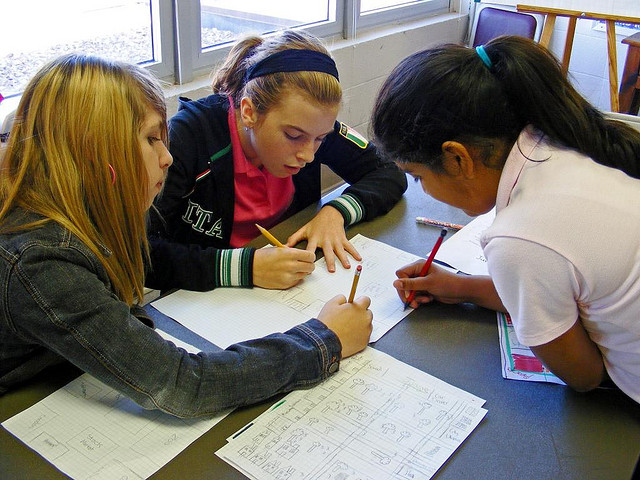
You may be wondering how is middle school relevant to your donor communication when most of your donors are old enough to be parents or grandparents of middle school students? And who wants to go back to those awkward years, anyway?

But keeping middle school students in mind can help you improve your donor communication.  Here’s how.

Write at a sixth to eighth grade level

Most middle schools go from sixth to eighth grade and this is the level you want to aim for when you write. You’re not dumbing down, and it doesn’t mean using abbreviations like LOL and BFF.  It means using clear, everyday language your donors will understand, and that’s being smart.

I wouldn’t rely too much on Word Grammar check, but the Flesch-Kincaid readability statistics can be helpful. Test your document’s readability 

Besides determining a grade level and reading ease, it flags passive sentences, which weaken your writing. Instead of saying 5,000 meals were served at our community dinners, say we served 5,000 meals at our community dinners.

Remember to use (not utilize) language your donors will understand. Avoid throwing out terms like underserved and at-risk without giving specific examples of what they mean.  Instead of saying we work with at-risk youth, say we work with students who are in danger of not graduating from high school.

I’m bored

Middle school students have short attention spans. So do a lot of adults. Your donors are fielding messages from a bunch of different sources. Stand out with a clear, well-written message to the right audience. How You Can Break Through the Noise

What’s in for me

Speaking of attention, we all want people to notice us.  Middle school can be an awkward time as you try to fit in and make friends. Bragging about yourself all the time won’t help.

You’re not paying attention to your donors when you send messages that are all about you. What’s in it for them?  Make your donors feel good about donating to your organization and show them how they are helping you make a difference.

Be mobile friendly

Most kids get their first mobile phone when they’re in middle school and then they can’t put it down.  Your donors are also reading messages on their mobile devices, as well as tablets and computers.  It’s a good idea to survey your donors to find out what devices they use. Chances are it’s more than one.

Besides being multi-channel, be multi-device.  Make sure your donors can easily read your content and donate on any device. How to Find Out if You’re Mobile Ready or Not

Share photos and videos

Once young teens get their first phone, they’ll start sharing photos and uploading videos.  These can be a great, quick way to connect no matter how old you are.

Share your “nonprofit selfies” of engaging photos of the people you serve, your programs in action, or say thank you.  Do the same with videos, and keep them under two minutes.

The key to good communication is a clear message that will capture your donor’s attention right away.

Photo by Jose Kevo

Steer Clear of Generic

4002324674_cc8c5b9d3e_z

Generic products can be a great option. When CVS ibuprofen is exactly the same as Advil, why not save some money by going generic?

One area where you don’t want to go generic is in your fundraising and communication.  Yet so many organizations do.  Here are some ways to avoid creating generic communication.

Same old same old

Are you sending all your donors the same appeal letter and thank you letter?   Stop doing that. At the very least, create different letters for new donors and repeat donors.  Acknowledge a donor’s past support or upgrade.  You can also personalize letters to lapsed donors, event attendees, or volunteers. Different Strokes for Different Folks

Most of the thank you letters I received after I did my year-end giving were pretty generic. One stood out.  This organization had an anonymous donor match all new and increased gifts (a great idea by the way).  In their thank you letter to me, they acknowledged my increase and the impact of the match.

You may use the same letter templates year after year. Think about how your donors will respond. With lackluster retention rates, do yourself and your donors a favor by personalizing your letters.

Who are your donors?

Conduct surveys to get to know your donors better. Create personas by either interviewing donors or imagining what they may think based on information you already have. How to Develop Donor Personas for Your Nonprofit

Once you have a donor persona/profile, you can craft messages that will resonate with them.

The more you know about your donors the more successful you’ll be.

Invest in a good database.

A good database will help you collect information about your donors and segment your lists by different groups.

Create a jargon-free zone

Now that you’ve gotten to know your donors, you’ll realize most of them don’t have a medical or social services background. They’re not going to use terms like at-risk populations and underserved communities, and neither should you.

Jargon confuses your donors. Imagine them looking glazed when you write about capacity building and disenfranchised communities. You don’t want them to ask What Does That Mean? Use language they’ll understand.

Tell stories

Stories can help you get beyond that vague, generic language. Most people respond better to a human-interest story than a lot of statistics.

Let’s say your organization wants to provide fresh, affordable produce to certain neighborhoods.  Here you can tell a story like this.

Marta is a single mother of four who doesn’t have a car.  She would love to give her family fresh fruit and vegetables, but the neighborhood grocery store has overpriced, marginal produce and the nearest supermarket is four miles away. 

Now, thanks to donors like you, Marta can pick up a box of fresh produce each week at the community center, which is just two blocks from her home.

Be specific

Time to dust off those templates and make your appeal letters, thank you letters, newsletters, website, annual reports etc. clear, conversational, and specific.

Have someone outside your organization, a friend or family member, look at your messages. Something that’s clear to you may mean nothing to others.

Generic is fine for vitamins, but not for your communication.

Photo by Paul Jerry

This is the Beginning of a Beautiful Friendship

7223675784_229cba97a8_z

Casablanca is one of my favorite movies.  There are so many priceless lines, which I often recite while I’m watching the movie.  One of them is “LouieI think this is the beginning of a beautiful friendship.”

When someone donates to your organization, it’s also the beginning of a beautiful friendship or the continuation of one if the person is a repeat donor.

Here’s how you can ensure a beautiful friendship with your donors.

Say thank you

In my last post I wrote about creating a thank you experience for your donors that starts (not ends) after you receive their donations and continues throughout your relationship with them.

Welcome new donors

Send a welcome packet or introductory email to your new donors.

But don’t forget your current donors

I’ve donated to several organizations for a number of years, and it bothers me that they never acknowledge that.  Personalize your thank you notes/letters and thank people for being a longtime donor.

Don’t miss out on opportunities to build relationships

I’m amazed that after I attend an event or give a memorial gift, most organizations don’t to a good job of building a relationship.  I could be a potential longtime donor.

Stay in touch

No one likes a friend who doesn’t stay in touch.  Communicate regularly with donor- centered messages. Mix it up by channels, unless you know your donors spend most of their time on one channel.

Here are some ways to stay in touch with your donors throughout the year.

A newsletter can be a great way to engage, but they’re often boring, too long, and focused on the organization. Be sure to tell stories that show how your donors are helping you make a difference.

Send your donors brief updates via email, social media, or postcard. This is a good way to complement your newsletters or stay in touch if you choose not to do a newsletter.

Conduct short surveys. Ask new donors what drew them to your organization. You can also ask people their opinion on an issue or a question about your communications, such as do they prefer a print or an electronic newsletter.

Send out an advocacy alert on a piece of legislation that affects the people you serve. Then report back on the results. Be sure to thank your donors for getting involved.

Share some engaging photos. Social media is great for sharing photos.

You can also share videos of the people you serve participating in activities or better yet saying Thank You to your donors! Make sure your videos are high quality and keep them short.

Hold an open house at your organization. Offer tours and get to know your donors.

Don’t stop

Create a beautiful friendship with your donors.  Communicate regularly and keep them engaged so they’ll stay with you for a long time.

Photo by Phillippe Put

Can Your Organization Pass the Donor-Centered Test?

110310-N-6505H-049

We hear the term donor-centered a lot, and it’s pretty self-explanatory.  You want to focus on your donors’ needs and interests and take into account that not all donors are the same.

Is your organization donor-centered? Find out by taking this test.

Fundraising Appeals

  • Are your fundraising appeals focused too much on your organization – rambling on about how great you are?  Your organization may be great, but let your donors figure that out. Your donors are the ones who are great, and they want to hear how they can help you make a difference for the people/community you serve.
  • Are your appeals segmented to the appropriate audience?  Thank past donors or reference your relationship to a potential donor.  Maybe they are event attendees, volunteers, or friends of board members.
  • Are your appeals addressed to a person and not Dear Friend?
  • Are your appeals vague, impersonal, and filled with jargon your donors won’t understand?  Don’t say we are helping disenfranchised members of the community.  A donor-centered appeal would say something like – With your support, we can help low-income families find affordable housing.
  • Do your appeals make people feel good about donating to your organization?

Thank you letters

  • Do your thank you letters come across as transactional and resemble a receipt? Yes, you need to acknowledge that the donation is tax deductible, etc, but most donors are more concerned about how their gift made a difference.
  • Do your thank you letters (or better yet, a handwritten note) shower your donors with love?  Start your letter with You’re fabulous or Thanks to You!
  • Are you telling your donors the impact of their gift?  For example – Thanks to your generous donation of $50, we can provide groceries for a family of four at the Eastside Community Food Bank.
  • Do you recognize each donor?   Is this the first time someone has donated?  If someone donated before, did she increase her gift?  Acknowledge this in your letter/note.

Newsletters

  • Do your newsletters sound self-promotional and drone on about the wonderful things your organization is doing instead of showing your donors how they are helping you make a difference?
  • Is your newsletter written in the second person?  Write to the donor and use the word you more often than we. How to Perform the “You” Test for Donor-Centered Communications – Do You Pass? BTW, all your donor communication should be written in the second person.  It’s much more personal.
  • Does your newsletter include success stories, engaging photos, and other content your donors want to see?
  • Are you using the right channels?  Perhaps you only send an e-newsletter, but some of your donors prefer print.
  • Are you showing gratitude to your donors in your newsletter?

Always think of your donors

Use these test questions on other donor communication such as annual reports, your website, and social media posts.

How did you do?

Be sure every message you send to your donors focuses on them and makes them feel special.

Read on for more information on how to be donor-centered and wallpaper your office with this donor-centered pledge. Take the Donor-Centered Pledge 

Is Your Organization Sufficiently Donor-Centered?

Strategies to Build Donor Love — How to Create Donor-Centric Communication and Response