
It’s Time to Say Goodbye to Boring Nonprofit Newsletters

In an ideal world, a newsletter can be a great way to engage with your donors. In the real world, that doesn’t often happen because most donor newsletters can be used as a cure for insomnia. They’re too long and filled with boring articles that brag about how wonderful the organization is.

A newsletter is a vital part of the ask, thank report, repeat formula and you can’t just go on autopilot. The good news is that it’s possible to create a better, engaging newsletter your donors will want to read and won’t put them to sleep. Here’s what you need to do.

Think about what your donors want

You need to include content that will interest your donors. Do you think your donors would rather read an article about your CEO receiving an award or one about Tina, a single mother who is having trouble making ends meet but is grateful because, thanks to your generous donors, she can get healthy food for her family at the Westside Community food pantry? 

The answer should be obvious. Your donors want to hear about how they’re helping you make a difference for your clients/community. Before choosing content, think carefully about whether or not your donors would be interested in it. 

If you’re a larger organization, you could create different newsletters for different programs or one specifically for monthly donors.

You need a print newsletter

You may opt not to do a print newsletter because it’s more expensive and takes too much time, but you’re making a mistake if many of your donors prefer print.

I think you’ll have more success if you can do both print and email newsletters. I recommend a short email newsletter once or twice a month and one to four print newsletters a year.

Donors are more likely to see any communication that comes in the mail, as opposed to the enormous volume of email most of us get.

Follow the Domain Formula, which was developed by the Domain fundraising group. A couple of things they recommend are sending your print newsletter only to donors and putting it in an envelope, not sending it as a self-mailer.

They also recommend putting a donation envelope in your print newsletter. This is a proven way to raise additional revenue and you may be able to recoup your expenses. Print newsletters are a great way to boost your retention rate, too.

You can also save money by creating a shorter print newsletter (maybe two pages instead of four) or only mailing it once or twice a year. You can print them in-house, as long as it looks professional.

Be sure you have a clean mailing list. If you can get rid of duplicate and undeliverable addresses, that’s another way to save a little money.

Remember, donors are more likely to read a print newsletter. But ask them what they like, and listen to what they say. If a majority of them prefer print, then you need to find a way to accommodate them.

Give some thought to your email newsletter

Your print and email newsletters are separate entities. Therefore, you shouldn’t email people a PDF of your print newsletter. Use an email service provider and a newsletter template to create the best experience for your readers.

Send your email newsletter to anyone who signed up for it and only to people who signed up to receive it. This can be both donors and non-donors. It could be a good cultivation tool for future donors. Give people ample opportunities to sign up for your e-newsletter, but understand that not everyone will want to receive it.

Use an engaging subject line (something like Learn how you’re helping families find a home of their own and not April newsletter) so you can stand out in your donor’s inbox. And be sure people can read it on a mobile device. Get a little creative with your e-newsletter by including a short poll or quiz.

Share your stories

Stories are the most important part of a nonprofit newsletter (print and email). Each newsletter needs to begin with a compelling story. If you’re making a difference, you have stories to tell.

Client stories are best, but you could also do profiles of volunteers, board members, and donors. Focus on what drew them to your mission (more on that below).

Create a story bank that includes at least four client stories to use every year.

Don’t stray from your mission

A common article I see in many nonprofit newsletters is one about a foundation or major donor giving a large gift. This may be accompanied by a picture of someone holding a giant check. Of course, you should recognize these donors (and all donors), but why is this gift important? How will it help your clients/community?

For example – This generous $50,000 grant from the Westside Community Foundation will help us serve more students in our tutoring program. Many students fell behind during remote learning and are still struggling to catch up.

Something else I see a lot is a profile of a new board member. Instead of focusing so much on their professional background, let your donors know what drew them to your organization. We welcome Kathy Stevens, Vice President of First National Bank, to our board. Kathy has a brother with autism and is very passionate about finding ways for people with autism to live independent lives

Write to your donors

Write your newsletter in the second person, emphasizing you much more than we. Be personal and conversational. Say – You helped Tina feed her family or Because of donors like you, X number of families have been able to get healthy food every week. This is important because so many families are struggling to make ends meet right now.

Leave out jargon and other language your donors won’t understand. Write as if you’re having a conversation with a friend.

I’m not a fan of the letter from the CEO because those tend to be organization-centered instead of donor-centered. If you feel you must include one of these, be sure to thank your donors. And if you’re mailing your newsletter in an envelope (recommended), do a separate letter and don’t make it part of your newsletter. 

Pour on the appreciation

Never miss an opportunity to thank your donors. You couldn’t do your work without them. Every one of your newsletters needs to show gratitude and emphasize how much you appreciate your donors.

Make it easy to read (and scan)

Most of your donors aren’t going to read your newsletter word for word, especially your e-newsletter. Include enticing headlines and email subject lines (if you don’t, your donors may not read it at all), at least a 12-point font, and lots of white space so your donors can easily scan your newsletter.

Stick to black type on a white background as much as possible. Colors are pretty, but not if they’re hindering your donor’s ability to read your newsletter. Photos can be a great way to add some color, as well as tell a story in an instant.

Use the inverted pyramid and put the most important story first (client story or profile), keeping in mind that your donors may not get to all the articles.

Short and sweet

Your print newsletter should be no more than four pages. Limit your monthly email newsletter to three articles. Some organizations send an e-newsletter twice a month. Those should be even shorter – maybe just two articles. There’s a lot going on right now and people don’t want to be bombarded with too much information.

Shorter, more frequent updates are often better.

Other ways to update your donors

For some of you, putting together a newsletter may be too much to take on. You don’t have to do an actual newsletter, but you do need to keep your donors updated.

Do what you can, but be sure to update your donors at least once a month. You may find you have more success with shorter, more frequent email updates and postcards with an infographic a few times a year. You could also send a Donor Care Letter

Take time to create a great newsletter that will engage your donors and not bore them.

Why Ask Why?

As you work on your nonprofit messages, remember the word why. Why, you ask? Because a lot of nonprofit communication doesn’t focus on why something is important. There’s usually a lot of what and how, but not much why.

The typical fundraising letter and newsletter article rambles on about accomplishments without explaining why something matters. Some organizations also like to pour on the statistics. These numbers don’t mean much without more information.

You need to dig deep into why something is important. Imagine you’re a four-year-old who keeps asking, “But why?” over and over again.

Why is what you do important?

Here’s something you might see in a newsletter or impact report.

We expanded our tutoring program to four more high schools.

Okay, but why is that important?

To serve more students.

That’s good, but why is that important?

After six months of weekly tutoring sessions, 85% of the students in our program have improved their math skills, as well as their grades. Many of these students fell behind during remote learning and are still struggling to catch up.

There you go. Tell your donors about the impact you’re making. This is especially important during this time of economic uncertainty. You want to emphasize the importance of your work.

Why should someone donate to your organization?

Do your appeals focus on why it’s important to donate to your organization? Instead of saying something generic like please donate to our year-end appeal, tell a story emphasizing why someone should donate to your nonprofit.

Jason, a 10th grader at Porter High School, can’t stand algebra. It just doesn’t make sense to him. He’s always had trouble with math and fell behind during remote learning. He was still struggling to catch up and afraid he’d have to take that horrible class again. 

Then Jason started weekly tutoring sessions with Brian, a volunteer tutor. It was difficult at first, but thanks to Brian’s patience and guidance, Jason got a B on his last test. 

Many other students fell behind during remote learning and could use a tutor. After six months of weekly tutoring sessions, 85% of the students in our program have improved their math skills. With your help, we can expand our program to serve more students in more schools.

Again, focus on why.

Why is your donor’s gift valuable?

When you thank your donors, do you tell them why their gift is valuable? Give a specific example.

Thank you so much for your generous gift of $50. This will help cover the expenses of our one-to-one weekly tutoring sessions. After six months of these tutoring sessions, 85% of the students in our program have improved their math skills. This is crucial since many of these students fell behind during remote learning and are still struggling to catch up.

It’s all about the why.

Why are you sharing this information?

When you write a newsletter article or something for an impact report, why are you including that information? Will this be something of interest to your donors? If it’s focused too much on your organization and sounds like you’re bragging, then probably not. 

Your donors want information that lets them know how they’re helping you make a difference and why that’s important. Sharing stories is a great way to do that.

Why do you appreciate your donors?

Finally, do your donors know why you appreciate them? You need to tell them this again and again.

Thank you so much for doing your part in helping high school students boost their math skills. We couldn’t do this without you.

Always remember to focus on why.

Remember These Four Words – Ask, Thank, Report, Repeat 

It’s important for you to remember these four words – Ask, Thank, Report, Repeat If your nonprofit follows this fundraising formula, you should be more successful. 

Many organizations just practice Ask, Ask, Ask. If that’s what you’re doing, are you raising the money you need? Because what’s most important is to thank and report before you ask for another donation. Going a step further, fundraising expert Penelope Burk recommends seven touches before asking for another gift.

Of course, formulas are good in theory, but you can’t just go through the motions. Some organizations practice Ask, Bore, Brag. If you do it well, the Ask, Thank, Report, Repeat formula can help you raise more money, build relationships, and boost your retention rate.

Asking for donations is not all or nothing

Many nonprofit organizations spend a lot of time asking and not that much on thanking and reporting.

At certain times of the year, such as GivingTuesday and year-end, nonprofits blast donors with a bunch of generic appeals. Other organizations are skittish about asking for money. They might bury the ask in the appeal or think donors don’t want to give during uncertain times, such as when there are proposed cuts in federal funding or a recession (absolutely not true). Donors often step up during times of uncertainty, if they can.

A good fundraising appeal starts with a story followed by a clear, prominent ask. You’ll want to repeat your ask at least once more in the appeal. Make sure you include that first ask right away.  Many people don’t read the end of the appeal. One exception to this is the P.S., which you should include.

Your fundraising appeal shouldn’t focus too much on your organization – rambling on about how great you are. Your organization may be great, but let your donors figure that out. Your donors are the ones who are great and they want to hear how they can help you make a difference for your clients/community.

Segment your appeal to the appropriate audience. Thank past donors or reference your relationship to a potential donor. Maybe they’re event attendees, volunteers, or friends of board members.

Address your appeal to a person and not Dear Friend.

Don’t use jargon or other language your donors won’t understand. Instead of saying we’re helping at-risk youth, say something like – With your support, our tutoring program can help more students graduate from high school on time. 

Your appeal should make people feel good about donating to your organization. Think of fundraising as the start or continuation of a relationship, not a transaction.

You can and should also thank and update/report back to your donors in your appeal.

Thanking your donors is all about thanking your donors

Your thank you letters/emails/handwritten notes need to be all about thanking your donors. Sounds obvious, right, but many thank you letters don’t do a great job of saying thank you.

First, your thank you letter (or better yet, a handwritten note) needs to open with something like You’re amazing! or Thanks to You! and not On behalf of X organization.

It shouldn’t come across as transactional and resemble a receipt. This is one of my biggest pet peeves. Yes, you need to acknowledge the donation is tax-deductible, etc, but most donors are more concerned about how their gift made a difference.

You also don’t need to explain what your organization does or ask for another gift. Remember, this is the thanking phase.

Let your donors know the impact of their gift. For example – Thanks to your generous donation of $50, a family can get a box of groceries at the Westside Community Food Pantry. This is crucial since we’re seeing more people coming in due to rising food prices.

Address your thank you letter to a person and not Dear Friend.

Recognize each donor. Is this the first time someone has donated? If someone donated before, did she increase her gift? Acknowledge this in your letter/note.

While you shouldn’t ask for a donation in a thank you letter, you can provide an update.

Let your donors know the impact of their gifts

The most common way to report back or update donors is with a newsletter. These can be print, electronic, or a combination of both. You should definitely thank your donors in your newsletters and other updates. You can also ask for a donation. Many organizations put a donation envelope in their print newsletter and it’s a good way to raise additional revenue. It’s less successful in an e-newsletter. If you include too many calls to action in an email message, sometimes donors don’t respond to any of them. Also, if you do include an ask in your newsletter, make sure some of your other updates don’t include a donation request.

Your newsletter shouldn’t sound self-promotional and focus on all the wonderful things your organization is doing. Donors want to see the impact of their gifts, not hear you brag. Share at least one story. Client stories are best. Use phrases like Because of you and Thanks to donors like you. In addition, include engaging photos and other content your donors would like to see.

Another way to update your donors is with an impact report. I like that term better than annual report. You can also do one of these more than once a year. Shorter, more frequent updates are better than one of those long, boring traditional annual reports. Be sure to focus on how your donors helped you make a difference. I’m not a fan of asking for a donation in an impact report, but you will want to pour on the gratitude. 

Something else you can do is send a Donor Care Letter. It’s a way to share updates without putting together an actual newsletter. I always like to recommend engaging by mail. If you’re worried about costs, reach out with a postcard. You can and should also send frequent updates by email and social media.

Repeat this throughout the year

The key word here is repeat. Be sure to follow the Ask, Thank, Report, Repeat formula throughout the year. Most likely, you’ll need to do more thanking and reporting than you’re doing right now. Try to stay in touch with your donors at least once a month. A communications calendar can help you with this.

Remember, the Ask, Thank, Report, Repeat formula should help you raise more money, build relationships, and boost your retention rate. The Better Fundraising Co. refers to this as the Virtuous Circle.

What Kind of Experience Are You Giving Your Donors?

What kind of experience are you giving your donors when they interact with your organization? Is it good, bad, or somewhere in between? It’s important for you to look at things from their perspective, not yours. Let’s examine some of the different aspects of fundraising and donor communication to see what kind of experience you’re giving your donors.

The Fundraising Appeal Experience

Your donor receives an appeal from you. At least one appeal per campaign should come by mail because your donor will be more likely to see it and take action. It’s also a more personal way to connect. Donors can get a lot of fundraising appeals from many different organizations, especially on GivingTuesday and at year-end. What are you doing to make yours stand out?

Does your appeal address your donor by name and take into account any past giving? Is it easy to read (and scan) and include a story and a clear, prominent ask that lets the donor know how she can help make a difference for your clients/community?

Or is it a generic, long-winded mess in a tiny font? Are you using jargon and other language your donor won’t understand? Are you focusing too much on your organization so your donor feels like an afterthought?  

You only have a few seconds to capture your donor’s attention and get her to make a donation. If this is not a good experience for her, then I think you know what will or won’t happen.

The Giving Experience

Congratulations, someone has decided to donate to your nonprofit. Since most people give online, I’ll focus on that first.

They’re on your website ready to give. How’s that going to go? Does your Donate Now button stand out? Do you have a branded donation page (worth the investment) that’s easy to use and navigate? That means keeping it simple without too many fields to fill out and not making people set up an account. Be sure it’s focused on making a donation. You can include information about volunteering and other ways to get involved elsewhere, such as a thank you landing page. You don’t want to distract people from giving. It also needs to be accessible on a mobile device. If your donation page is a pain to deal with, you run the risk of someone giving up and not donating. 

Speaking of websites, your entire site needs to provide a good experience for your donors, as well.

While many donors give online now, some people are not comfortable doing that. Be sure your direct mail appeal includes a reply envelope/card so someone can send you a check. You can help your donors by filling out their name, address, and past giving amounts on the reply form. Depending on your CRM/database, you may be able to customize gift amount strings. Your mailing address should be included in your email appeal and on your website. 

Other donors may want to call you with a credit card number. Is it easy to reach you by phone? Several years ago I was working with an organization that was holding an event. Someone wanted to register by phone and the staff person tried to get her to register on their website. Hello, she wouldn’t have called you if she wanted to do that.

Every donor is different. Some donors are comfortable using their cell phones to make a donation and others aren’t. Many donors might see your letter and then go on their computer to give. Offer different options so you can meet your donors where they are to give them the best giving experience. 

The Thank You Experience

Okay, now your donor has made a gift (yea!), but her journey isn’t over. In fact, it’s just beginning.

If someone donates online, what happens next? Is she directed to a thank you landing page that showers her with appreciation or does it look like a transactional receipt? It’s not that hard to make an engaging landing page, maybe one that says Thank you, Diane! and includes a thank you photo or video and other ways to get involved.

The same goes for the automatically generated thank you email. Make sure your donor experiences some gratitude here. There’s no reason why you can’t craft an engaging thank you message. You could go one step further and have Development staff send an additional personal thank you email message to donors. Also, make sure the subject line says something like Thank you, Diane! or You did something great today! and not Donation Received. 

All donors whether they give online or by other means get a thank you by mail or phone. Donors may miss your email, but something by mail or phone will stand out. If you can send a handwritten thank you card or make a thank you call, you’re doing more than most organizations.  

At the very least, send a thank you letter, maybe with a short personal handwritten note. The recommendation is to get thank you letters out within 48 hours. If that’s going to result in a mediocre letter (which many of them are), then it’s okay to take a week to produce an amazing letter. An amazing letter is one that’s personal and takes into account whether a donor has given before. It’s also all about thanking the donor – not bragging, explaining what your organization does, and asking for another gift.

Don’t wait too long, though. What are telling your donors if it takes you months to send a thank you letter? They deserve a better experience.

To give your donors the best thank you experience, make a plan to show gratitude once a month. Use this opportunity to send a handwritten note. It’s always a welcome surprise if you do.

The Donor Engagement Experience

Showing gratitude is just one way to engage with your donors. They also want to hear how their gift is making a difference.

You may send newsletters, impact reports, and other updates, but what kind of experience are you providing? Are you sharing stories and other content you know your donors will be interested in? Or is your newsletter or impact report just one big, boring bragfest? Even if you’re sharing stories, are you making them engaging

Are you getting to know your donors? You could send them a short survey and ask what drew them to your organization. Do you send welcome packages to new donors? Do you do something special for long-term donors? Do you invite donors to engage with you in other ways, such as volunteering?

Keep in touch with your donors at least once a month. A communications calendar will help you with this. Remember the ask, thank, report, repeat formula. If all you do is send generic appeals, you’re not giving your donors a good experience.

Think of your donors at every level of their journey to give them the best experience possible.

Is Your Nonprofit Newsletter Engaging or Boring?

In theory, a newsletter can be a great way to engage with your donors. In reality, that doesn’t often happen because most donor newsletters can be used as a cure for insomnia. They’re too long and filled with boring articles that brag about how wonderful the organization is.

A newsletter is a vital part of the ask, thank report, repeat formula and you can’t just go through the motions. The good news is it’s possible to create an engaging newsletter your donors will want to read. Here’s what you need to do.

Think about what your donors want

You need to include content that will interest your donors. Do you think your donors would rather read an article about your CEO receiving an award or one about Kara, a single mother who is having trouble making ends meet, but is grateful because thanks to your generous donors, she can get food for her family at the Eastside Community food pantry? 

The answer should be obvious. Your donors want to hear about how they’re helping you make a difference for your clients/community. Before choosing content, think carefully about whether or not your donors would be interested in it. 

If you’re a larger organization, you could create different newsletters for different programs or one specifically for monthly donors.

You need a print newsletter

You may opt not to do a print newsletter because it’s expensive and takes too much time, but you’re making a mistake if many of your donors prefer print.

I think you’ll have more success if you can do both print and email newsletters. I recommend a short email newsletter once or twice a month and one to four print newsletters a year.

Donors are more likely to see any communication that comes in the mail, as opposed to the enormous volume of email most of us get.

Follow the Domain Formula, which was developed by the Domain fundraising group. A couple of things they recommend is to send your print newsletter only to donors and to put it in an envelope, not send it as a self-mailer.

They also recommend putting a donation envelope in your print newsletter. This is a proven way to raise additional revenue and you may be able to recoup your expenses. Print newsletters are a great way to boost your retention rate.

You can also save money by creating a shorter print newsletter (maybe two pages instead of four) or only mailing it once or twice a year. You can print them in-house, as long as it looks professional.

Be sure you have a clean mailing list. If you can get rid of duplicate and undeliverable addresses, that’s another way to save a little money.

Remember, donors are more likely to read a print newsletter. But ask them what they like, and listen to what they say. If a majority of them prefer print, then you need to find a way to accommodate them.

Give some thought to your email newsletter

Your print and email newsletter are separate entities. Therefore, you shouldn’t email people a PDF of your print newsletter. Use an email service provider and a newsletter template to create the best experience for your readers.

Send your email newsletter to anyone who signed up for it and only to people who signed up to receive it. This can be both donors and non-donors. It could be a good cultivation tool for future donors. Give people ample opportunities to sign up for your e-newsletter, but understand not everyone will want to receive it.

Use an engaging subject line (something like Learn how you’re helping families find a home and not April newsletter) so you can stand out in your donor’s inbox. And be sure people can read it on a mobile device. You can also get a little creative with your e-newsletter by including a short poll or quiz.

Share your stories

Stories are the most important part of a nonprofit newsletter (print and email). Each newsletter needs to begin with a compelling story. If you’re making a difference, you have stories to tell.

Client stories are best, but you could also do profiles of volunteers, board members, and donors. Focus on what drew them to your mission (more on that below).

Create a story bank that includes at least four client stories to use every year.

Don’t stray from your mission

A common article I see in many nonprofit newsletters is one about a foundation or major donor giving a large gift. This may be accompanied by a picture of someone holding a giant check. Of course, you should recognize these donors (and all donors), but why is this gift important? How will it help your clients/community?

For example – This generous $50,000 grant from the Eastside Community Foundation will help us serve more students in our tutoring program. Many students fell behind during remote learning and are still struggling to catch up.

Something else I see a lot is a profile of a new board member. Instead of focusing so much on their professional background, let your donors know what drew them to your organization. We welcome Lisa Miller, Vice President of First National Bank, to our board. Lisa has a brother with autism and is very passionate about finding ways for people with autism to live independent lives. 

Write to your donors

Write your newsletter in the second person, emphasizing you much more than we. Be personal and conversational. Say – You helped Kara feed her family or Because of donors like you, X number of families have been able to get healthy food every week. This is important because so many families are struggling to make ends meet right now.

Leave out jargon and other language your donors won’t understand. Write as if you’re having a conversation with a friend.

I’m not a fan of the letter from the CEO because those tend to be organization-centered instead of donor-centered. If you feel you must include one of these, be sure to thank your donors. And if you’re mailing your newsletter in an envelope (recommended), do a separate letter and don’t make it part of the newsletter. 

Pour on the appreciation

Never miss an opportunity to thank your donors. You couldn’t do your work without them. Every one of your newsletters needs to show gratitude and emphasize how much you appreciate your donors.

Make it easy to read (and scan)

Most of your donors aren’t going to read your newsletter word for word, especially your e-newsletter. Include enticing headlines and email subject lines (if you don’t, your donors may not read it at all), at least a 12-point font, and lots of white space so your donors can easily scan your newsletter.

Stick to black type on a white background as much as possible. Colors are pretty, but not if it’s hindering your donor’s ability to read your newsletter. Photos can be a great way to add some color, as well as tell a story in an instant.

Use the inverted pyramid and put the most important story first (client story or profile), keeping in mind your donors may not get to all the articles.

Short and sweet

Your print newsletter should be no more than four pages. Limit your monthly email newsletter to three articles. Some organizations send an e-newsletter twice a month. Those should be even shorter – maybe just two articles. People have a lot going on and don’t want to be bombarded with too much information.

Shorter, more frequent updates, are often better.

Other ways to update your donors

For some of you, putting together a newsletter may be too much to take on. You don’t have to do an actual newsletter, but you do need to keep your donors updated.

Do what you can, but be sure to update your donors at least once a month. You may find you have more success with shorter, more frequent email updates and postcards with an infographic a few times a year. You could also send a Donor Care Letter

Take time to create a great newsletter that will engage your donors and not bore them.

Why, Oh Why

A common problem with nonprofit communication is that it’s not focused on why something is important. There’s usually a lot of what and how, but not much why.

The typical fundraising letter and newsletter article rambles on about accomplishments without explaining why something matters. Some organizations also like to pour on the statistics. These numbers don’t mean much without more information.

As you work on your messages, you need to dig deep into why something is important. Think of a four-year-old who keeps asking “but why?” over and over again.

Why is what you do important?

Here’s something you might see in a newsletter or impact report.

We expanded our tutoring program to four more high schools.

Okay, but why is that important?

To serve more students.

That’s good, but why is that important?

After six months of weekly tutoring sessions, 85% of the students in our program have improved their math skills, as well as their grades. Many of these students fell behind during remote learning and are still struggling to catch up.

There you go. Tell your donors about the impact you’re making.

Why should someone donate to your organization?

Do your appeals focus on why it’s important to donate to your organization?  Instead of saying something generic like please donate to our year-end appeal, tell a story emphasizing why someone should donate to your organization.

David, a 10th grader at Wilson High School, dreads third-period algebra. It just doesn’t make sense to him. He’s always had trouble with math, but it was even harder during the height of the pandemic when they had to resort to remote learning. He’s been struggling to catch up and was afraid he was going to fail. 

Then David started weekly tutoring sessions with Steven, a volunteer tutor. It was difficult at first, but thanks to Steven’s patience and guidance, David got a B on his last test. 

Many other students fell behind during remote learning and could use a tutor. After six months of weekly tutoring sessions, 85% of the students in our program have improved their math skills. With your help, we can expand our program to serve more students in more schools.

Again, focus on why.

Why is your donor’s gift valuable?

When you thank your donors, do you tell them why their gift is valuable? Give a specific example.

Thank you so much for your generous gift of $50. This will help cover the expenses of our one-to-one weekly tutoring sessions. After six months of these tutoring sessions, 85% of the students in our program have improved their math skills. This is crucial since many of these students fell behind during remote learning and are still struggling to catch up.

It’s all about the why.

Why are you sharing this information?

When you write a newsletter article or something for an impact report, why are you including that information? Will this be something of interest to your donors?  If it’s focused too much on your organization and sounds like you’re bragging, then most likely not. 

Your donors want information that lets them know how they’re helping you make a difference and why that’s important. Sharing stories is a great way to do that.

Why do you appreciate your donors?

Finally, do your donors know why you appreciate them? You need to tell them this again and again.

Thank you so much for doing your part in helping high school students boost their math skills. We couldn’t do this without you.

Always, remember to focus on why.

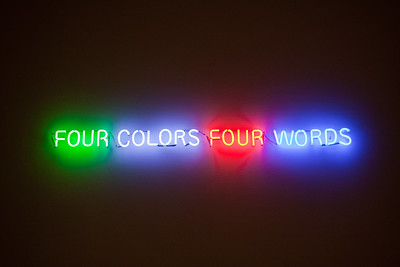
Are You Following the Ask, Thank, Report, Repeat formula?

You may be familiar with the Ask, Thank, Report, Repeat formula in fundraising. If not, you should be. Organizations that follow that tend to be more successful. 

Many organizations just practice Ask, Ask, Ask. If that’s the case for you, are you raising the money you need? Because what’s most important is to thank and report before you ask for another donation. Going a step further, fundraising expert Penelope Burk recommends seven touches before asking for another gift.

Of course, formulas are good in theory, but you can’t just go through the motions. Some organizations practice Ask, Bore, Brag. If you do it well, the Ask, Thank, Report, Repeat formula can help you raise more money, build relationships, and boost your retention rate.
Asking for donations is not all or nothing

Many nonprofit organizations spend a lot of time asking and not that much on thanking and reporting.

At certain times of the year, such as GivingTuesday and year-end, nonprofits blast donors with a bunch of generic appeals. Other organizations are skittish about asking for money. They might bury the ask in the appeal or think donors don’t want to give during a recession or a pandemic (absolutely not true).

A good fundraising appeal starts with a story followed by a clear, prominent ask. You’ll want to repeat your ask at least once more in the appeal.

Your fundraising appeal shouldn’t be focused too much on your organization – rambling on about how great you are. Your organization may be great, but let your donors figure that out. Your donors are the ones who are great and they want to hear how they can help you make a difference for your clients/community.

Segment your appeal to the appropriate audience. Thank past donors or reference your relationship to a potential donor. Maybe they’re event attendees, volunteers, or friends of board members.

Address your appeal to a person and not Dear Friend.

Don’t use jargon or other language your donors won’t understand. Instead of saying we’re helping at-risk youth, say something like – With your support, our tutoring program can help more students graduate from high school on time

Your appeal should make people feel good about donating to your organization.

You can and should also thank and update/report back to your donors in your appeal.

Thanking your donors means thanking your donors

Your thank you letters/emails/handwritten notes need to be all about thanking your donors. Sounds obvious, right, but many thank you letters don’t do a great job of saying thank you.

First, your thank you letter (or better yet, a handwritten note) needs to open with something like You’re incredible! or Thanks to You! and not On behalf of X organization.

It shouldn’t come across as transactional and resemble a receipt. This is one of my biggest pet peeves. Yes, you need to acknowledge the donation is tax-deductible, etc, but most donors are more concerned about how their gift made a difference.

You also don’t need to explain what your organization does or ask for another gift. Remember, this is the thanking phase.

Let your donors know the impact of their gift. For example – Thanks to your generous donation of $50, a family can get a box of groceries at the Eastside Community Food Pantry. This is crucial since we’re seeing more people come in due to rising food prices.

Address your thank you letter to a person and not Dear Friend.

Recognize each donor. Is this the first time someone has donated? If someone donated before, did she increase her gift? Acknowledge this in your letter/note.

While you shouldn’t ask for a donation in a thank you letter, you can provide an update.

Let your donors know the impact of their gifts

The most common way to report back or update donors is with a newsletter. These can be print, electronic, or a combination of both. You should definitely thank your donors in your newsletters and other updates. You can also ask for a donation. Many organizations put a donation envelope in their print newsletter and it’s a good way to raise additional revenue. It’s less successful in an e-newsletter. If you include too many calls to action in an email message, sometimes donors don’t respond to any of them. Also, if you do include an ask in your newsletter, make sure some of your other updates don’t include a donation request.

Your newsletter shouldn’t sound self-promotional and focus on all the wonderful things your organization is doing. Donors want to see the impact of their gifts, not hear you brag. Share at least one story. Client stories are best. Use phrases like Because of you and Thanks to donors like you. In addition, include engaging photos and other content your donors would like to see.

Another way to update your donors is with an impact report. I like that term better than annual report. You can also do one of these more than once a year. Shorter, more frequent updates are better than one of those long, boring traditional annual reports. Be sure to focus on how your donors helped you make a difference. I’m not a fan of asking for a donation in an impact report, but you will want to pour on the gratitude. 

Something else you can do is to send something called a Donor Care Letter. It’s a way to share updates without putting together an actual newsletter. I always like to recommend engaging by mail. If you’re worried about costs, reach out with a postcard. You can and should also send frequent updates by email and social media.

Repeat this throughout the year

The key word here is repeat. Be sure to follow the Ask, Thank, Report, Repeat formula throughout the year. Most likely, you’ll need to do more thanking and reporting than you’re doing right now. Try to stay in touch with your donors at least once a month. A communications calendar can help you with this.

Remember, the Ask, Thank, Report, Repeat formula should help you raise more money, build relationships, and boost your retention rate. The Better Fundraising Co. refers to this as the Virtuous Circle.

3 Tips for Marketing Your Organization on a Limited Budget

Marketing your organization on a budget is easy when you know the right strategies and tools to use. Explore these top tips to step up your marketing strategy. 

By Melissa Mendez

Picture this: your organization is about to host another fundraising event. You’ve assembled a fundraising team, booked a venue, and put together the perfect program agenda. Once it comes time to get the word out about your event, you quickly realize you don’t have that much money left in your budget to create promotional materials and decide to deprioritize marketing. However, this results in low attendance numbers, causing you to miss the mark on your fundraising goal. 

If this sounds like a situation your organization has been in before, you need to update your approach to marketing. Even if you’re strapped for cash, there are a variety of ways to get the word out about your events, campaigns, and current initiatives without spending a single dollar! 

In this article, we’ll go over three money-saving tips that you can use to market your organization and get the support you need: 

  • Keep your website content fresh
  • Generate quality social media content
  • Create compelling email newsletters 

Whether you’re a dance studio hoping to promote your donation form for your year-end campaign or a nonprofit that wants to market its monthly giving program, the right marketing strategies and tools can help. Let’s dig into the essentials.

Keep your website content fresh

Your website is a rich information hub that acts as the focal point of your digital presence, but are you harnessing its full potential? By updating your website regularly and using it to spotlight your upcoming events, campaigns, projects, and more, you can successfully expand your reach and bring in new audiences for your organization. 

Leverage these cost-effective strategies to shape your website into a powerful marketing tool: 

  • Create event and campaign landing pages: Dedicated landing pages can help you dive deep into the details of your upcoming events and spotlight why it’s worth your audience’s time to register, donate, or take another relevant action. Cover all the logistical details, including the date and time of your event or campaign, its purpose, and how to get involved. Be sure to embed your registration or donation form directly into your landing page to help drive conversions and streamline your users’ actions. 
  • Share testimonials: Testimonials can provide great social proof that drives prospective audience members to support your organization. Create a testimonials page that features varied quotes from community members explaining why they support your organization or are eager to receive your services. For example, a dance studio might collect testimonials from students, parents, and alumni to show the value in signing up for classes. Similarly, nonprofits can feature testimonials from beneficiaries, explaining how your organization has made a difference in their lives. 
  • Generate blog content: Consistent blog content can keep community members tapped into your organization and eager to sign up for your upcoming events. Write content regularly, such as posting every other week to communicate important updates about your organization. To help offload the burden of creating content, you can also ask your beneficiaries, volunteers, donors, or loyal customers to create content reflecting on their experiences. 

As you refresh your website and create new content, make sure to widely promote these links to your audience. For example, if you recently created an event landing page to spotlight your upcoming peer-to-peer fundraising event, you could summarize the purpose of this event in your email newsletter and include a link to your landing page for people to learn more and register. 

Keep in mind that taking a multichannel approach, such as sharing links on social media or through QR codes in your direct mail, can help you direct multiple audiences to your website and keep your organization at top of mind. 

You might also leverage a dedicated communication app so you can more easily reach your target audience and ensure you have their support for your upcoming project. There are many cost-effective marketing platforms available that have built-in communication tools, so do your research to find the best solution for your organization. While investing in a marketing solution might seem like a big expense upfront, you’ll be able to derive a high ROI from it year over year, ensuring your organization can make back its investment and more. 

Generate quality social media content

With audiences spending more time on social media than ever before, regularly posting social media content is an easy money-saving strategy to ensure your content gets in front of your target audience. However, spamming content about your upcoming event or campaign can have the opposite effect, turning prospective audiences away from your organization and decreasing your engagement levels. 

Instead, construct a quality and intentional social media strategy that is tailored to your audience and supports your marketing goals. Use these tips to get started: 

  • Share a variety of visuals: Posting the same type of content over and over can quickly bore your audience. Generate a variety of visuals, such as photos from your latest event or infographics that highlight your organization’s impact, to grab your followers’ attention. You could also tap into the power of video, which can help you convey important information in an easily digestible format. Double the Donation’s guide to fundraising videos recommends keeping your video short and sweet and ending in a firm call to action so audiences know how to get involved. 
  • Use catchy hashtags to expand your reach: Hashtags can open up your community to new audiences and boost brand visibility. For example, if you’re a dance studio hosting a dance-a-thon, you might use the hashtag #DancingForACause or #DancingForDollars to create interest. You can also feature your dance studio name or city in your hashtag to draw local audiences to your event, such as #YourCityDanceAThon or #YourStudioNameDanceAThon. When participants post about your event, encourage them to pair it with your dedicated hashtag. 
  • Consider hosting social media contests: A social media contest is a great way to rally your whole community around your organization while growing your reach. You might ask supporters or customers to post videos about why they support your organization, and then award the audience member with the greatest number of likes or comments with a prize. Pair a hashtag with your contest and ask audiences to tag your account in their post so people in their personal networks can learn more about your organization. 

As you share content on social media, track metrics, like impressions and likes, to assess your performance. You may have to make adjustments to your content to better appeal to your audiences and drive greater engagement levels. 

Create compelling email newsletters

Your email newsletter is the perfect place to remind people of your upcoming activities and include links to your website and social media accounts. To strengthen your email newsletters and maximize their value, use these best practices: 

  • Include an eye-catching subject line: Your audience receives anywhere from tens to hundreds of emails a day. To stand out from the crowd you’ll need to create a brief, yet compelling subject line that piques your subscribers’ interests. For example, a subject line like “Don’t Miss Out On Our Annual Halloween Fundraiser!” or “Register Tonight for the Event Of the Season!” summarizes the central purpose of the newsletter while drawing the reader in so they feel motivated to open your email. 
  • Break up your content with visuals: Make your email newsletters even more engaging by adding a variety of visuals, like photos, videos, and graphics. Ensure these elements are reasonably sized to create a positive user experience and avoid using too many visuals so your audience isn’t overwhelmed. 
  • Use clear calls to action: Firm calls to action direct your audience to their next step so they can easily complete it. Create call-to-action buttons that stand out from the rest of your newsletter content and ensure they are hyperlinked to the relevant resource, like your donation page or event registration form. You’ll also want to use succinct, clear language that creates a sense of immediacy. For instance, a call to action like “Donate by midnight to get your gifts matched!” gets to the point quickly while using time-bound language to spur action. 

DanceStudio-Pro’s guide to dance studio marketing also recommends using email to show appreciation to your audience. Once your supporters complete a target action like donating or registering for an event, automate a thank-you email conveying your gratitude for their continued support. This practice will help you develop strong relationships with your audience that will benefit your organization for years. 

Wrapping Up

Marketing your organization doesn’t have to cost your team an arm and a leg when you have the right tools and strategies! Assess your existing toolkit and make adjustments to your marketing plan as needed to optimize your promotional strategies. Keep in mind that adding an all-in-one marketing platform to your tech stack can streamline your approach and help you save money in the long run. 

Melissa Mendez is the Operations Manager at Studio Pro, where she leads the Support, Customer Success, and Professional Services teams. Since 2019, Melissa has helped thousands of dance, cheer, gymnastics, and performing arts studio owners streamline enrollment, recital and showcase planning, ticketing, and accounting automation. She and her team deliver personalized onboarding, expert training, and ongoing support to make running a studio smoother and more sustainable.

A lifelong dancer who started at age three, Melissa built a successful mobile dance company that expanded to four locations across multiple states. Now based in San Antonio, Texas, she brings firsthand studio experience and operational expertise to every interaction—empowering studio owners to grow their businesses, strengthen their communities, and focus on what they love most: their students.

Engage Your Donors With a Great Newsletter

In theory, a newsletter can be a great way to engage with your donors. In reality, that doesn’t often happen because most donor newsletters can be used as a cure for insomnia. They’re too long and filled with boring articles that brag about how wonderful the organization is.

The good news is you can create an engaging newsletter your donors will want to read. Here’s what you need to do.

Think about what your donors want

You need to include content that will interest your donors. Do you think your donors would rather read an article about your CEO receiving an award or one about Tina, a single mother who is having trouble making ends meet, but is grateful because thanks to your generous donors, she can get food for her family at the Westside Community food pantry? 

The answer should be obvious. Your donors want to hear about how they’re helping you make a difference for your clients/community.

If you’re a larger organization, you could create different newsletters for different programs or one specifically for monthly donors.

A print newsletter is a must

You may opt not to do a print newsletter because it’s expensive and takes too much time, but you’re making a mistake if many of your donors prefer print.

I think you’ll have more success if you can do both print and email newsletters. I recommend a short email newsletter once or twice a month and one to four print newsletters a year.

Donors are more likely to see any communication that comes in the mail, as opposed to the excessive volume of email most of us get.

Follow the Domain Formula, which was developed by the Domain fundraising group. A couple of things they recommend is to send your print newsletter only to donors and to put it in an envelope, not send it as a self-mailer.

They also recommend putting a donation envelope in your print newsletter. This is a proven way to raise additional revenue and you may be able to recoup your expenses.

You can also save money by creating a shorter print newsletter (maybe two pages instead of four) or only mailing it once or twice a year. You can print them in-house, as long as it looks professional.

Be sure you have a clean mailing list. If you can get rid of duplicate and undeliverable addresses, that’s another way to save a little money.

Remember, donors are more likely to read a print newsletter. But ask them what they like, and listen to what they say. If a majority of them prefer print, then you need to find a way to accommodate them.

Give some thought to your email newsletter

Your print and email newsletter are separate entities. Therefore, you shouldn’t email people a PDF of your print newsletter. Use an email service provider and a newsletter template to create the best experience for your readers.

Send your email newsletter to anyone who signed up for it and only to people who signed up to receive it. This can be both donors and non-donors. It could be a good cultivation tool for future donors. Give people ample opportunities to sign up for your email newsletter, but understand not everyone will want to receive it.

Use an engaging headline (not April newsletter) so you can stand out in your donor’s inbox and be sure people can read it on a mobile device.

Share your stories

Stories are the most important part of a nonprofit newsletter (print and email). Each newsletter needs to begin with a compelling story. If you’re making a difference, you have stories to tell.

Client stories are best, but you could also do profiles of volunteers, board members, and donors. Focus on what drew them to your mission (more on that below).

Create a story bank that includes at least four client stories to use every year.

Don’t stray from your mission

A common article I see in many nonprofit newsletters is one about a foundation or major donor giving a large gift. This may be accompanied by a picture of someone holding a giant check. Of course, you should recognize these donors (and all donors), but why is this gift important? How will it help your clients/community?

For example – This generous $50,000 grant from the Westside Community Foundation will help us serve more students in our tutoring program. Many students have fallen behind since the pandemic started and are struggling to catch up.

Something else I see a lot is a profile of a new board member. Instead of focusing so much on their professional background, let your donors know what drew them to your organization. We welcome Jennifer Davis, Vice President of First National Bank, to our board. Jennifer has a brother with autism and is very passionate about finding ways for people with autism to live independent lives. 

Write to your donors

Write your newsletter in the second person, emphasizing you much more than we. Be personal and conversational. Say – You helped Tina feed her family or Because of donors like you, X number of families have been able to get healthy food every week. 

Leave out jargon and other language your donors won’t understand. Write as if you’re having a conversation with a friend.

I’m not a fan of the letter from the CEO because those tend to be organization-centered instead of donor-centered. If you feel you must include one of these, be sure to thank your donors.

Pour on the gratitude 

Never miss an opportunity to thank your donors. You couldn’t do your work without them. Every one of your newsletters needs to show gratitude and emphasize how much you appreciate your donors.

Make it easy to read (and scan)

Most of your donors aren’t going to read your newsletter word for word, especially your email newsletter. Include enticing headlines and email subject lines (if you don’t, your donors may not read it at all), at least a 12-point font, and lots of white space so your donors can easily scan your newsletter.

Stick to black type on a white background as much as possible. Colors are pretty, but not if it’s hindering your donor’s ability to read your newsletter. Photos can be a great way to add some color, as well as tell a story in an instant.

Use the inverted pyramid and put the most important story first (client story or profile), keeping in mind your donors may not get to all the articles.

Keep it short

Your print newsletter should be no more than four pages. Limit your monthly email newsletter to three articles. Some organizations send an email newsletter twice a month. Those should be even shorter – maybe just two articles. People have a lot going on and don’t want to be bombarded with too much information.

Shorter, more frequent updates, are often better.

Do the best you can, but do something

For some of you, putting together a newsletter may be too much to take on. You don’t have to do an actual newsletter, but you do need to keep your donors updated.

Do what you can, but be sure to update your donors at least once a month. You may find you have more success with shorter, more frequent email updates and postcards with an infographic a few times a year. You could also send a Donor Care Letter

Take time to create a great newsletter that will engage your donors.

Channel Your Inner Four-Year-Old and Focus on Why

If you’ve ever spent time with little kids you know one of their favorite words is why. You’ll answer a question, and he’ll respond with “but why?” again and again…… It may start to get annoying, but it’s good for people of all ages to be inquisitive and ask questions.

This applies to nonprofits, too. A lot of our communication isn’t focused on why something is important. There’s usually a lot of what and how, but not much why.

The typical fundraising letter and newsletter article rambles on about accomplishments without explaining why something matters. Some organizations also like to pour on the statistics. These numbers don’t mean much without more information.

As you work on your messages, pretend your donor is a four-year-old who keeps asking “but why?” over and over again.

Why is what you do important?

Here’s something you might see in a newsletter or annual report.

We expanded our tutoring program to four more high schools.

Okay, but why is that important?

To serve more students.

That’s good, but why is that important?

After six months of weekly tutoring sessions, 85% of the students in our program have improved their math skills. Many of them fell behind during remote learning.

There you go. Tell your donors about the impact you’re making.

Why should someone donate to your organization?

Do your appeals focus on why it’s important to donate to your organization?  Instead of saying something generic like please donate to our year-end appeal, tell a story emphasizing why someone should donate to your organization.

Darren, a 10th grader at Simmons High School, wanted to throw his algebra book across the room.  He always struggled with math, but it was even harder during the height of the pandemic when they had to resort to remote learning. Because of that, he fell behind and had to repeat algebra. 

Then Darren started weekly tutoring sessions with Jake, a volunteer tutor. It was difficult at first, but thanks to Jake’s patience and guidance, Darren got a B on his last test. 

Many other students fell behind during remote learning and could use a tutor. After six months of weekly tutoring sessions, 85% of the students in our program have improved their math skills. With your help, we can expand our program to serve more students in more schools.

Again, focus on why.

Why is your donor’s gift valuable?

When you thank your donors, do you tell them why their gift is valuable?  Give a specific example.

Thank you so much for your generous gift of $50. This will help cover the expenses of our one-to-one weekly tutoring sessions. After six months of these tutoring sessions, 85% of the students in our program have improved their math skills. This is crucial since many of these students fell behind during remote learning

It’s all about the why.

Why do you appreciate your donors?

Finally, do your donors know why you appreciate them? You need to tell them this again and again.

Thank you so much for doing your part in helping high school students boost their math skills. We couldn’t do this without you.

Start channeling your inner four-year-old and focus on why.