Why You Shouldn’t Give Up on Direct Mail

4276586539_dd1cee9952_z

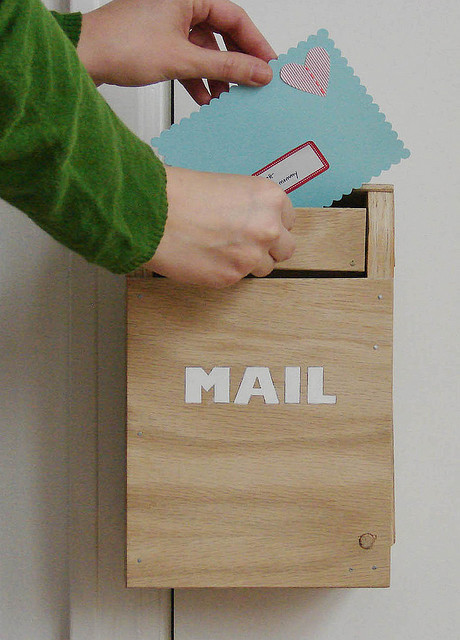
You may think direct mail is a relic of the past or you don’t use it much because it’s too expensive.  But beware. Direct mail is still a viable way to communicate with your donors.

Listen to your donors

Some donors prefer to hear from you by mail. How do you know?  You ask them.

The more you know about your donors, the more effective your communication will be. It’s good to know the age range of your donors.  Most donors are over 45 and won’t think direct mail is a relic from the past. They might respond better to it. Most people do, even millennials. Direct mail: dead, or immortal?

The best way to communicate is to use a variety of channels, but make sure your donors are using them, too.  Aim to communicate by mail at least four times a year.

You should continue to mail the following:

Fundraising letters

Fundraising letters are still effective and your fundraising campaign will work better if you use a multi-channel approach.  Many people are prompted by the direct mail letter and then donate online.  That’s what I usually do.

Direct Mail or E-Mail: What’s Best for Fundraising?

Direct Mail Is Still the King of Fundraising Communication, But…

Thank you card or letter 

Even if someone donates online, they should get a thank you note in the mail (and within a few days, as well).

Think of how little postal mail we get these days, compared to email, and how much of it’s junk.  Make your donor’s day with a heartfelt, personal thank you note.

You can also send a note of gratitude at Thanksgiving, Valentine’s Day, or any time of the year.

Newsletters

I know print newsletters are expensive, but not sending one could be a mistake. Your donors are more likely to read a print newsletter.

Ideally, you should send four quarterly print newsletters a year and a monthly e-newsletter. If four is too costly, send one or two.

Think about putting a donation envelope in your print newsletter.  It’s a proven way to earn extra revenue.  If you do this, be sure to communicate in other ways in which you’re not asking for money.

If you’re really strapped, send a year-end appeal letter and a newsletter with a donation envelope in the spring.

Making Money With Donor Newsletters

Event invitations

If you hold fundraising or appreciation events, be sure to send a printed invitation.  Your higher dollar, older donors might respond better to a nice print invitation with a reply card.

Annual reports and updates

I’m not talking about one of those behemoth 20 page annual reports.  You’re better off with something shorter – a four-page report or even better, an oversized postcard.

You also don’t need to mail an annual report to all your donors, but you should share accomplishments with them.

Create different types of annual reports for different donors – four page reports for grant and corporate funders and postcards for individual donors.  You can also create an electronic version of your annual report.

Direct mail works

Even if your donors are active on email and social media, they’re flooded with messages and may not see yours.  Throw a few direct mail messages into the mix.

Don’t give up on direct mail. #fundchat recently hosted a lively discussion about direct mail. Here’s the transcript. #fundchat – Direct Mail Is Dead! Long Live Direct Mail!

In my next post, I’ll write about how you can print and mail without breaking your budget.

Photo by Abbey Hendrickson

What Makes a Great Donor Newsletter?

3120877348_5130705a52_z

Most nonprofit organizations produce a newsletter, and many are one big snoozefest. They’re too long and filled with articles that brag about how wonderful the organization is.

Newsletters can and should be a great way to stay in touch with your donors and keep them updated on how they are helping you make a difference.

I recommend a short e-newsletter once or twice a month and one to four print newsletters a year.  If you’re getting stressed out about coming up with content for your newsletters, then a communications calendar is your new best friend. Stay Connected Throughout the Year by Using a Communications Calendar

It’s possible to create a great donor newsletter. Here’s how.

Give your donors what THEY want

You may opt not to do a print newsletter because it’s too expensive and takes too much time, but you’re making a mistake if many of your donors prefer print.

I think you’ll have more success if you can do both print and electronic newsletters. But ask your donors what they like, and listen to what they say. If a majority of them prefer one over the other, then doing both may not make sense.

You also want to share content that will interest your donors.  In my last post, I wrote about channeling your inner four-year-old and asking why. Why are you including an article about your CEO receiving an award?  Do your donors care about that?  Probably not. They care about how they are helping you make a difference.

Share stories

Each newsletter needs to begin with a compelling story.  Client stories are best, but you could also do profiles of volunteers, board members, and donors.  Focus on what drew them to help you make a difference.

Create a story bank that includes at least three client success stories.

Write to the donors

Write your newsletter in the second person, emphasizing you much more than we.  Be personal and conversational.  Say You helped give the Saunders family a new home or Because of donors like you, we were able to find housing for X number of families.

Don’t use jargon or language your donors won’t understand.  Write as if you’re having a conversation with a friend.

I’m not a fan of the letter from the executive director, because those tend to be organization-centered instead of donor-centered.  

Show gratitude

Never miss an opportunity to thank your donors.  Every one of your newsletters needs to show gratitude and emphasize how much you appreciate your donors.

Make it easy to read (and scan)

Most of your donors aren’t going to read your newsletter word for word, especially your e-newsletter.  Include enticing headlines, at least a 12-point font, and lots of white space so your donors can easily scan your newsletter.

Use the inverted pyramid and put the most important story first, keeping in mind your donors may not get to all the articles.

Also, make sure your donors can read your e-newsletter on a mobile device.

Keep it short

Your print newsletter should be no more than four pages.  Limit your monthly e-newsetter to four articles.  Some organizations send an e-newsletter twice a month.  Those should be even shorter – two or three articles.

You may find you have more success with shorter, more frequent e-mail updates.

Send it to the right audience

Fundraising guru Tom Ahern recommends sending your print newsletter only to donors.  This can help you keep it donor-centered, as well as cut down on mailing costs.

Send e-newsletters ONLY to people who have signed up for it. They may or may not be donors, but an e-newsletter can also be a good cultivation tool.

It’s possible to create a great newsletter, if you put in the time and effort.

Read on for more information about donor newsletters.

The Domain Formula for donor newsletters

Should you include a reply envelope in your fundraising newsletter?

10 Surprisingly Easy and Startlingly Effective Ways to Improve Your Nonprofit E-Newsletter

Photo by Sarah Reid