How Your Nonprofit Can Ensure Success in 2024

Happy New Year! I hope you had a nice holiday. My vacation went by way too quickly.

I also hope 2023 was a successful year for your nonprofit organization. If it wasn’t, you can work to make 2024 a better year. As with personal New Year’s resolutions, you want your goals to be realistic and attainable. If you’re a small organization, you may not have much luck pulling off a huge gala.

Here are a few ways to help you ensure a more successful year.

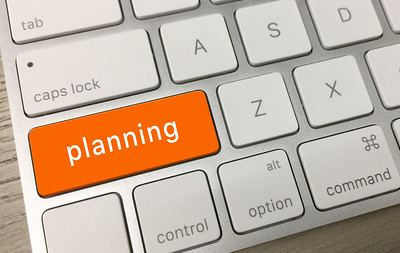
Have a plan in place

You must have fundraising and communications/marketing plans. If you haven’t put together these plans yet, do that now! 

You know from past experience that you may need to make changes to your plans. In 2020, organizations that were able to make changes to a plan already in place were most successful.

Take a look back at 2023 to see what worked and what didn’t in your fundraising and communications/marketing. Incorporate what you’ve learned into your 2024 plans. 

Be sure your fundraising plan includes a diverse stream of revenue. Individual giving has proven to be successful. A lot of small donations can add up! Start or grow your monthly giving program (more on that below). Also, look into major and legacy giving. 

You can apply for grants and hold events, but those sometimes require more effort than it’s worth. Invest in strategies that make sense for your organization.

Revisit your fundraising and communications/marketing plans regularly and make changes as needed. Do this at least every two to three months.

Make sure that donor relations and donor retention are part of your fundraising plan. Those are key to your success.

Pay attention to your donor retention

Many donors have stepped up over the past few years to support nonprofit organizations. You don’t want to lose these valuable donors.

Donor retention should be a priority. You’ll have more success if you work to keep the donors you already have instead of focusing on getting new ones.

First, if you don’t already know it, figure out your retention rate. Do this after every fundraising campaign.

If it’s low, it’s something you can fix, usually with better communication. Donor retention is a huge problem for nonprofits. Your goal should be to have donors who support you for a long time.

It’s easier and less expensive to keep your current donors than to find new ones so once again, make donor retention a priority.

That said, you may have some new donors who saw a need and felt a connection to your cause. Don’t let these donors slip away either.

Go all in on monthly giving 

Speaking of retention, the retention rate for monthly donors is 90%. These donors are dedicated to your nonprofit. 

I’m a huge fan of monthly giving. It’s always made sense, but it’s been especially crucial over the last few years. Organizations that have monthly giving programs receive a steady stream of revenue throughout the year. Donors who opt for monthly giving find it’s easier on their finances. Even gifts of $5.00 or $10.00 a month can make a difference for your organization. Dedicated monthly donors have also stepped up and have given additional donations.

Work on starting or growing your monthly giving program so you can have a bunch of highly committed donors. A good way to start is to invite your current donors to become monthly donors.

Monthly donors are also potential major and legacy donors. Remember the importance of individual giving.

Do a better job of communicating with your donors 

There are many ways to do a better job of communicating with your donors. First, make this the year you say goodbye to boring, generic communication. Stop using jargon, such as at-risk and underserved. Tell more stories and go easy on the statistics. It makes a difference if you can put things in human terms, so you can do a better job of connecting with your donors.

Better communication also means more frequent communication. Donors want to  feel appreciated and know how they are helping you make a difference. Be sure to implement the ask, thank, report, repeat formula

You want to segment and personalize your communication, too. Address your donors by name (not Dear Friend) and recognize their past giving or if they’re a monthly donor.

Better, more frequent communication will help you raise more money. Having a communications calendar will help you with this. 

Work on building relationships

You may think the most important component of fundraising is raising money. While that’s important, so is building relationships with your donors. 

It’s hard to raise money year after year if you don’t build a good relationship with your donors. Every single interaction with your donors needs to focus on building relationships. That includes fundraising appeals. It’s possible to raise money and build relationships at the same time. 

Stop thinking of the donations you receive as a transaction and instead think of them as the start or continuation of a relationship. 

Good relationships with your donors will help you with retention.

Create an attitude of gratitude

A big part of building relationships is showing gratitude to your donors. Many nonprofits do a poor job of this. 

You need to start by sending a heartfelt thank you immediately after you receive a donation and then find ways to thank your donors throughout the year. Put together a thank you plan to help you with this.

Start the New Year off by making fundraising and communications/marketing plans, if you haven’t already done so. Prioritize donor retention, monthly giving, showing gratitude, and building relationships with your donors. This will help bring you more success in 2024.

Photo by Marco Verch

Show Some Appreciation to Your Donors During the Gratitude Season

Year-end fundraising coincides with the gratitude season, which includes Thanksgiving in the U.S. and the December holidays. This is appropriate since thanking your donors is part of the fundraising equation, even though many nonprofits don’t seem to realize this.

Now is a great opportunity to show some gratitude to your donors. You could hold a thankathon, especially if you haven’t launched your appeal yet. Traditionally, thankathons are done by phone, but you can use other channels, too.

You may be laser-focused on your year-end campaign and think you’re too busy to spend much time thanking your donors, but that’s precisely why you need to get on the thank you train. Showing some appreciation to your donors right now can help you raise more money for your year-end appeal.

You’re never too busy to thank your donors. Besides, don’t they deserve some special attention?

Showing gratitude doesn’t happen nearly as often as it should, but you need to spend just as much time thanking your donors and building relationships as you do on fundraising.

Here are a few ways to incorporate gratitude into your year-end fundraising campaign.

Say thank you in your appeal

Does your appeal thank donors for their past or potential gifts? It should. Remember, you need to be showing gratitude while you’re trying to raise money.

This is especially important around GivingTuesday and I’ll write more about that in my next post.

Wish your donors a Happy Thanksgiving

One way to show gratitude right now is to send your donors a special Thanksgiving message. A lot of nonprofits already do this. If you’re not one of them, make this the year you start. If you can send a card or postcard, that’s great, but an email message is also fine. If you use email, be sure to address the donor by name to make it more personal and send it the day before when they’ll be more likely to see it.

In a recent post about running a multichannel campaign, I suggested skipping the reminder during Thanksgiving week and pour on the gratitude instead. 

We’re still living in a time of uncertainty and your donors will appreciate a heartfelt message from you. Let them know how grateful you are to have them as part of your donor family. 

Don’t stop with Thanksgiving

Thanksgiving isn’t the only time to show some appreciation. The holidays and New Year’s are coming up soon (sooner than you think) and that’s a good opportunity, especially for those of you outside the U.S., to express gratitude. But you don’t need a holiday or other special occasion. Just thank your donors and do it often. 

Whatever you decide, DO NOT include a donation envelope or any other type of ask with your thank you message. This is known as a thask and it’s guaranteed to deflate your donor’s good feelings in an instant.

Be ready to thank your donors as soon as you receive a donation

Every single donor, no matter how much they’ve given or whether they donated online, gets a thank you card/letter mailed to them or receives a phone call.

Planning ahead will help you thank your donors as soon as possible. I’m sure you’re spending a lot of time and effort getting your fundraising appeal out. Perhaps you’ve recruited other staff or volunteers to help you.

You need to do the same thing when you thank your donors. Get your board, other staff, and volunteers to help make phone calls, write thank you notes, or include a handwritten note on a thank you letter. This is another opportunity for a thankathon.

Make thanking your donors a priority

Your donors deserve more than just the same boring, generic thank you letter. The initial thank you right after you receive a donation is important. So is the next one and the one after that and the one after that….

Thanking your donors is not something you just do after you receive a donation. You want to thank your donors at least once a month. Here are some ways you can show gratitude throughout the year.

  • Send a handwritten note.
  • Create a thank you video and share it on your website, by email, and on social media. Better yet, personalize it.
  • Send welcome packages to your new donors.
  • Invite your donors to connect with you via email and social media. Keep them updated on your success and challenges. Making all your communications donor-centered will help convey an attitude of gratitude.
  • Thank your donors in your newsletters and other updates. Emphasize that you wouldn’t be able to do the work you do without their support.
  • Hold an open house or offer tours. You can also create a virtual tour or other engaging video content to let your donors see your nonprofit up close and personal.
  • Thank your donors just because they’re great.
  • Keep thinking of other ways to thank your donors.

Create a thank you plan to help you with this.

Always choose kindness 

The world could use some more kindness right now. There’s so much going on and the divisiveness doesn’t help. As long as you’re sincere, I don’t think there’s such a thing as being too nice.

In the spirit of kindness, show some gratitude to your donors and make them feel special.

Do a Stellar Job of Thanking Your Donors

Year-end fundraising season is underway. You may have started working on your appeal, which is great. But don’t stop there. It’s just as important, if not more important, to plan how you’ll thank your donors. 

I highly recommend creating a thank you plan, which will help you show gratitude before, during, and after a campaign. 

Your donors deserve a stellar thank you. The problem is most thank yous don’t come anywhere close to being stellar. Many organizations treat thanking their donors as an afterthought and it shows. You can’t do that. It will hurt your chances of getting future donations.

There are many ways to thank your donors after an appeal – by mail, phone, email, on your website, or a combination of those. The more you can do, the better.

Thanking your donors is something you need to do well. Don’t shortchange your donors with a half-hearted, generic thank you.

Do a stellar job of thanking your donors. Make it a priority. Here are a few ways to do this. 

Start planning now

Don’t wait until the day after your appeal goes out. Give yourself plenty of time to plan. Write your thank you letter at the same time you write your appeal. 

Figure out what you’ll be able to do. I highly recommend a handwritten note or phone call. Can you do that for all your donors? If not, maybe you’ll break it down by new donors, long-time donors, or donors who have given a certain amount.

It’s important to thank your donors as soon as possible. I understand that handwritten notes and phone calls take more time, especially during the busy year-end season. If that’s the case, you can and should do those at other times of the year instead.  At the very least, your donors should get a letter, even if they’ve donated online. Thank you emails tend to resemble receipts, but we can change that. Whatever you decide, remember to get started on the content now. 

In the past, the standard was to send thank you letters within 48 hours. If that’s too hard, don’t wait much longer than a week. Make sure you’re ready to go when the donations come in. 

Make your donor’s day with a handwritten thank you note

I love it when a nonprofit sends a handwritten thank you note. This is a rare occurrence, so if you do it, your thank you note will stand out in your donor’s mailbox.

Handwritten notes are great in many ways, but one advantage is you don’t have to write that much. In fact, you can do one in just a few minutes.

You could make thank you cards with an engaging photo or buy some nice thank you cards. Get together a team of board members, staff, and volunteers right after your appeal goes out to help you with this.

Think about how much your donors will appreciate this nice gesture. Here’s a sample note.

Dear Cara,

Thank you so much for upgrading your gift to $75. We’re still seeing more people coming into the Eastside Community Food Pantry. It’s difficult for many families in the community to afford groceries. Your generous gift will help a lot. We’re so happy you’ve been a donor these past five years.

Phone calls are another personal way to show appreciation

Calling first-time donors is known to improve retention rates. But you could also call long-time donors to make them feel special.

Again, you want to get a team together to help. This is a great thing for your board to do. Here’s a sample phone script.

Hi David, this is Tracy Clark and I’m a board member at the Eastside Community Food Pantry. Thank you so much for your generous donation of $50 and welcome to our donor family. Your gift will help feed more local families right now. Many of them are struggling since grocery prices are so expensive.

Write that stellar thank you letter

If it’s impossible to send handwritten notes or make phone calls, you can still impress your donors with a stellar thank you letter. As I mentioned before, many thank you letters aren’t stellar at all and are mediocre at best. You’ll have an advantage if you take some time to create a great, donor-centered letter.

The purpose of a thank you letter is to thank your donors. Keep that in mind at all times.  

Don’t start your letter with On behalf of X organization…. If you’re sending it on your letterhead, it should be obvious it’s coming from your organization. Instead, start your letter with – Thank you, You’re amazing, or You did something great today!

You also don’t need to explain what your organization does. This often comes across as bragging by saying something like – As you know, X organization has been doing great work in the community for 20 years…. Someone who’s donated to your organization should already be familiar with what you do. 

And, don’t ask for another gift in your thank you letter. You did that in your appeal letter. You can ask again another time. Always keep gratitude front and center.

Write separate thank you letters for different types of donors. Welcome new donors and welcome back your current donors. Monthly donors should also get special recognition.

Your thank you letter needs to make your donors feel good about giving to your organization. Let them know how their gift is helping you make a difference. Include a brief story or example, such as the sample handwritten note or phone script I included above.

As with all writing, make your letter personal and conversational. Write to the donor using you much more than we and leave out jargon and any other language your donors won’t understand. Also, you must address your donors by name – not Dear Friend. Personalization is crucial when thanking your donors.

I’ve been emphasizing the importance of envelopes lately. Don’t use a boring, white #10 envelope. Make your letter stand out by using a colored or textured envelope. You could include a teaser that says Thank You and use a nice stamp (You can buy thank you stamps). Hand address the envelopes if you can and include a handwritten note inside that will help make it more personal. You could also include an engaging photo in the letter.

Yes, you do need to include the tax-deductible information, but do that at the end, after you impress your donors with your letter, or include it on a separate page. It’s easiest to include this with your thank you letter or email. Then you don’t have to send it again unless your donor requests it.

Create a more personal online thank you

The thank you plan I reference above gives you advice on how to create better thank you landing pages and email acknowledgments. These often come across as transactional. You need to think of the donations you receive as the start or continuation of a relationship, not a transaction.

Remember, even though your online donors will get an electronic acknowledgment, they should still get thanked by mail or phone. I like to think of the landing page, email, and what comes in the mail or by phone as the thank you journey. Don’t forget this is an ongoing journey.

We may be looking at another tough fundraising season. One thing that can help is to do a stellar job of thanking your donors, both now and throughout the year.

Image by Graham Irwin

Prioritize Gratitude by Creating a Thank You Plan

Thanking your donors is just as important, if not more important than fundraising. Yet many organizations spend a lot of time putting together a fundraising campaign and treat thanking their donors as an afterthought.

Donor retention continues to be a problem. Prioritizing gratitude and donor relations will help. If you don’t do a good job of thanking your donors, as well as building relationships throughout the year, you’ll have a hard time getting people to people to donate again.

This is why having a thank you plan is crucial. It’s not only important when you’re running a fundraising campaign, but also during the “between times.”

Many organizations just thank their donors after they receive a gift and then disappear until the next fundraising appeal. Your donors deserve better than that. 

Thanking your donors is something you need to do throughout the year – at least once a month, if you can. A thank you plan will help you stay focused on gratitude all year round.  

Here’s what you need to include in your thank you plan.

Plan to make a good first impression with your thank you landing page

Your landing page is your first chance to say thank you and it shouldn’t resemble Amazon checkout. It should make a person feel good about giving a donation.

Open with Thank you, Kara! or You’re amazing! Using a person’s name is always good. Include an engaging photo or video and a short, easy-to-understand description of how the donation will help your clients/community.

If you use a third-party giving site, you might be able to customize the landing page. If not, follow up with a personal thank you email message within 48 hours.

Plan to write a warm and personal automatic thank you email

Set up an automatic thank you email to go out after someone donates online. This email thank you is more of a reassurance to let your donor know you received her donation. You still need to thank her by mail or phone.

Just because your thank you email is automatically generated, doesn’t mean it needs to sound like it was written by a robot. Write something warm and personal. Again, be sure to address your donor by name.

Give some thought to the email subject line, too. At the very least make sure it says Thank You or You did something great today and not anything boring like Your Donation Receipt or Donation Received. And please stop using words like transaction and processed. A donation is not a transaction. It’s the start or continuation of a relationship.

Put all the tax-deductible information at the end of your email, after you pour on the appreciation.

Plan to thank your donors by mail or phone

I’m a firm believer that every donor, no matter how much she’s given or whether she donated online, gets a thank you card or letter mailed to her or receives a phone call.

Try to thank your donors within 48 hours or within a week at the latest. That might sound hard to do, but it will be easier if you plan to carve out some time to thank your donors each day you get a donation. Remember, thanking your donors should be a priority. If you wait too long, you’re not making a good impression.

Instead of sending the usual generic thank you letter, mail a handwritten card or call your donors. Find board members, staff, and volunteers to help you with this. Make sure to get your team together well before your next fundraising campaign so you’re ready to go when the donations come in. 

I’m a big fan of handwritten thank you cards and you’ll stand out if you can send one. I get a few of them a year and they tend to come from the same organizations, which shows you what they prioritize! These may be more feasible than making phone calls. Not everyone likes to get phone calls, but some people do. This is why it’s important to know your donors’ communication preferences (more on that below).

Here’s a sample thank you note that could also be used as a phone script.

Dear Jason,

You’re amazing! Thanks to your generous donation of $50, we can continue to provide neighborhood families with healthy food. This is great. We’re seeing more people come in right now because of rising food costs and cuts in benefits.

We really appreciate your support over the last four years.

Sincerely,

Lisa Barnes

Board Member, Eastside Community Food Pantry

If you can’t send handwritten cards or call all your donors, send them a personal and heartfelt letter. If you’ve been using the same letter template for a while, take time to freshen it up. Don’t start your letter with On behalf of X organization, we thank you for your donation of…. 

Open your letter with You’re incredible or Because of you, the Miller family can finally move into their own home. Create separate letters for new donors (new donors should also get a welcome package), renewing donors, and monthly donors. Be sure it’s personalized and include at least one photo.

It doesn’t need to look like a form letter. You could use a different format, such as a postcard. For a thank you right after a gift, I would put a postcard in an envelope. You can send stand-alone postcards at other times of the year.

Your thank you should be all about thanking the donor – no bragging, no explaining what you do, no asking – just thanking.

You can add a personal handwritten note to the letter, preferably something that pertains to that particular donor. For example, if the donor has given before, mention that. Hand sign the letters, if you can.

Just like with fundraising appeals, your envelope matters. Use something besides a white #10 envelope. It shouldn’t look like a bill or junk mail. Keep thinking about making it personal. Hand address the envelopes if possible or print directly on them. Use stamps, if you can. I recommend investing in Thank You stamps.

In addition, write your thank you letter at the same time you write your appeal letter. Make sure they’re ready to go as soon as the donations come in. Don’t wait three weeks. Timeliness is important, and so is quality.

Plan to keep thanking your donors all year round

This is where having a thank you plan makes a difference because as I mentioned before – thanking your donors is something you must do all year round. 

You can use your communications calendar to incorporate ways to thank your donors, but why not go one step further and create a specific thank you calendar?

Remember to try to say thank you at least once a month. Here are some ways to do that. 

  • Send cards or email messages at Thanksgiving, during the holidays, on Valentine’s Day, or mix it up a little and send a note of gratitude in June or September when your donors may not be expecting it. Try to send at least one or two gratitude messages a year by mail, since your donors will be more likely to see those. And you don’t need a holiday or special occasion to thank your donors. Thank them just because….
  • Invite your donors to connect with you via email and social media. Keep them updated on your success and challenges. Making all your communications donor-centered will help convey an attitude of gratitude. Be sure to keep thanking your donors in your newsletter and other updates. Emphasize that you wouldn’t be able to do the work you do without their support.
  • Create a thank you video and share it on your thank you landing page, by email, and on social media. Go one step further and personalize it. 
  • Reach out to your donors on the anniversary of their giving (not your organization’s anniversary). Don’t overlook your dedicated, long-time donors.
  • Send a warm-up letter or email about a month before your next campaign (no ask). This is a great way to show appreciation BEFORE you send your appeals.
  • Hold an open house or offer tours. You could also create a virtual tour or a behind-the-scenes look at your organization.
  • Keep thinking of other ways to thank your donors. You can repeat some of the ones listed above over the year.

The tactics that work best are going to differ for each organization. I would definitely send something by mail a few times a year. Email and social media may not be as successful, especially if your donors don’t use electronic communication very much. 

I recommend surveying your donors to find out their communication preferences. What do they like – mail, email, phone, text, social media, video, or a combination of those?  Find out their interests, too. This will help with your engagement.

Creating a thank you plan will make it easier to keep showing appreciation to your donors all year round. You need your donors, so don’t hold back on that always-important gratitude.

Don’t Wait Too Long to Start Planning Your Year-End Fundraising Campaign

It’s hard to think about fall when it’s been so hot in many parts of the United States and Europe, but September will be here before you know it.

Even though it might be sweltering outside, now is a good time to start planning your year-end fundraising campaign, hopefully in an air-conditioned space. If you’re behind in your revenue goals, you may want to launch it earlier than you have in the past. 

I’ve put together a checklist to help you get started. You can also use this for fundraising campaigns at other times of the year.

How much money do you need to raise?

You may have already set a goal for your year-end campaign in your 2023 fundraising plan (at least I hope you did) and maybe that has changed. 

You must determine how much money you need to raise before you start your campaign and raising as much as we can is not a goal.

Do you have a campaign plan?

Put together a plan for your campaign that includes a timeline, task list, and the different channels you’ll use. Make it as detailed as possible.

When do you want to launch your appeal? Plan on everything taking longer than you think it will, so earlier is better. Keep in mind you’ll be competing with many other organizations who are doing appeals. 

I strongly encourage you to mail an appeal letter. Direct mail appeals are more successful. You can also send an email appeal and follow up with email, as well. 

Maybe you want to send your appeal letters the first week in November. Maybe it’s better to send them in October. Whenever it is, make your goal to have the letters done at least a week before that. Work backwards to figure out how you can get to your proposed send date.

Also, how are you mailing your appeal? Do you use a mail house or get staff and volunteers together to stuff envelopes? Either way, plan ahead, so you’re not scrambling at the last minute.

Do you have a good story and photo to share?

If you’ve been using the same boring, generic appeal letter template for the last few years, it’s time for a refresh. It’s a good idea to revise your templates at least once a year. Our world has changed a lot in the last three years and you need to take that into account.

A good way to start is to create an engaging story for your appeal. Even though the public health emergency is over, COVID is still a part of our lives. Are your clients/community feeling the aftereffects of the pandemic? Are they facing economic challenges? Focus on them, not your organization. Each year is different and this is why you need new stories.  

You’ll want some good photos for your letter and donation page, too. Quotes from clients will also enhance your appeal.

How can your donors help you make a difference?

Your appeal letter should focus on a need and let your donors know how they can help you make a difference. You might want to start by creating a brief and an outline.

You may be seeing more people at your food pantry because of rising food costs and cuts in benefits. Maybe your clients are struggling to find affordable housing.

You can also highlight some of the accomplishments you’ve made recently and state what you would like to do in the coming year, although these are usually more appropriate for a newsletter or impact report. 

One way to frame this is to describe a situation such as this. You run a tutoring program in your community and work with students who are falling behind in school. You can describe how thanks to your generous donors, your one-to-one tutoring program has helped students get better grades and are now less likely to be held back a year. You want to keep that going and serve more students.

Remember to focus on your clients/community and don’t brag about your organization.

Are your mailing lists in good shape?

Make sure your mailing lists are up-to-date. Check for duplicate addresses and typos. Your donors don’t want to receive three letters at the same time or have their names misspelled. Take a little time to do some data hygiene. Give your email list some attention, too.

Also, now is a good time to segment your mailing lists – current donors, monthly donors, lapsed donors, event attendees, etc. This is so important. Your current donors are your best source of donations. You should have more success if you can personalize your appeal letters. Acknowledge if someone has donated in the past or is a monthly donor. Donors like it when you recognize them for who they are.

Do you have enough letterhead, envelopes, and stamps?

Don’t wait until September or October to check your supply of letterhead and envelopes. Make sure you have enough. 

Speaking of envelopes, something besides the standard white business envelope can improve your response rate. Think about using an oversized, colored, or embellished envelope. If that’s not possible, don’t use a window envelope because it resembles a bill. A general rule is you don’t want any of your direct mail pieces to look like a bill or junk mail.

Even though many people donate online, you want to make it easy for donors who prefer to mail a check. Include a pledge envelope or a return envelope and a preprinted form with the donor’s contact information and the amount of their last gift.

Stamps are more personal, so you might want to find some nice ones to use. 

Is it easy to donate online?

Be sure your donation page is user-friendly and consistent with your other fundraising materials. Using a branded donation page and not a third-party site is best. Highlight your year-end appeal on your homepage and include a prominent Donate Now button.

One way to ensure a good experience is to have someone on your staff or, even better, someone outside of your organization make a donation on your website. If they want to tear their hair out, you have some work to do.

Do you offer a monthly or recurring giving option?

I’m a huge fan of monthly giving. It’s a win-win for your organization. You can raise more money, boost your retention rate, receive a steady stream of revenue, and allow your donors to spread out their gifts.

If you don’t have a monthly giving program or have a small one, don’t wait any longer to start one or grow the one you have. Be sure to highlight it as a giving option.

Do you want to find a major funder who will give a matching gift?

One way to raise additional revenue is to find a major funder to match a portion or all of what you raise in your year-end appeal. If you want to go down this route, now would be a good time to reach out to these potential funders.

How will you thank your donors?

Spend as much time on your thank you letter/note as you do on your appeal letter and write them at the same time. And if it’s been a while since you’ve freshened up your thank you templates, you know what you need to do. It’s so important to thank your donors, and thank them well, as soon as you receive their gifts, so have a thank you letter/note ready to go.

Handwritten notes and phone calls are much better than a preprinted letter. Create or buy some thank you cards and start recruiting board members and volunteers to make thank you calls or write notes. 

You’ll want to put together a welcome plan for your new donors and that also needs to be ready to roll after the donations come in.

How will you keep up with your donor communication?

Even though you’ll be busy with your appeal, you want to ramp up your donor communication this fall. Keep engaging your donors and other supporters (who may become donors) by sharing updates and gratitude. Pour on the appreciation! 

Send at least one warm-up letter or email. You could create a thank you video or a video that gives a behind-the-scenes look at your organization. Maybe you could hold an open house or offer tours. Just don’t disappear until appeal time.

Yes, we’re still in a period of economic uncertainty. Some donors may not give as much or at all, but others will give more. They won’t give anything if you don’t ask.

There’s still plenty of time to go to the beach and get ice cream, but right now find that air-conditioned space and start planning your year-end campaign.

Best of luck!

Photo by CreditDebitPro

Don’t Take a Vacation from Your Donor Communication

It’s summer! More people may be traveling this summer and I hope you’ll also get a chance to take a vacation (or a staycation). I can’t say we’re living in normal times. There’s a lot going on, including an uncertain economy. Fundraising numbers are down and who knows how year-end will go, but it’s important to stay strong and not pull back.

This may be a quieter time for your nonprofit, but you don’t want to be too quiet and ignore your donors. Something the pandemic taught us is we should communicate more during tough times. This would be a great time to do some relationship building

You should be communicating with your donors at least once a month and that includes the summer months. Don’t make the mistake of taking a vacation from your donor communication. Continuing to stay in touch with your donors will help you when you launch your fall fundraising campaign. 

Maybe this sounds impossible, especially if you’re a small organization, but you can do this!

Here are a few ways you can connect with your donors this summer, as well as throughout the year, and build those important relationships. 

Make your donor’s day with a handwritten thank you card

Nonprofit organizations don’t thank their donors enough. You don’t need a reason to thank your donors. Just do it and do it often. You’ll stand out if you do.

This is a good time to do something personal, such as sending a handwritten thank you card. Pour on the gratitude and let your donors know how much you appreciate them.

You only need to write a few sentences, but make it warm and friendly. You can even think of it as having a conversation with a friend. Get board members and other volunteers to pitch in and help.

Send a postcard

It used to be fairly common for people to send postcards when they went on vacation. I don’t know how many people still do that, although I always enjoy receiving them.

Postcards are a great way to connect with your donors. Communicating by mail is more effective than electronic communication. I know mail is expensive, but a postcard shouldn’t cost too much. Your donors are also more likely to see your messages if you send them by mail. 

You can say thank you, share an update, or a combination of both. Besides feeling appreciated, donors also like to hear how their gift is making a difference. You could consider an infographic postcard.

Sending something by mail is an investment that could pay off if your postcard (or handwritten card) entices a donor to give again and possibly upgrade.

Email and social media are okay, too.

While it’s important to stay in touch once a month, it may not be possible to use direct mail that much. You can also use email and social media. Email has an advantage here because you can personalize your messages and the engagement levels are better, although not as good as direct mail.

You could send your donors a thank you photo or video. Maybe you already do a monthly e-newsletter. Jazz it up a little. You could even make it shorter. Share a story that lets your donors know how they’re making a difference for your clients/community.

You don’t need anything fancy and make it easy for yourself by keeping it simple. There are so many ways to thank your donors and share an update. It’s okay to have a little fun and get creative.

Tie in current situations

We’re facing a lot of economic uncertainty, but donors want to help if they can. 

Will certain policies or budget cuts affect your organization? Many states have issued their budgets for the next fiscal year.

Share ways your donors can help – perhaps by contacting their legislators, volunteering, or making a donation.

Advocacy alerts can be a great way for people to engage with your organization. Be sure to thank participants and keep them updated on any outcomes.

When all levels of government make funding cuts or policy changes, the need in the community grows, which puts more burden on nonprofit organizations. Remember, some donors will step up and help, if they can. 

Make room for improvement and plan ahead

The summer can be a good time to make improvements in your existing communication. Spend time finding some engaging stories and photos for your newsletters and other updates. This is also a good time to warm up your donors for your fall campaign.

Start working on your appeal and thank you letters for your next campaign. Make sure they focus on building relationships and are donor-centered. Segment your donors by different types – new, renewing, monthly, etc.  Also, make sure your CRM/database is up to date.

If you’re feeling pinched financially, you may want to start your fall campaign earlier – September/October instead of November/December. A few ways to raise additional revenue are to invite current donors to join your family of monthly donors and reach out to your lapsed donors.

For now, keep relationship building front and center. Keep communicating with your donors. They want to hear from you. Don’t take a vacation from your donor communication.

Give Your Donors The Best Experience Possible

It’s time to put yourself in your donor’s shoes. What kind of experience are you giving them when they interact with your organization? Is it good, bad, or somewhere in between?  Let’s look at some of the different aspects of fundraising and donor communication to see what kind of experience you’re giving your donors.

The Fundraising Appeal Experience

Your donor receives an appeal from you. At least one appeal per campaign should come by mail because your donor will be more likely to see it and take action. Donors can get a lot of fundraising appeals from many different organizations, especially on GivingTuesday and at year-end. What are you doing to make yours stand out?

Does your appeal address your donor by name and take into account any past giving? Is it easy to read and scan and include a story and a clear, prominent ask that lets know the donor know how she can help make a difference for your clients/community?

Or is it a generic, longwinded mess in a tiny font? Are you using jargon and other language your donor won’t understand? Are you focusing too much on your organization so your reader feels like an afterthought?  

You only have seconds to capture your donor’s attention and get her to make a donation. If this is not a good experience for her, well, I think you know what will or won’t happen.

The Giving Experience

Congratulations, someone has decided to make a donation. Since most people give online, I’ll focus on that first.

They’re on your website ready to give. How’s that going to go? Do you have a branded donation page (worth the investment) that’s easy to use and navigate? That means keeping it simple without too many fields to fill out and not making people set up an account. It also needs to be accessible on a mobile device. If your donation page is a pain to deal with, you run the risk of someone giving up and not donating. 

Speaking of websites, your entire site needs to provide a good experience for your donors, as well.

While many donors give online now, not everyone is comfortable doing that. Be sure your direct mail appeal includes a reply envelope so someone can send you a check. Your mailing address should be included in your email appeal and on your website. 

Other donors may want to give by phone. Is it easy to reach you by phone? Several years ago I was doing work with an organization that was holding an event. Someone wanted to register by phone and the staff person tried to get her to register on their website. Um, she wouldn’t have called you if she wanted to do that.

Meet your donors where they are to give them the best giving experience. 

The thank you experience

Okay, your donor has made a gift, but her journey isn’t over. In fact, it’s just beginning.

If someone donates online, what happens next? Is she directed to a thank you landing page that showers her with appreciation or does it look like a transactional receipt? It’s not that hard to make an engaging landing page, maybe one that says Thank you Kim! and includes a thank you photo or video and other ways to get involved.

The same goes for the automatically generated thank you email. Make sure your donor experiences some gratitude here. There’s no reason why you can’t craft an engaging, personal thank you message.

All donors whether they give online or by other means get a thank you by mail or phone. Donors may miss your email, but something by mail or phone will stand out. If you can do a handwritten thank you card or make a thank you call, all the better.  

At the very least, send a thank you letter, maybe with a short personal note. The recommendation is to get thank you letters out within 48 hours. If that’s going to result in a mediocre letter (which many of them are), then it’s okay to take a week to produce a stellar letter. A stellar letter would be one that’s personal and takes into account whether a donor has given before. It’s also all about thanking the donor – not bragging, explaining what your organization does, and asking for another gift.

Don’t wait too long, though. What are telling your donors if it takes you months to send out a thank you letter? They deserve a better experience.

To give your donors the best thank you experience, make a plan to show gratitude once a month. Use this opportunity to send a handwritten note. It’s always a welcome surprise if you do this.

The donor engagement experience

Showing gratitude is just one way to engage with your donors. They also want to hear how their gift is making a difference.

You may send newsletters and other updates, but what kind of experience are you providing? Are you sharing stories and other content you know your donors will be interested in? Or is your newsletter just one big, boring bragfest? Even if you’re sharing stories, are you making them engaging

Are you getting to know your donors? You could send them a short survey and ask what drew them to your organization. Do you send welcome packages to new donors? Do you do something special for long-term donors? Do you invite donors to engage with you in other ways, such as volunteering?

Keep in touch with your donors at least once a month. A communications calendar will help you with this. Remember the ask, thank, report, repeat formula. If all you do is send generic appeals, you’re not giving your donors a good experience.

Think of your donors at every level of their journey to give them the best experience possible.

A Postcard Can Pack a Punch

I’m a big fan of communicating by mail. It’s more personal and your donors are more likely to see something they receive in the mail, as opposed to any type of electronic message you send. Plus, people never get nearly as much mail as they do email and social media messages.

Electronic communication is good, but communicating by mail is better.

Now you might say – “But mail is too expensive. So is printing something. We have a small staff and we barely have time to get anything done.” I understand all that. I know direct mail can be expensive and putting together a mailing takes more time, but it’s an investment that can help you raise more money.

One way to mail that shouldn’t cost too much is to use postcards. First, you can probably do them in house. Also, if you do it well, it’s a quick, easy way to capture your donor’s attention right away. Creating a postcard will be less expensive than something like a four-page newsletter. Donors have a lot going on and don’t want to be barraged with information.

Direct mail is a proven way to communicate and engage. I encourage you to give postcards a try.  Landscaping companies, realtors, and political candidates all use postcards, and so should you. Here are a couple of ways you can engage with your donors by using postcards.

Thank your donors

Never miss an opportunity to thank your donors and a quick and easy way to show gratitude is with a postcard.

Create a postcard with a thank you photo, image, or word cloud. The best option is to create a card with enough space so you can include a handwritten note. If that’s not possible, then create one with a pre-printed message.

Let your donors know how their gifts are helping you make a difference for your clients/community and that you couldn’t do your work without them. 

Send a thank you postcard sometime between one of your fundraising campaigns, so your donors know you’re thinking about them. Another idea is to send one as a warm up before a campaign.

Ideally, you should be thanking your donors at least once a month. Many organizations don’t mail any type of thank you card, so you’ll stand out if you do.

Share an update

A postcard can be a good way to share an update with your donors. You could make an infographic to give them a quick glance at some of your progress. Some organizations use oversize postcards for their impact/annual report. 

Some infographics just show a bunch of numbers, and numbers don’t mean that much without knowing why something is important. For example, instead of just listing the number of people visiting your food pantry, let your donors know you’re seeing higher numbers because families are having trouble making ends meet due to rising food prices.

Other ways to use postcards

You could send a postcard wishing your donors a Happy Thanksgiving or Happy Holidays. Another option is a donor’s anniversary or their birthday, if you keep track of that.

You can also use a postcard for fundraising. While not as effective as a direct mail package (letter, reply envelope, etc.), it can be used as a heads-up for a campaign or a reminder. My husband recently received a postcard from his high school promoting a Giving Day. It included a QR code and a website link. Including a QR code on a postcard, or any mail piece, can direct your donors to your website so they can make a gift or get more information.

Postcards are good for a Save the Date for an event. You could also use one for an informal event.

What to keep in mind

Your postcard needs to capture your donor’s attention right away. It needs to be visual and not include a lot of text (but not just numbers). The text you do include needs to be engaging, conversational, and donor-centered. Examples could include Thank You, Because of you, or Look what you helped us do.

Yes, communicating by mail costs more, but it can pay off if you create something more personal that your donors will see. Whether you’re saying thank you, sharing an update, or a combination of both, connect with your donors by sending them a postcard.

How to Make Your Messages Stand Out in a World of Information Overload

Our world is chock full of information, too much at times. When I was growing up, we just had a few TV channels to choose from. Now there are countless streaming options. We also have email, the internet, and social media, just to name a few. It’s a lot

How does your nonprofit organization compete with all this? You need to communicate regularly with your donors and you need to do it well. But in the land of information overload, it’s possible they’ll miss your messages. 

Here are a few ways you can make your messages stand out. 

What’s your intention?

What’s the purpose of your message? What do you want your reader to do? Are you asking for a donation? Maybe you’re thanking your donor or sharing an update.

Think from your reader’s perspective. What would she be interested in or what would make him take action?

Don’t muddle your messages with too much information. Keep it simple and stick to one call to action or type of message. 

Choose the right channels

Most likely you’ll use more than one channel to communicate. Pay attention to the channels your donors are using and focus your efforts there.

Email may be your primary mode of communication and there’s a reason for that. It’s fast, easy, relatively inexpensive, and almost everyone has an email address. You can quickly get a message out to a lot of people. Also, unlike social media, it’s something you can control. You don’t have to rely on a social media algorithm to hope your message ends up in your donor’s feed.

The downside is people get a huge amount of email from a variety of different sources. Plus, the average open rate is around 20%. I don’t know what’s going on in the conservative world, but some liberal political organizations send an enormous amount of email, which I pretty much ignore. And, social media is often just a lot of a lot.  

It’s easy for your electronic messages to get lost in the shuffle. Your donors may just tune things out, even if you have something engaging to share. 

While you’ll likely use electronic communication pretty regularly, don’t discount direct mail. Your donors are more likely to see these messages. We get far less postal mail than electronic communication. Also, someone can put a piece of mail aside and look at it later. Don’t count on that happening with any type of electronic communication. You can also communicate by phone. This is a great way to thank your donors.

Going multichannel is usually your best bet. This is very common for fundraising campaigns and inviting people to events, as well as including a link to your email newsletter on your social media platforms. This way if people miss your initial message on one platform, they may see it on a different one. You’ll also want to send regular reminders for fundraising appeals and event invitations.

Get noticed right away

Your donors have a lot going on and you need to capture their attention right away.

Your fundraising letters and anything else you send by mail needs to look appealing enough to open. You could put a tagline on the envelope. That doesn’t mean something like It’s Our Annual Appeal. Try something like – How you can help families put food on the table. I just received a mailing with an outer envelope that said THANK YOU! Your Monthly Pledge Statement Enclosed And the latest story showing your gift’s impact. The part about the monthly pledge statement isn’t so interesting, but the rest of it is spot on.

Your envelope should look personal and not resemble a bill or junk mail. A few ways to make your mail stand out are to use something other than the usual white business envelope, hand address your envelope, and use stamps.

Once your donor opens your fundraising appeal, lead with a story followed by a clear, prominent ask. When they open your thank you letter, they should be greeted with gratitude.

A good subject line is the key to getting someone to open your email message. Keep in mind that your donor’s inbox is bursting with messages. Don’t use something boring like April e-newsletter or Donation Received. Entice them with Find out how you helped families put food on the table or You just did something amazing today!  

Keep them engaged once they open your message.

Keep it short

In many cases, a shorter message is best. You want a good balance between saying too much and saying too little. All your words should count, so be careful about adding too much filler. That often includes bragging about your organization and explaining what you do.

Keep in mind the average human attention span is a mere eight seconds.

Your goal is to get your donors to read your messages. If it looks long and boring, they probably won’t bother.

Make it easy to read and scan

Besides sending a short message, use short paragraphs and lots of white space, too. Your messages need to be easy to read and scan in an instant. Most people aren’t going to read something word for word. Be sure they can quickly get the gist of what you want to say. Don’t use microscopic font either – use 12 point or higher.

Be personal and conversational

Write directly to your reader using clear, conversational language – no jargon. Don’t confuse your donors with generic messages.

Don’t cast a wide net

It’s important that you send your messages to the right audience and your audience isn’t everyone.

You’ll have more luck with a fundraising appeal when you send it to past donors or people who have a connection to your cause. The same is true for event invitations or recruiting volunteers.

You may want to reach out to as many people as possible, but that won’t guarantee you’ll get more donations or event attendees. Segmenting and engaging with the right audience will bring you better results.

Be a welcome visitor

If you communicate regularly and do it well, your donors should recognize you as a reputable source and are more likely to read your messages. If all you do is send them generic fundraising appeals, then it’s time for a change.

When you send email, make sure people know it’s coming from your organization. In the from field, put DoGood Nonprofit or Sheila (Kramer), DoGood Nonprofit. If you just put a person’s name, people may not know who it’s from and ignore your message, unless that person is well known to your readers.

Only send email to people who have opted into your list. Otherwise, you’re spamming them. Some people will choose not to receive email from you and that’s okay. The ones who do are interested in hearing from you. Give people the option to unsubscribe, too. Measuring your email metrics will help you communicate more effectively. 

When you send email, it’s important to strike a balance between being known and being annoying. Unlike the political organizations I mentioned above, many nonprofits don’t communicate enough. Be sure to reach out anywhere between once a week and once a month.

Even though people only get a few pieces of mail a day, most of it’s junk mail. You never want any of your letters, newsletters, or postcards to be perceived as junk mail (see above).

By putting in a little time and effort, you can help ensure that your messages stand out, even in a world of information overload.

Make Time for Some Spring Cleaning

It’s spring here in the Northern Hemisphere, although in the Boston area spring doesn’t fully kick in until May. 

A lot of people use this time of the year to do some spring cleaning. I know, groan. I envy the people who do that because usually I’m not one of them. 

I know I should do more. As much as I dislike cleaning and organizing, I’m happy once it gets done. Often getting started is the hardest part.

Your nonprofit organization may be putting off some version of your own spring cleaning and decluttering. Make some time to tackle these so-called cumbersome tasks. Just think how happy you’ll be when you’re done. You’ll also make some much-needed improvements to your infrastructure and donor communication.

Here are a few suggestions to help you get started.

Clean up your mailing lists and CRM/database

Has it been a while since you updated your mailing lists? Did you have an influx of address changes, returned mail, and bounced emails after you sent your year-end appeal? This is a good time to clean up and update both your direct mail and email mailing lists.

Don’t wait until right before your next mailing to clean up your donor data. If it’s been a while since you’ve done this, then you really need to do what is known as data hygiene.

Even though it’s tedious, have someone who’s familiar with your donors (your development director?) go through your mailing lists and CRM/database to see if you need to make any additions, changes, and deletions.

Be meticulous. No donor wants to see her name misspelled, be addressed as Mrs. when she prefers Ms., or receive three mailings because you have duplicate records.

Your donor database is an essential tool and it needs to be up-to-date and filled with accurate information about your donors.

Run your donor list through the National Change of Address database. It may cost some money to do this, but it’s worth it if you come out with squeaky-clean data. Do this at least once a year.

Also, if you haven’t already done this, segment your donors into different groups – new donors, returning donors, monthly donors, etc. You may need to make some changes. For example, if a single gift donor starts giving monthly.

You might also want to move some lapsed donors who haven’t donated for several years into an inactive file. Don’t do this until you’ve sent targeted, personalized appeals asking them to donate again. And if you’ve never gotten in touch with any lapsed donors from 2022, you could reach out to them now.

Do the same thing with your email list. It doesn’t make sense to send email to people who don’t respond to it. Give these people a chance to re-engage, and if they’re not even opening your emails, move them to an inactive file. Don’t worry if people unsubscribe. You’re better off with an email list of engaged subscribers.

Freshen up your messages

Now that you’ve cleaned up your mailing lists and segmented your donors, it’s time to freshen up your messages, if you haven’t done that for a while. Ideally, you should do this at least once a year. I mentioned this in a recent post, emphasizing that your donor communication needs to be clear, conversational, and specific. Stay away from generic language and jargon. 

There’s a good chance your thank you letters need a refresh. Your thank you letters need to actually thank your donors, not brag about your organization. Also, make sure your automatically generated thank you emails and landing pages don’t look like boring receipts. Create separate templates for new donors, current donors, and monthly donors.

 Weed and grow 

People who have gardens spend a lot of time getting rid of weeds to ensure a beautiful garden. I’m no gardener. I live in a townhouse and don’t have a yard, but even I know I need to cut off the dead leaves on my houseplants to help them grow.

What are your weeds? Perhaps it’s events or grants. These can take a lot of time and don’t always bring in that much money.

If that’s the case for you, a better option is to grow your individual giving program. Start with monthly giving. You can think of this as a houseplant approach, relatively easy to take on and maintain. Then move on to major and legacy giving. These will take more time, just like a seedling that with care and attention will grow into a tree.

As you work on your weeding, this article on simplicity might be helpful. It suggests you do an audit of various aspects of your life and ask –  Is it necessary and is it creating energy? If you answer “Yes” to both, keep it. If you answer “No” to both, remove it. If you answer “Yes” to one, think about it. 

For your nonprofit, the energy question can be turned around and you can ask if something is depleting your energy. You could also ask, is it producing results?

It can be hard to let go. Maybe you’ve held a particular event for years. But like weeds in a garden, it might be prohibiting your growth. Let go of this event (or whatever doesn’t serve you) and find ways to raise money that will help you grow.

Don’t wait too long

I know you have a lot going on, but you need to take on these initiatives sooner rather than later. Just like the clutter and dust in your home, along with the weeds in your garden, they won’t disappear on their own. The longer you ignore it, the worse it gets. 

Get started on these spring cleaning projects as soon as you can. You’ll be happy once they’re done. Your donors will be happy if they don’t get duplicate mailings and a fundraising letter laced with jargon, but do receive a personalized appeal and a stellar thank you letter. Your organization will also benefit by taking on initiatives that help you grow.