Why You Need to Make Monthly Giving a Priority

Does your nonprofit organization have a monthly/recurring giving program? Maybe you do have one, but you don’t give it a lot of attention. If you’re not prioritizing monthly giving, you’re making a mistake. Monthly giving is one of the few types of fundraising that does well. 

Whether you’re a big or a smaller organization or your fundraising went well last year or it didn’t, monthly giving makes so much sense (or cents).

In this post, I’ll tell you why monthly giving is important for your nonprofit, how to start or grow your program, and how to nurture it going forward. 

In short, you need to go all in on monthly giving and make it a priority.

Monthly giving helps you raise more money

Monthly or recurring donations can help donors spread out their gifts and it’s easier on their bank accounts. They might be apprehensive about giving a one-time gift of $50 or $100. But if you offer them the option of giving $5 or $10 a month, that may sound more reasonable. 

It can also give you a consistent stream of revenue throughout the year instead of at certain times, such as when you do individual appeals and events and when grants come in.

Monthly gifts are smaller, but you can raise a lot of money with a bunch of small donations. Political candidates do it all the time. Also, monthly gifts aren’t as small as you think. The average is around $25 a month.

It can also be a more feasible way to get larger gifts. A gift of $100 a month may be more appealing to a donor than giving a large sum all at once. Even if they start with a smaller donation, monthly donors are more likely to become mid-level, major, and legacy donors.

It raises your retention rate, too

The retention rate for monthly donors is around 90%. That’s significantly higher than other retention rates. 

One reason is that monthly gifts are ongoing. But your donors have agreed to that, so this shows they’re committed to your organization. 

Monthly donors are long-term donors and long-term donors should always be one of your priorities.

How to get started

If you don’t already have a monthly giving program, make this the year you start one. We’re looking at another tough fundraising year. Remember, it will help you raise more money and it shouldn’t be too hard to set up.

A good way to start is to invite your current donors to become monthly donors. Your best bet for monthly donors are people who’ve given at least twice. These are donors who have shown a commitment to you.

That doesn’t mean you can’t ask first-time donors. This could be a good way to connect with donors from your most recent campaign. And if you haven’t officially welcomed your new year-end donors, do that now. Create a series of welcome messages and conclude it by inviting people to become monthly donors.

You could create testimonials from current monthly donors to entice future monthly donors.

If you’re having trouble getting donors to commit to monthly giving, maybe you need to do a better job of thanking and updating them.

Make monthly giving your go-to option

Put monthly giving front and center in all your campaigns. It should be an easy option on your donation page. Include it on your pledge form and make it a prominent part of your appeal letter.

I can speak from personal experience that once I started giving monthly, that’s the way I wanted to give to all organizations. Your donors would probably agree. I’m happy to see that more organizations are investing in monthly giving.

Organizations that don’t offer a monthly giving option are making a mistake. Some have a minimum donation, which I would also not recommend, if possible. If you do have a minimum, make it $5 a month instead of $10. 

If your reason for having a minimum donation amount is to save money on your expenses, is that happening if your minimum deters someone from giving at all? You often have to invest a little to raise more money. And you should raise more money with a monthly giving program.

Make your monthly donors feel special

You need to do a good job of thanking your monthly donors. Start by segmenting your monthly donors into new monthly donors, current monthly donors, and current donors who become monthly donors.

This way you can personalize their thank you letters to make them feel special. Be sure to mail a thank you letter, or even better, send a handwritten note. An email acknowledgment is not enough.

Many organizations send a monthly acknowledgment email or letter, and most are just okay. Some are basically only receipts, and as I’ve mentioned many times before, your thank yous need to be more than a receipt. Yes, it’s helpful to know the organization received your donation, but you’re not practicing good donor stewardship if that’s all you do.

You could spruce up these monthly acknowledgments, both by making them sound like they were written by a human and not a robot or AI, and by providing some engaging updates. Also, make sure your email subject line contains the word thank you, or another word that emphasizes gratitude, and not receipt or your donation has been processed.

I’m not a fan of donor lists, but if you feel you must have one, you could include a list of your monthly donors in a newsletter, impact report, or on your website. Donor lists are just one of many ways to show appreciation and not the only one, so do much more than just that. Of course, honor any donor’s wish to remain anonymous.

One thing you should do is send your donors an annual summary of their monthly gifts. This is extremely helpful for people who itemize tax deductions. Make this letter more than just a receipt and use this opportunity to connect with your donors. Pour on the appreciation and let them know how their monthly donations are helping you make a difference. If you send one by mail, go one step further with a Thank You teaser on the outer envelope.

Reach out at least once a month

Your monthly donors made a commitment to you by giving every month. Make the same commitment to them by reaching out at least once a month.

You could create a special newsletter for monthly donors or include a cover letter referencing monthly donors. If that’s too much, you could give a shout out to your monthly donors and include information on how to become a monthly donor in your newsletter.

A thank you video is a great way to connect. Consider personalizing it, if you can. You could also provide other video content, such as a virtual tour, for your monthly donors.

Thank yous, newsletters, and updates are not a one-and-done situation. Keep it up throughout the year. Many nonprofits start out communicating regularly with their monthly donors and then disappear after a couple of months. Always make a point to stay in touch with your donors.

Create a special section in your communications calendar specifically for monthly donors to help you with this.

Go the extra mile for your monthly donors

I highly recommend a contact person for your monthly donors in case they need to update their credit card information or make a change to their gift, hopefully an upgrade. Include this information in their welcome letter or email. If you send a monthly acknowledgment email, be sure to include a link where your donor can make changes. 

If you change your payment processor, make it easy for donors to transfer their information. For one organization I give to, all I had to do was click on a link they provided and presto…..

Another way to help your monthly donors is to let them know when their credit cards are about to expire. Don’t rely on your donors to remember this, because most likely they won’t. You also don’t want to miss out on any revenue. Remember, small donations add up.

If your payment processor doesn’t automatically update credit cards, set up a system where you can flag cards that will expire in the next month or two. Then send these donors a friendly reminder email/letter or give them a call. 

When my monthly giving credit card expired a few years ago, only a couple of nonprofits contacted me before the expiration date. Of course, a few slipped through the cracks and I didn’t hear from these organizations until after the donations didn’t go through. There were also a few instances when I checked my credit card statement and realized the donations weren’t getting charged. Remember to take the lead on this and pay attention, or once again, you’ll miss out on receiving this important revenue.

You could encourage donors to give via an electronic funds transfer from their bank account instead. Then neither you nor your donors need to worry about expiring credit cards.

Once a monthly donor, always a monthly donor

Once someone becomes a monthly donor, you must always recognize them as such. You most certainly should send fundraising appeals to monthly donors, but not the same ones you send to other donors.

You can ask your monthly donors for an additional gift during one of your fundraising campaigns, but you MUST recognize they’re monthly donors. For example – We really appreciate your gift of $10 a month. Could you help us out a little more right now with an additional gift? People in our community are having a hard time paying their heating bills.

You can also ask your monthly donors to upgrade their gifts after a year or so. Be as specific as possible – We’re so happy you’re part of our family of monthly donors and are grateful for your gift of $5.00 a month. Many families are having trouble making ends meet and we’re serving more people at the Westside Community Food Pantry right now. Could you help us out a little more with a gift of $7.00 or even $10.00 a month?

If you send the usual generic appeal, imagine your donor saying – “I already give you $10 a month and you don’t seem to know that.”

But if you let those committed monthly donors know you think they’re special, they’ll be more likely to upgrade or give an additional gift. Many monthly donors have stepped up and given additional donations over the last few years, especially during tough times. That’s what you want. And, if they do give an additional donation, be sure to thank them for that. Here’s the opening from a great thank you card I received – “How generous of you to make a gift that goes above and beyond your monthly donations.“

Be sure to invest in this proven way to raise more money, boost donor retention rates, and provide an easier giving option for your donors. 

Need more inspiration? You can get some ideas here.

Don’t Ignore The Importance of Building Relationships With Your Donors

Why does making a donation often feel like a transaction? Nonprofit organizations get so caught up in the raising money part that they forget about building relationships with their donors.

Giving Tuesday is the worst example of this, with Year End a close second. Generally, it happens way too often.

Remember this – Building relationships is just as important as raising money

The concept of relationship fundraising has been around for a while, even though it’s not always implemented. Many nonprofits seem to focus too much on meeting their revenue goals, which of course is important.

That said, it’s hard to keep raising money if you don’t build good relationships with your donors. The two go together. Every single interaction with your donors needs to focus on building relationships. That includes fundraising appeals. It’s possible to raise money and build relationships at the same time.

Follow this formula – ask, thank, update, repeat. Thanking and updating should naturally evolve into building relationships, although that doesn’t always happen.

If your giving has gone down, you should have more success if you can move away from transactional fundraising and focus on building relationships. Here are some ways to do that.

Stop using transactional language

First, the word transaction should not appear anywhere in your fundraising. Sometimes I see the words “Transaction complete” after I make an online donation. That’s not giving me a nice, warm, fuzzy feeling at all. I made a gift, not a transaction.

Even more prevalent is the word receipt, which is often used instead of thank you. After a donor makes a gift they should feel appreciated. 

An email subject line is one of your first chances to connect with your donor. How would you feel if this is what you saw? 

“Your recurring donation has been processed.”

“Donation tax receipt”

“Your receipt from X Organization #2128-9222” (That’s the receipt number, as if I care about that.)

“Transaction Receipt from X Organization for $…”

This again emphasizes the transaction. Payment information should not be the lead of any type of thank you. Where are the words thank you?

It’s not easy to find good thank you email subject lines. Here are some that, at the very least, expressed generosity. 

“Thank you for supporting Malala Fund, Ann”

“Thank you for your generous donation to X Organization”

“Your generosity is greatly appreciated!” (Although they did use the passive voice.)

“Your monthly gift in action” 

The last subject line leads into an email message that emphasizes how the donor is helping that organization make a difference, which is a good example of building relationships.

Make a point to change your thank you email subject lines so they include these very important words – Thank You.

When organizations lead their fundraising appeals by saying “It’s our year-end appeal” or “It’s GivingTuesday,” they’re not connecting with their donors by concentrating on why donors give. 

Many donors don’t care that it’s your year-end appeal. They care about your cause and want to help. Instead, say something like – How you can help families in the community put food on the table

Make relationship building part of your fundraising campaigns

You need to build relationships before, during, and after each of your fundraising campaigns. Keep this in mind – Your Fundraising IS Your Relationship.

Before your next appeal, send your donors an update to let them know how they’re helping you make a difference. This is especially important if you do more than one fundraising campaign a year. You don’t want your donors to think the only time they hear from you is when you’re asking for money.

Segment your donors

One way to help ensure you’re focusing on relationships is to segment your donors and personalize your appeal letters and other types of donor communication. 

Don’t send the same appeal to everyone on your mailing list. What is your relationship with these individuals? Maybe they’ve given once or many times. Perhaps they’re event attendees, volunteers, e-newsletter subscribers, or friends of board members. Mention your relationship in your appeal letter. For example, thank a long-time donor for supporting you for the last five years.

Monthly donors get their own appeal letter. This doesn’t happen enough and it’s one of my biggest pet peeves. Build relationships with these committed donors. Recognize they’re monthly donors and either invite them to upgrade their gift or give an additional donation.

Let your donors know how much you appreciate them

Your focus on building relationships continues when you thank your donors. Many organizations do a poor job of this. Send a handwritten note or make a phone call, if you can.

Welcome your new donors. Let them know how much you appreciate this new relationship. If you don’t, it’s likely to be a short relationship.

Be sure to also shower your current donors with appreciation so you can keep your relationship going. Recognize the value of your long-time donors and do something special for people who have supported you for several years. 

Make sure your donors get a heartfelt thank you, not something that resembles a receipt.

Thanking donors is something you can do at any time of the year. I think one of the best ways to connect is by sending a handwritten card. These cards can be generated electronically, if it’s not feasible to write them. This will make more sense for large organizations. It makes a difference if you can connect in a more personal way.

Holiday cards are also a good way to reach out, but don’t put a donation envelope in one. You have other opportunities to make appeals. Make it 100% about showing appreciation.

You can send thank you cards at other times of the year, too. If money is tight, spread out your mailings over the year so each donor gets at least one thank you card.

Don’t miss out on opportunities to build relationships

There are many ways you can build relationships with your donors throughout the year. 

You can give donors other opportunities to connect, such as volunteering, participating in advocacy alerts, signing up for your email mailing list, filling out a short survey, and following you on social media. You could also offer tours of your organization (either in person or create a video tour).

Newsletters and impact reports that focus too much on the organization are the equivalent of being at a party where someone just talks about himself and you may as well not even be there. And you know how annoying that can be. If you do it well, a newsletter, impact report, or another form of an update can be a good relationship-building tool.

I’m amazed that after I attend an event, support someone in a walkathon, or give a memorial gift, most organizations don’t do a good job of building a relationship. I could be a potential long-time donor. Personally, I would never give a memorial gift or support someone in a charity walk if I didn’t believe in that organization’s cause. Don’t miss out on a potential opportunity to build longer-term relationships.

It takes time to build relationships, which is why you need to include donor engagement and stewardship as part of your fundraising strategy. Organizations with strong major giving and legacy programs see more success, but these initiatives don’t happen without good donor relationships.

Hold a relationship-building day

My main objection to giving days, such as GivingTuesday, is they focus so much on asking. What if we put all the time and energy we focus on giving days into a relationship-building day?

I’m not saying you can’t participate in giving days, but instead of the relentless begging, follow the formula above and build relationships before, during, and after your campaign.

Of course, you could choose not to participate in a giving day and have an all-out relationship-building day instead.

Build relationships all year round

It’s easier to stay focused on your donors when you’re sending an appeal or thank you, but this is just the beginning. Many organizations go on a communication hiatus at certain times of the year and that’s a huge mistake. Ideally, you should keep in touch with your donors every one to two weeks, once a month at the most.

Always stay focused on relationships. Good relationships with your donors will help you raise more money and keep your donors for a long time.

Photo by Ken Whytock

Stay In Touch With Your Donors By Creating a Communications Calendar

I like to emphasize the importance of staying in touch with your donors throughout the year. I hope that’s a priority for you, too.

Your donors want to hear from you and don’t just want to be blasted with fundraising appeals. The good news is that better donor communication (thank yous and updates) can help you raise more money. This is especially important if you’ve fallen behind in your revenue goals. With all the uncertainty in our world right now, we’re probably looking at another tough fundraising year. Keep the ask, thank, report, repeat formula in mind.

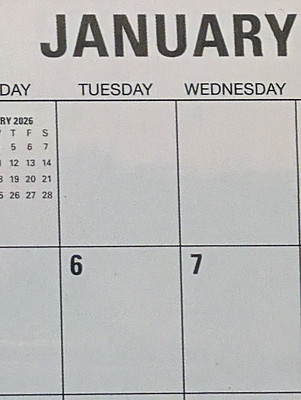
Ideally, you should communicate with your donors at least once or twice a month throughout the year. I know that might sound impossible, but it will be much easier if you put together a communications calendar (also known as an editorial calendar or content calendar).

I like the term communications calendar because it emphasizes the importance of communicating with your donors and other supporters all year round.

Some of you may already have a communications calendar, which is great. Be sure to update yours for 2026, if you haven’t already done that. For the rest of you, here are some suggestions to help you get started. Even though it will take a little time to put together, it will be worth it in the end because you’ll be able to do a better job of communicating with your donors.

This is not just a job for your marketing department. All departments need to work together. Figure out what information you need to share and when you need to share it. You want a consistent stream of information – not three email messages in one day and nothing for three weeks.

As you put together your communications calendar, think about how you will use different channels and which audience(s) should receive your messages. You may only send direct mail a few times a year (and I hope you do use direct mail), but send an e-newsletter once a month and communicate by social media several times a week. You’ll often use several different channels when you send a fundraising appeal or promote an event.

Start big by looking at the entire year and then break it down by months and weeks. You’ll keep adding to your communications calendar throughout the year.

Your communications calendar is a fluid document and these past several years are a good example of how our world is constantly changing. It’s important to keep things current.

Here are some categories you can use in your communications calendar. Some items will be time-sensitive and others are not.

Updates

Your donors want to hear how they’re helping you make a difference. Your print and e-newsletters should be included in your communications calendar. If you don’t do a newsletter, make a plan to share updates another way – maybe by postcard, email, and/or social media. Sometimes short updates are more effective.

Current events/News stories

At the beginning of 2020, most of us couldn’t predict the year we were about to have. There’s still a lot going on, especially here in the U.S.

Many donors will expect you to address current situations. Keep them apprised of how all this is affecting your clients/community. Staying silent often isn’t the best option.

Legislation

Advocacy alerts are a wonderful way to engage with your supporters. Be on the lookout for any federal or state legislation that’s relevant to your organization. Encourage people to contact their legislators about an issue or a bill. Then report back to them with any updates and thank them for getting involved.

Time of year

Is there something going on during a particular month that’s pertinent to your organization? Perhaps it’s homelessness or mental health awareness month.

Thanksgiving, the holidays, and winter can be a difficult time for some people. How can you weave that into an engaging story to share with your supporters? This may be another hard winter for many people.

Keep in mind your organization’s anniversary doesn’t mean much to your donors unless you can tie that in with how they’re helping you make a difference. You could, however, reach out to your donors on the anniversary of their giving.

Fundraising and recruitment

Be sure to add your fundraising campaigns to your communications calendar. You’ll want to have a separate fundraising calendar, too. Of course, your campaigns are important, but you also want to show gratitude and send updates during this time without inundating your donors with too many messages. Planning ahead will help you strike this balance.

If your organization has specific times it needs to recruit volunteers, add that to your calendar, as well. 

Thank your donors

Make this a priority! Find different ways to let your donors know how much you appreciate them. You can combine a thank you with an update. Do this at least once a month. Create a separate set of thank yous for your monthly donors, too.

You could even go one step further and create a separate thank you calendar. I highly recommend that.

Events

Perhaps your organization holds events. Besides your events, are there other events in your community that would be of interest to your supporters? If so, you could share that on social media.

Ongoing content

If you’re making a difference, you have stories to tell. Share a story at least once a month. Client stories (either in the first or third person) are best. Your stories need to be relevant to the ever-evolving current situations, so you may need to create some new ones.

You could also profile a board member, volunteer, donor, or staff member. Be sure to highlight what drew them to your organization.

Put together a story bank to help you with this.

Don’t stop communicating with your donors

As you hear about other relevant information, add it to your calendar, so you can stay connected with your donors/supporters throughout the year.

Here is some more information to help you create a communications/editorial/content calendar.

Use This 2026 Nonprofit Calendar to Plan Your Content Strategy

How to create and use a nonprofit editorial calendar

Editorial and Content Calendars

How Your Nonprofit Can Be More Successful in 2026

Happy New Year! It’s hard to believe another year has gone by. 2025 was a difficult year in many ways. It may have also been a tough year for your nonprofit organization, especially if you were affected by funding cuts and the U.S. government shutdown. Most likely, we will see more uncertainty in 2026, but don’t despair. If you do a good job of planning and make the right decisions, you should be more successful. 

Many individuals make New Year’s resolutions and set goals. Your nonprofit should do the same. As with personal resolutions, you want your goals to be realistic and attainable. If you’re a small organization, you may not have much luck pulling off a huge gala.

Here are a few ways to help you ensure a more successful year.

Have a plan in place

You must have fundraising and communications/marketing plans. If you haven’t put together these plans yet, do that now! Go one step further and create a fundraising calendar, as well. 

Your plans need to be specific, too. I know you want to raise more money and hopefully improve your donor engagement, but how will you do that?

You know from past experience that you may need to make changes to your plans. There’s always a possibility of disruptions. In 2020, it was the pandemic. Last year, it was funding cuts and the government shutdown. Organizations that were able to make changes to a plan already in place were most successful.

Take a look back at 2025 to see what worked and what didn’t in your fundraising and communications/marketing. Incorporate what you’ve learned into your 2026 plans. 

It’s absolutely crucial that your fundraising plan includes a diverse stream of revenue (remember those federal funding cuts last year). Individual giving has proven to be successful. A lot of small donations can add up! Start or grow your monthly giving program (more on that below). Also, look into mid-level, major, and legacy giving. 

You can apply for grants and hold events, but those sometimes require more effort than it’s worth. Invest in strategies that make sense for your organization.

Revisit your fundraising and communications/marketing plans regularly and make changes as needed. Do this at least every two to three months.

Make sure that donor relations and donor retention are part of your fundraising plan. Those are key to your success.

Pay attention to your donor retention

Donor retention continues to be a problem when it should be a priority. You’ll have more success if you work to keep the donors you already have instead of focusing on getting new ones.

First, if you don’t already know it, figure out your retention rate. Do this after every fundraising campaign.

If it’s low, you can fix it, usually with better communication. It’s easier and less expensive to keep your current donors than to find new ones, so once again, make donor retention a priority.

That said, you may have some new donors who saw a need and felt a connection to your cause. Don’t let these donors slip away either. 

Your goal should be to have donors who support you for a long time.

Make monthly giving a priority

I’m a huge fan of monthly giving and think every nonprofit needs to make it a priority.

Why? First, the retention rate for monthly donors is around 90%. These donors are committed to your nonprofit. 

Organizations that have monthly giving programs receive a steady stream of revenue throughout the year. Donors who opt for monthly giving find it’s easier on their finances. Even gifts of $5.00 or $10.00 a month can make a difference for your organization. Dedicated monthly donors also step up and give additional donations.

It’s doable for organizations of all sizes, especially small ones. Work on starting or growing your monthly giving program so you can have a bunch of highly committed donors. A good way to start is to invite your current donors to become monthly donors.

Monthly donors are also potential mid-level, major, and legacy donors. Remember the importance of individual giving and that small donations can add up.

Do a better job of communicating with your donors 

There are many ways to do a better job of communicating with your donors. Start by making this the year you say goodbye to boring, generic communication. Stop using jargon, such as at-risk and underserved. Tell more stories and go easy on the statistics. It makes a difference if you can put things in human terms so you can do a better job of connecting with your donors.

Better communication also means more frequent communication. Donors want to feel appreciated and know how they are helping you make a difference. Be sure to implement the ask, thank, report, repeat formula

You want to segment and personalize your communication, too. Address your donors by name (not Dear Friend) and recognize their past giving or if they’re a monthly donor.

Better, more frequent communication will help you raise more money. Having a communications calendar will help you with this. 

Build relationships with your donors

You may think the most important component of fundraising is raising money. While that’s important, so is building relationships with your donors

It’s hard to raise money year after year if you don’t build a good relationship with your donors. Every single interaction with your donors needs to focus on building relationships. That includes fundraising appeals. It’s possible to raise money and build relationships at the same time. 

Stop thinking of the donations you receive as a transaction and instead think of them as the start or continuation of a relationship. 

Good relationships with your donors will help you with retention.

Create an attitude of gratitude

A big part of building relationships is showing gratitude to your donors. Many nonprofits do a poor job of this. 

You need to start by sending a heartfelt thank you immediately after you receive a donation and then find ways to thank your donors throughout the year. Put together a thank you plan to help you with this.

Start the New Year off by making fundraising and communications/marketing plans, if you haven’t already done so. Prioritize donor retention, monthly giving, showing gratitude, and building relationships with your donors. This will help bring you more success in 2026.

Why It’s Important to Welcome Your New Donors

Year-end fundraising is well underway. I hope your campaign is going well so far. Perhaps you also participated in Giving Tuesday. The latter often brings in new donors, which you never want to take for granted. 

These donors saw a need and found a connection to your cause. Or maybe they were drawn into whatever Giving Tuesday promotion you initiated, but I like to think they wanted to help you make a difference. 

You may have or will see an increase in donations because of funding cuts and the recent U.S. government shutdown, especially if you work with populations that have been impacted by this. Times are tough and many people are struggling. Even so, donors see the need and have been stepping up to help. If that’s the case for you, these are donors who feel passionate about your cause and you don’t want to lose them.

Unfortunately, many of your new donors won’t stick with you. The retention rate for first-time donors is around 20%. We can and must do better.

This is why it’s so important to get a second donation, also known as a golden donation. Once you get that golden donation, you’re more likely to have long-time donors who will keep giving. One way to ensure this is to make your new donors feel welcome.

Start with a special thank you

According to fundraising expert, Dr. Adrian Sargeant, “The thank you is the single most important piece of communication that your donors get. They have a higher recall of it than the appeal that generated the gift.”

Keep that in mind, especially for your new donors.

If someone donates online, it’s hard to tailor the thank you email specifically to new donors. But you can do that with a phone call, handwritten note, or thank you letter.

Try to call your new donors or send a handwritten note. This will make a great impression on them. Get together a group of board members, other volunteers, and staff to help you. If that’s not possible, create a thank you letter specifically for your new donors.

*Make sure these are brand new donors. A good CRM/database will help you avoid any missteps.*

Create a welcome plan

A week or two after the initial thank you, send a welcome package. You can do this by mail, email, or a combination of both. Try to send at least one welcome message by mail. Mail is always more personal and your donors will be more likely to see it.

Welcome your new donors. Thank them again and show them other ways they can connect with you. Invite them to subscribe to your newsletter, join you on social media, and volunteer.

Your welcome package should include a warm introductory message and a few facts about your organization, but don’t brag too much. Keep it donor-centered and be personable. You could also direct people to your website for more information about your nonprofit.

Be careful about how much information you send. Donors want to feel welcome, not overwhelmed.

I don’t recommend sending unsolicited swag. Personally, I don’t like it, but some donors might. You could offer your new donors a gift and they can let you know if they want to receive it, but it’s not necessary. Most of your donors already have plenty of stuff. What donors really want from you is to know how they’re helping you make a difference.

Create a series of messages, also known as a drip campaign. Set a timeline. The first sequence of messages can be sent about once a week. After that, you should continue to communicate regularly (at least once a month) and follow the ask, thank, update, repeat formula. In a few months, you could invite your new donors to give monthly. Monthly donors are committed donors.

Welcome emails have high open rates. Impress your new donors right away, so they’ll be more likely to donate again.

Who are your new donors?

They could be event attendees, volunteers, or newsletter subscribers. If you know, refer to that in your thank you note, letter, or phone call. If not, send a short survey with your welcome package and ask, “How did you hear about us?” or “What drew you to our organization?” 

Another question to ask is whether your donors prefer print or electronic communication. Short surveys are also a good way to connect throughout the year. The more you know about your donors the easier it will be to communicate with them.

Make your current donors feel special, too

While I’ve been focusing on new donors in this post, retention rates for current donors aren’t anything to celebrate. The overall donor retention rate is around 45%, so we have some work to do.

Remember the golden donation, but don’t stop there. You want a third (would that be platinum?) and a fourth, etc. donation.  

If you’re not acknowledging a donor’s past support, you’re making a huge mistake. Imagine how you would feel if you gave to an organization for over five years and they never thank you for your long-time support.  Unfortunately, this happens way too often.

These valuable, long-time donors could leave at any time, so ignore them at your own peril. Make sure they also get a special thank you from you.

Keep it up throughout the year

It’s so important to communicate with your donors regularly. Plan on special mailings or emails specifically targeted to new donors. Remember to try to send something by mail if you can. A better use of your print and mailing budget is to send thank you notes instead of swag.

Think of other ways to do something special for your new donors too, such as an open house or a tour of your facility, either in person or virtual.

Of course, don’t ignore your other donors. You could do something special when you get that all-important second gift. Keep reaching out – at least once or twice a month. 

Show appreciation and share updates. A huge factor in donor retention is a good donor relations plan that you’ll carry out regularly as long as your donors support you, which hopefully will be for many years.

Toolkit: Build a Content Calendar for Nonprofit Campaigns

Use this toolkit to create a content calendar for your nonprofit’s campaign season, fostering stronger donor connections and enhancing your fundraising efforts.

By Anne Stefanyk

Alt Text: Concept image of a calendar, with a pin on the 30th of the month

When building a nonprofit campaign, planning your fundraising strategies is only half the battle. You also need a clear plan for getting the word out about your fundraising efforts, and that begins with a content calendar.

A strategic content calendar is the single best tool for shifting your pre-campaign planning efforts from chaos to control. Research indicates that 69% of the most successful marketers have a documented content strategy, compared to just 16% of the least successful marketers. A calendar unifies your communication into a consistent, powerful message that helps engage and retain your audience members.

This toolkit provides a practical, step-by-step framework for building a content calendar. We will focus on anchoring your strategy to your website, integrating all your channels, and using targeted storytelling to inspire action.

Step 1: Map out your campaign phases.

Before you plan any specific content, you must map out the emotional and tactical journey you want your supporters to take. To ensure your team is aligned, use a shared tool for collaboration. A spreadsheet, a simple document, or a project management tool like Asana works perfectly.

Begin by outlining the key phases of your campaign. Most fundraising campaigns have four distinct stages. Let’s use a hypothetical “Giving Day” campaign for a wildlife sanctuary raising funds for its veterinary hospital as our example.

  1. The Priming Phase (Building Awareness). This is your educational warm-up. The goal is to set the stage and demonstrate your funding need without making a hard ask just yet. For example, two weeks before the Giving Day, you could publish a “Day in the Life of Our Sanctuary Vet” blog post. This article should include compelling photos and storytelling to illustrate the complexity and cost of daily animal care, subtly highlighting why a fully funded wildlife hospital is so crucial.
  2. The Launch Phase (The Big Push). This is the official kick-off. Your content shifts from education to a clear, direct, and exciting call to action. All your channels should activate at once with a unified message. For example, at 8 a.m. on the Giving Day, you can send an “It’s Live!” email blast. Simultaneously, your website’s homepage changes to a Giving Day “hub” with a live-tracker, and your first social media posts announce the start of the 24-hour campaign.
  3. The Momentum Phase (Maintaining Energy). This is the long middle of the campaign, where you need to fight a dip in attention. Demonstrate progress made to donors and use social proof to encourage others to join in. For instance, at 3 p.m., you could post a short, celebratory video saying, “We just passed the 50% mark! Your gifts have already funded the purchase of a new X-ray sensor. Thank you! Can we get to 75% by dinner time?” This type of message shows real-time impact and creates a new mini goal.
  4. The Final Call Phase (Creating Urgency). This is your final, high-energy push to close the gap. Your messaging must be clear, direct, and time-sensitive to motivate supporters who have been waiting to make a donation. For example, at 9 p.m., you may send a “Final 3-Hour Countdown” email that clearly states: “We are $5,000 away from our goal. If you haven’t given yet, now is the time. Don’t wait—your gift before midnight will be a lifeline for our animals.”

Defining these core stages will give you the overarching structure you need to pepper in specific content types and messages throughout your campaign.

Step 2: Layer in content streams.

Your strategic content calendar should help you visualize how you can repurpose one piece of content across your entire ecosystem. This is the key to a robust multichannel strategy that reaches donors where they are.

Focus on your website content first. Your website is the one digital platform you own completely. It is the central hub where all action, donation, and deep engagement should happen.

Place your “pillar” pieces, like blog posts, video uploads, and testimonial drops, on the calendar. Then, build your email and social content around them.

Think of your website as the “hub” and your other channels as the “spokes.” For example, one long-form testimonial published on your blog (the hub) becomes the source material for many other pieces. It can become a quote graphic for Instagram, a “story of the week” feature in your email newsletter, and the emotional hook for a targeted social media ad.

For each phase, define the content needed for each channel. Create columns in your calendar for:

  • The date when the content should be published
  • The content topic or headline
  • The primary channel (e.g., blog, email, Facebook)
  • The task owner

For instance, during your momentum phase, you might have one team member post a “progress update” blog post by 2:45 p.m. Then, another staffer will have the green light to share that blog post’s key message, like a new animal photo or quote, across Instagram, Facebook, and LinkedIn, at 3 p.m. sharp.

This step is where a comprehensive project management system will be your best friend. You can use it to automatically send email or text notifications when it’s time for each team member to complete their tasks, ensuring seamless communication throughout the campaign.

Step 3: Populate with your stories and segments.

Stories make your campaign feel more urgent, personal, and real to donors, especially when you personalize them to each individual’s interests. Review your donor segments and assign specific stories or messages to different email segments.

For example, in the Momentum phase, you might send Email A (featuring an impact story) to your list of brand-new donors, but Email B (featuring a financial breakdown of impact) to your major donor segment. Major donors will appreciate greater transparency into the inner workings of your campaign and its anticipated outcomes, while new supporters will benefit from learning more about the purpose of your fundraising.

Bloomerang Fundraising’s donor segmentation guide also recommends using donor segments to send donors messages on their favorite communication channels. For example, a supporter who prefers text messages is more likely to respond to a campaign text than an email. Your calendar helps you plan for this, sending the right story to the right person on the platform they choose.

Step 4: Review for gaps and accessibility.

Evaluate your calendar from a higher level to ensure you haven’t overlooked any key necessities. Ask yourself questions like: Are you posting too much on one channel and neglecting another? Is there a week with no website content? Are your calls to action clear?

This is also the final check to ensure all planned materials, especially website assets, are accessible. Accessibility is crucial to creating an inclusive nonprofit campaign that enables everyone to participate. Your mission is for everyone, and your campaign content should be, too.

Key accessibility elements to check for include:

  • Readable fonts
  • Alternative text for images
  • Video captions or transcripts
  • Clear website navigation
  • Hierarchical web page design
  • Keyboard navigability

Kanopi Studios’ nonprofit website design guide recommends using both automated and manual checks to ensure you don’t miss any accessibility issues. Automated tests use tools like Lighthouse or Axe to help identify accessibility issues. Manual testing involves someone engaging in user testing, often with the help of assistive technology like a keyboard or screen reader tool, to evaluate your site’s usability.

Step 5: Measure, adapt, and improve.

Your content calendar should be a living document, not a rigid set of rules. The launch of your campaign marks the beginning of your next discovery process, involving constant testing and iteration.

Use a combination of tools such as Google Analytics and your website builder to track key campaign metrics such as:

  • Website traffic
  • The time visitors spend on core web pages
  • Landing page conversion rates
  • Email click-through rates
  • Social media engagement (likes, comments, shares)

If one type of content clearly resonates with your audience, adjust your calendar to capitalize on that success. For instance, if your “Meet the Animals” testimonial series is leading to major donation conversions, center your social media and website content around that to maximize your outreach efforts.

This continuous improvement model ensures that your strategy gets smarter with every campaign you run. Additionally, you can apply this approach to major, multi-year campaigns, such as a capital campaign. These longer fundraising initiatives offer an incredible opportunity to test your messaging and organization efforts, taking you from a novice planner to an expert communicator over the course of the campaign.

Build on what works, and discard what doesn’t—that’s the key to long-term fundraising communications success.


A well-planned content calendar does more than just organize your posts. It frees your team from the daily panic of “what do we post?” and empowers you to focus on what truly matters: building connections.

With this mindset, you can transform your nonprofit website from a simple digital front door into a dynamic hub for promoting both your current campaigns and your mission as a whole.

Anne Stefanyk is the Founder and CEO of Kanopi Studios, a leading digital agency that designs and builds websites for mission-driven organizations. With deep expertise in strategy, user experience, and open-source technologies, Anne has guided Kanopi to become a trusted partner to nonprofits, higher education, and healthcare institutions.

Since launching Kanopi in 2010, Anne has fostered a people-first culture and a strong commitment to accessible, sustainable web practices. Her team creates inclusive digital experiences that help organizations make meaningful impact.

Follow Anne:

X

Drupal

LinkedIn


Don’t Turn Giving Tuesday Into a Money Grab

Your email inbox can look like a hot mess. Even though we only had a few elections in U.S. this fall, I received a multitude of email messages requesting donations. Pretty soon we’ll be bombarded with Cyber Monday and Black Friday ads. And then there’s Giving Tuesday. All of this can be too much, too much, and many of these messages look like spam.

In an ideal world Giving Tuesday wouldn’t be associated with political emails and Cyber Monday ads. According to the Giving Tuesday website, “Giving Tuesday is a global generosity movement unleashing the power of radical generosity.” In theory, that sounds nice, but in reality, it’s a day when nonprofit organizations unleash an onslaught of transactional fundraising appeals by email, text, and social media. It feels like a money grab.

No one likes being barraged with transactional messages. Those of us in the U.S. are feeling overwhelmed because of the government shutdown and the chaos and uncertainty it brought. Your donors deserve better. Focus on generosity and building relationships. 

Beginning in 2012, Giving Tuesday has taken place the Tuesday after Thanksgiving. This year it will be on December 2.

I’m not going to tell you whether or not you should participate in Giving Tuesday. Perhaps you’ve participated in the past and it’s been successful (one way to measure if it was successful is if those donors give again), or maybe it wasn’t. Perhaps you’re planning to participate for the first time. Maybe you’re on the fence. 

Whether you participate or not, Giving Tuesday is part of the nonprofit landscape and if you’re doing a year-end appeal, you’ll need to factor it into your campaign. If you do participate, you want to make it a better experience for your donors instead of the usual barrage of generic, transactional appeals. And, you don’t want your messages to resemble spam.

Here are a few things to keep in mind as Giving Tuesday approaches.

Lead with your need – Just because it’s Giving Tuesday isn’t a compelling reason to give

I see so many messages that say donate because it’s Giving Tuesday. Many donors don’t care if it’s Giving Tuesday or if it’s your “annual appeal.” That’s often not why they donate. They give because they care about your cause and want to help make a difference. 

I give a lot of monthly donations. Around Giving Tuesday, I’ll give additional donations to food pantries and other service organizations. This year I’ve already given some of those donations because people weren’t receiving their food stamps due to the government shutdown. If your clients/community are among those affected by the shutdown and funding cuts, it makes more sense to request donations now instead of waiting until Giving Tuesday.  

Your work is important. Focus on your need and the impact of your donor’s gift. Let them know that with their help, Tina can feed her family or Bobby doesn’t have to sleep on the street tonight.

People and communities are struggling, and it’s going to continue for a while. You need to acknowledge this in your appeals.

It’s not just about the money

A successful Giving Tuesday campaign is about more than just raising a lot of money. You also want to build relationships and make your donors feel good about supporting your organization. This is where it often falls short.

I’m not a huge fan of Giving Tuesday or any giving days, for that matter, because they focus too much on getting donations. Many of these donors are first-time donors who don’t give again. The end result is you’ve just spent a lot of time and effort on getting one-time gifts. That’s not what you want. You need donors who will support you for many years.

Make it personal and segment your donors

Don’t just blast a bunch of generic, transactional appeals that resemble Cyber Monday ads or those relentless requests for political donations. I receive so many political emails, which are just “noise” that I end up ignoring. You don’t want that. You want to attract your donors’ attention in a good way. A more relationship-oriented subject line can help.

You also don’t want to send all your donors the same appeal. If someone donated last year on Giving Tuesday, this is the perfect opportunity to thank them for that gift and ask them to donate again this year. If they donated two weeks ago, maybe they shouldn’t get an appeal right now.

Segment your donors. Acknowledge past donors and make a connection with potential donors. 

Focus on building relationships with your donors instead of just begging for donations.

Also, if you’re sending an appeal to your monthly donors, recognize them as monthly donors and ask them to give an additional gift (many of them will). They get their own thank you, too. Monthly donors are one of your most loyal types of donors. Be sure to make them feel special.

If you’re one of the few organizations that sends more personalized appeals, then kudos to you because that’s what everyone needs to do.

Use Giving Tuesday as a way to follow up with your donors

If you don’t want to launch a full Giving Tuesday campaign (understandable), it can be a great opportunity to follow up with people who haven’t donated to your year-end appeal. You should be sending regular reminders anyway.

Send email, text, and social media messages before and on Giving Tuesday, encouraging people to donate. You can use the Giving Tuesday logos, etc., if you’d like. Obviously, you’ll want to keep following up with anyone who didn’t donate on Giving Tuesday.

Remember, your donors will be barraged with messages on Giving Tuesday. Make yours stand out and be prepared to keep following up.

Put gratitude front and center

Let your donors know how much you appreciate their generosity.

Make sure you have an engaging thank you landing page and thank you email for your online donors. You could even create ones especially for Giving Tuesday. Then you need to follow that with a phone call, handwritten note, or thank you letter.

Do something special for your new donors, but don’t ignore any repeat donors. 

Go the extra mile and do a good job of thanking these donors – both right after they’ve made their donation and throughout the year.

You could skip Giving Tuesday 

Maybe you’ll decide to skip Giving Tuesday altogether. If that’s the case, you may want to hold off on sending email on Giving Tuesday. You may also want to avoid sending email on Black Friday and Cyber Monday. Remember, other organizations will be participating and any messages you send will be competing with the onslaught of Giving Tuesday appeals. 

Before and after Giving Tuesday, use this opportunity to stand out by keeping your fundraising campaign focused on gratitude and relationship building. Year-end is a good time to ramp up your donor communication (examples include thank you messages, holiday greetings, and updates) so people don’t think you’re only asking them for money.

Give back to your donors

I think you’ll find your Giving Tuesday campaign, or any fundraising campaign, will be more successful if you focus on more than just the giving part. And a big part of a successful campaign is getting repeat donations. This means giving back to your donors, as well.

Always focus on generosity and building relationships, and don’t turn your fundraising campaign into a money grab.

Put Gratitude Front and Center During Your Year-End Fundraising Campaign

Year-end fundraising coincides with what we might call the gratitude season, which includes Thanksgiving in the U.S. and the December holidays. This is appropriate since thanking your donors is part of the fundraising equation, even though many nonprofits tend to ignore this.

We’re not living in normal times and it’s vital that you don’t turn your year-end fundraising campaign into a money grab. We’re all dealing with a lot. Your nonprofit may be falling short on revenue. Because of that, you’re laser-focused on your year-end campaign and think you’re too busy to spend much time thanking your donors.

But that’s precisely why you need to get on the thank you bandwagon. Showing some appreciation to your donors right now can help you raise more money for your year-end campaign (or any campaign). It will also make it more likely your donors will give again. This is known as the Gratitude Effect.

One idea is to hold a thankathon, especially if you haven’t launched your appeal yet. Traditionally, thankathons are done by phone, but you can use other channels, too.

You’re never too busy to thank your donors. Besides, don’t they deserve some special attention?

Showing gratitude doesn’t happen nearly as often as it should, but you need to spend just as much time thanking your donors and building relationships as you do on fundraising.

Here are a few ways to incorporate gratitude into your year-end fundraising campaign.

Say thank you in your appeal

Does your appeal thank donors for their past or potential gifts? It should. Everyone wins when you show gratitude while you’re trying to raise money.

This is especially important around GivingTuesday and I’ll write more about that in an upcoming post.

Wish your donors a Happy Thanksgiving

A nice way to show gratitude is to send your donors a special Thanksgiving message. Many nonprofits already do this. If you’re not one of them, make this the year you start. If you can send a card or postcard, that’s great, but an email message is also fine. If you use email, be sure to address your donor by name to make it more personal and send it the day before when they’ll be more likely to see it.

In a recent post about running a multichannel campaign, I suggested skipping the reminder during Thanksgiving week and pouring on the gratitude instead. If you don’t launch your campaign until after Thanksgiving, this would be a great way to kick it off.

There’s a lot of uncertainty right now and your donors will appreciate a heartfelt message from you. Let them know how grateful you are to have them as part of your donor family. 

Don’t stop with Thanksgiving

Thanksgiving isn’t the only time to show some appreciation. The holidays and New Year’s are coming up soon (sooner than you think) and that’s a good opportunity, especially for those of you outside the U.S., to express gratitude. But you don’t need a holiday or other special occasion. Just thank your donors and do it often. 

Whatever you decide, DO NOT include a donation envelope or any other type of ask with your thank you message. This is known as a thask and it’s guaranteed to deflate your donor’s good feelings in an instant.

Be ready to thank your donors as soon as you receive a donation

Every single donor, no matter how much they’ve given or whether they donated online, gets a thank you card/letter mailed to them or receives a phone call.

Planning ahead will help you thank your donors as soon as possible. I’m sure you’re spending a lot of time and effort getting out your fundraising appeal. Perhaps you’ve recruited other staff or volunteers to help you.

You need to do the same thing when you thank your donors. Get your board, other staff, and volunteers to help make phone calls, write thank you notes, or include a handwritten note in a thank you letter. This is also an opportunity for a thankathon.

Make thanking your donors a priority

Your donors deserve more than just the same boring, generic thank you letter. The initial thank you right after you receive a donation is important. So is the next one and the one after that and the one after that….

Thanking your donors is not something you just do after you receive a donation. You want to thank your donors at least once a month. How many of you are actually doing that? 

Here are some ways you can show gratitude throughout the year.

  • Send a handwritten note.
  • Create a thank you video and share it on your website, by email, and on social media. Better yet, personalize it.
  • Send welcome packages to your new donors.
  • Invite your donors to connect with you via email and social media. Keep them updated on your success and challenges. Making all your communications donor-centered will help convey an attitude of gratitude.
  • Thank your donors in your newsletters and other updates. Emphasize that you wouldn’t be able to do the work you do without their support.
  • Hold an open house or offer tours. You can also create a virtual tour or other engaging video content to let your donors see your nonprofit up close and personal.
  • Thank your donors just because they’re great.
  • Keep thinking of other ways to thank your donors.

Create a thank you plan to help you with this.

Show a little kindness

We could all use a lot more kindness and a lot less divisiveness right now. As long as you’re sincere, I don’t think there’s such a thing as being too nice.

In the spirit of kindness, show some gratitude to your donors and make them feel special.

Why Consistency in Communication is Key to Donor Retention

Retaining donors requires a diligent effort to engage and build relationships with them. Explore why consistent communications are key to donor retention.

By Diana Otero

Let’s imagine you donate to an environmental conservation nonprofit for the first time. You’re excited about this cause and how you can make a difference.

After receiving a generic thank-you email, you don’t hear from the organization for a while. You’re a bit disappointed, as you had been looking forward to learning more about the nonprofit and its mission-driven work.

A few months pass, and you finally hear from them again, with an email titled “Give to our organization today!” By this point, you feel that the organization just wants to solicit donations and has no interest in building relationships with supporters or educating them about their cause. You ignore the email and decide not to give to this nonprofit again.

This scenario illustrates the importance of sending consistent, engaging communications that stand out to donors and make them excited to continue supporting your organization. In this guide, we’ll explore reasons why consistent communications empower donor retention and how to adjust your strategy accordingly.

5 Ways Consistent Communications Enable Donor Retention

A steady communication cadence inspires donors to continue contributing to your nonprofit and its community because it:

  • Builds trust and credibility. Predictable communications like monthly newsletters, timely thank-you emails, and event recaps prove your organization’s reliability. When donors receive regular updates about your nonprofit, they can see how it’s actively pursuing its mission and using funds responsibly to execute the programs and initiatives discussed in these messages.
  • Demonstrates transparency. When you communicate with supporters regularly, you’re more likely to update them through both positive and negative circumstances, giving donors a more realistic, honest view of your operations. For example, an organization that sends event recaps may mention that it didn’t reach its fundraising goal and how it plans to rectify this issue next time, whereas a nonprofit without a consistent communication cadence may neglect to share this information.
  • Reinforces impact. The more you communicate with donors, the more opportunities you have to show them how you’ve created better outcomes for your beneficiaries. Regularly sharing stories, impact data, and testimonials helps donors understand that their support is crucial and encourages them to continue giving.
  • Keeps your organization top-of-mind. If you only reach out to donors to solicit contributions, they may feel exploited by your organization and forget about what drew them to your cause in the first place. Sending informational and educational messages reminds donors of your nonprofit’s important work and the engagement opportunities available to them.
  • Fosters deeper relationships. One of the five C’s of communication is connection. When donors hear from your nonprofit regularly, they’re more likely to feel connected to your organization. Over time, you can steward small and mid-level donors to become major donors if you consistently strengthen your supporter relationships through outreach.

When your communications are consistent, everyone wins. Donors feel more informed and connected to your organization, your organization can better retain their support, and, as a result, your beneficiaries will receive the help they need.

5 Tips for Creating More Consistent Communications

1. Establish brand guidelines.

Whether you’re communicating with donors via email, text message, direct mail, social media, your website, or another channel, supporters should clearly recognize that these messages came from your organization. By creating brand guidelines, you ensure that communications across channels and team members are consistent and reflective of your nonprofit.

Your brand guidelines should clarify your:

  • Mission and vision: What is your organization’s purpose?
  • Core values: What are your nonprofit’s guiding principles?
  • Writing style and tone: How should your organization’s copy sound?
  • Positioning: What makes your nonprofit unique?
  • Key messaging: What talking points should staff members hit when creating communications?
  • Logo usage: How should team members place and size your logo on visuals?
  • Color palette: What colors should communications feature to reflect your brand?
  • Typography: What fonts should team members use in messaging?
  • Imagery style: What should images look like?

Remember to update your brand guidelines after a rebrand or major strategy adjustment so your communications align with your nonprofit’s new perspective. Distribute this guide across your team so everyone knows exactly how to construct their content.

2. Create a content calendar.

As Bloomerang’s email marketing for nonprofits guide explains, “Too many emails can overwhelm supporters, causing them to tune out or unsubscribe. At the same time, too few emails can cause your organization to fall off supporters’ radars.”

That’s why creating a content calendar based on your supporters’ communication preferences is the best route for consistent yet welcome messages. Analyze metrics like open and click-through rates, and survey donors to collect data on their ideal message frequency.

Using this information, develop a content calendar that appeals to your donors, stewards relationships with them, and highlights key campaigns, events, and holidays. By scheduling communications ahead of time, donors will know when to expect to hear from you and appreciate this reliability.

3. Personalize messages.

In addition to featuring the same branding and following a regular cadence, consistent communications also acknowledge donors’ past interactions with your nonprofit and reflect their unique relationships with your organization. Receiving relevant messages that align with their interests and engagement history shows donors that your nonprofit cares about them as individuals and makes them more likely to stick around.

Segment your supporters into relevant groups, such as:

  • First-time donors
  • Recurring donors
  • Mid-level donors
  • Major donors
  • Planned giving donors
  • Lapsed donors

Then, personalize messages to donors’ needs to ensure they resonate with them. For example, if you’re trying to solicit a second gift from a first-time donor, instead of sending a generic donation request, you could send them a text that says:

“We were so happy to welcome you to our community five months ago. Since then, we’ve developed a new mentoring program that pairs young children with older children to help them grow as students and people. Would you be interested in lending your generosity again to support children in need?”

4. Leverage automation.

Automating routine communications frees up staff time and promotes consistency. By setting up messages to trigger after certain actions, you can be confident knowing you’ll follow up with donors without even having to lift a finger. Common uses for marketing and fundraising automation include:

  • Thank-you emails that are sent immediately after donors give
  • Welcome email series that triggers after a donor gives for the first time
  • Birthday or giving anniversary messages that automatically send based on stored donor data
  • Educational messages that automatically send after a donor downloads a related resource or reads a blog post
  • Follow-up messages that automatically send when a donor abandons your donation page
  • Surveys that trigger after a donor attends an event or volunteer opportunity

Tweak your automations over time based on donor behavior. For example, you may find that new donors are more likely to engage when you send your welcome email series a day after their first contribution rather than immediately after giving.

5. Implement proper data hygiene.

Outdated, incorrect, or incomplete donor data can prevent you from reaching donors, as well as break up your communication cadence and risk your supporter relationships. Practicing data hygiene allows you to clean up your nonprofit CRM and ensure your messages consistently reach donors.

A complete data hygiene routine may include:

  • Auditing your database
  • Developing data entry standards
  • Validating your data
  • Appending missing information
  • Regularly updating your CRM

Developing data hygiene standards and sharing them across your team ensures your database stays accurate and empowers deliverable communications that help you stay in touch with your supporter base.


Throughout the process of making your communications more consistent, don’t forget to consult your donors. Every nonprofit’s supporters have different needs and preferences. Collect their feedback to determine the ideal communication frequency, messaging, and channels to keep your strategy consistent and aligned with your unique donor base.

As Senior Product Marketing Manager at Bloomerang, Diana Otero leverages her expertise in nonprofit CRM to help organizations strengthen donor relationships. She is passionate about showcasing solutions that empower For Purpose organizations to move beyond data tracking and foster genuine connections. With over a decade at Bloomerang, Diana excels at translating product capabilities into strategies that save time, fuel growth, and allow nonprofits to focus on what matters most: their mission. Her work is informed by her experience as a former nonprofit board member and ongoing volunteer work with various organizations, giving her unique insight into the challenges nonprofits face. Connect with her on LinkedIn.

How To Plan a Mulitchannel Fundraising Campaign

Year-end fundraising season is here. I’m already seeing appeal letters in my mailbox and this is just the beginning.

Speaking of appeal letters, you should send one by mail. I know email is easier and less expensive, but people respond better to mail and it’s well worth the investment. 

However, if you just send one fundraising letter and wait for the donations to come in, prepare to be disappointed. Your donors have a lot going on and may put your letter aside to handle later, and then never get to it.

Of course, you can also send email appeals, but you’ll need to send more than one appeal due to the enormous volume of email people receive. Some donors will respond to the first appeal, but most are going to need a few reminders.

Your fundraising campaign will be more successful if you use a combination of mail, email, social media, texts, and phone calls. Some donors may respond to your direct mail piece but will donate online. This is what I usually do. Others will see your email message but prefer to send a check. You could also include a text to give option and send reminders by text.

You’ll have a lot of competition since you’re not the only organization seeking year-end donations. Most nonprofits rely on year-end for the bulk of their fundraising.

This is why you need a multichannel fundraising campaign with a series of asks.

BEFORE YOU START

Clean up your mailing lists/database

If you haven’t already done this, clean up and organize your mailing lists/database. Do you have both postal and email addresses for all your donors? Be sure to segment your donors into different groups (current, monthly, etc), as well. Having good donor data is essential.

Make it easy to donate online

You need to have a donation page that’s engaging and easy to use on all platforms, including mobile. Test all links in email messages, texts, and social media posts. The last thing you want is a donor contacting you about a broken link or needing to hunt around on your website for a link to your donation page. You also run the risk of someone not donating at all.

When you’re ready to launch your campaign, include a blurb on your homepage that says your year-end campaign is underway. Make sure you have a prominent Donate button.

Which channels do your donors use?

Don’t spend a lot of time on channels your donors aren’t using. Figure out in advance where you want to focus your efforts.

SAMPLE SCHEDULE AND STRATEGY

Come up with a schedule of when the appeals will go out. I’ve created a sample schedule below. Of course, you can adjust the time frame as needed and use this for campaigns at other times of the year. 

I recommend starting your year-end campaign sooner rather than later to get ahead of your competition. If you’re still working on your appeal and thank you letters, be sure to get those done soon.

Finally, if you haven’t already done this, you could send your donors a warm-up letter or email before you launch your campaign. I highly recommend that.

October 29

Give your supporters a heads-up by email and social media. Let them know your year-end campaign is about to launch and they should receive a letter from you soon, provided you have their mailing address. Encourage them to donate online right now. This means your donation page needs to be in great shape.

Keep in mind that the fact your year-end campaign is going on will matter to some donors and not to others. Use an enticing subject line such as  – How you can help local families put food on the table.  

Make sure it’s obvious your message is coming from your organization so you have a better chance of getting it opened. 

Week of November 3

Mail your appeal letters.

Week of November 10

Send an appeal by email. You could also reach out by text and social media if your donors are receptive to those. Use the same messaging as you did in your appeal letter.

And, here’s a friendly reminder to thank your donors as soon as the donations come in.

Week of November 17

Start sending follow-up reminders via email, text, and social media. Weekly or regular reminders are a proven way to help you raise more money. If possible, don’t send reminders to people who have already donated. Otherwise, be sure to thank your recent donors. You can even phrase your reminders as more of a thank you or an update.

Thank you so much to all of you who donated to our year-end appeal. We’re well on our way to serving more families at the Eastside Community Food Pantry. This is crucial. We’re seeing more people coming in because they’re having trouble affording groceries, and we expect this to continue for a while.

If you haven’t donated yet, please help us out today by visiting our website (include a link to your donation page) or sending us a check (provide address).

Week of November 24

November 27 is Thanksgiving in the U.S. I would recommend pausing your fundraising this week and focusing 100% on gratitude. Send your donors a Happy Thanksgiving message, preferably by mail, but an electronic message is fine. Your donors are going to be busy getting ready for turkey day and may not have time to donate that week, but would appreciate a heartfelt thank you from you.

For those of you outside of the U.S., this can also be an opportunity to show some donor appreciation. Even though you’re focused on year-end fundraising, you also need to communicate in other ways right now. 

And, if you’ve been holding off on sending those thank you letters, now would be a good time to get caught up.

Week of December 1

December 2 is GivingTuesday so you could tie that into a reminder message. You may already have a campaign planned.

Love it, hate it, or somewhere in between, your donors’ inboxes will be bursting at the seams on GivingTuesday and your messages can easily get lost in the chaos. Make your messages stand out and remember to show some gratitude, too. If you’re not participating in GivingTuesday, you’ll want to send a reminder on a different day.

Also, not all of your donors will care that it’s GivingTuesday. Focus on how they can help you make a difference.

Make sure your reminders, as well as any GivingTuesday messages, don’t look like spam. And, keep it positive. Don’t make your donors feel bad because they haven’t donated yet.

Week of December 8

Start making reminder calls, along with sending electronic messages. If time is an issue, you could just call people who have donated before. That’s probably most effective. Leaving a voice mail message is fine. 

Sending a text message as well as an email can improve your chance of getting a donation.

It’s a busy time of the year and your donors may need a gentle prompt.

The rest of December and beyond

Keep sending reminders throughout December. It’s tricky because you want to get your messages across without being annoying. This is another reason why you should only send reminders to people who haven’t donated yet.

Be sure to keep up with your donor communication (newsletter and other updates). Remember, you don’t want the only messages your donors receive to be fundraising appeals. December is also a great time to show some appreciation and send holiday greetings.

The end of December is the busiest time of this already busy fundraising season. Send a reminder email on December 29th, 30th, and 31st. This is also proven to be an effective strategy. It’s especially relevant if your fiscal year ends on December 31 or your donor wants to give before the end of the calendar year. According to NextAfter, more people donate on December 31 than on GivingTuesday.

Even though you’re trying to raise money, don’t forget about building relationships, too. That’s just as important.

Look to see who hasn’t contributed yet. Concentrate on people who are most likely to donate, such as past donors. You may need to send another letter or a reminder postcard to donors who don’t use electronic communication. The more you can personalize it, the better.

You can continue following up in the New Year when your donors aren’t as busy.

Once is not enough. Your fundraising campaign will be more successful with multiple asks and by using multiple channels. Good luck!