Get Ready for 2014 – Creating a Communications Calendar

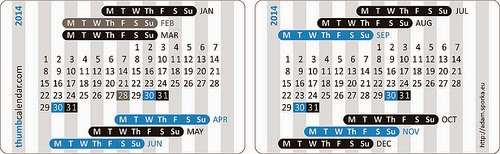
Happy New Year! I hope you have taken time to put together fundraising and marketing plans. My last post in this series about getting ready for 2014 is to create a communications calendar (also known as an editorial calendar). 


I like the term communications calendar because it emphasizes the importance of communicating with your donors and other supporters all year round. One of the great things about having a communications calendar is you won’t get so stressed out trying to come up with content for your newsletters and other updates.

As you put together your communications calendar, think about how you will use different channels. You may only send out direct mail a few times a year, but send out a newsletter once a month and communicate by social media several times a week. You will often use a number of different channels when you send out a fundraising appeal or promote an event.

All your communication should be audience-centered and emphasize how you are making a difference for the people you serve and in the community.

Here are some categories you can use in your communications calendar. Some items will be time sensitive and others won’t be.

Events
Does your organization hold any events? Besides your events, are there other events in your community that would be of interest to your supporters? This is a great thing to share on social media.

Legislation
Advocacy alerts are a wonderful way to engage with your supporters. Be on the lookout for any federal or state legislation that’s relevant to your organization. Encourage people to contact their legislators about an issue or a bill. Report back to them with any updates, and thank them for getting involved.

Time of year
Is there something going on during a particular month that is pertinent to your organization? Perhaps it’s homelessness awareness month or your organization was founded in May 1994.

Thanksgiving, the holidays, and winter can be a difficult time for some people. How can you weave that into your work?

News stories
You won’t be able to predict news stories in advance. However, as something newsworthy comes up, see if that’s something you could share.

Fundraising and recruitment

Be sure to add your fundraising appeals to your communications calendar. You want to highlight these and not inundate your donors with a lot of other information at that time.

If your organization has specific times it needs to recruit volunteers, add that to your calendar, as well. 

Thank your donors
Figure out different ways to let your donors know how much you appreciate them. Do this at least once a month.

Ongoing content
If you are making a difference, you have stories to tell. Share your clients’ success stories. You could also profile a board member or volunteer.

Put together a collection of stories and profiles to use in your newsletter and website throughout the year. If you are profiling board members or volunteers, highlight what motivated them to serve on your board or volunteer with your organization. Keep it focused on your mission.

Keep it up
As you hear about other relevant information, add it to your calendar, so you will always have good content to share with your supporters.

Here is more information to help you create a communications/editorial calendar.
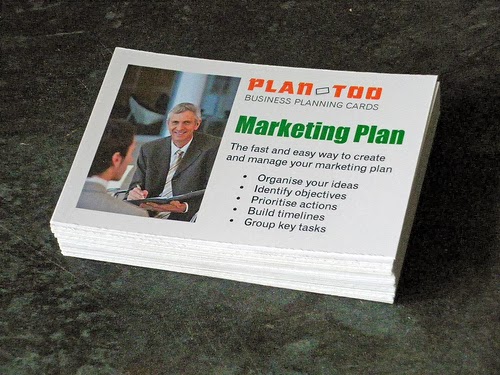

Photo by Adam Sporka via Flickr

Get Ready for 2014 – Creating a Marketing Plan

Marketing and communications often take a backseat to fundraising, even though they are closely related. You can’t raise money without clear messages and a good strategy to communicate those messages.


You need a marketing plan

Some organizations don’t have a marketing plan or they have one that’s sort of piecemeal.

If you have never created a marketing plan, you may want to do a SWOT (strengths, weaknesses, opportunities, threats) analysis or some other kind of organizational analysis to help you get focused. (See links below for more details.)

At the very least, you should create a plan that covers how you will communicate with your audience(s). Ideally, you should be looking at more than one year and your marketing plan needs to be consistent with your strategic plan.

If you already have a marketing plan and have been measuring your progress (Gold stars for you!), you can incorporate what’s worked in the past into your 2014 plan.

Don’t make the mistake of not taking your marketing and communications seriously. Here are a few things to keep in mind as you put together your marketing plan.

Who are you?

What does your organization do and what makes you unique? What is your message platform? If you’ve never created a consistent set of messages, you need to do that. How To Get Everyone In Your Organization To Be Consistent In Messaging

  
What are your needs and goals?
Each nonprofit has different needs. Everyone needs to raise money, but perhaps you also need members, clients, or volunteers. Come up with categories and goals and create a strategy for each. For example, if you need tutors or mentors, you need to come up with a recruitment plan.

Think about going beyond raising awareness. You need a call to action, such as donating, volunteering, attending an event, or contacting your legislator.

Who is your audience?
It’s not everyone. Sometimes it’s people who know you well, such as donors, and sometimes it’s not.

Craft your messages with your audience in mind. What would entice someone to donate, volunteer, or attend your event?

Communicating with your supporters
Reaching out to donors and other supporters is a huge part of your communications. Throughout the year you need to update them on how they are helping you make a difference. In my next post, I’ll write about creating a communications calendar to help you with that.

Communicating with an external audience

Here you want to reach out to people and groups who will be most receptive to your message or call to action. Sometimes you don’t need to look far. For example, you should have more luck promoting your event by asking your social media followers to share your announcement with their friends than you will if you post an event listing in the paper.


All nonprofits want media coverage, but plan carefully. Target the right publications and choose the right stories. Pitch something newsworthy.

Measure your progress
At least once a quarter look at your goals and figure out what is working, what isn’t, and how you can make improvements.

Use this dashboard to monitor your progress. Scroll down a bit for the marketing section.

Library of Sample Dashboard Indicators


Take some time to put together a well thought-out marketing plan. It will be time well spent.

Photo by Plantoo47 via Flickr

Once is Not Enough

I imagine many of you have sent out your year-end appeal within the last few weeks. Are the donations pouring in? Maybe not, but don’t worry yet.


Even though the end of the year is when most nonprofits see the highest level of giving, it’s also a busy time for your donors.

Once is not enough and you need to follow up with friendly reminders. In most cases, you will use a multi-channel approach. This is contingent on the type of contact information you have and what channels your donors use. You may not have email addresses or phone numbers for all your donors.

It’s also important to make your follow-up messages positive. Don’t make your donors feel bad about not contributing yet.


Here are some ways to follow up with your donors.

By email
Email is often the easiest way to get your message across to a large number of people. You probably have email addresses for most of your supporters.


Send friendly reminders once a week. At the end of December, send messages a couple of times between December 27 and 31.

If possible, only send email reminders to people who haven’t donated. If you can’t do that, be sure to thank the people who have already donated. Continue to share success stories. You can also give updates on your progress, if you have a goal and a deadline.


Your email reminder should include a link to your user-friendly donation page.

By social media

Post similar reminders on social media. Provide updates and thank your donors. You can post reminders several times a week, but if you don’t have that many followers, you’ll want to spend your time elsewhere.

Again, include a link to your website to make donating easy.

By phone
Sometimes a quick phone reminder is all it takes to spark a donation. It’s up to you if you want to call everyone who hasn’t donated. Your best bet is to call people who have donated in the past, especially if they have given at a higher level.

This is also a good opportunity to thank your donors. Leaving a message is fine, but be sure to include a call back number and the link to your website.


By mail
In this case, you may want to target a few select groups. If a mailing address is the only contact information you have for a donor, then you’ll want to send a follow-up letter. You can also send letters to higher dollar donors. Be sure to include a pledge form and return envelope. Always make things easy for your donors.

#GivingTuesday
#GivingTuesday is December 3 and this is a great opportunity to remind your donors.  Find ways you can incorporate #GivingTuesday into your follow up plan.


It may seem like you are communicating a lot with your donors, and of course you need to be mindful of contacting them too much, but sending follow-up reminders makes a difference.

Photo by Phil Scoville via Flickr

Create a Thank You Plan

This post is included in the November Nonprofit Blog Carnival | Giving Thanks and Gratitude

You probably have a fundraising plan (if not you should) and maybe a donor relations plan, but do you have a thank you plan?

Nonprofit organizations spend a lot of time on their fundraising campaigns, but treat thanking their donors as an afterthought.

You need to spend just as much time thanking your donors as you do on fundraising.

Creating a thank you plan will help you stay focused on gratitude all year round. Donor retention rates keep plunging and some of the reasons are donors don’t feel appreciated and that they only hear from nonprofits when they are asking for money.

Here are some things to consider as you put together your thank you plan.

Plan to thank your donors right away
Every single donor, no matter how much they have given or whether they donated online, gets a thank you card/ letter mailed to them or receives a phone call.

Try to thank your donors within 48 hours. This shouldn’t be hard to do. Carve out some time each day you get a donation and thank your donors.

Plan to go beyond sending a boring thank you letter

Instead of sending a generic thank you letter, mail a handwritten card or call your donors. Calling your donors to thank them is something your board can do. It’s often a welcome surprise and can raise retention rates among first-time donors.

Here’s where planning comes in. Find board members, staff, and volunteers to make phone calls or write thank you notes. Come up with sample scripts. You may also want to conduct a short training.

If you can’t send handwritten cards or call all your donors, send them a personal and heartfelt letter. Don’t start your letter with “On behalf of X organization we thank you for your donation of….” Open the letter with “You are amazing” or use one of the suggestions from this post. 22 Delightful Ways to Say Thank You!

Add a personal handwritten note to the letter, preferably something that pertains to that particular donor. For example, if the donor has given before or attended one of your recent events, mention that. In addition, make sure all the letters are hand signed.

Let your donors know how much you appreciate them and highlight what your organization is doing with their donation.

Here is more information on how you can do a better job of thanking your donors and some sample phone scripts and letters.

Let’s Do a Better Job of Thanking Donors

Fundraisers, Fix Your Thank You Letters!!


Plan to keep thanking your donors all year round
As you put together your communications calendar, incorporate ways to thank your donors. Try say thank you at least once a month. Here are some ways to do that.

  • Send cards or email messages at Thanksgiving, during the holidays, Valentine’s Day, or mix it up a little and send a note of gratitude in June or September when your donors won’t be expecting it.
  • Invite your donors to connect with you via email and social media. Keep them updated with accomplishments and success stories. Making all your communications donor-centered will help convey an attitude of gratitude. Share accomplishments such as:

Thanks to you, we just started an afterschool program at the Northdale Middle School. Now these students have a safe place to meet and learn new skills.

  • Be sure to keep thanking your donors in your newsletter and social media updates. Emphasize that you wouldn’t be able to do the work you do without your donors’ support.
  • Create a thank you video and share it on your website, by email, and on social media. Our Favorite Nonprofit Thank You Videos 
  • Hold an open house at your organization or offer tours so your donors can see the inner workings of your nonprofit. 

Show Appreciation by Holding an Open House

The Power of Place – Making the Most of Tours For Donors

  • Keep thinking of other ways to thank your donors.
Creating a thank you plan will make it easier to keep showing appreciation to your donors all year round. If you treat them well, maybe they’ll treat you well the next time you send a fundraising appeal.

How to Make Your Website Donor-Friendly

Many of you are busy with your fall fundraising appeal. Even if you mail your appeal letter, a lot of people will donate online. If you are sending out reminders by email and social media, you are also including a link to the donation page on your website. 

From now until the end of December is the busiest time of year for fundraising. All of a sudden people will be flocking to your website.

Are you ready for all these visitors? Here are some ways to ensure that your website is donor-friendly.

Your donation page
Take a few minutes to check your donation page. Is it easy to use and navigate? Does it have an engaging message and photo? Is that message consistent with the one in your appeal letter?


Read on for more information on How to Create a Welcoming Donation Page 

Your home page
Let’s say you have a donor who wants to contribute, but doesn’t have immediate access to the link to your donation page. That person will Google your organization and be taken to your home page.

This means your home page needs a prominent Donate Now button, along with a friendly message letting people know your fall appeal is underway.

More information please
Having a donor-friendly website applies to all your web pages. What if someone wants to know more about a program you mention in your appeal letter? Does your site have that information? Is it easy to read and understand?

Maybe you have a prospective donor who wants to find out more about your organization’s work before she gives. Do you have some compelling stories and accomplishments to share?

Perhaps someone else wants to volunteer. Do you have up-to-date and clear information on how he can get involved?

You never know what will happen once someone enters your website. You need to be prepared for people to visit multiple pages, which, of course, you’d like them to do.

Are all your web pages up-to-date and audience-friendly? Use this website checklist to find out. A Website Checklist 

Be mobile friendly, too
More and more people are using their mobile phones and tablets to access the internet. Make sure your website is mobile friendly, too. Responsive design may be your best bet.

Mobile Friendly Websites for Nonprofits – Case Study


Keeping your website donor-friendly is relevant all year round, not just during a fundraising drive.

The internet is still a popular place to find information, and more people are donating online now. Don’t miss out by not having a donor-friendly website.

How to Create an Annual Report That Won’t Bore Your Donors

What do you think of when you hear annual report? Are you picturing a long, boring document filled with wordy text and statistics? It doesn’t have to be like that.


You want to create an annual report that will engage your supporters and not bore them. But, before we get into how you can do that, here are few things to consider.

Does it make sense to produce an annual report? 
It might not. Nonprofit organizations aren’t required to produce an annual report, but they can be beneficial, if done well. Read on for more information to help you figure out if it makes sense for you to produce an annual report. Do Annual Reports Still Make Sense?

If you decide not to do an annual report, find another way to share accomplishments with your donors.

All your donors are not the same
You may want to consider different types of annual reports for different donor groups. Marketing expert Kivi Leroux Miller recommends an oversized postcard with photos and infographics. I think that’s great for most of your donors.

Your grant and corporate funders might want more detail, but not 20 pages. Aim for no more than four pages. Your funders are busy and don’t have a lot of time to read your annual report.

This Annual Reports Wiki includes some great examples including postcards and videos.

No matter what type of annual report you produce, here are some suggestions for creating one that won’t bore your donors.

Be donor centered. 
The purpose of an annual report is to show your donors how they are helping you make a difference for the people you serve.


Think about what your donors want (not what your board wants or what you have always done). They don’t want you to go on and on about how great your organization is. Share accomplishments like this –Thanks to you, 85% of the students in our tutoring program are reading at their grade level or above.

Make it visual
Find some engaging photos to include in your annual report. Photos can tell a story in an instant. Choose photos of people participating in an activity, such as a tutor helping her student with her reading.


Use colorful charts or graphs to highlight your financials. This is a great way to keep it simple and easy to understand.

Sprinkle in quotes and short testimonials to help break up any text. 


Tell a story
You can tell a story with words, a photo, or video. Share a success story about a person you have helped. For example, Cara used to struggle with her reading, but now reads at her grade level after weekly tutoring sessions with Amy, one of our volunteer tutors.

Be conversational
Write in the second person and use a warm, friendly tone. Ditch the jargon and passive voice.

Use everyday language such as – With your help we found affordable housing for over 100 homeless families. Now they no longer have to live in a shelter, motel, or their cars, and have a place to call home.


Break from tradition
Traditionally annual reports have included an introduction from the executive director or board chair. I find these often drone on and don’t entice you to read more. If you do include an introduction, make it brief, friendly, jargon-free, and filled with gratitude towards your donors for their support in helping you reach your goals.

Annual reports usually contain a donor list, which have pros and cons. Some donors want public recognition, but these lists take up space and most people aren’t going to read them.

You’ll have to decide if it makes sense to include one in print. You may want to include a list of donors at a certain level in your annual report and all your donors on your website. Whatever you decide, be sure to thank all your donors in this section and double and triple check that their names are spelled correctly.

Annual reports can be time consuming. Don’t let your hard work go to waste. Create an annual report that will capture your donors’ attention right away and not bore them.

Photo by Dion Gillard via Flickr

Why You Need to Plan a Multi-Channel Fundraising Campaign

Fundraising season is here and you are probably busy getting ready for your annual appeal.


Today we have many ways to reach out to our donors – by mail, email, social media, phone calls. But your fundraising campaign will be more effective if you use a combination of these.

Some donors may respond to your direct mail piece, but donate online. Others will see your email message, but prefer to send a check. Some donors will respond to the first appeal, while others need a few reminders. This is why you need a multi-channel plan.

BEFORE YOU START

Clean up your lists
If you haven’t already done so, make sure you Clean Up and Organize Your Mailing Lists

Prepare your website
You must have a donation page that’s engaging and easy to use. Test all links in email messages and social media posts. The last thing you want is a donor contacting you about a broken link or having to hunt around on your website for the donation page.

Right before your annual appeal goes out, include a blurb on your homepage that your appeal is underway. Make sure your donate button is in a prominent place.

Here is more information on How You Can Create A Welcoming Donation Page

Consistency is key

Your messages need to be consistent across all channels. Use the same story and call to action in direct mail, email, and on your website.
Everything you send out needs to look like it’s coming from the same organization.

Which channels do your donors use?
Don’t spend a lot of time on channels your donors aren’t using. Figure out in advance where you want to focus your efforts.


SAMPLE SCHEDULE AND STRATEGY

Come up with a schedule of when the appeals will go out. I’ve created a sample schedule below. Of course, you can adjust the timeframe as needed.


October 23
Give your supporters a heads up by email and social media. Let them know that your annual appeal is underway and they should receive a letter from you soon. Encourage them to donate online right now. This means your donation page needs to be ready to serve your donors.

Week of October 28
Mail out your appeal letter.

Week of November 4
Send out follow up reminders via email and social media. If possible, don’t send reminders to people who have already donated. Otherwise, be sure to thank your recent donors. You can even phrase your reminders as more of a thank you or an update.


A big thank you to all of you who have donated to our annual appeal. We are more than half way to our goal. If you haven’t donated yet, please help us out today by visiting our website (include a link to your donation page) or sending us a check (provide address). 

Week of November 11
Send out another reminder. It’s a busy time of year and some people might need a gentle prompt. 

Week of November 18
Start making reminder calls. If time is an issue, you could just call people who have donated before. That’s probably most effective.

Week of November 25
Send a Happy Thanksgiving greeting along with a friendly reminder. Share a success story in your appeal.

Week of December 2
December 3 is Giving Tuesday so you could tie that into your reminder. 

The rest of December and beyond
Keep sending reminders throughout December. It’s tricky because you want to get your message across without annoying your supporters.
Continue to send out your newsletter and other updates. You don’t want the only messages your donors receive to be fundraising appeals.

Network for Good recommends sending a fundraising email on December 27, 29, and 31. This is especially relevant if your fiscal year ends on December 31 or your donor wants to give before the end of the calendar year.

Look to see who hasn’t contributed yet. Concentrate on people who are most likely to donate, such as past donors. 

Also, keep track of how many donors come through each channel.

We live in a multi-channel world. Take time now to plan your strategy in order to boost your fundraising results.

Here is more information to help you with your multi-channel fundraising.


Image by Daniel Iverson via Flickr


Make Your New Donors Feel Welcome

Did you know that approximately 75% of first time donors don’t make a second gift?  Yikes! 

Donor retention rates have plunged over the last couple of years, but let’s make 2013 the year we turn those numbers around.

Step 1 – Do something special for your current first time donors before you send out your annual appeal.  

You could send them a short thank you email, postcard, or note card in which you shower them with appreciation and give a specific example of how their support is helping you make difference.

Of course, you should continue to stay connected to all your supporters by showing gratitude and sharing accomplishments.

Step 2 – In my last post, I wrote about personalizing your annual appeal letters for different types of donors.  Thank your first time donors for their previous gift, let them know how much you appreciate them, and show them how they are part of your success.

Step 3 – A huge factor in donor retention is a good donor relations plan that you will carry out regularly as long as your donors support you, which hopefully will be for a long time.

Here is what you can do for your new donors.

Create a welcome plan
Welcome your new donors. Say thank you and show them other ways they can connect with you. Invite them to subscribe to your newsletter and join you on social media.

Some organizations mail out welcome packages. This can include a warm introductory letter and a brochure or fact sheet, as well as guiding new donors to your website for more information about your organization.

Be careful about how much information you send out.  Donors want to feel welcome not overwhelmed.

I don’t recommend sending unsolicited swag such as Address Labels, Blankets, Calendars Instead, you could offer your new donors a gift and they can let you know if they want to receive it, but it’s not necessary. 

What donors really want from you is to know how they are helping you make a difference.

Phone calls matter
According to fundraising expert Roger Craver, thank you calls increase retention rates for first time donors by 25%. You should make thank you calls to all your donors, but if that’s impossible, one of your priorities should be calling your new donors.

Get a group of board members and other enthusiastic volunteers to do this.  Leaving a message is fine, but if you do get someone on the line, ask her what drew her to your organization.

Remember to thank your donors within 48 hours.

Who are your new donors?
They could be event attendees, volunteers, or newsletter subscribers.  If you know, make a reference to that in your thank you letter. If not, send a short survey and ask “How did you hear about us?”  Surveys are also a good way to connect throughout the year.

Keep spreading the love
Keep reaching out your donors – at least once or twice a month.  Show appreciation and update them on your success. 

Also, think of ways to do something else special for your new donors. You could offer tours of your facility or hold an open house.

Let’s hope next year at this time the donor retention rates won’t be so dismal.

One Size Doesn’t Fit All

A mistake some nonprofits make is to send everyone on their mailing list the same annual appeal letter. You have different relationships with these individuals, so you need to personalize your letters as much as possible. Don’t worry, you can use some of the same content in all your letters. 

Know your audience. Spend a little time going through your records to get information on your donors and segment them into different groups.  A good database will help with that. 

Here are some ideas for segmenting your lists and ways to personalize letters for different donor groups.

Current Donors
You will have the most luck with your current donors.  Ideally, your donors will donate again and give a higher amount. This may not happen if you haven’t been engaging with them throughout the year.

Let these donors know how much you appreciated their previous gift and include the amount of that gift.  Donors don’t always remember what they gave last time and you want to help them out so they don’t have to spend time searching their records. 

First Time Donors
The biggest attrition comes between the first and second gift.  Show these donors a little extra love right now.  You don’t want them to slip away.  You could send them a special thank you email or postcard showing them how they helped you achieve X.

Lapsed Donors
Don’t write off these donors yet, especially if they have donated within the last few years.  Let them know you miss them and want them back.

At some point, you’ll want to go through your list of lapsed donors to see which ones you should keep following up with.

Event Attendees
If someone has attended one of your fundraising or cultivation events, mention how great it was to see her at that event.

Something else to keep in mind – After you hold an event, be sure to send thank you notes to all attendees.

Volunteers
Volunteers are another potential donor group.  After all, they should be passionate about your work.  You’ll have better luck if they feel appreciated.

Some volunteers may not have the means to give or feel their time is their gift, but they might be able to get their friends or parents to donate.

Other Supporters
If you are sending an appeal to someone who has never donated to you before, don’t thank him for a past gift. 

You may be sending appeals to newsletter subscribers or social media followers who are not donors.  Here you can thank them for their interest or find some other way to connect.

You may have also traded or bought mailing lists, which will not bring you as much success as you will have with current donors and supporters. Try to find a connection between their interests and your organization.

Handwritten notes
You’ll want to include a short handwritten note on all of your appeal letters.  Use some of the same personal information you have gathered.  If it’s impossible for your organization to create different letters, then tailor these handwritten notes to each donor.

Be personal
Again, don’t send out a generic annual appeal letter.  One size doesn’t fit all.

Here are a couple of more ideas to help you make your donor communications more personal and other ways you can segment your lists.

Are You Ready For Your Annual Appeal?

Wow, it’s already September.  This summer seemed to zip by. As the humidity gives way to that wonderful crisp air, life gets a whole lot busier once Labor Day passes.

This is also true for nonprofit organizations, especially if you are doing an annual appeal later in the fall.  Many nonprofits rely on their annual appeal for a good portion of their revenue.  Even if you are not sending it out for a couple of months, there’s a lot to do to prepare.

I’ve compiled this checklist of items to help you get ready for your annual appeal.

How much money do you need to raise?
You may have already set a goal in your 2013 fundraising plan (at least I hope you did) and perhaps you need to revise that goal.  If you haven’t set a goal, determine how much money you need to raise before you start your campaign. 

Make a plan
Start putting together a plan for your annual appeal that includes a timeline, task list, and the different channels you will use.  Make it as detailed as possible. A Fundraiser’s Guide to the Fall 

Update your mailing lists
Make sure your postal and email mailing lists are up-to-date.  Check for duplicate addresses and typos.  Your donors do not want to receive three letters or have their names misspelled.  Also, segment your lists by donor group. Clean Up and Organize Your Mailing Lists 

Stories and photos 
Find a good story for your annual appeal. You’ll want some engaging photos for your letter and donation page, too.  Quotes can also enhance your appeal. Put Together a Collection of Stories and Photos 

Accomplishments and plans for the future

Your appeal letter should highlight some of the year’s accomplishments and state what you plan to do next year. For example, let’s say you run an afterschool program for high school students. Share your success of reaching your goal of serving X number of students. Next year you would like to expand and serve middle school students, as well.

Focus on the people you serve and show how you are making a difference thanks to your donors’ contributions.

Letterhead and envelopes
Don’t wait until the end of October to check your supply of letterhead and envelopes.  Make sure you have enough.  Perhaps you want to create a special outer envelope. 

Even though many people donate online, you want to make it easy for donors who prefer to mail a check.  Include a return envelope and a preprinted form with the donor’s contact information and the amount of last year’s gift.

Donation page/website
Speaking of online giving, be sure your donation page is user-friendly and consistent with your other fundraising materials.  Highlight your annual appeal on your home page and include a prominent Donate Now button. While you are at it, check your website for out of date information and broken links. Create A Welcoming Donation Page

Giving levels
Create a set of giving levels, if you haven’t already done so. This example from the Fresh Air Fund shows donors how their support helps send New York City kids to camp – $21 pays for a bus ticket, $100 covers swimming lessons, and all the way up to $962, which funds one week at camp. About Countdown to Summer 

Monthly giving
Monthly giving is great way to get larger contributions.  Some people might balk at donating $100 or more, but if you present it as $10 a month ($120 a year!), it sounds more feasible.

Thank yous
You aren’t done with your annual appeal once you mail out your letters. You need to thank your donors as soon as you receive their gifts. Unfortunately, thanking donors seems to be an afterthought for some organizations. 

Now is a good time to create or buy some thank you cards, as well as finding board members to make thank you calls.

Keep your donors happy
I realize you’re busy getting ready for your annual appeal, but this is not the time to skimp on your newsletters and social media updates.  Keep engaging your donors and other supporters (who may become donors) by sharing success stories.  Go the extra mile and send messages of gratitude or hold an informal open house. 

I’ll be writing more about annual appeals throughout the fall.  In the meantime, what are you doing to prepare for your annual appeal?