Roll Out the Red Carpet for Your New Donors

6895820769_201c897309_z

Did you know that approximately 70% of first-time donors don’t make a second gift? This has to stop. We can do better a better job of keeping our donors. Here’s how.

Do something special for your current first-time donors

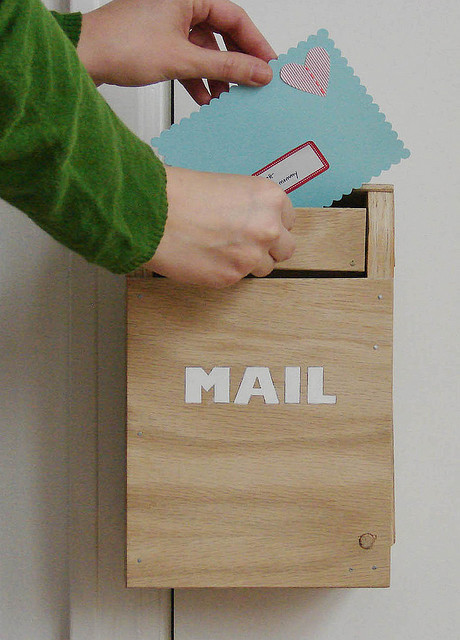
Before your next big appeal, make a point to send your first-time donors a short thank you email, postcard, or note card in which you shower them with appreciation and give a specific example of how their support is helping you make difference.

Of course, you should continue to stay connected to all your supporters by showing gratitude and sharing accomplishments.

Create a welcome plan

Your first step after you receive a donation is to thank your donors within 48 hours, preferably with a handwritten note or phone call. Don’t send a boring, generic thank you letter. Take time to create an awesome thank you. Don’t Treat Thanking Your Donors as an Afterthought

Research by fundraising expert Penelope Burk states that first-time donors who receive a thank you call are more likely to donate again and give at a higher level the next year. Get a group of board members and other enthusiastic volunteers to call your new donors, or send them a handwritten thank you card.

*Make sure these are actually new donors. A good database will help you avoid any snafus.*

A week or two after the initial thank you, send out a welcome package. You can do this by mail, email, or a combination of both.

Welcome your new donors. Thank them again and show them other ways they can connect with you. Invite them to subscribe to your newsletter and join you on social media.

Your welcome package can include a warm introductory message and a brochure or fact sheet. You could also direct people to your website for more information about your organization.

Be careful about how much information you send. Donors want to feel welcome not overwhelmed.

I don’t recommend sending unsolicited swag. You could offer your new donors a gift and they can let you know if they want to receive it, but it’s not necessary.

What donors really want from you is to know how they’re helping you make a difference.

New Donor Welcome Kits | Your Next Gift Strategy

How Welcoming is Your Welcome Package?

5 Ways to Wow with Welcome Packs

Who are your new donors?

They could be event attendees, volunteers,or newsletter subscribers. If you know, refer to that in your thank you note or phone call. If not, send a short survey with your welcome package and ask, “How did you hear about us?”

Another question to ask is whether your donors prefer print or electronic communication. Short surveys are also a good way to connect throughout the year. The more you know about your donors the easier it will be to communicate with them.

Keep spreading the love

Keep reaching out to your donors – at least once or twice a month. Show appreciation and update them on your success.

Think of other ways to do something special for your new donors, such as offering tours of your facility or holding an open house.

A huge factor in donor retention is a good donor relations plan that you will carry out regularly as long as your donors support you, which hopefully will be for many years.

Let’s keep working on bringing up those retention rates.  In my next post, I’ll share some ideas to help you keep your longer-term donors.

How to Create an A+ Appeal Letter

a-plus-school-letter-grade

Wow, September is already here. Can you believe how fast the summer went?

If you’re doing a year-end appeal, it’s time to start getting ready for it. One of the most important components is your letter.

You want to create a letter that captures your donors’ attention right away and convinces them to donate. Sounds simple, but it’s not. Here are some ways to ensure an A+ appeal letter.

Make a good first impression

First, you need to get your donor to open your letter. Give some thought to the outer envelope. You could include a teaser such as Learn how you can help Lynn find her own home.

You want to be both personal and professional. If hand addressing the envelopes isn’t feasible, make sure your mailing labels look clean, are error-free, and aren’t crooked. Use stamps if you can.

Create an inviting piece of mail.

Open with a story

Start your letter with a compelling story. Focus on a person or family and not your organization. Your donors want to hear about the people they’re helping.  For example, you could tell a story about Lynn and her struggle to find affordable housing.

Include a photo

Include an engaging color photo in your letter or on your pledge form. Photos can tell a story in an instant.

Here’s more information on creating stories and photos.

Why You Need to Tell Your Stories

Get Noticed in an Instant With a Visual Story

Don’t bury your ask

Ask for a donation at the beginning of the next paragraph (after the story). Also, ask your current donors if they can give a little more this year.

Phrase your ask like this – We’re so grateful for your previous gift of $50. Could you help us out a little more this time with a gift of $75?

If you’ve been doing a good job of engaging your donors throughout the year, they shouldn’t mind if you ask for a larger gift. BTW, including the amount of your donor’s previous gift is helpful since people often don’t remember what they gave before.

Donors come first

Don’t make your letter all about your organization. Show how you’re making a difference and how much you appreciate your donor’s role in that. Make your donor feel good about supporting your nonprofit.

Share your success

Highlight a few accomplishments from the year and show how you plan to continue your good work with your donor’s help. Remember to stay donor-centered! How You Can Share Accomplishments Without Bragging

Give it the personal touch

Send different letters to people who have donated before and thank them for supporting you. You can also tailor letters to other groups such as lapsed donors, people on your mailing list who haven’t donated yet, event attendees, volunteers, and friends of board members.

Make every effort to do this, especially for donors who have given before. Kick it up a notch for your past donors, so they’ll continue to support you.

Your letter should also have a personal salutation and not be addressed to Dear Friend.

Easy peasy

Include a return envelope with amounts to check off or an envelope and a pledge form. Show what each amount will fund. Here’s an example.

In addition, include a link to a user-friendly donation page on your website. Even if donors receive a letter, they may prefer to donate online.

Offer a monthly or recurring giving option

Monthly gifts can generate more revenue. Encourage your donors to give $10 or $20 a month. If they do, you’re getting gifts over $100 each!

It must be easy to read (or scan)

Use short paragraphs and bulleted lists, along with bold or color for key words, but keep it tasteful. Make it easy to read and scan. Use a simple font and 14-point type.

It’s fine to go over a page, especially if you’re breaking up the text with a photo and short paragraphs, but I wouldn’t go over four pages. You can also add a quote or short testimonial. These can be powerful and it helps break up the narrative.

Have a conversation with a friend

Use a conversational tone and keep out jargon like at-risk youth and underserved communities. Be specific and use everyday language. Refer to your reader as you and use you a lot more than we. How to Perform the “You” Test for Donor-Centered Communications – Do You Pass?

Too many editors spoil the appeal

Generally, the more people you involve in writing your letter, the worse it becomes. Your best writer should craft it and then turn it over to your best editor. Whoever signs the letter (your Executive Director?) can take a quick look at it, but don’t go overboard.

Besides weakening the content, involving more people takes extra time.

All’s well that ends well

Repeat your ask at the end of the letter. Don’t forget to say please and thank you.

Add a PS

Give some thought to this. People often gravitate to the PS as they scan the letter. Here you could emphasize monthly giving or ask if their company provides matching gifts.

Get your pens out

Include a short handwritten note. Make it relevant to each donor, such as thanking her for a previous donation or letting him know it was nice to see him at a recent event.

Hand sign the letters in blue ink.

Are you ready?

Send out an A+ appeal letter that will capture your donors’ attention and bring you the donations you need. Good luck!

Need some more inspiration? Read on.

8 Reasons Why I Didn’t Respond to Your Fundraising Letter

[INFOGRAPHIC] How To Write An Annual Fundraising Appeal Letter

Photo courtesy of http://www.photos-public-domain.com

How You Can Share Accomplishments Without Bragging

5312435881_19982faa7c_z (1)

This post is included in the August 2015  Nonprofit Blog Carnival: Sharing Progress and Communicating Accomplishments 

We all know someone who talks too much about himself or brags about all the wonderful things she’s done.  Once this person gets going, it’s enough to make you want to flee the room.  Imagine your donors having the same reaction when all your communications sound like one big bragfest. You don’t want to be that guy

Of course, you want to share your accomplishments, and it’s possible do it without bragging. Here’s how.

Be donor-centered

You don’t need to tell your donors your organization is great. They wouldn’t have given you money if they didn’t think highly of you.

Let your donors know they’re great because they helped you make a difference for the people or community you serve. Give specific examples.  Because of donors like you, Rachel can sleep in her own bed tonight.

All your communications should be donor or audience-centered.  One way to ensure this is to use the word you more than we or us. Can Your Organization Pass the Donor-Centered Test?

Share a story

Telling a story is a great way to share accomplishments. Whether it’s in the first or third person, you can give a personal account of how you’re making a difference. Remember to focus on the people you serve and keep your organization in the background.

Why You Need to Tell Your Stories

Photos and videos featuring the people you serve is another good way to share accomplishments.

Focus on why

Instead of the usual laundry list you see in annual reports, such as we served over X number of students in our tutoring program, focus on why that’s important, too.  Students in our tutoring program are now reading at their grade level and have a better chance of graduating from high school on time.

Show don’t tell

Too many newsletters and annual reports ramble on about how an organization is number one in such and such, or there was a crisis and Y organization came in to solve it.

Go back to stories and examples.  You can’t ignore your organization all together, but instead of saying we were the first organization to come in and help the earthquake victims, say Thanks to you, residents of the earthquake-ravaged town now have access to clean drinking water and medical care.  How you made a difference is more important than being first or best.

Current donors want to see the results of their gift. Potential donors may be more interested in your reputation, but they also want to see how their donation will make a difference.

A quick checklist

Before you share accomplishments in an appeal letter, thank you letter, newsletter article, social media update, annual report, etc. Ask these questions:

Is this donor/audience-centered?

Are we focusing on the people/community we serve?

Are we showing results?

Are we saying why this important?

Are we bragging too much about ourselves?

Show Appreciation by Holding an Open House

3279816851_37636b4b1d_z

Are you thanking your donors all year round?  One special way to show appreciation is to hold an open house at your organization. If you can’t hold one on site, have it at a restaurant or other venue.  You may be able to find someone to donate space.

Invite other supporters, too

You could just have an event for donors, but why not invite other supporters such as event attendees, email subscribers and social media followers? This could be a great way to convert these supporters into donors. Also, encourage donors to bring a friend.

Coordinate it with your year-end appeal

Depending on your resources, you may only be able to hold one open house a year.  If you can hold more, that’s great.

A good time to have your open house is before you launch your year-end appeal, so you could hold one sometime between mid-September and early November.

Another option is spring, if you have an appeal then, or you could make it a thank you event.  Winter is tricky, unless you’re fortunate to live somewhere where it doesn’t snow.  July and August are also problematic since that’s vacation time.

Whenever you decide to hold your open house, don’t ask for money at this event.

Keep it informal

No three-course dinners and speeches that drone on.  Hold a gathering where your supporters can drop in after work, and serve something to eat and drink. You may be able to get food and beverages donated or find a sponsor.

Have a brief program.  You could show a video and/or let a client share his/her story. Your executive director or board chair should thank your guests and share some accomplishments and plans for the future.  Again, keep it brief. You don’t want anyone running out the door.

Create some photo displays and have literature available. You could also show a video on a laptop. Offer tours, if that makes sense.

Let your donors and other supporters see the heart and soul of your organization.

Get your board involved

You must have a good turnout from your board. Encourage board members to invite friends and other potential prospects.

Make everyone feel welcome

Don’t stand in the corner talking to your co-workers.  Your staff and board needs to mingle with your guests and make them feel welcome.

You may need to go over your organization’s talking points and brush up on your elevator pitches, so everyone is prepared to talk about what you do and answer questions.

How to Get Everyone in your Organization on the Same Page

Don’t let them get away

Anyone who has taken time out of his/her busy schedule to attend your open house needs to be showered with love.

Collect names and addresses of people who attended and send a thank you note right away. Don’t ask for money (that comes later).

When you do send your next appeal, include a sentence that says, “It was great to see you at our open house.”

Not all your donors will attend your open house,but will appreciate the invitation. Donors and other supporters who do come are showing you they’re interested in your organization.  Keep cultivating them.  This will help ensure they’ll continue to support you.

Connection Not Interruption

4285426377_e67ccd8055_z

I’m a big fan of marketing guru Seth Godin. His blog is filled with pearls of wisdom. I highly recommend subscribing to it for his daily gems. One that caught my attention recently is “connection not interruption.”

When you’re communicating with donors here’s how to ensure you’re connecting and not interrupting.

Be donor-centered

Some people may think of fundraising appeals as an interruption, but you can connect with your donors in an appeal if you focus on them. Thank your donors for their past support, show them how their gift will make a difference for the people you serve, and let them know you couldn’t do what you do without them.

Connect because you want to, not because you have to

Just because you have a monthly e-newsletter, doesn’t mean you’re connecting with donors, especially if it’s filled with boring articles about how wonderful your organization is. Don’t get caught in a situation where the beginning of the month is coming up and you quickly cobble something together just to get your newsletter out. Because if you do, it will show.

Having a communication calendar to help you plan is great, but you also need content that connects. Stay Connected Throughout the Year by Using a Communications Calendar 

Be a welcome visitor

People receive so much useless information, especially by email and social media.  Even our direct mail is mostly junk mail. Share information your donors will be interested in, such as stories that show them how they’re helping you make a difference.

Donors don’t have much time to slog through a bunch of long-winded text. Share short, easy to read messages. Even better, connect in an instant with a great photo or image.

Write as if you’re having a conversation with a friend and don’t confuse donors with terms like food system problems.

Use inviting subject lines such as Learn how you helped Janet find her own home. Make your direct mail piece look inviting by hand addressing the envelope or putting a teaser on the envelope like the one above.

How much is too much

Most likely you aren’t communicating enough. I recommend direct mail (not just fundraising appeals) at least four times a year, monthly e-newsletters, weekly short email updates, and social media at least once a day. But that may not work for your organization.

Another one of my favorite Seth Godin quotes – “Is more always better? Sometimes, only better is better.”

If it’s impossible to send email every week, send it every other week, but make it shine.

Get donors involved

Include a short survey or poll in your e-newsletter asking donors to vote on their favorite article or choose their favorite picture for a campaign or your website. I know of an organization that asks supporters to vote on their favorite holiday card designs.

Make it easy and fun – nothing time consuming. There are lots of different ways to connect besides updates.  If you asked donors to contact their legislators, thank them for getting involved and let them know the results. Invite people to be part of a conversation on social media.

5 Super Solid Ways To Engage Your Supporters Online (PLUS 28 Affordable Tools to Help You Do It)

Are you really connecting

Don’t just send stuff – make sure you’re really connecting.  Check your email click through rates and social media stats.  If you’re not getting much of a response, find out why. Maybe the surveys aren’t such a great idea.  Maybe your donors don’t spend a lot of time on Twitter.

Figure out how you can connect with your donors, and not just interrupt.

Photo by Wes Peck

Don’t Treat Thanking Your Donors as an Afterthought

f4121-4759535950_7bca6684c8

This post is included in the July Nonprofit Blog Carnival 18 End-of-Year Fundraising Tips

Summer is in full swing, but fall is just around the corner.  Many of you may be starting to work on your year-end appeal, but have you given any thought to how you will thank your donors?

Thanking your donors is just as important as your appeal.  Here’s how can give your donors a great thank you experience.

Make a good first impression with your thank you landing page

Many people donate online now, and your landing page is your first chance to say thank you.  It should be personal and not have all the charm of a Home Depot receipt.

Open with Thank you, Jean! or You’re amazing!  Include an engaging photo or video and a short, easy to understand description of how the donation will help the people you serve.  Put all the tax deductable information after your message or in the automatically generated thank you email.

6 Fresh Ideas for Your Nonprofit’s “Thank You” Landing Page

If you use a third-party giving site, you might be able to customize the landing page. If not, follow up with a personal thank you email message within 48 hours.

Robots don’t make good writers

Set up an automatic email to go out after someone donates online. This will let your donor know that you received her donation and it didn’t get lost in cyberspace.

Be sure it’s warm and personal.  Just because your thank you email is automatically generated, doesn’t mean it needs to sound like it was written by a robot.

You’ve only just begun

I’m a firm believer that even if someone donates online he should receive a thank you card, letter, or phone call within 48 hours.

Stand out with a handwritten note

You can make your donor’s day by sending a handwritten thank you note. Personal mail is so rare, and your card will stand out.

Now is a good time to create some thank you cards.  One idea is to use a picture of a client or group of clients holding a thank you sign. 58742420_459d268c5e_z If cost is an issue, you could get the cards donated.

Writing cards will take more time, so you’ll need to plan ahead. Craft a sample note; recruit staff, board members, volunteers, and clients to help write cards; and hold thank you writing parties immediately after you send an appeal.

Phone calls make a difference, too

You can do the same thing with thank you phone calls.  Create a sample script, recruit people to make calls, and hold thankathons after your appeal.

Create an awesome letter

If it’s impossible to write cards or make phone calls, then send an awesome letter.

This means something personal and conversational.  Leave out vague jargon such as at-risk or underserved. Recognize past gifts and upgrades, and give a specific example of how the donation will make a difference. Something like this.

Dear David,

Thanks to your generous donation of $75,we can provide a family with a week’s worth of groceries. 

Thank you for being a longtime donor!

Here are some more examples.

5 Thank You Letters Donors Will Love

How to Craft a Killer Thank You Letter

Creating More Donor-Centered Thank You Letters: One Nonprofit’s Success

Make your new donors feel welcome

Approximately 70% of first-time donors don’t give a second gift. We need to change that.

Start thinking about creating a welcome package for your new donors. A week or so after you mail a thank you note/letter, send something in the mail or by email, if money is tight.

New Donor Welcome Kits | Your Next Gift Strategy

How Welcoming is Your Welcome Package?

It’s all about relationships

Keep in touch now and throughout the fall, so you stay on your donors’ radar. Then continue to thank your donors all-year round.

Why You Need a Thank You Plan

As you you prepare for your year-end appeal, please don’t treat thanking your donors as an afterthought.

Image by Woodley Wonderworks

Create a Jargon-Free Zone

9fe51-6826303487_b1e529a4f7

Are your appeal letters, thank you letters, and newsletter articles laced with terms like at-risk youth, underserved communities, leverage, and impactful?  If you think your donors understand you when you use jargon like this, think again.

It’s easy enough to use these terms around the office. I think people use jargon because it’s an insider language, and it makes them feel like they’re “in the know” in their professional world.

But the danger comes when jargon creeps outside of your insular community and into your donor communication.

People need to understand you to connect with you

We can get lazy and use jargon when we can’t think of anything fresh and original. The next time you write something for your organization, look it over to see if it contains words found in this link. Jargon Finder 

If it does, replace them with plain, but fresh language that your donors will understand. Garbl’s Plain English Writing Guide

Not all the words in the above links are jargon. Some are awkward or pompous words and phrases that you should also avoid.

Jargon fixes

Sometimes you need to give a little more information. For example instead of just using the term food insecurity, describe a situation where a single mother has to choose between buying groceries and paying the electric bill.

Let’s look at a few more of these problem terms and what you can say instead. You may use some of these terms internally and they might be in your mission statement, but try to limit them when you communicate with donors.

  •  At-risk means there’s a possibility something bad will happen. Instead of just saying at-risk students or youth, tell a story or give specific examples of something bad that could happen. Our tutoring program works with high school   students who are more likely to fail, be held back, and drop out of school.
  • Underserved means not receiving adequate help or services. Instead of saying we work with underserved communities, explain what types of services the residents don’t receive.  Maybe it’s healthcare, affordable housing, or decent preschool. Tell a story or give a specific example. Tammy isn’t able send her daughter Emma to a good preschool because there isn’t an affordable one nearby.
  • Impact means having an effect on someone or something.  How are you doing that, and why is it important?  Again, give a specific example. Thanks to donors like you, we’ve helped families find affordable housing so they don’t have to live in a shelter, a motel, or their car. Now they have a place to call home. And, let’s all agree never to use the word impactful.

What would Aunt Edith Think?

Imagine you’re at Thanksgiving dinner and you’re explaining what your organization does to Aunt Edith. Does she look confused and uninterested when you spew out words like underserved and at-risk?  Imagine your donors doing the same thing.

Be conversational when you write and create a jargon-free zone.

I’d love to hear examples of jargon that makes you cringe.

Image by Gavin Llewellyn

Are You on the Road to Improvement?

6797562607_56c90d35e9_z

At the end of last year, I recommended Five Ways to Improve Your Fundraising and Communications in 2015

Now that we’re almost halfway through the year, let’s revisit this list and see how you’re doing. I’ll also share ways you can continue on this path throughout the summer and into the fall.

Tell stories

Are you telling your stories?  Summer is a good time to share a success story or update.  You can do this in your newsletter, in a postcard, by email, on social media, or a combination of these.

In addition, take time this summer to put together some stories for your year-end appeals and thank you letters.

Create a memorable thank you experience

Speaking of thank yous, did you give your donors a memorable thank you experience after your last appeal, and do you thank them regularly?

Send a special thank you message to your donors this summer. You could combine it with your success story/update (see above).

Then take a look at thank you letters from your past appeals. Are they dry as dust and open with the usual On behalf of X organization, we thank you…Or do they shine with You’re amazing or Thanks to You!  Work on sprucing up your thank you landing page and email response, too.

Keep thanking your donors throughout the year. This needs to be a priority.

Be donor-centered

Do your donor communications focus on how your donors are helping you make a difference for the people you serve, or are you bragging about how great your organization is?

Before you send your special thank you update this summer, check to make sure it’s donor-centered.  Is it focused on them and are you sharing something that will interest your donors?

Then work on making your appeal letters and thank you messages donor-centered.   Are you telling your donors how they are helping you make a difference?

Pay attention to your donor data

Has it been awhile since you’ve even looked at your donor database?  Summer is a great time to go through your database and make any additions, deletions, and corrections.  Don’t wait until a week before your next appeal is scheduled to go out.

I know this is tedious, but your donors don’t want to see their names misspelled or receive duplicate mailings.

Also, segment your donors (new donors, repeat donors, lapsed donors, event attendees etc) and start working on targeted appeal letters.

Nix the swag and premiums

We all want donors to upgrade their gifts or give at a higher level, but don’t use swag or premiums as an incentive.

Here’s a better idea from my local community foundation.  They found an anonymous donor who matched all new donations and any increases in giving from the previous year.

You also want donors to give because they care about your organization, not because they want a coffee mug.  If you can’t find a matching donor, spend some time this summer nurturing your donors (e.g. the thank you update), so they’ll be more inclined to give a larger gift.

I hope you’re on the road to improvement. I’ll continue to share more ideas throughout the summer to help you get ready for year-end.

Photo by Cristian M. Mormoloc

Why You Shouldn’t Give Up on Direct Mail

4276586539_dd1cee9952_z

You may think direct mail is a relic of the past or you don’t use it much because it’s too expensive.  But beware. Direct mail is still a viable way to communicate with your donors.

Listen to your donors

Some donors prefer to hear from you by mail. How do you know?  You ask them.

The more you know about your donors, the more effective your communication will be. It’s good to know the age range of your donors.  Most donors are over 45 and won’t think direct mail is a relic from the past. They might respond better to it. Most people do, even millennials. Direct mail: dead, or immortal?

The best way to communicate is to use a variety of channels, but make sure your donors are using them, too.  Aim to communicate by mail at least four times a year.

You should continue to mail the following:

Fundraising letters

Fundraising letters are still effective and your fundraising campaign will work better if you use a multi-channel approach.  Many people are prompted by the direct mail letter and then donate online.  That’s what I usually do.

Direct Mail or E-Mail: What’s Best for Fundraising?

Direct Mail Is Still the King of Fundraising Communication, But…

Thank you card or letter 

Even if someone donates online, they should get a thank you note in the mail (and within a few days, as well).

Think of how little postal mail we get these days, compared to email, and how much of it’s junk.  Make your donor’s day with a heartfelt, personal thank you note.

You can also send a note of gratitude at Thanksgiving, Valentine’s Day, or any time of the year.

Newsletters

I know print newsletters are expensive, but not sending one could be a mistake. Your donors are more likely to read a print newsletter.

Ideally, you should send four quarterly print newsletters a year and a monthly e-newsletter. If four is too costly, send one or two.

Think about putting a donation envelope in your print newsletter.  It’s a proven way to earn extra revenue.  If you do this, be sure to communicate in other ways in which you’re not asking for money.

If you’re really strapped, send a year-end appeal letter and a newsletter with a donation envelope in the spring.

Making Money With Donor Newsletters

Event invitations

If you hold fundraising or appreciation events, be sure to send a printed invitation.  Your higher dollar, older donors might respond better to a nice print invitation with a reply card.

Annual reports and updates

I’m not talking about one of those behemoth 20 page annual reports.  You’re better off with something shorter – a four-page report or even better, an oversized postcard.

You also don’t need to mail an annual report to all your donors, but you should share accomplishments with them.

Create different types of annual reports for different donors – four page reports for grant and corporate funders and postcards for individual donors.  You can also create an electronic version of your annual report.

Direct mail works

Even if your donors are active on email and social media, they’re flooded with messages and may not see yours.  Throw a few direct mail messages into the mix.

Don’t give up on direct mail. #fundchat recently hosted a lively discussion about direct mail. Here’s the transcript. #fundchat – Direct Mail Is Dead! Long Live Direct Mail!

In my next post, I’ll write about how you can print and mail without breaking your budget.

Photo by Abbey Hendrickson

Don’t Forget to Thank Your Donors

44eb5-5386099858_4fe6c8bf1b

Have you thanked your donors recently?  If you haven’t shown gratitude since your year-end appeal, you need to do something soon. And you need to be thanking your donors more often – at least once a month.

It’s not too late to start creating an attitude of gratitude. Summer is coming (yea!) and this is a great time to connect with your donors and plan the thank you component of your year-end appeal.

Share your mid-year accomplishments

We’re almost halfway through the calendar year.  Hard to believe, isn’t it?  Share some accomplishments with your donors.  Remember to focus on how THEY are helping you make a difference.

If you don’t have a print newsletter, you could create a postcard infographic with a prominent thank you and a few accomplishments.  Keep it short and engaging. Don’t bore donors with a lot of facts and statistics.

Make it donor-centered, too.  Thanks to you, we were able to expand our tutoring program to three more high schools since January.

I recommend mailing something to your donors this summer.  They’re more likely to see a mailed piece than an email message.

Create some thank you cards

Create a thank you card that includes a photo of a person or group holding a thank you sign. 58742420_459d268c5e_z A good photo can get your message across in an instant.   You could also create cards with your organization’s logo or just buy thank you cards.

Make sure you have them ready for your next fundraising appeal, and use them throughout the year.

Don’t skimp when you thank your donors

You may be panicking because I’m suggesting you print and mail thank you cards and you don’t have much of a budget for that.  But some donors prefer print communication.  Besides, it’s always nice to get a thoughtful card in the mail.

Can you budget more for printing and mailing?  You could also find a printer to print cards pro bono.

Communicating with your donors should be a priority. You don’t want to skimp when it comes to thanking your donors. You don’t have to mail that often, but try to aim for three to four times a year.

Get ready for year-end

Fall will be here before you know it. Spend some time this summer getting ready for your year-end appeal.  Spruce up your thank you messages and thank you landing page. Work on giving your donors a thank you experience.

Do something special for your donors

Think about having an open house or maybe a BBQ for your donors.  A great time to do this would be in September or October.  It’s a nice segue to your year-end appeal.

If this is starting to stress you out, create a thank you plan that you can incorporate into your communications calendar.

I’ll be writing more over the summer about building relationships and getting ready for your year-end appeal. In the meantime, don’t forget to thank your donors.