Creating a Thank You Plan Will Help You Stay Focused on Gratitude All Year Round

2503278977_df634081d6_mHave you seen the recent posts from the Agitator blog about thanking your donors? It’s worth reading, as are all Agitator posts. They cite a study where thank you calls didn’t result in an increase in donations.

Thanks, But No Thanks

This prompted a flurry of responses, all in support of thanking your donors, including this one by Penelope Burk, whose research has shown that thank you calls can increase future donations.

Just Do It? No. In Fundraising, You Have to Do It Right

Some donors may not care if and how they get thanked, but most people want to feel appreciated. Perhaps these thank you calls didn’t make a difference since some people don’t like phone calls. These calls were made three to six months after the donation, which is way, way too long afterward. It should have been more like three to six days.

Maybe these calls were done poorly and someone was just robotically reciting from a script. Donor thank yous are often done poorly, so it may not be surprising that your generic thank you email didn’t resonate with your donors.

If you want donors to respond positively about how you thank them, then you need to do a better job of it.

This is a good time to revisit the importance of having a thank you plan. Thanking donors often takes a back seat to fundraising when you should spend equal time doing both. Many organizations just thank donors after they receive a gift and then go into hiding until the next fundraising appeal.

Thanking your donors is not a one and done deal. It’s something you need to do throughout the year. Creating a thank you plan will help you stay focused on gratitude all year round.  

Here’s what you need to include in your thank you plan.

Plan to make a good first impression with your thank you landing page

Your landing page is your first chance to say thank you and it’s often just a boring receipt rather than something that makes a person feel good about making a donation.

Open with Thank you, Debbie or You’re amazing! Include an engaging photo or video and a short, easy to understand description of how the donation will help the people you serve. Put all the tax-deductible information after your message or in the automatically generated thank you email.

If you use a third-party giving site, you might be able to customize the landing page. If not, follow up with a personal thank you email message within 48 hours.

How to Create Post Donation Thank You Pages That Delight Donors

Plan to write a warm and personal automatic thank you email

Set up an automatic thank you email to go out after someone donates online. This email thank you is more of a reassurance to let your donor know you received her donation. You still need to thank her by mail or phone (see below).

Just because your thank you email is automatically generated, doesn’t mean it needs to sound like it was written by a robot. Write something warm and personal.

Give some thought to the email subject line, too. At the very least make sure it says Thank You or You made a difference today and not something boring like Your Donation Receipt or Donation Received. And please don’t use words like transaction and processed.

7 Best Practices for Donor Thank You Emails

Email Thank You Letter Examples for Donors

Plan to thank your donors by mail or phone

I’m a firm believer that every donor, no matter how much she’s given or whether she donated online, gets a thank you card or letter mailed to her or receives a phone call.

Try to thank your donors within 48 hours or within a week at the latest. This shouldn’t be hard to do if you plan to carve out some time to thank your donors each day you get a donation. If you wait too long, you’re not making a good impression.

Instead of sending a generic, boring thank you letter, mail a handwritten card or call your donors. Making thank you calls or writing thank you notes is something your board can do. 

Find board members, staff, and volunteers to make phone calls or write thank you notes. Come up with sample scripts. You may also want to conduct a short training. Make sure to get your team together well before your next fundraising campaign so you’re ready to go when the donations come in.

Here’s a sample phone script, which you can modify for a thank you note.

Hi, this is Tanya Lewis and I’m a board member at the Northside Community Food Bank. I’m calling to thank you for your generous donation of $50. Thanks to you, we can provide a family with a week’s worth of groceries. This is great. We’re seeing more people coming in right now because of cuts to food stamp programs. We really appreciate your support.

If you can’t send handwritten cards or call all your donors, send them a personal and heartfelt letter. Don’t start your letter with On behalf of X organization, we thank you for your donation of…. Open the letter with You’re incredible or Because of you, Michael won’t go to bed hungry tonight. Create separate letters for new donors, renewing donors, and monthly donors.

Add a personal handwritten note to the letter, preferably something that pertains to that particular donor. For example, if the donor has given before or attended one of your recent events, mention that. Make sure all letters are hand signed.

Let your donors know how much you appreciate them and highlight what your organization is doing with their donations.

In addition, write your thank you letter at the same time you write your appeal letter. Make sure they’re ready to go as soon as the donations come in. Don’t wait three weeks.

20 Engaging Ideas for Donation Thank You Letters

INFOGRAPHIC: The ULTIMATE Thank You for Nonprofits

How to Craft a Killer Thank You Letter

Plan to keep thanking your donors all year round

This is where having a thank you plan makes a difference because as I mentioned before – thanking your donors is something you must do all year round.

Use your communications calendar to incorporate ways to thank your donors. Try to say thank you at least once a month. Here are some ways to do that.

  • Send cards or email messages at Thanksgiving, during the holidays, Valentine’s Day, or mix it up a little and send a note of gratitude in June or September when your donors won’t be expecting it. Try to send at least one or two gratitude messages a year by mail, since your donors will be more likely to see those.
  • Invite your donors to connect with you via email and social media. Keep them updated with accomplishments and success stories. Making all your communications donor-centered will help convey an attitude of gratitude. Be sure to keep thanking your donors in your newsletter and social media updates. Emphasize that you wouldn’t be able to do the work you do without your donors’ support.
  • Create a thank you video and share it on your thank you landing page, by email, and on social media.
  • Hold an open house at your organization or offer tours so your donors can see your nonprofit up close and personal.

Keep thinking of other ways to thank your donors

Creating a thank you plan will make it easier to keep showing appreciation to your donors all year round. If you treat them well, maybe they’ll treat you well the next time you send a fundraising appeal.

Don’t Get Lost in the Shuffle – Make Your Messages Stand Out

4698746521_0f3d47dd0f_mInformation overload is an understatement right now. We’re bombarded by messages of all kinds from many different sources.

How can your nonprofit keep up with all this? You want to communicate with your donors, but you don’t want your messages to get lost in the shuffle. It won’t be easy, but here are a few ways to make your messages stand out.

What’s your intention?

What’s the purpose of your message? What do you want your reader to do? Maybe it’s to donate, volunteer, attend an event, or contact her legislators. Maybe you’re sharing an update.

Think from your reader’s perspective. What would she be interested in or what would make him take action?

Keep it simple and stick to one call to action.

Choose the right channels

Most likely you’ll use more than one channel to communicate. Pay attention to the channels your donors are using and focus your efforts there.

Email is often the primary way nonprofits communicate and there’s a reason for that. It’s fast, easy, relatively inexpensive, and almost everyone has an email address. You can quickly get a message out to a lot of people. Also, unlike social media, it’s something you can control. You don’t have to rely on a social media algorithm to hope your message ends up in your donor’s feed.

But email has its drawbacks. People can get hundreds of emails a day plus messages from other sources such as social media. It’s easy for your messages to get lost in this melee. I often don’t read all my email. I usually scan through the burgeoning list to see what looks interesting. That, of course, depends on if I even have time to look at my email.

Some email messages, such as a fundraising appeal or an event invitation, you’ll probably need to send more than once. Try not to send messages to people who have already responded.

You can also go multichannel. For example, include a link to your e-newsletter on your social media platforms.

While you’ll likely use electronic communication pretty regularly, don’t discount direct mail. Your donors are more likely to see these messages. We get far less postal mail than electronic communication. Also, a person can put a piece of mail aside and look at it later. Don’t count on that happening with any type of electronic communication.

Get noticed right away

A good subject line is the key to getting someone to open your email message. If he doesn’t bother to open it, all your work has gone to waste.

Give some thought to it. Instead of Donate to our Spring Appeal or May 2019 Newsletter, try Find out how you can help Michael learn to read or Thanks to you, Dara won’t go to bed hungry tonight.

For postal mail, consider an engaging envelope teaser or a colored envelope with a stamp. You don’t want your letter to look like junk mail.

Keep it short

Your next step is to get your donor to read your message. Keep her interested. With email, yours may be one of hundreds she’ll receive that day, along with whatever else is going on in her life.

Make your messages short, but engaging, and get to the point right away.

Keep this in mind when you send your e-newsletter or updates. You might want to consider a two-article newsletter twice a month instead of one with four articles (and it’s unlikely your donors will read all four articles) once a month.

Given the cost of direct mail, why send a six-page annual report when you can wow your donors in an instant with an infographic postcard?

Photos and other visuals can be a great way to stand out, especially on social media.

Make it easy to read and scan

Besides sending a short message, use short paragraphs and lots of white space, too. Your messages need to be easy to read (and scan) in an instant. Don’t use microscopic font either.

Be personal and conversational

Write directly to your reader using clear, conversational language – no jargon. Address your message to a person – Dear Janet and not Dear Friend.

Segment your lists so you can personalize your messages. For example, you’ll create different messages for current donors, potential donors, and monthly donors.

Don’t cast a wide net

It’s important that you send your message to the right audience and your audience isn’t everyone.

You’ll have more luck with a fundraising appeal when you send it to past donors or people who have a connection to your cause. The same is true for event invitations or recruiting volunteers.

You may want to reach out to as many people as possible, but that won’t guarantee you’ll get more donations or event attendees. Segmenting and engaging with the right audience will bring you better results.

Be a welcome visitor

If you communicate regularly and do it well, your donors should recognize you as a reputable source and are more likely to read your messages. If all you do is blast them with generic fundraising appeals, well good luck to you.

Make sure people know your email is coming from your organization. In the from field, put DoGood Nonprofit or Lisa Wilson, DoGood Nonprofit. If you just put a person’s name or info@dogoodnonprofit.org, people may not know who it’s from and ignore your message.

Only send email to people who have opted into your list. Otherwise, you’re spamming them. Some people will choose not to receive email from you, and that’s okay. The ones who do are interested in hearing from you. Give people the option to unsubscribe, too.

Even though people only get a few pieces of mail a day, most of it’s junk mail. You never want any of your letters, newsletters, or postcards to be perceived as junk mail.

It’ll take a little more work, but it’s possible to make your messages stand out so you don’t get lost in the shuffle.


Let’s Skip the Formalities

14125863156_9a20cd1a47_mWhy is it that so many nonprofit newsletters, annual reports, and even fundraising letters sound like a Ph.D. thesis? Why are they so formal and impersonal? It often seems as if someone likes to show off their big vocabulary.

Unfortunately, when you do this, there’s a good chance your donors will lose interest. It’s hard enough to get them to look at your messages in the first place. Make it easier for them by dialing down on the formality and being more personal.

Here’s what you can do.

Write in the second person

All your fundraising letters, thank you letters, newsletter articles, etc. should be written in the second person. Pretend you’re having a conversation with your reader. Keep that person in mind when you write and think about what they would want to read.

Seeing the World Through Your Donors’ Eyes

Use the word you much more than we. When you’re having a conversation with someone, do you spend a lot of time talking about yourself? I hope not.

Use language your donors will understand

Quiz time. Which sounds better? a) food insecurity or b) a family choosing between buying groceries or paying their heating bill? How about a) at-risk youth or b) high school students who might not graduate on time?

I hope you answered b for both questions. Jargon is confusing, and even if your donors know what the word means, it’s boring and impersonal. The second two examples give a clearer picture of the need your donors will help you meet.

You May Love Your Jargon, But Your Donors Don’t

Mistakes were made when you decided to write in the passive voice

I’m not a fan of the passive voice because it weakens your writing. Like jargon, it distances you from what you’re trying to say.  

Another quiz. Which one sounds better? a) Over 5,000 meals were served at the Riverside Community Center or b) Our volunteers served over 5,000 meals at the Riverside Community Center. What was your answer?

In addition to using the active voice, use strong, active verbs and avoid adjectives and adverbs. Say depleted instead of really tired.

You want your readers to take action whether it’s donating, volunteering, or reading a success story. Active language will help with that.

Back to school time

Write at a sixth to eighth-grade level. You’re not dumbing down; you’re being smart because you’re making it easier for your readers.

Don’t use a lot of fancy words. It makes you sound pretentious. You don’t want your readers to have to hunt for a dictionary. Most likely they won’t, and they’ll miss out on what you’re trying to say. Your goal should be for your donors to understand you.

Now, forget what you learned in English class. It’s okay to start a sentence with a conjunction and use sentence fragments.

Do some serious editing

It’s important that you take time to edit before you send your messages. Check for passive verbs, adjectives, and adverbs to see if you need them. Also, be on the lookout for jargon and SAT vocabulary words. Can you simplify?

Read your content out loud. Do you sound like a friendly person or a robot?

Readability programs such as Flesch-Kincaid (this link contains examples of other readability programs, as well) might be useful because it determines grade level and finds passive sentences. I’ve never used the Hemingway Editor, but some people like it. None of these are perfect. It’s best if you can get into the habit of producing clear, conversational writing.

Always think of your readers

Your donors are busy. They don’t want to slog through a newsletter that looks like a legal brief. Skip the formalities and give them something they’ll enjoy reading.

HOW TO MAKE YOUR NONPROFIT WRITING MORE CONVERSATIONAL

8 Tools to Be a More Effective Nonprofit Writer


How You Can Stay Donor-Centered

379714893_a11931e4a0_mMany nonprofits don’t seem to understand what it means to be donor-centered. I think it’s fairly obvious. It means focusing on your donors’ needs and interests, acknowledging them in your letters and other communication, and taking into account that not all donors are the same.

I guess it’s not obvious enough because you see countless examples of generic, organization-centered communication that barely acknowledges the donor.

Your communication suffers if it’s not donor-centered, but you can change that. Before you send your next appeal, thank you letter, or newsletter, run it through this donor-centered checklist.

Fundraising Appeals

  • Is your fundraising appeal focused too much on your organization – rambling on about how great you are? Your organization may be great, but let your donors figure that out. Your donors are the ones who are great, and they want to hear how they can help you make a difference for the people/community you serve.
  • Is your appeal segmented to the appropriate audience? Thank past donors or reference your relationship to a potential donor. Maybe they’re event attendees, volunteers, or friends of board members. Send separate appeal letters to monthly donors.
  • Is your appeal addressed to a person and not Dear Friend?
  • Is your appeal vague, impersonal, and filled with jargon your donors won’t understand? Don’t say we’re helping underserved members of the community. A donor-centered appeal would say something like – With your support, we can help low-income families find affordable housing.
  • Does your appeal make people feel good about donating to your organization?

Thank you letters

  • Does your thank you letter come across as transactional and resemble a receipt? Yes, you need to acknowledge the donation is tax deductible, etc, but most donors are more concerned about how their gift made a difference.
  • Does your thank you letter (or better yet, a handwritten note) shower your donors with love?  Start your letter with Thanks to you! or You’re incredible and not On behalf of X organization…..
  • Are you telling your donors the impact of their gift?  For example Thanks to your generous donation of $50, a family can get a box of groceries at the Northside Community Food Bank. 
  • Do you recognize each donor?  Is this the first time someone has donated?  If someone donated before, did she increase her gift?  Did he upgrade to monthly giving? Acknowledge this in your letter/note.

Newsletters

  • Does your newsletter sound self-promotional and focus on all the wonderful things your organization is doing instead of showing your donors how they’re helping you make a difference? Think about nixing the letter from your CEO unless you can guarantee it’s donor-centered.
  • Is your newsletter written in the second person? Write to the donor and use the word you more often than we. How to Perform the “You” Test for Donor-Centered Communications – Do You Pass?  BTW, all your donor communication should be written in the second person. It’s much more personal.
  • Does your newsletter include success stories, engaging photos, and other content your donors like to see? Lead with a story because donors love to read about the people they’re helping.
  • Are you using the right channels?  Perhaps you only send an e-newsletter, but some of your donors prefer print.
  • Are you showing gratitude to your donors in your newsletter?

Always think of your donors first

Use this checklist for other donor communication such as annual reports (these are rarely donor-centered), your website, and social media posts.

Make sure the messages you send to your donors focus on them and make them feel special. Staying donor-centered can help you build relationships. This is especially important as retention rates continue to plunge.

Read on for more information about staying donor-centered.

Lots of donor-centric sentences for you to steal

Creating a Donor-Centered Appeal Letter: A Makeover!

Donor-Centered Storytelling Boosts Fundraising. Period.

The Importance of Keeping Things Simple

Keep it -simpleOver the years I’ve come to find the value of keeping things simple. Whether it’s preparing a dish with just a few ingredients or not cramming my schedule with one thing after another.

But keeping it simple doesn’t have to mean a bare bones existence. There’s a Swedish term called lagom (there are also several books about it) meaning everything in moderation or not too much, not too little. It’s definitely a concept I agree with and it’s much needed in our society of too much, too much.

Keeping things simple is also important for your nonprofit communication. Donors are busy and are receiving an abundance of messages from a variety of sources.

You don’t want to get bogged down with a bunch of complex content. Here are a few ways to simplify your communication.

Keep it simple by sticking to one call to action

Your communication needs to be clear. Before you send an email message or letter, ask what is your intention? Is it to ask for a donation, say thank you, invite someone to an event, or recruit volunteers?

Stick to one call to action. If you ask for a donation, try to recruit volunteers, and invite someone to an event all in the same message, it’s likely your donors won’t respond to any of your requests.

In your fundraising appeals, don’t bury your ask. Start with a story, followed by a clear, polite ask. Recognize your reader. Thank previous donors and invite potential donors to be a part of your family of donors.

Your thank you letter should thank the donor. Simple, right? Make them feel good about giving to your organization. Welcome new donors and welcome back returning donors. You don’t need a lot of wordy text explaining what your organization does.

Keep your messages simple, yet sincere, and include a clear call to action.

5 Nonprofit Email Call-to-Actions That Inspire Action

Keep it simple with shorter, easy to read messages

If your communication is too long, most people won’t read it. Limit print communication, such as newsletters and annual reports, to four pages or less. Your email messages should be just a few paragraphs. On the other hand, you don’t want to be terse or say too little.

“I didn’t have time to write a short letter, so I wrote a long one instead.” Mark Twain

Be sure your communication is easy to read and scan. Use short paragraphs, especially for electronic communication, and include lots of white space. Don’t clutter up the page.

Keep it simple by using conversational language

There’s nothing worse than reading an appeal letter or newsletter article that sounds like a Ph.D. thesis. Write at a sixth to eighth-grade level. That’s what most major newspapers do. This is not dumbing down. You’re being smart by ensuring your donors will understand you.

Keep out the jargon and other confusing language. Use the active voice and there’s no need to get fancy by using a lot of SAT vocabulary words. Again, you want your donors to understand you.

You May Love Your Jargon, But Your Donor’s Don’t

Keep it simple by creating a clutter-free website

Your website is still a place where people will go to get information. Make sure it’s clear and clutter-free, as well as easy to read and navigate. Don’t forget about short paragraphs and lots of white space.

How to Get Your Website in Good Shape

One of the most important parts of your website is your donation page. It needs to be easy to use and collect enough information without overwhelming your donors. If it’s too cumbersome, they may give up and leave.

If it’s a branded page (e.g. not a third-party site like PayPal), make sure it’s consistent with your messaging and look. Don’t go too minimalistic, though. Include a short description of how a donor’s gift will help you make a difference, as well as an engaging photo.

It’s not always easy to keep things simple, but your donors will appreciate it if you do. Read on for more about the importance of keeping things simple.

Is Your Fundraising Appeal Cluttered? That Won’t Do

Your Donor Communications Should Be Simple & Direct

The Complexity of Simplicity

Spring Cleaning Projects for Your Nonprofit

13243538625_7e2fc9a907_m

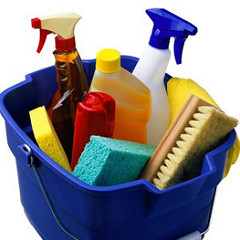
Spring is officially here and depending on where you live, it may or may not feel like it. I recently returned from a trip to New Orleans where spring is in full force. Here in Boston, we have a little ways to go.

You hear a lot about spring cleaning right now. I know, groan. Those of us who don’t like to clean and organize put off these projects until piles of clutter start taking on a life of their own and your windows become so grimy you can’t even see out of them.

As much as I dislike cleaning and organizing, I’m happy once it gets done. Often getting started is the hardest part.

Your nonprofit organization should also do its own version of spring cleaning and decluttering. If you’re feeling reluctant about taking on these so-called cumbersome tasks, just think how happy you’ll be once you tackle them. You’ll also make some much-needed improvements to your infrastructure and donor communication.

Let’s get started!

Clean up your mailing lists and database

Did you have an influx of address changes, returned mail, and bounced emails after you sent your year-end appeal? This is a good time to clean up and update both your direct mail and email mailing lists.

Don’t wait until right before your next mailing to clean up your donor data. Even though it’s tedious, have someone who’s familiar with your donors (your development director?) go through your mailing lists and database to see if you need to make any additions, changes, and deletions.

Be meticulous. No donor wants to see her name misspelled, be addressed as Mrs. when she prefers Ms., or receive three mailings because you have duplicate records.

Your donor database is an important tool and it needs to be up-to-date and filled with accurate information about your donors.

Run your donor list through the National Change of Address database. It may cost some money to do this, but it’s worth it if you come out with squeaky clean data. Do this at least once a year.

Also, if you haven’t already done this, segment your donors into different groups – new donors, returning donors, monthly donors, etc. You may need to make some changes. For example, if a single gift donor starts giving monthly.

You might also want to move some lapsed donors who haven’t donated for several years into an inactive file. Don’t do this until you’ve sent targeted, personalized appeals asking them to donate again. And if you’ve never gotten in touch with the lapsed donors from your last fundraising campaign, why not do that now?

Five simple steps for winning back your lapsed donors

Do the same thing with your email list. It doesn’t make sense to send email to people who don’t respond to it. Give these people a chance to re-engage, and if they’re not even opening your emails, move them to an inactive file.

HOW WE CLEANED UP OUR EMAIL LIST AND RE-ENGAGED OUR SUBSCRIBERS

Maybe you need a better database. If you’re using a spreadsheet to store your donor records, then you need an actual database. Get the best one you can afford.

Fundraising Software Advice

Spring is about bringing in the new and a better database would be a wise investment. If you plan to get a different database, make sure you can easily transfer all your records. The Agitator blog recently covered this. Here’s a link to the third post in a series, which contains links to the first two. Definitely worth reading if you’re planning to get a new database/CRM.

Steps to Avoid Calling Bullshit

Freshen up your messages

Now that you’ve cleaned up your mailing lists and segmented your donors, it’s time to freshen up your messages. Take a good look at your appeal letters, thank you letters, and other content. Have you been using the same old, stale templates for years?  Are you bragging too much about your organization and using jargon? Do your thank you letters begin with the dreaded “On Behalf of X organization….”

Spruce up your messages with some donor-centered content. Create separate templates for new donors, current donors, and monthly donors.

From what I’ve seen, many organizations need to improve their donor communication, especially thank you letters. A thank you letter is something that’s supposed to make your donors feel appreciated and it often falls short. Don’t just freshen up your letters, work on your thank you email acknowledgments and landing pages, too, so they don’t look like boring receipts.

The Importance of Having a Thank You Plan

Don’t put it off too long

Your clutter and dust at home won’t disappear on their own. The longer you ignore it, the worse it gets. The same is true for your nonprofit.

Take on these spring cleaning projects as soon as you can. You’ll be happy once they’re done. Your donors will also be happy if they don’t get duplicate mailings or they receive a stellar thank you letter.


You May Love Your Jargon, But Your Donors Don’t

6530334269_0ba98aa219_m.jpgNonprofit organizations love their jargon, don’t they? But guess what? Your donors don’t love it as much as you do because it’s boring and they may not understand what you’re trying to say.

I think people use jargon because it’s an insider language and it makes them feel like they’re “in the know” in their professional community. It’s easy to slip into jargon-mode around the office. But the danger comes when jargon creeps outside of your insular world and into your donor communication.

People need to understand you to connect with you

We can get lazy and use jargon when we can’t think of anything fresh and original. Instead, you see appeal letters, thank you letters, and newsletter articles laced with cringe-inducing terms such as food insecurity, at-risk youth, underserved communities, and impactful.

Are You Speaking The Same Language As Your Donors?

How to do better

Sometimes you need to give a little more information. For example, instead of just using the term food insecurity, describe a situation where a single mother has to choose between buying groceries and paying the heating bill.

Let’s look at a few more of these problem terms and what you can say instead. You may use some of these terms internally and they might be in your mission statement, but try to limit them when you communicate with your donors.

  • At-risk means there’s a possibility something bad will happen. Instead of just saying at-risk students or youth, tell a story or give specific examples of something bad that could happen. Our tutoring program works with high school students who are more likely to fail, be held back, and drop out of school.   
  • Underserved means not receiving adequate help or services. Instead of saying we work with underserved communities, explain what types of services these residents don’t receive. Maybe it’s healthcare, affordable housing, or decent preschool education. Tell a story or give a specific example. Gina has to take two buses to see a doctor for her diabetes because there isn’t a good healthcare facility in her community.
  • Impact means having an effect on someone or something. How are you doing that, and why is it important? Again, give a specific example. Thanks to donors like you, we’ve helped families find affordable housing so they don’t have to live in a shelter, a motel, or their car. Now they have a place to call home. And, let’s please all agree to stop using the word impactful.

Tell a story

This is why stories are so important. You can get beyond that vague, impersonal jargon and let your donors see firsthand how they’re helping you make a difference for the people/community you serve.

If You’re Making a Difference, You Have Stories to Tell

What would Aunt Shirley think?

I like to use this analogy. Imagine you’re at a family gathering and you’re explaining what your organization does to your 75-year old Aunt Shirley. Does she look confused and uninterested when you spew out words like underserved and at-risk, or does she want you to tell her more when you mention you’ve been able to help homeless families move into their own homes?

Stop using jargon around your office

Another way to help you transition from jargon to understandable language is to stop using it around your office. That means at your staff meetings and in interoffice written communication. Maybe you go so far as to re-write your mission statement to make it more conversational. And telling staff and board members to recite your mission statement as an elevator pitch is a bad idea unless you can make it conversational.

Let’s stop using jargon when we can use clear, conversational language instead. Read on for more examples of scream-inducing jargon. Do you have any to add?

4 Reasons to Stop Using Nonprofit Jargon

Nonprofit Jargon: Do Your Supporters Understand Your Fundraising?

I Have No Idea What You’re Talking About [Nonprofit Jargon]


How You Can Create a Better Nonprofit Newsletter

33730560323_602dd0da7a_m

A newsletter can be a great way to engage with your donors, but the key word here is can. How often does that actually happen? Unfortunately, not very much because most donor newsletters can be used as a cure for insomnia. They’re too long and filled with boring articles that brag about how wonderful the organization is.

It’s possible to create an engaging newsletter your donors will want to read. Here are a few ways to create a better nonprofit newsletter.

Think about what your donors want

You need to include content that will interest your donors. Do you think they would rather read an article about your CEO receiving an award or one about the Turner family moving into a home of their own after shuttling between motels and shelters? The answer should be obvious.

Your donors want to hear about how they’re helping you make a difference.

A print newsletter can be a good investment

You may opt not to do a print newsletter because it’s expensive and takes too much time, but you’re making a mistake if many of your donors prefer print.

I think you’ll have more success if you can do both print and electronic newsletters. I recommend a short e-newsletter once or twice a month and one to four print newsletters a year.

Many organizations put a donation envelope in their print newsletter. This is a proven way to raise additional money and you may be able to recoup your expenses.

You can also save money by creating a shorter print newsletter (maybe two pages instead of four) or only mailing once or twice a year. You can print them in-house, as long as it looks professional.

Donors are more likely to read a print newsletter. But ask them what they like, and listen to what they say. If a majority of them prefer print, then you need to find a way to accommodate them.

Share stories

Each newsletter needs to begin with a compelling story. Client stories are best, but you could also do profiles of volunteers, board members, and donors. Focus on what drew them to your mission (more on that below).

Create a story bank that includes at least four client success stories to use every year.

Don’t veer away from your mission

A common article I see in many nonprofit newsletters is one about a foundation or major donor giving a large gift. This may be accompanied by a picture of someone holding a giant check. Of course, you should recognize these donors (and all donors), but why is this gift important? How will it help the people you serve. For example – This generous $50,000 grant from the Helping Hands Foundation will allow us to buy much-needed new computers for our afterschool program.

Something else I see a lot is a profile of a new board member. Instead of focusing so much on their professional background, let your donors know what drew them to your organization. We welcome Jane Simpson, Vice President of the Lewis Company, to our board. Jane has a brother with autism and is very passionate about finding ways for people with autism to live independent lives.

Write to your donors

Write your newsletter in the second person, emphasizing you much more than we. Be personal and conversational. Say – You helped the Turner family move into a home of their own or Because of donors like you, X number of families have been able to move out of shelters and into their own homes.

Leave out the jargon and other language your donors won’t understand. Write as if you’re having a conversation with a friend.

I’m not a fan of the letter from the CEO because those tend to be organization-centered instead of donor-centered.  

Show some #donorlove

Never miss an opportunity to thank your donors. Every one of your newsletters needs to show gratitude and emphasize how much you appreciate your donors.

Make it easy to read (and scan)

Most of your donors aren’t going to read your newsletter word for word, especially your e-newsletter. Include enticing headlines and email subject lines (if you don’t, your donors may not read it at all), at least a 12-point font, and lots of white space so your donors can easily scan your newsletter.

Stick to black type on a white background as much as possible. Colors are pretty, but not if it’s hindering your donor’s ability to read your newsletter. Photos can be a great way to add color, as well as tell a story in an instant.

Use the inverted pyramid and put the most important story first (client success story or profile), keeping in mind your donors may not get to all the articles.

Very important –  make sure your donors can read your e-newsletter on a mobile device.

Keep it short

Your print newsletter should be no more than four pages. Limit your monthly e-newsletter to four articles. Some organizations send an e-newsletter twice a month. Those should be even shorter – two or three articles.

You may find you have more success with shorter, more frequent email updates.

Send it to the right audience

Fundraising expert Tom Ahern recommends sending your print newsletter only to donors. This can help you keep it donor-centered, as well as cut down on mailing costs.

Send e-newsletters only to people who have signed up for it. They may or may not be donors, but an e-newsletter can also be a good cultivation tool. Quality is more important than quantity. Not everyone will want to sign up for your newsletter and that’s okay. Focus on the people who are interested in it.

If you’re a larger organization, you could create different newsletters for different programs or one specifically for monthly donors.

Create a better newsletter that your donors will want to read.

Read on for more information on how to create a great donor newsletter.

How to show your donors they matter

HOW TO MAKE NONPROFIT NEWSLETTERS THAT ENGAGE AND ENCOURAGE

7 Nonprofit E-Newsletter Best Practices

3 Pitfalls of Nonprofit Newsletters and How to Avoid Them

Image by Petr Sejba www.moneytoplist.com

Break Free From Your Generic Communication

4002324674_cc8c5b9d3e_zHow many times have you received an appeal or thank you letter that never mentions your past giving or that you’re a monthly donor? All you get is a generic, one-size-fits-all letter that doesn’t acknowledge who you are. Chances are most of the other donors of that organization are getting the exact same letter.

This happens way too often and it’s a problem. Your donors aren’t the same, so they shouldn’t all get the same letter. Another problem is these letters continue with the generic theme by using vague language and even worse – jargon.

Break free from your generic communication and create something more personal. Here’s how.

Segment your donors

Segment your donors into different groups as much as you can. At the very least, create different letters for new donors, repeat donors, and monthly donors. You can also personalize letters to lapsed donors, event attendees, volunteers, etc.

Strengthen Your Donor Segmentation: 7 Successful Strategies

4 SIMPLE DONOR SEGMENTS THAT WILL MAXIMIZE YOUR FUNDRAISING EFFORTS

Thank your donors for their previous gifts and/or upgrades. Speaking of upgrades, many organizations don’t ask donors to increase their gifts because they’re sending everyone the same, generic letter. If you don’t ask, you most likely won’t receive. One reason (among many) to segment your donors is it can help you raise more money.

You can craft an appeal like this – Thank you so much for your donation of $50 last year. Could you help us out a little more this time with a gift of $75 or even $100? This way we can help more homeless families find housing.

Also, giving donors the amount of their last gift helps them out. Donors are busy and give to other organizations besides yours. They may not remember what they’ve given before.

Although, even if you ask for an upgrade, it may not happen if you ignore your donors or only blast them with appeals. You need to practice good donor relations, too.

Top 10 Ways to Upgrade Nonprofit Donors

And let’s stop sending Dear Friend letters, as well. You’re not being a good friend if you don’t even use your donors’ names.

Yes, this will take more time, but it’s worth the investment. So is a good database to help you with this. Your donors will feel appreciated and may give you more money.

Generic language is uninspiring and confusing

If you’re bombarding your donors with vague, generic language or jargon, you’re going to bore and/or confuse them pretty quickly. Most of your donors don’t have a medical or social services background. They don’t use terms like food insecurity, at-risk populations, and underserved communities and neither should you.

Use language they’ll understand. Instead of talking about food insecurity, give an example of a family choosing between buying groceries and paying the heating bill. What you mean by at-risk or underserved?  Are high school students less likely to graduate on time? Do residents of a certain community not have good health care nearby? Get specific, but at the same time, keep it simple.

Deconstructing Your Jargon

Green Eggs and Ham. The quintessential primer for nonprofit donor communications.

Another way to burst past generic language and jargon is to tell stories. Most people respond better to a human-interest story than a bunch of boring statistics.

If You’re Making a Difference, You Have Stories to Tell

How you can do better

You may be between fundraising campaigns right now and have a little more time (or maybe not). If so, now is a good time to start segmenting your donors in your database, if you haven’t already done that. Also, segmenting your donors isn’t a one-time deal. Make changes if you need to. For example, some of your single-gift donors may have upgraded to monthly.

In addition, dust off those templates and freshen up your appeal letters and thank you letters. Create letter templates for different donor groups and replace your vague, generic language with something clear, conversational, and specific.

Have someone outside your organization, a friend or family member, look at your messages. Something that’s clear to you may mean nothing to others.

Take time to break free from your generic communication with something that will show your donors how much you appreciate them by recognizing who they are and giving them content they can relate to.

Rethinking Your Annual Report

99535218_fdfab8c28b_mWhat do you think of when you hear annual report? As a donor, you might think boring, long, a waste of resources, something I’m not going to read. As a nonprofit professional, you might think time-consuming, something we always do, something our board wants.

These are all negatives, but an annual report can be a positive experience for your donors and also doesn’t have to be something that’s going to stress you out when you put it together.

First, you don’t have to do an annual report, but you do have to share accomplishments with your donors. You might want to ditch the annual report and send short progress reports a couple of times a year or monthly e-updates instead.

If you decide to do an annual report, I encourage you to move away from the traditional multi-page one. Aim for something no longer than four pages.

Here are a few ways to rethink your annual report so you won’t put your donors to sleep and also make it a little easier for nonprofit staff.

Your annual report is for your donors

Keep your donors in mind when you create your annual report and include information you know will interest them.

You may want to consider different types of annual reports for different donor groups. You could send an oversized postcard with photos and infographics or a two-page report to most of your donors. Your grant and corporate funders might want more detail, but not 20 pages. See if you can impress them with no more than four pages.

Make it a gratitude report

Donors want to feel good about giving to your nonprofit. Think of this as a gratitude report. You may want to call it that instead of an annual report.

Focus on thanking your donors for their role in helping you make a difference. Get inspired by these examples that celebrate the donor.

Oregon Zoo Gratitude Report

What’s in my Mailbox | “Annual Report”…or “Gratitude Report?

How are you making a difference?

The theme of many annual reports is look how great we are. Are You Boring Your Donors By Bragging Too Much?

They also include a bunch of boring lists, such as the number of clients served. You need to share specific accomplishments that show how you’re making a difference.

Focus on the why and not the what. Something like this – Thanks to you, 85% of the students in our tutoring program have improved their reading skills and can now read at their grade level.

Phrases like Thanks to you and because of you should dominate your annual report.

Tell a story

Donors love to hear about the people they’re helping. You can tell a story with words, a photo, or a video. Share a success story.

For example –  Leah, a third grader at Turner Elementary School, hated reading. She struggled with the words and the worst was when she had to read out loud in class. “Sometimes the other kids tease me,” she said. “Why do we have to read books anyway.” Then Leah started meeting weekly with Julie, one of our volunteer tutors. It was a struggle at first, but thanks to Julie’s patience and encouragement, Leah’s doing much better with her reading. She even requested a book for her birthday.

Make it visual

Your donors are busy and don’t have a lot of time to read your report. Engage them with some great photos, which can tell a story in an instant. Choose photos of people participating in an activity, such as Julie helping Leah with her reading.

Use colorful charts or infographics to highlight your financials. This is a great way to keep it simple and easy to understand. Include some quotes and short testimonials to help break up the text.

Be sure your report is easy to read. Use at least a 12-point font and black type on a white background. A colored background may be pretty, but it makes it hard to read. You can, however, add a splash of color with headings, charts, and infographics.

Write as if you’re having a conversation with a friend

Keep out the jargon. Most of your donors don’t use words like underserved or at-risk, and neither should you. Use everyday language such as – Because of you, we found affordable housing for over 100 homeless families. Now they no longer have to live in a shelter, a motel, or their cars and have a place to call home.

Write in the second person and use a warm, friendly tone. Use you much more than we.

Plan ahead

One problem with annual reports is organizations send them out months after the year is over and by that point the information is outdated.

Yes, putting together an annual report can be time-consuming. One way to make it easier is to set aside a time each month to make a list of accomplishments. This way you’re not racking your brain at the end of the year trying to come up with this list. You can just turn to the list you’ve been working on throughout the year.

You also want to create a story and photo bank and you can draw from those when you put together your annual report.

Of course, a shorter report or an infographic postcard will help ensure your 2018 report doesn’t arrive in your donor’s mailbox the following spring or later.

Rethink your annual report to make it a better experience for everyone. Read on for more information about creating a great annual report.

NONPROFIT ANNUAL REPORTS: 7 BEST PRACTICES [TEMPLATES]

7 Tips for Creating an Effective Nonprofit Annual Report

8 Annual Reports We Love