Don’t Take a Vacation from Your Donor Communication

502671166_847e3dc217_m

Summer is vacation time. You and other members of your staff may have a fun vacation planned. I recently came back from a wonderful trip to Spain.

Even though this might be a slower time, don’t hold back on your donor communication. Yes, your donors are also taking vacations, but they still want to hear how they’re helping you make a difference.

Here are some tips to help you stay in touch this summer.

Keep it short

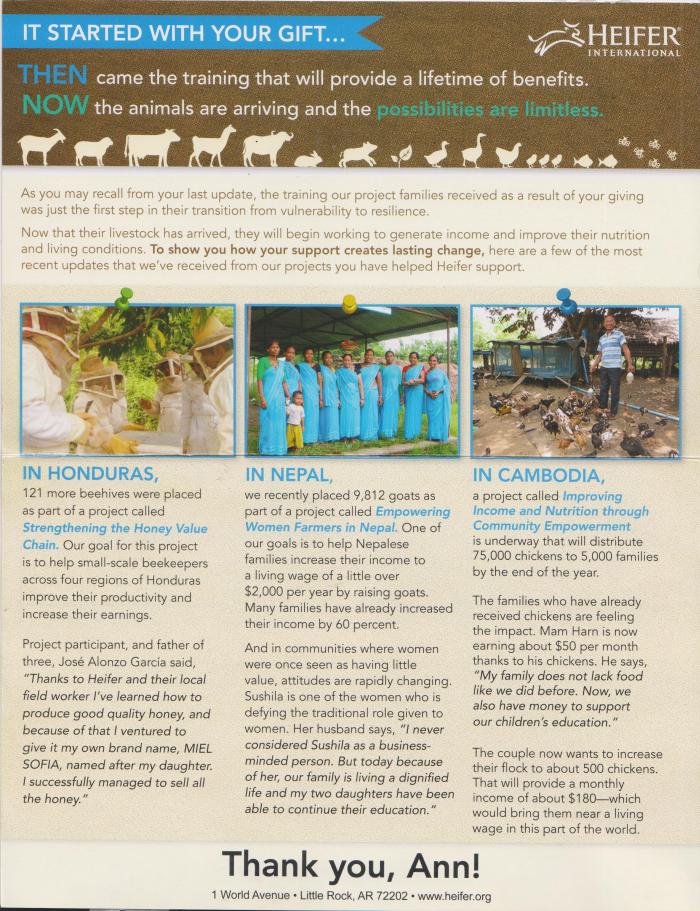
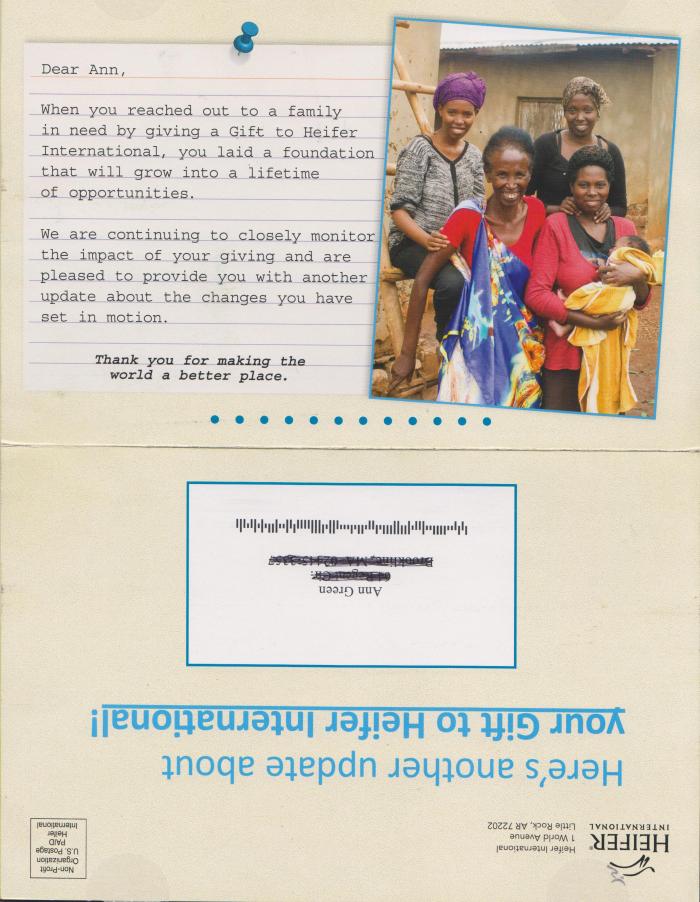
Our attention spans wane even more when it’s hot. There’s no need for a lot of long-winded text. Send a thank you or infographic update postcard instead.

Another way to get your donors’ attention in an instant is with a photo. Create a thank you photo to share on email and social media. You could create a short video, too.

Capture Your Donors’ Attention in an Instant by Using Visual Stories

Lighten up

If you’re a reader, you gravitate towards lighter fare in the summer. My favorite beach reads are mysteries.

Fundraiser Shannon Doolittle has some fun and creative ideas to stay in touch with your donors this summer. Maybe you can think of others.

Fun, sun and donor love

Meet your donors where they are

You’ll make it easier for everyone if you communicate by channels your donors use. That might be direct mail, email, social media, or a combination of those. Don’t spend time and effort communicating via channels your donors don’t use.

Is it time for a newsletter makeover?

If you already send a regular newsletter,that’s great. What’s not great is if your newsletter is just plain boring, as many are.

Take a look at yours. How can you make it better? Use your “downtime” this summer to give your newsletter a makeover.

Keep it donor-centered, Focus on sharing success stories and don’t forget to thank your donors for helping you make a difference.

Shorter is always better, especially in the summer. Send a two-page print newsletter instead of a four-page one and stick to one or two updates in your e-newsletter.

Is Your Newsletter Putting Your Donors to Sleep?

Plan for staff vacations

If the staff who are responsible for sending email updates and social media posts go on vacation, that doesn’t mean your communication comes to a screeching halt. Have someone else fill in so you don’t miss a beat.

Keep it up

Stay in touch with your donors so they have a good feeling about you come appeal time. Keep retention in mind. You want your donors to give again and you can help ensure this with good communication and by building relationships.

Read on to find out how other organizations are communicating this summer. Get Your People Out of the Heat & Into Action

Image by David Smith

Capture Your Donors’ Attention in an Instant by Using Visual Stories

23229218765_16be7d399e_m

Stories come in many forms and people process information in different ways. Some people respond better to visual stimuli. In our information packed world, a visual story can be a great way to connect.

Tell a story in an instant with a photo

Your donors are busy and may not have time read a story, but you can capture their attention in an instant with a great photo. That doesn’t mean a photo of your executive director receiving an award. Use photos of your programs in action.

Print newsletters and annual reports tend to be too long and text-centric. Most of your donors won’t have time read them. But if you present your donors with some engaging photos, they can get a quick glance of the impact of their gift without having to slog through a bunch of long-winded text.

You may want to try a Postcard Annual Report instead of the usual boring booklet.

If you use social media, you need to communicate several times a week. As your donors scroll through endless amounts of posts on Facebook and Twitter, an engaging photo can pop out and get noticed.

Use photos everywhere – appeal letters, thank you letters/cards, newsletters, annual reports, your website, and social media. Create a photo bank to help you with this. It’s fine to use the same photos in different channels. It can help with your brand identity. Be sure to use high-quality pictures. Hire a professional photographer or find one to work pro bono.

Work with your program staff to get photos. Confidentiality issues may come up and you’ll need to get permission to take pictures of kids. It’s okay to use stock photos. Just be sure to give proper credit.

5 Killer Photography Tips for Nonprofit Brands

Compelling Images for Nonprofits: When Babies and Puppies Aren’t in Your Mission

Highlight your work with a video

Create a video to show your programs in action, share an interview, give a behind the scenes look at your organization, or my favorite – thanking your donors. Make your videos short and high quality.  If you’re interviewing someone, be sure that person is good on camera.

You can use videos on your website, in an email message, on social media, and at an event.

How to Make a Fantastic Nonprofit Video

10 Mistakes Nonprofits Make with Video

Bring statistics to life with infographics

An annual report with a bunch of statistics is boring, and you know very few donors are going to read a lot of text. But you may have some compelling statistics or want to highlight accomplishments in your annual report.

Why not share these in an infographic instead of the usual laundry list of statistics and accomplishments?  Here are some examples. A Great Nonprofit Annual Report in a Fabulous Infographic

Brochures are becoming a relic of the past, but what if you want an informational print piece to give to potential donors or volunteers?  An oversized infographic postcard could be the way to go.

How to Create an Effective Nonprofit Infographic

4 Steps to Making an Infographic for Your Nonprofit

10 free tools for creating infographics

Keep your donors engaged with all types of stories.

Photo by Rob Briscoe

Dazzle Your Donors With a Great Story

15311687064_226ca5afe2_m

When your donors open your appeal letter or newsletter, do you bombard them with a bunch of boring, mind-numbing statistics, or do you share a story about how the Johnson family moved out of a shelter and into a home of their own?

If you’re making a difference, you have stories to tell

Donors love stories. Stories bring the work you do to life by using everyday language to create a scene. Here’s an example.

Sheila woke up feeling good for the first time in awhile. After losing her job and being evicted from her apartment, she moved between her sister’s place, motels, and shelters. It was taking a toll on her family and her kids were falling behind in school.

That was about to change because thanks to donors like you, Sheila and her family will be moving into a home of their own.

Can you tell a story like that?  If you’re making a difference, you can. Stories should show your donors how they’re helping you making a difference for the people you serve.

Create a culture of storytelling

If you create a storytelling culture in your organization, you can make storytelling the norm instead of the exception.

Creating stories takes a little more work, but they will help you connect with your donors. When putting together a story, ask

  • Why would your donors be interested in this story?
  • Why is this important?
  • Are you using clear, everyday language (no jargon) to make sure your donor understands your story?
  • Who are you helping?
  • How is your donor helping you make a difference?

Client or program recipient stories are best. You’ll need to work together with program staff to get these stories.  Everyone needs to understand how important this is. Share stories at staff meetings and/or set up regular meetings with program staff to gather stories.

Another way to find stories is to put a Share Your Story page on your website. Share-Your-Story Page | an addition to the fundraiser’s arsenal of tools

You can also share profiles of volunteers, board members, and donors. Many organizations profile new board members in their newsletters. That’s fine, but instead of emphasizing their professional background, concentrate on what drew them to your organization. Perhaps she has a brother who’s struggling with Parkinson’s or he’s passionate about the environment.

Create a story bank to help you organize all your stories. You want to use stories often. Use them in your appeal letters, thank you letters, newsletters, annual reports, website, blog, and other types of social media. You can use the same stories in different channels.

Give your stories the personal touch

Use people’s names to make your stories more personal. I realize you might run into confidentiality issues, but you can change names to protect someone’s privacy. You could also do a composite story, but don’t make up anything. How to Tell Nonprofit Stories While Respecting Client Confidentiality

Your stories aren’t about your organization

Let your donors know how with their help, Monica doesn’t have to choose between buying groceries and paying the heating bill. Your organization stays in the background. And remember,Your Mission Statement is NOT Your Story

Dazzle your donors with a great story. In my next post, I’ll write about sharing visual stories.

Resources to help you tell your stories.

The Storytelling Nonprofit

NON-PROFIT STORYTELLING: HOW TO STAND OUT IN A CROWD

You Have 6 Nonprofit Story Types to Tell

Photo by David Bleasdale


Stand Out from the Crowd with an Amazing Email Message

8242985023_f6882a4e6e_m

Communicating by email is a mixed blessing. It’s fast, easy, relatively inexpensive, and almost everyone has an email address. You can quickly get a message out to a lot of people. But here’s the problem. People get hundreds of emails a day and don’t have much time to weed through them.

How can you stand out and make sure people read your email message?

Pay attention to your subject line

A good subject line is the key to getting someone to open your email message.  If they don’t bother to open it, your hard work has gone to waste.

Give some thought to it. Instead of Donate to our Annual Appeal or May 2016 Newsletter, try Find out how you can help Sarah find her own home or Thanks to you, Jenna aced her math test.

Better Open Rates: How to Write Killer Email Subject Lines

Stick to one call to action

Don’t ask someone to donate, volunteer, and contact their legislators in the same message. Your call to action will get lost if there’s too much information.

Short and sweet

Remember that your email is one of hundreds your donor will receive that day. Make it short and get to the point right away.

Make it easy to read and scan

Besides sending a short message, use short paragraphs, too. It needs to be easy to read in an instant. Don’t use micro-sized font either.

Be personal and conversational, but also professional

It may not seem like it, but email is one-to-one communication. Don’t address your message to Dear Friend. Use someone’s name.

Write as if you’re having a conversation with a friend, but keep it professional. You’re not a 15-year old texting to her friend. Basic grammar rules apply here.

Send your email to the right audience

You may want to reach out to tons of people about an upcoming event, but you’ll have better luck concentrating on people who will be interested. Just because email lets you communicate with a large audience, doesn’t mean you should.

Be a welcome visitor

If you communicate regularly and do it well, your donors should recognize you as a reputable source and are more likely to read your message.

Make sure people know your message is coming from your organization. In the from field, put DoGood Nonprofit or Lisa Jones, DoGood Nonprofit. If you just put a person’s name or info@dogoodnonprofit.org, people may not know who it’s from and ignore it.

No spam, spam, spam

Only send email to people who have opted into your list. Otherwise, you’re spamming them. Not all your donors will sign up for your e-newsletter, but that’s okay. The ones who do are interested in receiving it. Give people the option to unsubscribe,too.

Once is not enough

If you’re using email to send a fundraising appeal or event invitation, you’ll probably have to send more than one mesage. Try not to send messages to people who have already responded.

Be mobile friendly

Many people read their email on a mobile device. If your message isn’t mobile friendly, you’re missing out.

Your email message can stand out if you give some thought to it and do it well. Here’s more information about communicating by email

Email Subject Line Research, Examples and Tips to Increase Your Open Rates

Get More People to Open Your Nonprofit’s Email Newsletter

11 email mistakes you really shouldn’t make

Photo by Clint Lalonde


About Your “Annual Appeal…”

13891267682_93e117a955_m

The spring appeal season is underway and I’ve been barraged with appeals for the last couple of weeks. For many organizations, this is their main fundraising drive of the year. Unfortunately, some of these organizations need a refresher course in appeal writing.

Whether you’re planning a spring campaign or one later in the year, here are a few things to keep in mind.

Don’t call it an annual appeal

Okay, you can use the term annual appeal around the office, but not in your appeal letter. That also goes for 2016 annual fund drive, 2016 Massachusetts Drive, or spring fund drive.

Some of the letters I received open by saying their annual fund drive is underway. Others state it in a header or a teaser on the outer envelope.

The fact that your annual appeal is underway means nothing to your donors and is not a compelling way to open your appeal.

I recommend you open your appeal with a story. Here are some other ideas for opening your appeal. Appeal letter openings

It should be obvious you’re sending an appeal, unless you bury your ask. Your ask should come after the story.

Given how some people feel about fundraising, an envelope teaser that says “Spring Appeal Enclosed”could end up in the recycle bin. If you want to use a teaser, try something like “Hunger never takes a summer break.” or “Inside: Learn how you can help hungry kids this summer.”

Why should I give to your organization?

Most of the appeals I’ve received have come from organizations I don’t already support. I need a good reason to give to your organization and I’m not seeing that.

It’s clear these letters are one size fits all and most likely my name is on a list you purchased or exchanged. Even so, give me some indication that you know me as a person. If I already support hunger-relief organizations, emphasize how you’re making a difference because you know that’s important to me.

I do most of my giving in December so I if you’re sending me another appeal now, you need to convince me why I should give again so soon. In many cases, you never acknowledge that I’ve given before. It’s the same old blah de blah.

Of course, you can make more than one ask a year, but first I need to be thanked, and thanked well, and hear from you regularly.  A couple of ways to raise more revenue are to politely ask me to upgrade my gift and/or give to you monthly.

Don’t send me stuff

Please don’t send me mailing labels, notepads,calendars, etc. It’s not going to help convince me to donate to your organization. One organization sent me a certificate of appreciation “in recognition of your generous support,”even though I’ve never supported them.

Most people find your swag to be wasteful. Instead, invest your print budget in creating thank you cards and donor-centered updates.

Send an awesome appeal

It’s never easy to raise money, but you’ll have a better chance if you send a donor-centered appeal that shows how you’re making a difference. Here’s more information on creating a great appeal.

How to Create an A+ Appeal Letter

WRITE A FANTASTIC FUNDRAISING APPEAL

Photo by Judith E. Bell


Give Your Donors a Great Thank You Experience

6146687337_bb60b4cb00_m

Thanking donors shouldn’t be a process –  it should be an experience. An experience that will last as long as someone donates to your organization, which hopefully will be for a long time.

If you treat thanking your donors as something  you have to do instead of something you want to do, it will show.

Make a good first impression with your thank you landing page

Thanking your online donors is a three-part experience (not process). Your landing page is your first chance to say thank you and it often resembles the Amazon check-out page.

Open with Thank you, Linda! or You’re incredible!  Include an engaging photo and a short, easy to understand description of how the donation will help the people you serve. Put all the tax deductible information after your message or in the automatically generated thank you email.

If you use a third-party giving site, you might be able to customize the landing page. If not, follow up with a personal thank you email message within 48 hours.

21 Ideas For Your Nonprofit’s Donation Confirmation Page

Write like a human

Next, make sure your donors receive an automatic thank you email after they donate online. This lets them know you received their gift and it didn’t get lost in cyberspace.

Just because your thank you email is automatically generated, doesn’t mean it needs to sound like it was written by a robot. Write something warm and personal.

What’s in my Inbox | Don’t you forget about me: the thank you email

How to Thank a Donor Through Email

Every donor gets thanked by mail or phone

I’m a firm believer that even if someone donates online, he should receive a thank you card, letter, or phone call within 48 hours. I made most of my donations online last year, and while I received automatically generated thank you emails, only a handful of the organizations mailed me a letter. None of them called or sent a handwritten card.

Make your donor’s day with a handwritten thank you card or phone call. You don’t have to do this alone. Recruit board members, other staff, and volunteers to write cards or make phone calls.

If that’s not possible,write an awesome letter and include a personalized handwritten note. I understand larger organizations may not be able to send all their donors a handwritten card, but they should have the resources to create a great letter.

Make your thank you message stand out

Most thank you letters fail to inspire. Create something that stands out. Be personal and conversational without using any vague jargon. Recognize past gifts or upgrades, and give a specific example of how the donation will make a difference. Something like this.

Dear Steven,

You’re amazing! Thanks to your generous donation of $75,we can provide a family with a week’s worth of groceries.

Thank you so much for being a longtime donor!

Here are some more examples, along with advice to help you create a thank you message that stands out.

Steal This Thank You Letter! A Sample Donor Thank You Letter for Your Non-Profit

Advice and Tips – Thank You Letters for Nonprofits …

16+ ways to say thank you better

Welcome your new donors with open arms

You want your new donors to keep supporting you for a long time, but that’s not happening. According to the 2016 Fundraising Effectiveness Report, the average retention rate for first-time donors is 29%.

A week or so after you thank your new donor, send her a welcome package.

Roll Out the Red Carpet for Your New Donors

Keep thanking your donors throughout the year

The thank you card/letter you send after you receive a donation is not the end, it’s the beginning.  

Donor retention rates are pretty pathetic for all donors. One reason is that organizations do a poor job of thanking their donors.

This is why you need to find ways to thank your donors throughout the year. Thank them at least once a month. A thank you plan can help you with that.

Create a memorable thank you experience for your donors.


A Gift For Your Donors

115061459_c3f31c4ae2_m

A few weeks ago Kivi Leroux Miller gave a webinar for Bloomerang  – 5 Steps To A Great Nonprofit Email Newsletter  I encourage you to watch the video. It’s filled with pearls of wisdom and well worth an hour of your time.

One piece of advice that stood out for me was to think of your newsletter as a gift for your donors. They should look forward to receiving it.

That’s not usually the case, is it? Email and even direct mail can be an intrusion in our busy lives. Most nonprofit newsletters and other communication are boring, generic, and don’t seem like a gift at all.

You can change that. Here’s how you can make your newsletter and other donor communication a gift for your donors.

What makes a good gift giver?

In the webinar, Kivi asks the participants to chime in about the good and bad gift givers in their lives. I invite you to do this exercise with your marketing and fundraising staff or by yourself. Think of who gives you great gifts and why you like them so much and who misses the mark and why?

A good gift giver knows what the recipient likes and gives her something personal that shows she cares.

A bad gift giver might give something generic and doesn’t put a lot of thought into it. She thinks more about what she would like.

You want to be a good gift giver when it comes to donor communication.

Give yourself enough time

Think about when you’re in a rush and need to get a birthday or holiday gift right away. You’re going to buy whatever you can find, as opposed to taking the time to think about what the person would want.

Plan ahead and think through what you want to send to your donors. A communications calendar will help you with that.

What do I do with this?

Have you ever received a gift and you don’t know what to do with it? This is how your donors feel when they receive your boring 20-page annual report. It’s way too long and filled with mind-numbing facts and statistics. Chances are it’s going straight in the recycling bin.

Instead, impress your donors with a four-page gratitude report that’s filled with thanks to the donor for helping you make a difference.

What do your donors want?

My family gives each other wish lists at Christmas time. Put a short poll in your e-newsletter asking readers which article they liked best. Ask them what issues are important to them. Find out which channels your donors prefer. It may be more than one  

Listen to your donors and give them what they want.

Create pretty a package that your donors will want to open

The look of your communication is just as important as what’s inside. Your messages should be easy to read and scan. Use short paragraphs and lots of white space. Capture your donor’s attention right away with a great photo.

Your email subject line needs to sing. Find out how you helped Jane learn to read is going to be much more inviting than April 2016 Newsletter. I often scan through my email and only open things that look enticing.

Even though people don’t get as much direct mail, make yours stand out. Put your quarterly newsletter in an envelope and hand address your thank you notes if you can.

Attraction not interruption

Do you think you can create communication your donors will look forward to receiving? The key is to attract them by giving them what they want.

Photo by Liz West


Are You a Robot or a Human?

807951886_eddb4d63cd_m

I’m a big fan of the Haggler,The New York Times columnist who steps in to help “aggrieved consumers” with his own mix of humor and snark.

In a recent column Running the Car Rental Agreement Gantlet, he tried to help a man resolve a dispute with a rental car company. When the Haggler contacted the company, a representative responded with a robotic response reciting a bunch of rules that weren’t relevant in this case. The Haggler said “he would have opened this email with “sorry” and news of the refund. Because the way the statement reads now, it seems as if the company is far more interested in reciting the rules of the car rental heptathlon than in making amends.”

I immediately thought of some of the nonprofit communication I’ve seen – generic, robotic messages with no indication that an actual human being wrote it, or there’s a human on the other side who will read it.

Here are a few examples that sound like they were written by robots.

X organization shines a spotlight on community needs, inspires philanthropy, and awards strategic grants to build a more vibrant, engaged, and equitable (community).

Our goals are ambitious ones and the charitable contributions we receive from supporters like you make our mission achievable.

X organization serves individuals who are are often the most disenfranchised. Your kindness will directly benefit people who are less fortunate.

Contrast those examples to these ones that contain a human touch.

Thanks to you, their children won’t have to wonder why Santa didn’t come.

We thank you for being part of our mission to spread the healing that Animal-Assisted Therapy can provide.

We are excited to continue to have your support and appreciate your help in protecting wildlife, wild places and communities around the world.

Unfortunately, it’s hard to find a lot of warm, personal communication. Here are some ways you can sound more like a human and less like a robot.

Different strokes for different folks

Don’t send the same appeal or thank you letter to all your donors. Who is this donor? Is she a new donor, a long-time supporter, event attendee, volunteer?

Welcome your new donors and acknowledge your loyal donors. Let your donors see that you know who they are.

Put yourself in your donor’s shoes

What does your donor want to hear from you? In the rental car example, that person wanted an apology and assurance he would get a refund.

When your donor reads your appeal letter, he wants to be thanked for his previous support if he’s donated before and know how his gift will make a difference. For your thank you letter, your donor wants to be welcomed or welcomed back and hear how his gift will make a difference.

Don’t recite your mission statement

Your donors should be somewhat familiar with your organization, so there’s no need to recite your mission statement, especially if it’s laced with jargon. Unless you’re writing to people who aren’t familiar with your work, you shouldn’t need to explain what you do.

Be specific

The robotic examples use vague, generic language. I know you may have different programs, but choose a specific example of your impact. I really like the example of the children not having to wonder why Santa didn’t come. It’s clear, specific, and something we can all relate to.

Show don’t tell

Stories can really boost your letters, newsletter articles, and website copy. Just think how much more compelling it would be if we read a story about “the disenfranchised” and “less fortunate.”

Who is your organization helping? Share a story about the people who visit your food pantry or the students in your afterschool program.

Write as if you’re having a conversation with a friend

Notice how all the human examples speak directly to the donor. Let your donors know you’re excited to have them be a part of your community.

No one wants to read your jargon. These are not words your donors use.

Give it the human touch

Avoid the temptation to go on autopilot with generic communication that makes you sound like a robot. Remember, you’re a human writing to other humans.


But Why?

2200500024_e93db99b61_m

If you’ve ever spent time with little kids you know one of their favorite words is why. You’ll answer a question, and she’ll respond with “but why?” again and again…… It may start to get annoying, but it’s good for people of all ages to be inquisitive and ask questions.

This applies to nonprofits, too. A lot of our communication isn’t focused on why something is important. The typical fundraising letter and newsletter article ramble on about accomplishments with no explanation of why something matters.

As you work on your messages, pretend your donor is a four-year-old who keeps asking “but why?” over and over again.

Why is what you do important?

Here’s something you might see in a newsletter or annual report.

We expanded our tutoring program to four more high schools.

Okay, but why is that important?

To serve more students.

That’s good, but why is that important?

After six months of weekly tutoring sessions, 85% of the students in our program have improved their math skills.

There you go.Tell your donors about the impact you’re making.

Why should someone donate to your organization?

Do your appeals focus on why it’s important to donate to your organization?  Instead of saying something generic like please donate to our annual appeal, tell a story emphasizing why someone should donate to your organization.

David, a 9th grader at Baker High School, always hated math and was barely passing his algebra class. “Algebra is stupid. I don’t get it,” he complained.Then David started weekly tutoring sessions with Matt, a volunteer tutor. It was a struggle at first, but thanks to Matt’s patience and guidance, David got a B on his last test.

Again, focus on why.

Why is your donor’s gift valuable?

When you thank your donors, do you tell them why their gift is valuable?  Give a specific example.

Thank you so much.Your generous gift of $50 will help cover the expenses of five one-to-one weekly tutoring sessions. After six months of these tutoring sessions, 85% of the students in our program have improved their math skills.

It’s all about the why.

Why do you appreciate your donors?

Finally, do your donors know why you appreciate them?

Thank you so much for doing your part in helping high school students boost their math skills. We couldn’t do this without you.

Start channeling your inner four-year-old and keep asking why.

Photo by Colin Kinner

Keep it Simple

8942956212_3c06d69a16_m

Fundraiser Maeve Strathy recently wrote this great post – Explaining a Capital Campaign to a 3-year-old  Maeve is riding a streetcar in Toronto when they go past a hospital that’s undergoing massive renovations. A little boy nearby asks his mom what’s going on and she replies “They’re fixing the hospital. They’re making it better… and bigger.”  Wow, that’s a nice, simple explanation.

I like to use the example of pretending you’re at Thanksgiving dinner and Aunt Shirley asks what your organization does. Imagine her looking confused when you spew out terms like food insecurity or culture-focused projects. Imagine your donors doing the same thing.

While you’re unlikely to have any three-year-old donors, you have a lot of Aunt Shirleys, who don’t have a medical or social services background and aren’t going to use terms like at-risk populations.

Use language your donors will understand

When I read the term culture-focused projects in a nonprofit newsletter, I thought they meant art projects. But they were referring to students creating a flag from their “country of origin.” Why not tell a story about Lisa and Carla’s experience working on this project and include some quotes from the girls?

Instead of writing a lot of long-winded text about food insecurity, tell a story about how the Johnson family has to choose between buying groceries and paying the heating bill.

Rather than using one of my new least favorite terms – unbanked, say some people don’t have bank accounts.

Your goal is to be donor-centered, right?  Well, you’re not doing that when you use language your donors won’t understand.

Skip the fancy words, too. It makes you sound pretentious. You’re trying to impress your donors, not your English teacher. You don’t want them to have to find out what a word means. Most likely they won’t take the time to do that, and they’ll miss out on what you’re trying to say.

Write at a sixth to eighth-grade level

This is not dumbing down. Using clear, everyday language your donors will understand is a smart thing to do.

I wouldn’t rely too much on Word Grammar check, but the Flesch-Kincaid readability statistics can be helpful. Test your document’s readability You can also access it online if you don’t use Word.

Besides determining a grade level and reading ease, it flags passive sentences, which weaken your writing. Instead of saying 5,000 meals were served at our community dinners, say we served 5,000 meals at our community dinners.

Less is more

In Maeve’s post, she mentions the tendency to get verbose in our messages when we should be doing the opposite. You need to make your messages as clear and simple as possible. Sometimes that’s harder, but your goal is to get your donor to read and understand your message.

There’s no need to overthink it or use jargon.  Just keep it simple.

Photo by One Way Stock