What Going Back to Middle School Can Teach You About Donor Communication

2892676848_7b80aedc0f_z

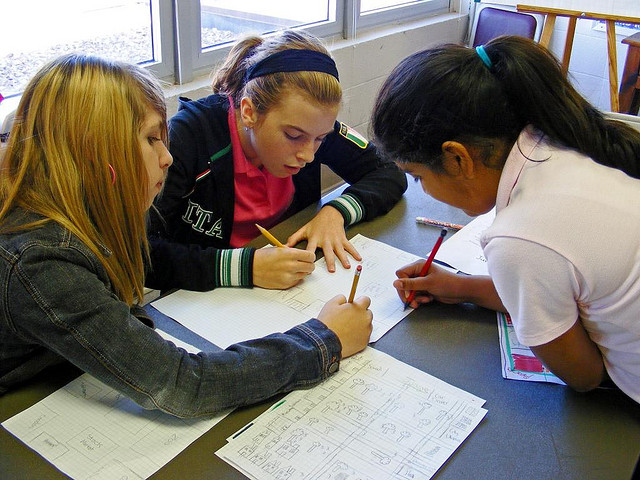
You may be wondering how is middle school relevant to your donor communication when most of your donors are old enough to be parents or grandparents of middle school students? And who wants to go back to those awkward years, anyway?

But keeping middle school students in mind can help you improve your donor communication.  Here’s how.

Write at a sixth to eighth grade level

Most middle schools go from sixth to eighth grade and this is the level you want to aim for when you write. You’re not dumbing down, and it doesn’t mean using abbreviations like LOL and BFF.  It means using clear, everyday language your donors will understand, and that’s being smart.

I wouldn’t rely too much on Word Grammar check, but the Flesch-Kincaid readability statistics can be helpful. Test your document’s readability 

Besides determining a grade level and reading ease, it flags passive sentences, which weaken your writing. Instead of saying 5,000 meals were served at our community dinners, say we served 5,000 meals at our community dinners.

Remember to use (not utilize) language your donors will understand. Avoid throwing out terms like underserved and at-risk without giving specific examples of what they mean.  Instead of saying we work with at-risk youth, say we work with students who are in danger of not graduating from high school.

I’m bored

Middle school students have short attention spans. So do a lot of adults. Your donors are fielding messages from a bunch of different sources. Stand out with a clear, well-written message to the right audience. How You Can Break Through the Noise

What’s in for me

Speaking of attention, we all want people to notice us.  Middle school can be an awkward time as you try to fit in and make friends. Bragging about yourself all the time won’t help.

You’re not paying attention to your donors when you send messages that are all about you. What’s in it for them?  Make your donors feel good about donating to your organization and show them how they are helping you make a difference.

Be mobile friendly

Most kids get their first mobile phone when they’re in middle school and then they can’t put it down.  Your donors are also reading messages on their mobile devices, as well as tablets and computers.  It’s a good idea to survey your donors to find out what devices they use. Chances are it’s more than one.

Besides being multi-channel, be multi-device.  Make sure your donors can easily read your content and donate on any device. How to Find Out if You’re Mobile Ready or Not

Share photos and videos

Once young teens get their first phone, they’ll start sharing photos and uploading videos.  These can be a great, quick way to connect no matter how old you are.

Share your “nonprofit selfies” of engaging photos of the people you serve, your programs in action, or say thank you.  Do the same with videos, and keep them under two minutes.

The key to good communication is a clear message that will capture your donor’s attention right away.

Photo by Jose Kevo

8 Ways to Keep Donors Engaged after a Giving Day

givelocalamerica_logo

Guest post by Lori Finch

Giving days have become more popular over the last few years. Give Local America is coming up on Tuesday, May 5 and GivingTuesday takes place on the first Tuesday of December.

My concern with giving days is organizations tend to spend so much time on fundraising and not enough time thanking their donors and building relationships. You can change that. This guest post by Lori Finch shows you how you can keep your donors engaged after a giving day.

Give Local America is coming on Tuesday, May 5 and more than 7,000 nonprofits are participating.  A lot of effort goes into an event like that. You send email newsletters and post updates on Twitter, Facebook, and Instagram. Board members get involved, and you alert your donors.  You print flyers and post them at local businesses and restaurants.  You spend hours in front of the monitor managing the campaign and responding to donors via email and social networks.

Don’t let that work go to waste. Keep the momentum going by engaging donors after the giving day. They’re the lifeblood of organizations. Invest in them so they continue to support you through the years.

Here are 8 ways to keep donors engaged after a giving day:

  1. Say thank you.

Thank you notes shouldn’t be another item to check off the list. Make them an experience.  Donors will talk about them with friends and family, online and off.

  1. Share results.

Statistics are great, but they don’t tell a story. Activate donors with stories about how your organization is impacting the local community. Include these stories in annual reports and other resources.

Stories can be written, but don’t forget photos, video, and audio. Choose the content form most likely to resonate with your audience and drive action.

  1. Keep in touch.

Don’t be a fair-weather friend. Stay in touch throughout the year. Build relationships through personalized newsletters and other forms of communication—the telephone and in-person chats are still valid tactics.

  1. Be social.

Keep social channels active after a giving day. Social is a great way to form relationships and ongoing engagement throughout the year, not just during or for a giving event. Share progress and other information of interest to donors.

  1. Invite people to participate.

People want to support you. You just have to be, as Gail Perry says, “cheerfully aggressive” about asking.  If you’re excited about what you’re doing, they will be too.

  1. Create community.

Develop a community. Introduce donors to each another. Give them opportunities to work together to accomplish a goal. They’re more likely to stay involved if they feel like they’re part of a family.

  1. Celebrate loyal supporters.

Celebrating loyal supporters doesn’t mean breaking the bank. Just find ways to reward behaviors you want people to repeat. Champion donors on social—other people will soon want to join them.

  1. Go old school.

Some organizations participating in Give Local America, like Infinite Hands Initiative and the East Hampton Food Pantry, use flyers and other print materials. The materials serve a two-fold purpose: in-person interactions and tangible reminders.

Donors are more likely to recall your organization if they can put a volunteer’s face to it or have a physical document in hand. In addition, sending personalized notes makes them feel like prized members of the community. They’ll be more likely to continue their support.

Looking for more tips and resources? Visit Give Local America for more information or to sign up.

About Lori Finch

lori-finch-200x225

Lori Finch is the Vice President of Community Giving, Kimbia and the General Manager of Give Local America. With an extensive background working with nonprofit organizations, Lori is uniquely suited in her role of managing relationships with Kimbia’s community foundation clients and partners, helping to ensure their success. Prior to Kimbia, Lori spent six years at The San Diego Foundation where she served as Director of Nonprofit Programs, developing education resources and tools for more than 250 local nonprofits. She holds an MBA from The University of Chicago, Booth School of Business, and a B.S.B.A in Finance from Georgetown University.

Nonprofit Spring Cleaning Part Two – Out With the Old, In With the New

4099116616_6ed67d4369_z

Spring is slowly inching its way into the Boston area.  I hope it feels more like spring where you are.

Many of you may take on spring cleaning projects in your home.  Maybe you give your house a good cleaning and throw out a bunch of stuff you don’t need.

Your nonprofit organization could probably use a good spring cleaning too.  In my last post, I wrote about tackling your donor data.  Here are a few more spring cleaning projects to take on.

Assess your progress

We’re three months into 2015. Now is a good time to look at your fundraising and marketing plans to figure out what’s working, what isn’t, and if you’re on target with your goals.  If you never created these plans, then one of your first priorities is to do that.  Don’t go through the year without having any plans in place.

It may be too early to do too much of an assessment, but if something clearly isn’t working or needs to be improved, you still have time to fix it.

Update your website

Has it been awhile since you updated your website? Even with the popularity of social media, people will go to your website for information, whether they’re first-time visitors or long-time supporters.

Your website must be up-to-date and user-friendly.  Use the checklist in this post to help you create an engaging website. Does Your Website Need a Tune Up?

Dust off your appeal letters and thank you letters

Take a good look at your appeal letters, thank you letters, and other content.  Have you been using the same templates for years?  Do your letters sound like one big, boring bragfest? Freshen them up with some donor-centered content. Can Your Organization Pass the Donor-Centered Test?

Is it time to let it go

Your organization may have held an event for years, but it takes a lot of staff time and doesn’t bring in that much money.  Just like your favorite sweater that’s looking pretty ratty now, it may be time to let go of this event and find a different way to raise money. Here’s a great take on auctions. Is your live auction hurting your fundraising?

Aim to do better

If you’re not connecting with people on Twitter, it doesn’t mean you need to give up on it.  Maybe you’re not using Twitter correctly.  Perhaps you’re bombarding people with messages that are all about you instead of trying to start conversations and build relationships.

Don’t jump into the latest craze 

It’s tempting to try something new, but don’t just jump into the latest craze. Whatever happened to Ello,anyway? You’ll need to decide what makes sense for your organization.

Again, focus on what you can do better.  Your brand new shiny object can be creating donor-centered content and building relationships.

Take time this spring to make the updates and changes you need. What types of spring cleaning projects do you plan to work on?

Read on for more about spring cleaning for your nonprofit.

Time for Spring Cleanup!

Spring cleaning!! 3 questions to clean up your fundraising office

Photo by Karin Bell

How You Can Break Through the Noise

1521806273_3662570729_z

This post is included in the March 2015 Nonprofit Blog Carnival  How Nonprofits Can Break Through the Noise

You have a message you want to send. Easy enough, right?  But today people are barraged with information coming at them from all different directions.

How can you stand out and get your audience’s attention?

What do you want to achieve

A popular discussion on LinkedIn over the last couple of months asked the question “When you write a communication what’s the first thing you consider?”  Some of the responses included outcome, audience, and message.  These are all important, but I think outcome is the first thing to consider.

What do you want to achieve, or what’s your call to action?  Do you want someone to donate, volunteer, attend an event, or are you sharing an update?  Make sure that’s clear and don’t muddle your messages with more than one call to action.

Choose the right audience

You’ll always have more luck with people who know you and are interested in your work.  Past donors will be more likely to respond to your appeal than people on a mailing list you purchased.

You also need to know your audience. Think about what types of messages they’ll respond to.  You may need to write different messages to different groups.

You only have a few seconds

Create a strong email headline or envelope teaser to get your message read in the first place.  You only have a few seconds to get noticed.

Instead of something boring like March 2015 Newsletter, entice your donors with Find out how you helped Jason learn to read.

Create a strong message

Once someone has opened your letter or email, reward them with a good message. Be sure it’s clear, conversational, and well written.

Think carefully about your message.  Be donor/audience centered.  Share success stories and show your donors how they’re helping you make a difference.

Make it easy to read

Make your message easy to read and scan. Don’t squish together a bunch of long paragraphs in 10-point font. Use at least a 12-point font and break up the text with lots of white space. Remember, most people aren’t going to read your message word for word.

Short and visual is the way to go.  Instead of a phonebook annual report, create a two to four page report with photos and infographics instead.

Be mobile friendly, too.

Use the right channels

The best channels to use will be different for each organization. Ask your donors which ones they use the most.  Often it will be more than one.

Don’t give up on direct mail. Your appeal letter or event invitation is more likely to be seen if you mail it.  You can always follow up with email and social media.

Consistency is key

All your messages and materials, both electronic and print, should have a consistent look.  You want your donors to recognize your brand and see you as a reputable source.

Be known but don’t be annoying

Don’t worry about communicating too often.  Most likely you’re not communicating enough.  People are deluged with email and social media and may miss your message the first time you send it.  You often need to send messages such as appeals and event invitations more than once.

If you can create clear, strong messages for the right audience, you should be able to break through the noise.

Photo by Nicki Dugan Pogue

Steer Clear of Generic

4002324674_cc8c5b9d3e_z

Generic products can be a great option. When CVS ibuprofen is exactly the same as Advil, why not save some money by going generic?

One area where you don’t want to go generic is in your fundraising and communication.  Yet so many organizations do.  Here are some ways to avoid creating generic communication.

Same old same old

Are you sending all your donors the same appeal letter and thank you letter?   Stop doing that. At the very least, create different letters for new donors and repeat donors.  Acknowledge a donor’s past support or upgrade.  You can also personalize letters to lapsed donors, event attendees, or volunteers. Different Strokes for Different Folks

Most of the thank you letters I received after I did my year-end giving were pretty generic. One stood out.  This organization had an anonymous donor match all new and increased gifts (a great idea by the way).  In their thank you letter to me, they acknowledged my increase and the impact of the match.

You may use the same letter templates year after year. Think about how your donors will respond. With lackluster retention rates, do yourself and your donors a favor by personalizing your letters.

Who are your donors?

Conduct surveys to get to know your donors better. Create personas by either interviewing donors or imagining what they may think based on information you already have. How to Develop Donor Personas for Your Nonprofit

Once you have a donor persona/profile, you can craft messages that will resonate with them.

The more you know about your donors the more successful you’ll be.

Invest in a good database.

A good database will help you collect information about your donors and segment your lists by different groups.

Create a jargon-free zone

Now that you’ve gotten to know your donors, you’ll realize most of them don’t have a medical or social services background. They’re not going to use terms like at-risk populations and underserved communities, and neither should you.

Jargon confuses your donors. Imagine them looking glazed when you write about capacity building and disenfranchised communities. You don’t want them to ask What Does That Mean? Use language they’ll understand.

Tell stories

Stories can help you get beyond that vague, generic language. Most people respond better to a human-interest story than a lot of statistics.

Let’s say your organization wants to provide fresh, affordable produce to certain neighborhoods.  Here you can tell a story like this.

Marta is a single mother of four who doesn’t have a car.  She would love to give her family fresh fruit and vegetables, but the neighborhood grocery store has overpriced, marginal produce and the nearest supermarket is four miles away. 

Now, thanks to donors like you, Marta can pick up a box of fresh produce each week at the community center, which is just two blocks from her home.

Be specific

Time to dust off those templates and make your appeal letters, thank you letters, newsletters, website, annual reports etc. clear, conversational, and specific.

Have someone outside your organization, a friend or family member, look at your messages. Something that’s clear to you may mean nothing to others.

Generic is fine for vitamins, but not for your communication.

Photo by Paul Jerry

Channel Your Inner Four-Year Old

3404125871_92f27d5e03_m

If you’ve ever spent any time with four-year-olds, you know one of their favorite words is why. You’ll answer their question, but they’ll keep responding with why again and again……

A lot of nonprofit communication isn’t focused on why something is important.  Besides being organization-centered, it often rambles on about accomplishments with no explanation of why something matters.

Nonprofit organizations need to channel their inner four-year-old and start focusing on why.

Why is what you do important?

Here’s something you might see in a newsletter or annual report.

We expanded our tutoring program to three more high schools.

Okay, why is that important?

To serve more students.

That’s good, but why is that important?

After six months of weekly tutoring sessions, 85% of the students in our program are reading at or above grade level.

There you go.  Tell your donors about the impact you’re making.

Why should someone donate to your organization?

Do your appeals focus on why it’s important to donate to your organization?  Instead of saying something generic like please donate to our annual appeal, tell a story emphasizing why someone should donate to your organization.

Jenna, a 10th grader at Harrison High School, used to hate reading.  She struggled with the words and was embarrassed she couldn’t read very well. Then she started weekly tutoring sessions with Kim, a volunteer tutor.  Now Jenna is reading at her grade level and even likes to read.

Again, focus on why.

Why is your donor’s gift valuable?

When you thank your donors, do you tell them why their gift is valuable?  Give a specific example.

Thank you so much. Your generous gift of $50 will help cover the expenses of five one-to-one weekly tutoring sessions. After six months of these tutoring sessions, 85% of the students in our program are reading at or above grade level.

It’s all about the why.

Why do you appreciate your donors?

Finally, do your donors know why you appreciate them?

Thank you so much for doing your part in helping high school students boost their reading skills. We couldn’t do this without you.

Start channeling your inner four-year old and keep asking why.

Photo by Jordan Conway

Time For Some #DonorLove

5434784744_8df0f86917_z

Valentine’s Day will be here soon, and what a perfect time to thank your donors and show how much you appreciate their support.

If you haven’t expressed gratitude since you sent your year-end thank you letters, you need to do that soon. Aim to thank your donors at least once a month.

You may not choose to acknowledge Valentine’s Day, but do something fun and creative to show appreciation in February. The holidays are over, but winter isn’t, and we could all use a little pick me up right now.

Here are some ideas.

Create a thank you photo

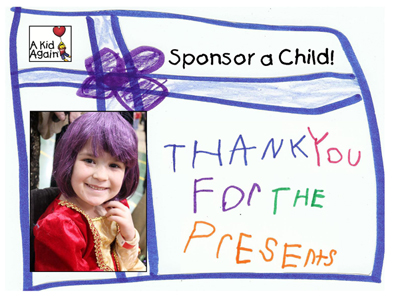
Make your donor’s day with a great photo. Here are a few examples of thank you photos.

Send  thank you photos via email and social media, use one to create a card, and include one on your thank you landing page.

If you have the time and resources, you could also create a thank you video.

Share an update or success story

In addition to saying thank you, share a brief update or success story. Emphasize how you couldn’t have helped someone without the donor’s support. For example – Thanks to you, Jessica won’t have to sleep in a shelter tonight.

Send a card

Handwritten notes mean the world to donors.  If you don’t have the budget to send cards to everyone, send them to your most valuable donors. These may not be the ones who give you the most money. Do you have donors who have supported your organization for more than three years? How about more than five years?  These are your valuable donors.

Another idea – Send a small number of thank you cards every month, ensuring that each donor gets at least one card a year.  Spreading it out may be easier on your budget.

Thank You 101

Make 2015 the year you do a better job of thanking your donors.  Thank your donors right away and send a thank you note/letter or make a phone call.  Electronic thank yous aren’t good enough.

Be personal and conversational when you thank your donors. Don’t use jargon or other language they won’t understand. Write from the heart, but don’t be overly sentimental. Give specific examples of how your donors are helping you make a difference.

If your budget doesn’t allow you to mail handwritten cards, is there a way you can change that? You may be able to get a print shop to donate cards. You can also look for additional sources of unrestricted funding to cover cards and postage.

Maybe you need a change of culture. Getting your board, all staff, and volunteers involved in thanking your donors will make a huge difference.

Keep thinking of ways to surprise and delight your donors! Get creative.

10 ways to thank your donors

7 Ways to Build Rapport with Donors Using Creative ‘Thank You’s

You can’t say thank you enough. Do it at least once a month. Create a Thank You Plan to help you. How to Create a Thank You Plan

How are you thanking your donors?

Photo by Patrick Hoesly

Can Your Organization Pass the Donor-Centered Test?

110310-N-6505H-049

We hear the term donor-centered a lot, and it’s pretty self-explanatory.  You want to focus on your donors’ needs and interests and take into account that not all donors are the same.

Is your organization donor-centered? Find out by taking this test.

Fundraising Appeals

  • Are your fundraising appeals focused too much on your organization – rambling on about how great you are?  Your organization may be great, but let your donors figure that out. Your donors are the ones who are great, and they want to hear how they can help you make a difference for the people/community you serve.
  • Are your appeals segmented to the appropriate audience?  Thank past donors or reference your relationship to a potential donor.  Maybe they are event attendees, volunteers, or friends of board members.
  • Are your appeals addressed to a person and not Dear Friend?
  • Are your appeals vague, impersonal, and filled with jargon your donors won’t understand?  Don’t say we are helping disenfranchised members of the community.  A donor-centered appeal would say something like – With your support, we can help low-income families find affordable housing.
  • Do your appeals make people feel good about donating to your organization?

Thank you letters

  • Do your thank you letters come across as transactional and resemble a receipt? Yes, you need to acknowledge that the donation is tax deductible, etc, but most donors are more concerned about how their gift made a difference.
  • Do your thank you letters (or better yet, a handwritten note) shower your donors with love?  Start your letter with You’re fabulous or Thanks to You!
  • Are you telling your donors the impact of their gift?  For example – Thanks to your generous donation of $50, we can provide groceries for a family of four at the Eastside Community Food Bank.
  • Do you recognize each donor?   Is this the first time someone has donated?  If someone donated before, did she increase her gift?  Acknowledge this in your letter/note.

Newsletters

  • Do your newsletters sound self-promotional and drone on about the wonderful things your organization is doing instead of showing your donors how they are helping you make a difference?
  • Is your newsletter written in the second person?  Write to the donor and use the word you more often than we. How to Perform the “You” Test for Donor-Centered Communications – Do You Pass? BTW, all your donor communication should be written in the second person.  It’s much more personal.
  • Does your newsletter include success stories, engaging photos, and other content your donors want to see?
  • Are you using the right channels?  Perhaps you only send an e-newsletter, but some of your donors prefer print.
  • Are you showing gratitude to your donors in your newsletter?

Always think of your donors

Use these test questions on other donor communication such as annual reports, your website, and social media posts.

How did you do?

Be sure every message you send to your donors focuses on them and makes them feel special.

Read on for more information on how to be donor-centered and wallpaper your office with this donor-centered pledge. Take the Donor-Centered Pledge 

Is Your Organization Sufficiently Donor-Centered?

Strategies to Build Donor Love — How to Create Donor-Centric Communication and Response

Five Ways to Improve Your Fundraising and Communications in 2015

9661913835_4d78d49746_z

2014 is winding down and the New Year is just around the corner.  I hope you had a successful year.

The end of the year is a good time to figure out what worked and where you can make improvements for next year.

Here are five ways you can improve your fundraising and communications in 2015.

Tell stories

Don’t bore your donors with a lot of facts and statistics.  Tell a story.  Use stories in your appeal letters, thank you letters, newsletters, annual reports, and on your website.

Take time to create stories and profiles of clients, board members, volunteers, donors, and staff members.  It’s okay to use stories more than once.

A couple of appeals I received used first-person stories, which can be very compelling.  Be sure to use the person’s own words.  In an appeal from a college-age woman who attended a theater’s program for 14-20 year olds, she writes “Donors help advance the theater’s mission…”  I doubt that’s language she would use.

Create a memorable thank you experience

Nonprofit organizations can do a better job of thanking their donors. Some thank you letters look like computer-generated receipts.

Instead of going through the motions, create a memorable thank you experience.  Make your donors feel good about donating to your organization. Give them specific examples of how their gift is helping you make a difference.

Get creative. One organization I support printed Thank You! on the outer envelope of their thank you letter.  You could also handwrite this.

Keep thanking your donors throughout the year.  Make this a priority.

Be donor-centered

So many newsletters, annual reports, and other communications sound like one big bragfest.  You don’t have to tell your donors you’re great.  They wouldn’t have donated if they didn’t find your organization worthwhile.

You need to tell them they’re great.  Again, make them feel good about being a donor.

Always put yourself in your donors’ shoes.  When thinking about what to include in your newsletter, write articles they’ll want to read, such as success stories about the people/community you serve.

Nix the swag and premiums

I receive so many mailing labels from organizations that I can wallpaper a room. Although, they do come in handy when I mail holiday cards.

You may be tempted to send swag or offer a premium if someone upgrades their gift or gives at a certain level.  Think twice about doing that.

Here’s a better idea from a community foundation.  They found an anonymous donor who will match all new donations and any increases in giving from 2013.

You also want donors to give because they care about your organization, not because they want a tote bag.

Pay attention to your data entry

I know data entry is tedious, but you need to do it well.  Donors don’t want to see their names misspelled.

Use the right titles too.  Personally, I don’t like being addressed as Mrs., Miss, or with my husband’s last name, but some donors will feel differently.   Include a title field, along with a space for the name of a second donor to ensure donors are addressed the way they want to be.

Use extra care when soliciting new donors.  I’ve received several appeals with serious data entry errors from organizations I don’t already support.  I was not impressed.

These are just a few improvements you can make in 2015. Can you think of any others?

Create a Style Guide for Your Organization


Photo by imelda via Flickr

One way to ensure consistency in your communication materials is to create a style guide.  A style guide can cover both elements of your written material (editorial) and the look of your materials (design). Don’t be intimidated by putting one together. You can create one that’s just a few pages long.

 
Getting Started
You may want to use a published style guide such as the Associated Press (AP) Stylebook (probably best for nonprofit organizations) or the Chicago Manual of Style as your base, and then make additions or changes as needed.  These style guides cover items such as when to use commas (red, white, and blue as opposed to red, white and blue), and when to spell out numbers (one) as opposed to writing them as numerals (1).
 
Fonts
Choose a font that you will use in all of your materials. Serif fonts such as Garamond or Times Roman are best for print, and sans serif fonts such as Ariel or Verdana  work better for online materials. Whatever you decide, choose something that’s easy to read.  Here is some more detailed information on choosing fonts. The Best Fonts to Use in Print, Online, and Email
 
Your Organization
What is the official name of your organization, and what are the acceptable ways to abbreviate it? You could also include your mission statement and a brief history of your organization in your style guide.
 
Language
Figure out language that is specific to your organization. Are you a nonprofit, non profit, or non-profit organization?  Do you serve youth or children?  Are you active in the African-American or African American Community. Is there any language you should never use in your materials?
 
Tag Lines and Key Messages
Include your tag lines and key messages.  If you don’t have these, now is a good time to come up with some.  Be sure whatever you come up with is clear, concise, and conversational. Write in the active voice and don’t use jargon. Include these in all your materials and revisit them (maybe once or twice a year) to make sure they are still relevant.
 
Design
You can also use your style guide to indicate design preferences. Make sure you use the exact same colors in all your materials. Colors have PATONE numbers, which are used by designers and printers. Figure out which ones you will use – here is a guide to help you. Find a PANTONE color You’ll be amazed to see how many shades there are of one color. Having PANTONE numbers will be especially useful if you use more than one print company.
 
Logo
Decide how you want your logo to be sized and where it should be on the page. I recommend you keep your logo in the same place in all your materials to ensure a consistent, recognizable look. You may need to adjust sizing depending on the materials. 
 
Finishing Up
Once you have your style guide in place, go over it with staff, board members, volunteers, and consultants (anyone who might be communicating your message).  Make sure everyone has a copy or that it’s easily accessible on your shared server. When you hire new staff, go over the style guide with them at their orientation.  
 
Creating a style guide will take a little work up front, but it will be worthwhile in the end because your materials will have a consistent message and look. 
 
Here is an example of a style guide that uses AP as a base. VOICEOFSANDIEGO.ORG STYLE GUIDE