
Are You Shortchanging Your Donors?

2886612652_6ded19d23c_m

Your donors made a commitment to your organization by giving to you. Are you making the same commitment to them?

Donors have a choice. There are many nonprofits they could donate to, but they chose yours, along with others I’m sure.

Donors can also choose to stop giving to your organization and this could happen if you shortchange them by not giving them the recognition and appreciation they deserve.

Here are a few examples of ways you could be shortchanging your donors. Are you a guilty party?

Treating all donors the same

Your donors are not the same, yet many organizations send the same appeal and thank you letters to all their donors.

Don’t do that. At the very least, send different communication to new donors, current donors, and monthly donors. Welcome new donors, thank donors for their previous support, and acknowledge those ever so important monthly donors.

To take it a step further, get to know your donors better. A survey is a great way to do that. You could pop one in an e-newsletter or include one in the welcome packet you should be sending to new donors.

You can survey donors about what drew them to your organization, what issues are important to them, or what their communication preferences are. This way you can share information you know they’ll be interested in. Also, if you find out your donors don’t spend much time on social media and prefer email, you can concentrate your efforts there.

Some organizations allow donors to give to different initiatives. If you’re one of them, send communication specific to that program. For example, send one group an engaging update on early education and another something on childhood hunger.

Strengthen Your Donor Segmentation: 7 Successful Strategies

3 Examples of Nonprofit Donor Surveys

Not communicating enough

Funny how nonprofits go all out during appeal time and after that you hear almost nothing. You need to communicate throughout the year. Make a point to reach out to your donors between once a week and once a month. A communications calendar will help with this.

Some organizations do a good job of thanking and updating throughout the year. Others, not so much. Your donors were drawn to your organization because they’re interested in the work you do. Let them know how they’re helping you make a difference.

Find creative ways to stay in touch. One organization sent me a quiz by email, which was a great, interactive way to find out more about a certain issue.

Not communicating well

I could write an entire post about poor communication. Okay, maybe you have a newsletter, but it’s not very good. Yes, you thank your donors, but all you send is an organization-centered, generic email.

Thank your donors like you mean it. Share stories in your in your newsletter that your donors want to read (remember the survey I mentioned above). Ditch your jargon and write in a conversational style your donors will understand.

Another problem is getting bogged down in the details with a bunch of long-winded text. Get your donors interested right away. They’re busy and aren’t going to read a long, boring newsletter or annual report.

Short and more frequent is the way to go. If you email a short, and of course engaging, update every two weeks or so your donors shouldn’t get the impression you’re not interested in them.

You also want to communicate by mail periodically. You could write an amazingly personal email, but it’s so easy for that to get lost in your donor’s inbox. And what if you find out some of your donors don’t use electronic communication very often?

At the very least, make a point to send at least one non-ask piece by mail. One suggestion I like to recommend for organizations with tight mailing budgets is to spread the love throughout the year. Send a small number of handwritten notes or postcards each month ensuring that every donor gets one. Also, imagine their surprise when they get a note from you in May or September when they’re not expecting anything.

Your donors are important and they need to know that. Don’t shortchange them by treating them all the same, not communicating enough, and doing a poor job of communicating with them.

Are You Boring Your Donors By Bragging Too Much?

2614924934_df1befa254_mI’m sure you’ve been stuck in a conversation with someone who brags about all the wonderful things he’s done or talks too much about herself while ignoring you. As they drone on and on, you think – “Hey, I’m part of this conversation, too.”  

Imagine your donors having the same reaction when all your communication sounds like one big bragfest that’s all about your organization and doesn’t even acknowledge them. Then imagine all your hard work going to waste when your boring appeal or newsletter goes straight to the recycling bin.

Yes, you want to share your accomplishments, but you don’t want to annoy your donors by focusing too much on your organization. It’s possible to do this without bragging. Here’s how.

Be donor-centered

You don’t need to tell your donors your organization is great. They wouldn’t have given you money if they didn’t think highly of you.

Let your donors know they’re great because they helped you make a difference for the people or community you serve. Give specific examples. Because of donors like you, the Coleman family can move out of a shelter and into a home of their own.

All your communication should be donor or audience-centered. One way to ensure this is to use the word you more than we or us.

Why is it So Hard to be Donor-Centered?

Share a story

Telling a story is a great way to share accomplishments. Whether it’s in the first or third person, you can give a personal account of how you’re making a difference. Remember to focus on the people you serve and keep your organization in the background.

If You’re Making a Difference, You Have Stories to Tell

Photos and videos featuring the people you serve is another good way to share accomplishments.

Why is what you do important

Instead of the usual laundry list you see in annual reports, such as we served over X number of students in our tutoring program, focus on why that’s important, too. Students in our tutoring program are now reading at their grade level and have a better chance of graduating from high school on time.

Instead of focusing on what you do, let your donors know why it’s important.

Show don’t tell

Too many newsletters and annual reports ramble on about how an organization is number one in such and such, or there was a crisis and X organization came in to solve it.

Go back to stories and examples. You can’t ignore your organization altogether, but instead of saying we were the first organization to come in and help the flood victims or we’re the number one hospital in the community, say Thanks to you, Fuller county residents now have access to clean drinking water and can start rebuilding their homes after the devastating flood or Thanks to you, the Brookfield neighborhood has a new outpatient clinic so residents don’t have to travel far to see their health care providers.

How you made a difference is more important than being first or best.

Current donors want to see the results of their gift. Potential donors may be more interested in your reputation, but they also want to see how their donation will make a difference.

How to do better

Before you share accomplishments in an appeal letter, thank you letter, newsletter article, social media update, annual report, etc, ask yourself these questions:

-Is this donor/audience-centered?
-Are we focusing on the people/community we serve?
-Are we showing results?
-Are we saying why this is important?
-Are we bragging too much about ourselves?

Read on for more about the perils of bragging.

Bragging Versus Mission

Are you thanking donors, or just using the moment to brag?

Is This The Best You Can Do?

3986997574_5aa55585a4_mI sometimes wonder if nonprofit organizations are doing the best they can when they communicate with their donors. Unfortunately, there are a lot of examples of poor communication out there.

It doesn’t have to be like this. You can do a better job of communicating with your donors if you make an effort.

Does your thank you letter make your donors smile?

I find some of the worst examples come from thank you letters or what I like to call the thank you experience (for online donors it’s the thank you landing page, thank you email, and a thank you by mail or phone). Often it’s a lack of thank you experience.

At the end of last year, I gave an example of a thank you landing page and thank you email which were basically just transactional receipts. Some Observations From the Year-End Fundraising Season

This organization also sent a thank you letter about a week after I made the donation. I was pleasantly surprised because most nonprofits don’t mail a thank you letter if you donate online, although they should.

My good feelings vanished when I saw this letter was also just a receipt. It was from the Chief Financial Officer and opened with – This letter serves to acknowledge receipt by X Organization of a donation of X dated 11/27/18. Then it when on to say my husband and I may be entitled to claim a tax deduction. At the very end, the organization said – Thank you for your generous contribution.

This organization seems to think the most important part of a donation is the tax deduction rather than making the donor feel appreciated.

The organization redeemed itself a little by sending another letter from the President, which was dated January 10. This was an actual thank you letter, although not an outstanding one (more on that in a future post).

The problem here is this organization left me with a bad impression by making their initial thank you a receipt. I should have received the actual thank you letter at the beginning of December, not six weeks after I made the donation.  I would have combined the two letters, leading with the thank you and including the tax-deductible information at the end.

Contrast this with a rare handwritten thank you note I received from Reach Out and Read, which gave specific examples by telling me my gift will enrich the lives of children by providing them with books at their wellness visits. and Their parents will receive information about the importance of reading to their children daily.

One question you can ask yourself as you write a thank you letter is will this letter make my donors smile?  It won’t if it’s like the first example but should if it resembles the second one.

I encourage you to spend six minutes watching this video How to write a great thank you letter to your year end donors, which will help you create a thank you letter that will make your donors smile.

One key to good thank you letters is giving it the personal touch. TY Thursday: A Personal Letter is Better Than a Personalized One

Fundraising appeal dodgeball

#GivingTuesday and the end of December bring back memories of playing dodgeball in gym class. Nonprofits are hurling a constant stream of email appeals with pleas for “last chance to donate.” Really, you can’t donate after December 31?

I was barraged with emails at the end of December even though I gave gifts in November or am a monthly donor. Most were just generic appeals, although a few added a thank you to people who have already donated. Personalization didn’t exist.

Fundraising letters weren’t much better. Organizations I don’t support tried to entice me with useless mailing labels and notepads. Organizations I do support don’t acknowledge my past giving.

To paraphrase one of my favorite Seth Godin quotes – More isn’t better. Better is better. –  Instead of a constant blast of appeals, work on making them better.

5 Lessons From Year-End For Fundraisers Like You

Donors Are Ticked Off By Excess Solitication

What’s holding you back?

Now that we’re in the New Year, this is a good time to figure out how you can make improvements in your donor communication.

Although a handwritten thank you note is better than a letter, you may not be able to send notes to all your donors. But that shouldn’t stop you from writing a good, heartfelt letter. Also, show your online donors some love by sprucing up your landing page and thank you email so they don’t resemble a receipt.

Maybe you can write short, personal notes on your thank you letters. Recruit board members and volunteers to help you with this.

Perhaps you’ve been sending the same boring appeal letters and thank you letters for years. Write a better letter that focuses more on relationships with your donors instead of a transaction.

Segment your donors. At the very least, thank current donors for their past support. Investing in a good database will help this.

Take time to make improvements in your donor communication so your donors don’t wonder – Is this the best you can do?

Your Donors Want to Hear From You. A Communications Calendar Will Help.

Some nonprofit organizations do a good job of communicating with their donors, but many do not. Often the only times you hear from organizations is when they’re asking for donations.

Raising money is only part of the fundraising equation. You also need to thank donors, keep them updated on how their gifts are helping you make a difference, and build relationships.

To do all that you need to communicate with your donors at least once or twice a month throughout the year. If that’s stressing you out because you don’t think you can pull that off (you can), then you need a communications calendar (also known as an editorial calendar).

I like the term communications calendar because it emphasizes the importance of communicating with your donors and other supporters all-year-round.

A communications calendar will take a little work at first, but will make life easier for you in the long run. Once you have a system in place you can update it as needed.

This is not just a job for your marketing department. All departments need to work together. Figure out what information you need to share and when to share it. You want a consistent stream of information – not three emails in one day and nothing for three weeks.

As you put together your communications calendar, think about how you will use different channels and which audience(s) should receive your messages. You may only send direct mail a few times a year, but send an e-newsletter once a month and communicate by social media several times a week. You’ll often use a number of different channels when you send a fundraising appeal or promote an event.

Start big by looking at the entire year and then break it down by months and weeks. You’ll keep adding to your communications calendar throughout the year.

While this post is primarily about setting up a communications calendar, you also have to share high-quality content your donors will be interested in. I’ll write more about that in future posts.

Here are some categories you can use in your communications calendar. Some items will be time sensitive and others won’t be.

Updates

You need to keep your donors updated on how they’re helping you make a difference. Your print and e-newsletter should be included in your communications calendar. If you don’t do a newsletter, make a plan to share updates another way – maybe by postcard, email, or social media. Sometimes short updates are more effective.

News stories

There’s a lot going on in the news these days (a whole lot). You won’t be able to predict news stories in advance. However, if there’s a hot item in the news that’s relevant to the work you do, that could be something to share or use as an example of how you’re helping to make a difference for the people/community you serve.

Legislation

Advocacy alerts are a wonderful way to engage with your supporters. Be on the lookout for any federal or state legislation that’s relevant to your organization. Encourage people to contact their legislators about an issue or a bill. Then report back to them with any updates, and thank them for getting involved.

Time of year

Is there something going on during a particular month that’s pertinent to your organization? Perhaps it’s homelessness or foster care awareness month.

Thanksgiving, the holidays, and winter can be a difficult time for some people. How can you weave that into a good story to share with your supporters?  In addition, think of creative ways to connect at other times of the year such as Valentine’s Day, spring, and back-to-school time.

However, your organization’s anniversary doesn’t mean much to donors unless you can tie that in with how they’re helping you make a difference.

Events

Does your organization hold any events? Besides your events, are there other events in your community that would be of interest to your supporters? This is a great thing to share on social media.

Fundraising and recruitment

Be sure to add your fundraising appeals to your communications calendar. You want to highlight these and not inundate your donors with a lot of other information at that time.

If your organization has specific times it needs to recruit volunteers, add that to your calendar, as well.

Thank your donors

This is crucial! Find different ways to let your donors know how much you appreciate them. You can combine a thank you with an update. Do this at least once a month.

Ongoing content

If you’re making a difference, you have stories to tell. Share a story at least once a month. Client success stories (either in the first or third person) are best. You could also profile a board member, volunteer, donor, or staff member. Be sure to highlight what drew them to your organization.

Create a story bank to help you with this.

Keep it up

As you hear about other relevant information, add it to your calendar so you can stay connected with your donors/supporters throughout the year.

Here is more information to help you create a communications/editorial calendar, along with a couple of templates.

How to create a donor communications calendar

How to Create a Nonprofit Editorial Calendar

2018 Nonprofit Editorial Calendar Template

EDITORIAL CALENDARS – RESOURCES FOR YOU

What Comes Next

Image result for free images for next

I imagine most of you have sent out your year-end appeal. You may think your work is done for now, but it’s not.

In fact, what comes next is even more important, especially if you want to keep your donors for a long time.

Fundraising isn’t just about raising money. It’s also about building relationships and making your donors feel good about giving to your organization.

Some of you may already be doing what I’m going to suggest below. Kudos to you! But I can guarantee some of you aren’t doing these crucial relationship building steps.

Do a good job of thanking your donors

The key word here is good. A good thank you is not the same boring email or letter you’ve been using for way too long. A good thank you is also not something you send weeks after you’ve received a donation.

You want your donors to feel good about making a donation. A handwritten note or phone call is always better than a letter, but if you only have the means to do a letter, make it awesome.

Create a welcome plan for your new donors

The retention rate for new donors continues to be abysmal.

One way to help ensure people will give again is to create a welcome plan, which will provide you with ways to let your new donors know how much you appreciate them.

If you specifically welcome your new donors, you’ll stand out because most organizations don’t do this. Make sure your welcome plan consists of ways to communicate throughout the year and not just the initial welcome message. The following post has more helpful information on welcoming new donors. Nonprofit Retention: All Donors Aren’t Created Equal

Make your current donors feel special, too

You may think your most valuable donors are the ones who give the most money, but what about the people who have supported your organization for three, five, or even ten years? These are your valuable donors.

If you’re not acknowledging a donor’s past support, you’re making a huge mistake. Imagine how you would feel if you gave to an organization for over five years and they never thank you for your long-time support.  

This is why segmenting your donors and personalizing their correspondence is crucial, so is a good database to help you with this. Strengthen Your Donor Segmentation: 7 Successful Strategies

Make a plan to specifically recognize your long-term donors.

Send holiday and New Year’s greetings

The holidays give us the perfect opportunity to reach out. Send holiday and New Year’s greetings by mail or email. Do not include any type of ask with this. If you need to send fundraising reminders, make that a separate message.

Don’t hold back on your other donor communication

I know you’re swamped with your year-end fundraising, but this is not the time to scale back on your donor communication. Continue to send your newsletter and other updates. Keep them donor-centered.

Intersperse your fundraising appeals with messages in which you’re not asking for donations.

Keep going

Your first New Year’s resolution should be to communicate with your donors more. Many nonprofits seem to go quiet between fundraising campaigns. Don’t be one of them.

Keep reaching out to your donors – at least once or twice a month. Show appreciation and update them on how they’re helping you make a difference.

Think of other ways to do something special for your donors, such as offering tours of your facility or holding an open house.

You want to keep your donors for a long time and making them feel good about supporting your organization will help you with this.

Image via ImgCop.com

Give Your Online Donors The Recognition They Deserve

4291193035_b893df8d66_m

Many people donate online now. There’s a good reason for this. It’s usually fast and easy, or at least it should be.

One problem with online donations is the poor thank yous that come after your donor has given you a gift. Even though your thank you landing page and thank you email are automatically generated, doesn’t mean they need to sound like they were written by a robot.

Keep in mind that a human being is on the other end and deserves to be lavished with gratitude.

Here’s how you can do a better job with your online thank yous and give your donors the recognition they deserve.

Make a good first impression with your thank you landing page

Your landing page is your first chance to say thank you and it’s usually about as engaging as an Amazon receipt. In fact, I’ve received online shopping receipts that are more personal than some nonprofit “thank you” landing pages.

Open with Thank you, Jenna! or You’re amazing!  Include an engaging photo or video and a short, easy to understand description of how the donation will help the people you serve.

If you use a third-party giving site, you might be able to customize the landing page. If not, follow up with a personal thank you email message within 48 hours.

I recently made a bunch of donations and here is the text from a couple of the thank you landing pages.

*************************************************************************************

Transaction Complete

Thank you for supporting X organization

For questions about this donation, please refer to donation number 10AC8199 in your correspondence.

A detailed receipt has been sent to ag@xxx

Click here to return to our homepage.

Receipt

Donation Number: 10AC8199

Ann Green, as per your selections on the previous screens, your one-time donation in the amount of $ has been charged to your Visa card on 09/18/2018.

*************************************************************************************

Okay, there are a lot of things wrong here. The first thing I see should not be Transaction Complete. I wouldn’t even use the word transaction. A donation is much more than a transaction.

It’s not until the second line that I actually get thanked. I’ve also been reduced to a number, which I guess is how the organization keeps track of their donations.

There’s nothing about how my gift will make a difference. I’ll give the organization a little bit of a pass. This was a donation to a local community foundation that set up a special fund in response to a recent emergency. They may not have had time to change their thank you landing page, but even a generic thank you for helping to make a difference in the community would have been better than this.

Speaking of better, here’s what I received after I supported someone in a charity walk.

*************************************************************************************

Thank You!

It’s official, you’re helping the American Cancer Society to save lives from breast cancer.

Your donation of $  has been applied towards X X’s fundraising goal. See how your donation will make a difference here. (Link to website)

Your transaction summary and receipt has been emailed to you at a@xxx.

Here are three ways you can maximize the value of your donation:

Employer Matching

Check with your human resources department to see if your company has a matching gift program. You could double your donation just by filling out a form.

Share Your Donation

Tell your friends and family you donated and encourage them to do the same. Or even better, have them join you in signing up for a Making Strides Against Breast Cancer Walk.

Share via Facebook  Share via Twitter

Join a Making Strides Against Breast Cancer Event

Each event is unique, but our true power lies in the combined commitment of thousands of participants. (link to join an event).

*************************************************************************************

The first thing you see here is THANK YOU! in big bold letters. You want to say thank you to your donors, not tell them they’ve completed a transaction. Then they went on to tell me how my gift is helping to make a difference and other ways to get involved.

It’s hard to get away from transaction mode, and while not an outstanding thank you landing page, this is better than the first one.

Here are more examples of good thank you landing pages.

How to Create Post Donation Thank You Pages That Delight Donors

Creating a Stellar Thank You for Donating Page

Write an awesome thank you email

Start off by thinking of a good subject line. At the very least say Thank You! and not Donation Received. You want your thank you email to stand out in your donor’s ever-growing inbox.

Open your message with Thank You or You just did something incredible, and not the usual On Behalf of X organization. Then let the donor know how they’re helping you make a difference for the people/community you serve.

The subject line of the first organization I referenced above was Thank You for Supporting the X Emergency Fund!  Okay, but not great.

The body of the initial thank you email was just as uninspiring as the thank you landing page and was basically just a receipt.

*************************************************************************************

Dear Ann Green,   

Thank you for your online donation! Your donation has been successfully processed.   

DONATION NUMBER: 10AC8199     

DOLLAR AMOUNT: $

DATE AND TIME: 09/18/18 02:47 PM.   

PAYMENT METHOD: Your Visa card ending in

———————————-   

Thank you for supporting XXXX

Please print this e-mail for your records. No goods or services have been provided in consideration of this gift. For future questions about this donation please refer to the donation number in your correspondence.

If you have any comments or questions about this donation or about our organization, you may contact us at:

XXX

*************************************************************************************

There’s no human element to this at all. I hoped I would hear more about how my gift is helping to make a difference later and my wish was granted.

As I was working on this post, I received a second email a few days later that opened with.

Thank You

Your donation to X is helping to rebuild lives.

Some of the text included:  

We didn’t want another moment to go by without expressing our heartfelt gratitude to each and every one of you who donated.

Your donated dollars are a lifeline coming into these communities gripped by tragedy.

*************************************************************************************

Overall, the organization redeemed itself with the second thank you email, but their initial thank you a few days before didn’t leave a good first impression.

I think the lesson here is to have a good thank you email template in place, which you can modify as needed. Be sure yours looks like much more than a receipt.

The second organization opened their thank you email with the subject line You’re Helping Save Lives  Here’s the body of the message.

*************************************************************************************
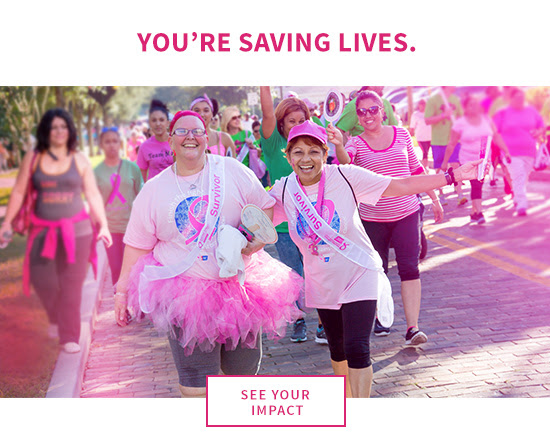
Thank you Ann for donating to Making Strides of Boston.

By supporting the American Cancer Society, you ensure that no one dealing with a breast cancer diagnosis will walk alone. Your donation helps by funding research, providing free information and support services, and helping detect the disease early when it’s easiest to treat.

Increase Your Impact

Thank you for your gift. There are simple ways to make your gift even more impactful:

  1. Find out if your company offers matching gifts. It is an easy way to double your donation!
  2. Promote your support through social media. Tell everyone on Facebook, Twitter, or Instagram about your work with our Making Strides walk. You may inspire others join you.

Join Us

Come to your local Making Strides event. You could even start your own team.

Thank you for helping save lives.

Sincerely,

XXX
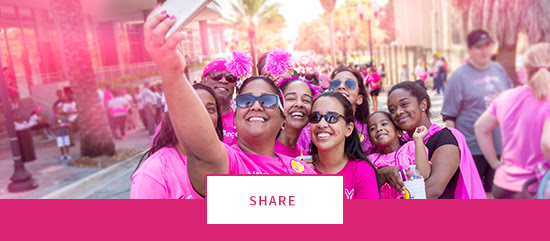
Event Name: Making Strides of Boston
In Support Of: XXXX
Date: Sep 18, 2018 1:51:17 PM
Amount: $
Tracking Code: 1176-22848-1-38008066-39147184


Note: Your gift is tax deductible to the extent permitted by law.

*************************************************************************************

This one did a good job of thanking me. They told me how my gift would make a difference, gave me other ways to get involved, and included some engaging, colorful pictures.

Yes, there’s a receipt, which you should include in either a thank you email or letter, but AFTER you pour on the gratitude.

Again, don’t make your message sound like it was written by a robot. Write something warm and personal.

Thanking a Donor by Email: Best Practices and Examples

How to Create a Compelling Nonprofit Thank You Email

Making the thank you experience more personal

Since your thank you landing page and email are automatically generated, you can’t make them as personal as a handwritten note, phone call, or letter. That’s why you need to do at least one of those for your online donors. I wrote about that in my last post. Take Thanking Your Donors to the Next Level  An email thank you is not enough.

You won’t be able to segment much, but you should be able to distinguish between single gifts and monthly donations.

Your thank you landing page and email acknowledgment are just the beginning. Make them engaging and personal and keep up that theme as you continue to communicate with your donors throughout the year

How to Get Your Website in Good Shape

34494849676_9097f32ac4_mThe internet is still most people’s go-to place to get information. Unlike social media, you control your website. Therefore, yours needs to be in good shape. This means it’s up-to-date, easy to read and navigate, welcoming, and audience-centered.

How does your website fare? Use the checklist below to find out.

Home page

Your home page is often the first place a newcomer will visit. Make it an entryway to the rest of your website.

  • Is it free of clutter and easy to navigate and read?
  • Does it include an engaging photo and a small amount of text, such as a tagline or position statement?
  • If you’re highlighting something such as an event, is the information up-to-date, and is it the most newsworthy item you can feature?
  • Does it include a Donate Now button that’s prominent without being tacky?
  • Does it include a newsletter sign-up box and social media icons?
  • Does it include your organization’s contact information or a link to a Contact Us page?
  • Is the navigation bar easy to use?
  • Does it include a search feature?

Donation page

Many people donate online. This needs to be a good experience for your donors. You don’t want to stress them out with a cumbersome and confusing donation page.

  • Is it easy to use?
  • Does it include a strong call to action with the same messages as all your other fundraising appeals?
  • Does it show how the donation will be used and what different amounts will fund?
  • Does it include an option for monthly/recurring gifts?
  • Does it have an engaging photo?
  • After someone donates, does it take the person to a thank you landing page and generate a thank you email?

The rest of your pages

Be sure to take a look at the rest of your web pages, too.

  • Are they easy to read/scan and navigate?
  • Do all your pages have a consistent look?
  • Is the content well written in a conversational style (no jargon!) and free of grammatical errors and typos?
  • Are your pages audience-centered? Remember, some visitors know you well and others don’t. A person visiting your volunteer page may not know much about your organization, so you’ll need to include a compelling description of what you do.
  • Do your pages contain a clear call to action? For example, your volunteer page should entice someone to volunteer.
  • Does each page have one or two photos related to its subject matter? Going back to your volunteer page, you could include a photo of volunteers interacting with clients.
  • Is all the content up-to-date?
  • Do all your links work?
  • Do all your pages include a Donate Now button, navigation bar, social media icons, a newsletter sign-up box, contact information, and a search feature, so your visitors don’t have to go back to the home page?
  • Are you using analytics to see how often people visit your pages? If you have pages that aren’t generating a lot of interest, find out why that’s happening. You may need to make the page more engaging or take it down.
  • Do you periodically survey your supporters to get feedback about your website?
  • Is your website mobile-friendly? This is crucial. Using responsive design will help. 7 Steps To Ensure Your Nonprofit Has A Mobile-Friendly Website
  • Is there other content you should include (or take out)?

After you’ve made all your changes, have someone who isn’t as familiar with your organization (maybe a friend or family member) look at your website to see if the content is clear and that it’s easy to navigate.

Your goal is to have a website that’s welcoming and audience-centered for everyone from first-time visitors to long-time donors.

Read on for more information to help you get your website in good shape.

Nonprofit Web Design: 6 User-Experience Best Practices

25 Best Practices for Nonprofit Websites

Image by Petr Sejba  www.moneytoplist.com


Are You Doing Better in 2018?

3120877348_5130705a52_m

It’s hard to believe we’re more than halfway through 2018. It doesn’t seem like that long ago I wrote this post –  How to Do Better in 2018

I hope your fundraising and communications are going well so far this year. Are they going well? Are you even paying attention to how things are going?

Let’s revisit that post from the beginning of the year. If things are going well for you, great. If not, I have some suggestions on how to do better, and for everyone – how to gear up for year-end.

Evaluate and plan

Are you meeting your goals so far? If not, do you a have a plan in place to get there? If you never made a fundraising plan for 2018, stop right there and put one together now.

Do’s and Don’ts for Your Annual Fundraising Plan

If you’re falling short of your fundraising goals, you may need to ramp up your year-end campaign. Also, your event may not be worth the trouble or you’re seeking out the wrong grant funders.

Spend Time Actually PLANNING to Raise More Money for Your Cause

Figure out your retention rate

Donor retention rates tend to be low. Do you know yours? If you’re behind in your fundraising, you may be losing donors. Figure out your retention rate now.

Retention rates are not that hard to fix, but you need to work at it. Better communication is often the key. More on how you can do a better job communicating with your donors later in the post.

6 Tactics for Increasing Donor Retention

Get in touch with your lapsed donors

Did you ever get in touch with people who didn’t give to your year-end appeal? Before this year’s campaign, figure out who didn’t give a year ago, but has donated in the last two or three years. Send them a special targeted letter telling them you miss them and want them back.

Then make a plan do the same thing in January for anyone who didn’t give. Here you could follow up with a phone call or email. This could help you raise additional revenue.

5 ways to win back your lapsed donors

Start or enhance your monthly giving program

A monthly or recurring giving program is a great way to raise more money. If you don’t have one, plan to promote monthly giving in your next campaign. To get more monthly donors, send a special targeted letter to current donors inviting them to become monthly donors.

Once someone has become a monthly donor, they should get their own appeal letter. One in which you thank them for being a monthly donor and politely ask them to increase their gift this year. Don’t send them a letter that asks for a one-time gift.

Other mistakes organizations make with their monthly giving program are not paying attention if a donor’s gift expires and doing a poor job of thanking their monthly donors.

You’ll notice I’ve made several recommendations to segment your appeal letters. This shows your donors you know who they are and should help you raise more money.

Do a better job of thanking your donors

Most organizations don’t do a good job of thanking their donors. Perhaps they send a nice letter after they receive a donation, although that’s wishful thinking. But the donor love usually comes to a screeching halt after that.

Thanking donors is something you need to do throughout the year. Create a thank you plan to help you with this.

A few things you should do before your year-end campaign. Take a look at your current thank you letter. If it’s not gushing with gratitude, write a new one. This goes for your thank you landing page and email acknowledgment, too. Make sure your letter is ready to go at the same time you launch your appeal. Don’t treat it as an afterthought and send something a month after you receive a donation. You’ll get gold stars if you can throw handwritten cards and/or phone calls into the mix, too. Finally, send a special thank you sometime early this fall. This could be a handwritten note or a postcard with an update. Something by mail is best, but if that’s impossible, you could send email.

Stay in touch throughout the year

This is another problem area. Many organizations go AWOL unless they’re asking for donations. It’s Kind of Quiet Out There Some send newsletters and updates, but these are often boring and focused too much on how great the organization is.

I know you’ll be busy, but you need to communicate more with your donors as you gear up for your year-end appeal. What’s In My Mailbox | How are you *warming up* your donors? You want to be on your donors’ good side come donation time.

Also, take a look at your newsletter and other donor communication. Are you leading with a story and focusing on how your donors are helping you make a difference?

You still have time to do better

If you’re falling short of your goals, you still have time to do better, but you have to work at it. Year-end is, of course, a great opportunity to raise money, as well as build relationships.

Be sure to keep evaluating your progress to help ensure a successful 2018.


If You’re Making a Difference,You Have Stories to Tell

11276455354_8e888bdc19_mWhen your donors open your appeal letter or newsletter, do you bore them with a bunch of mind-numbing statistics, or do you share a story about how the Clark family moved out of a shelter and into a home of their own?

Donors want to hear your stories

You may be reluctant to use stories because it’s more work for your organization, but don’t use that as an excuse. Donors love stories and they want to hear yours. Stories bring the work you do to life by using everyday language to create a scene. Here’s an example.

Mara woke up feeling good for the first time in a while. After losing her job and being evicted from her apartment, she moved between her cousin’s house, motels, and shelters. It was taking a toll on her family. Everyone was stressed out and her kids were falling behind in school.

That was about to change because thanks to donors like you, Mara and her family will be moving into a home of their own.

Can you tell a story like that? If you’re making a difference, you can. Stories should show your donors how they’re helping you make a difference for the people you serve.

Create a culture of storytelling

If you create a storytelling culture in your organization, you can make storytelling the norm instead of the exception.

Break down your silos and work with your program staff to create stories that will help you connect with your donors. Everyone needs to understand how important this is. Share stories at staff meetings and/or set up regular meetings with program staff to gather stories.

When you put together a story, ask.

  • Why would your donors be interested in this story?
  • Why is this important?
  • Who are you helping?
  • Are you using clear, everyday language (no jargon) to make sure your donors understand your story?
  • How are your donors helping you make a difference or How can your donors help you make a difference?

Client or program recipient stories are best. You can also share profiles of volunteers, board members, and donors. Many organizations profile new board members in their newsletters. That’s okay, but instead of emphasizing their professional background, concentrate on what drew them to your organization. Perhaps she has a brother who’s struggled with mental health issues or he benefited from having a mentor.

Another way to find stories is to put a Share Your Story page on your website. Share-Your-Story Page | an addition to the fundraiser’s arsenal of tools

Create a story bank to help you organize all your stories. Take advantage of slower times of the year to gather stories. You want to use stories often. Use them in your appeal letters, thank you letters, newsletters, annual reports, website, blog, and other types of social media. You can use the same stories in different channels.

Give your stories the personal touch

Use people’s names to make your stories more personal. I realize you might run into confidentiality issues, but you can change names to protect someone’s privacy. You could also do a composite story, but don’t make up anything. Fundraising with Names Have Been Changed Disclaimers

Your stories aren’t about your organization

Let your donors know how with their help, Kate doesn’t have to choose between buying groceries and paying the heating bill. Your organization stays in the background. And remember, Your Mission Statement is NOT Your Story

Tell your donors the stories they want to hear. In my next post, I’ll write about sharing visual stories.

Resources to help you tell your stories

The Storytelling Nonprofit

INFOGRAPHIC: A Nonprofit Storytelling How-To

Best Practices in Nonprofit Storytelling – How to Structure Your Stories

Top 10 Nonprofit Storytelling Best Practices

Photo by Howard Lake

Email Newsletters: 5 Reasons to Stay in Touch with Donors

AP_Ann-Green-Nonprofit_Email-Newsletters-5-Reasons-to-Stay-in-Touch-with-Donors_hero

By John Killoran

Your email newsletter is a great way to stay in touch with supporters, but using extra tools and strategies can have a huge payoff! Check out the reasons why.

Like all nonprofits, your organization relies on the support of its donors and partners.You know that maintaining strong relationships year in and year out is essential to continually growing a stable base of support.

You already know, too, how to draft an effective email solicitation that attracts attention, gets to the point, and directly provides a way to give. But do you put this much thought and strategy into your email newsletters?

Think back to the earliest days of your organization. Starting a nonprofit requires consciously building a tight network of initial support to get your efforts off the ground. There’s no reason why actively developing strategies to keep everyone informed and involved shouldn’t still be a priority now that you’ve grown!

It becomes surprisingly easy to drift away from your founding mission when you don’t prioritize communication.That’s why email newsletters are such a crucial tool for nonprofits looking to stay focused, driven, and in touch with their stakeholders.

While every organization understands the need to stay in touch with donors and volunteers, they might not recognize all the interconnected reasons why focusing on your newsletter pays off in the long run. Crafting a perfect email newsletter gives your nonprofit the opportunity to:

  1. Promote all your digital giving outlets.
  2. Loop everyone in on your projects and goals.
  3. Boost overall donor and volunteer engagement.
  4. Connect all your campaigns and events.
  5. Build stronger relationships with donors.

Strengthening even one element of your email newsletters will boost their overall effect! By crafting more engaging strategies for your newsletters, you can make a serious long-term investment in your nonprofit’s ability to attract and retain committed supporters.

AP_Ann-Green-Nonprofit_Email-Newsletters-5-Reasons-to-Stay-in-Touch-with-Donors_header1

1. Promote all your digital giving outlets.

Email newsletters are a perfect place to promote and explain new donation tools that your nonprofit adopts as its strategies evolve.

This doesn’t necessarily mean soliciting donations! You already conduct separate email campaigns to reach your fundraising goals. While you can certainly ask for donations in your newsletter, your recipients are presumably already committed to supporting your work.

Rather, focus on raising awareness and explaining new donation tools and platforms in the context of your next fundraising campaigns.

Check out Snowball’s rundown of PayPal alternatives for nonprofits for more information on how nonprofit-centric payment and donation platforms will catch your donors’ attention, help you pursue your goals, and conduct more engaging campaigns.

Consider how you could promote and explain these donation platforms in your newsletter:

  • Text-to-give tools to incorporate into your events
  • Mobile-optimized donation forms to boost mobile donations
  • Crowdfunding campaigns for specific goals or projects
  • Peer-to-peer fundraising campaigns leading up to major events

Plus, your email newsletter provides the perfect opportunity to learn more about your supporters’ preferred methods of communication and giving. Linking your recipients to a quick survey can have a major payoff for your mobile engagement levels by helping you refine your marketing and digital fundraising strategies.

AP_Ann-Green-Nonprofit_Email-Newsletters-5-Reasons-to-Stay-in-Touch-with-Donors_header2

2. Loop everyone in on your projects and goals.

Another reason to focus on your email newsletters is that keeping all your donors, volunteers, and stakeholders fully informed about your projects and goals is the first step to getting them excited and involved!

Use your newsletter to announce your next campaign or provide a sneak peek of your next major event. Give your readers the sense that they’ve received a special ‘inside scoop’ to build excitement and rally support. You might share updates on any of your projects, like:

  • Client success stories
  • Upcoming fundraising campaigns
  • New community initiatives
  • Advocacy projects and campaigns
  • Capital campaigns and major developmental goals
  • Grant writing projects and donor surveys
  • New partners and sponsorships

Aside from making it easier to get everyone involved, sharing regular updates is useful because it provides the opportunity to collect more feedback. Keeping everyone informed and engaged means you’ll be able to gather more information and insights to guide your plans.

How well do you know your donors? Simply asking for feedback on your projects or campaigns with a suggestion form in your newsletter can be a surprisingly effective method for guiding your marketing and fundraising strategies.

Plus, your most dedicated supporters will have plenty of ideas of how you could approach your goals. For instance, a longtime volunteer can likely share important insights as you develop a programming proposal for a grant application!

AP_Ann-Green-Nonprofit_Email-Newsletters-5-Reasons-to-Stay-in-Touch-with-Donors_header3

3. Boost overall donor and volunteer engagement.

Keeping everyone aware of new ways to support your organization’s work and updated on upcoming projects will provide a natural boost to donor engagement. Your newsletter recipients will feel more involved, which will encourage them to get more involved!

This engagement boost will take several familiar forms:

  • Digital engagement. Keep your base of support updated on your online fundraising and social media campaigns to see an increase in digital interactions.
  • Volunteering. Use your newsletter to make volunteering easier. Promote upcoming projects, provide sign-up forms, and mention any incentives you’ll offer.
  • Financial support. Explain new campaigns and tools in your newsletter, giving your recipients a more intimate view of your goals and planning process.

Remember to take the opportunity in your email newsletter to provide some easy tools for recipients to further their engagement, too.

Corporate philanthropy search tools are a great example. Include a search tool that allows your supporters to search for their employers’ corporate philanthropy programs. Matching gifts and volunteer grants are the perfect way for supporters to boost their impact.

These programs are generally not used much, so some programs can be extremely generous. If your organization has an active volunteer program, check out the top volunteer grant companies from 360MatchPro for an idea of the extra funds you might be eligible to receive!

As a way to potentially address all of your supporters at once, your email newsletter is the best place to promote extra tools and options that can boost the impact of your supporters’ engagement with your work.

AP_Ann-Green-Nonprofit_Email-Newsletters-5-Reasons-to-Stay-in-Touch-with-Donors_header4

4. Connect all your campaigns and events.

Actively connecting your various activities is a great way to grow engagement and make more effective solicitations when fundraising. Your email newsletter is the perfect place to put this strategy into practice!

Solicitations become more effective when supporters can clearly understand how all your events, activities, and campaigns fit together in pursuit of your mission.

Think about it: an online fundraising campaign that feels disjointed or disconnected from any of your nonprofit’s overarching goals isn’t particularly inspiring.

Rather, use your newsletter to clarify the connections! For example, here’s how you might explain and promote some campaign elements in your newsletter by framing them around the shared purpose of supporting an upcoming 5K:

  • A peer-to-peer fundraising campaign. Encourage recipients to donate, volunteer, and form teams as you raise pledges for the big race.
  • Your marketing campaign. As you promote the 5K online, ask your newsletter readers to share your posts and invitations on social media.
  • Merchandise promotion. Link to your online store, t-shirt crowdfunding campaign, or order form for your 5K shirts. Or explain how teams can design their own!
  • The grand finale event. Promote the big 5K in your newsletter, invite all your recipients, and provide important necessary information for participants and attendees.

In this example, all the cross-promotional effort and campaigning will result in a hugely successful event! Giving supporters multiple ways to get involved and using your newsletter to clearly explain how it all connects to support the 5K gives your entire network of support a clearer, more focused goal.

AP_Ann-Green-Nonprofit_Email-Newsletters-5-Reasons-to-Stay-in-Touch-with-Donors_header5

5. Build stronger relationships with donors.

Finally, remember that the long-term benefit of focusing effort on your email newsletter is that it’s an effective tool for expressing gratitude to your supporters.

By thanking your donors and volunteers and showing how their support directly helps further your mission, you can reinforce those important relationships. Plus, you’ll be contributing to a healthy culture for your nonprofit, ensuring it can retain more and more satisfied donors.

There are a number of ways to use your email newsletter to build stronger relationships with supporters:

  • Provide updates and success stories on campaigns and projects.
  • Promote and thank your important community partners.
  • Recognize individuals who go above and beyond in supporting your work.
  • Invite your newsletter recipients to special thank-you events.
  • Share surveys and field suggestions to better refine your retention strategies.

Thanking your supporters means you’ll need to switch out of solicitation mode for a moment.

Building strong mutual relationships and genuinely expressing your gratitude does more in the long run for retaining valuable support than constantly soliciting more funds, even if your donors are consistently happy to support your campaigns.

A great way to make sure your messages of thanks in your newsletter stay effective is to focus on the language you use. Drop the fundraising jargon, and keep your tone warm and natural. After all, the support of these important partners is worth celebrating!

The most basic function of a nonprofit email newsletter is to share updates with your supporters and announce new projects, but incorporating some smart strategies and being aware of all the roles a newsletter can play will make them even more effective.

By using your email newsletter as a space to communicate, explain new donation tools, provide ways to boost engagement, and connect all your campaigns, you’ll strengthen your donor relations overall!

John Killoran

John Killoran is CEO of Snowball, an exciting new fundraising technology that makes it easy for people to donate in two clicks from text, email, web and social media sites.John pioneered SMTP payments and has been a major innovator in the mobile payments space for the past 5 years. When he is not running a company, he is cooking food for his family and telling his dogs to stop barking.