
Get Noticed in an Instant with a Visual Story

SONY DSC

We’re bombarded with information by the bucket loads these days. It’s easy for your messages to get lost in the endless sea of stuff.

One great way to connect is by sharing visual stories. Some people respond better to visual stimuli, anyway. Here are a few ways to tell visual stories.

Tell a story in an instant with a photo

Your donors are busy and may not have time read a story, but you can capture their attention in an instant with a great photo. That doesn’t mean a photo of your executive director receiving an award. Use photos of your programs in action.

Print newsletters and annual reports tend to be too long and text-centric. Most of your donors won’t have time read the whole thing. But if you share some engaging photos, your donors can get a quick glance of the impact of their gift without having to slog through a bunch of tedious text.

You may want to try a Postcard Annual Report instead of the usual boring booklet.

If you use social media, you need to communicate several times a week. As your donors scroll through endless amounts of posts on Facebook and Twitter, an engaging photo can pop out and get their attention.

Use photos everywhere – appeal letters, thank you letters/cards, newsletters, annual reports, your website, and social media. Create a photo bank to help you with this. It’s fine to use the same photos in different channels. It can help with your brand identity. Be sure to use high-quality pictures. Hire a professional photographer or find one to work pro bono.

Work with your program staff to get photos. Confidentiality issues may come up and you’ll need to get permission to take pictures of kids. It’s okay to use stock photos. Just be sure to give proper credit.

5 Killer Photography Tips for Nonprofit Brands

5 Image Mistakes Your Nonprofit May Be Making…and How You Can Fix Them!

Highlight your work with a video

Create a video to show your programs in action, share an interview, give a behind the scenes look at your organization, or my favorite – thanking your donors. Make your videos short and high quality. If you’re interviewing someone, be sure that person is good on camera.

You can use videos on your website, in an email message, on social media, and at an event.

11 Nonprofit Videos That Inform and Inspire

How to Make a Fantastic Nonprofit Video

10 Mistakes Nonprofits Make with Video

Make your statistics sing with infographics

A typical annual report is chock full of statistics. You want to share these, as well as your accomplishments, but you know very few donors are going to read a lot of text.

Why not use an infographic instead of the usual laundry list of statistics and accomplishments?  Here are some examples. A Great Nonprofit Annual Report in a Fabulous Infographic

Brochures are becoming a relic of the past, but what if you want an informational print piece to give to potential donors or volunteers?  An oversized infographic postcard could be the way to go.

How to Create an Effective Nonprofit Infographic

5 Infographic Best Practices You Should Follow

10 free tools for creating infographics

Good visuals will enhance both your print and electronic communication. Keep your donors engaged with all types of stories.
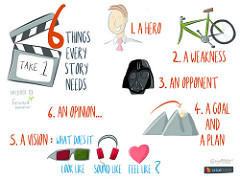

Connect With Your Donors by Telling Stories

15301460105_617eeac9dc_m

When your donors open your appeal letter or newsletter, do you bore them with a bunch of mind-numbing statistics, or do you share a story about how the Wilson family moved out of a shelter and into a home of their own?

If you’re making a difference, you have stories to tell

Donors love stories. Stories bring the work you do to life by using everyday language to create a scene. Here’s an example.

Diane woke up feeling good for the first time in awhile. After losing her job and being evicted from her apartment, she moved between her sister’s place, motels, and shelters. It was taking a toll on her family and her kids were falling behind in school.

That was about to change because thanks to donors like you, Diane and her family will be moving into a home of their own.

Can you tell a story like that? If you’re making a difference, you can. Stories should show your donors how they’re helping you making a difference for the people you serve.

Create a culture of storytelling

If you create a storytelling culture in your organization, you can make storytelling the norm instead of the exception.

Creating stories takes a little more work, but they will help you connect with your donors. When you put together a story, ask.

  • Why would your donors be interested in this story?
  • Why is this important?
  • Are you using clear, everyday language (no jargon) to make sure your donors understand your story?
  • Who are you helping?
  • How are your donors helping you make a difference?

Client or program recipient stories are best. You’ll need to work together with your program staff to get these stories. Everyone needs to understand how important this is. Share stories at staff meetings and/or set up regular meetings with program staff to gather stories.

Another way to find stories is to put a Share Your Story page on your website. Share-Your-Story Page | an addition to the fundraiser’s arsenal of tools

You can also share profiles of volunteers, board members, and donors. Many organizations profile new board members in their newsletters. That’s okay, but instead of emphasizing their professional background, concentrate on what drew them to your organization. Perhaps she benefited from having a tutor when she was in school or he’s passionate about human rights.

Create a story bank to help you organize all your stories. Take advantage of slower times of the year to gather stories. You want to use stories often. Use them in your appeal letters, thank you letters, newsletters, annual reports, website, blog, and other types of social media. You can use the same stories in different channels.

Give your stories the personal touch

Use people’s names to make your stories more personal. I realize you might run into confidentiality issues, but you can change names to protect someone’s privacy. You could also do a composite story, but don’t make up anything. Fundraising with Names Have Been Changed Disclaimers

Your stories aren’t about your organization

Let your donors know how with their help, Janet doesn’t have to choose between buying groceries and paying the heating bill. Your organization stays in the background. And remember, Your Mission Statement is NOT Your Story

Connect with your donors by telling them a story. In my next post, I’ll write about sharing visual stories.

Resources to help you tell your stories

The Storytelling Nonprofit

INFOGRAPHIC: A Nonprofit Storytelling How-To

NON-PROFIT STORYTELLING: HOW TO STAND OUT IN A CROWD

Don’t Slow Down Too Much This Summer

9274377903_6a0205ebd0_m

It’s summer, yea! Those of us who live in colder climates relish these few months of warmer weather, a slower pace, and a vacation to someplace fun.

While I hope you get a chance to slow down and take a vacation this summer, that doesn’t mean everything in your organization has to come to a screeching halt. In fact, summer is a great time to tackle a few projects and get ready for a busy fall.

Here are a few things you can take on this summer.

Clean up your mailing lists

If you haven’t touched your database since your year-end appeal, now is a good time to clean up your mailing lists (both mail and email).Take care of those address changes, returned mail, and bounced emails.

Be meticulous. Go through your mailing lists and check for typos and duplicate addresses. Then please, please segment the people in your database by current donors, lapsed donors, volunteers, event attendees, etc.

Don’t pass this off to a volunteer. Have someone who knows your donors take this on. Tedious, yes, but it will pay off if your donor gets a personalized letter with her name spelled right.

The-Ultimate-Guide-to-Nonprofit-Donor-Data-Management

Freshen up your appeal letters and thank you letters

If you’ve been using the same appeal letter and thank you letter templates for awhile, it’s time to stop. Freshen them up with some donor-centered content.  

Gather some engaging stories and photos

You know what else will make your appeal letters and thank you letters shine – engaging stories and photos. Take some time to gather stories and photos this summer. You can also use them in your newsletter, other updates, and on your website.

INFOGRAPHIC: A Nonprofit Storytelling How-To

10 TIPS FOR BETTER NONPROFIT PHOTOS

Create an attitude of gratitude

Make this the year you do a better job of thanking your donors. Handwritten thank you notes will make your donors’ day. One thing you can do is create a thank you photo and use it to make cards. If cost is an issue, see if a print shop will make them for you pro bono.

In addition, think about making a short thank you video. You can put this on your thank you landing page and share it by email and social media.

Update your website

Has it been awhile since you’ve updated your website? People still use the internet as a primary source of information and potential donors could go there to find out more about your organization.

It doesn’t have to be a complete overhaul, but make sure it’s up-to-date and easy to navigate on all devices.

12 Essential Nonprofit Web Design Best Practices

Don’t take a vacation from your communication

Stay in touch with your donors throughout the summer. In fact, send them something special. Maybe the thank you video you made or a postcard update.

Be sure to plan for communication staff vacations, too. Keep those email and social media updates coming.

You may be working at a slower pace this summer, but don’t let things come to a screeching halt. Use this time to make some improvements and get ready for the fall.


Don’t Be a Stranger

119274407_fb54d99fcf_m

I don’t know about you, but I haven’t heard much lately from the nonprofits I support. There’s been a scattering of updates, e-newsletters, action alerts, and appeals. But mostly – silence.

I know it’s quieter time, but that doesn’t mean you need to go AWOL. You should be communicating with your donors at least once a month. In fact, the period between campaigns is an excellent time to reach out. You don’t want to be a stranger. And, since many nonprofits seem to have decided to take a break from donor communication (not a wise decision), your message will be one of the few they’ll receive.

Here are some ways to show your donors that you’re not a stranger.

Share an update

Let your donors know how they’re helping you make a difference. Send something by mail if you can. Maybe a two-page update or infographic postcard. Here’s one of my favorites. Knock it Out of the Park  If it’s impossible to send something by mail right now, you can use email.

Say thank you

Thank your donors just because. Send them a nice thank you card or you can combine a thank you and an update. Have some fun and get creative here. 15 Creative Ways to Thank Donors

Create a better newsletter

You may already keep in touch with your newsletter. Newsletters can be a great way to engage, but before you get too complacent, I have to ask you, Is Your Newsletter Boring? Many of them are, but yours doesn’t have to be.

A good summer project for you is to create a better newsletter. Find some engaging stories to share. Think about what your donors want – Hint – It’s not a lot of bragging. 3 Ways Your Nonprofit Newsletter is Killing You

The general rule for newsletters is a monthly e-newsletter and four quarterly print newsletters. I like to recommend a short (maybe two articles) e-newsletter every two weeks. Our inboxes are overflowing right now. This way you can stay in touch regularly and not bombard people with too much information at once.

Tie in current events

There’s a lot going in the world right now. Will your organization be affected by any of the Trump administration’s policies or proposed budget cuts? Share ways your donors can help – perhaps by contacting their legislators, volunteering, or making a donation.

Focus on relationship building in your appeal

If you’re doing a fundraising appeal this spring, make the main focus relationship building. Thank donors for their past support, share some updates, and show them how their gift will help you make a difference.

Invite long-term donors to join your family of monthly donors. Send a special letter to your lapsed donors letting them know you miss them and want them back.

If you also did a year-end appeal, some of your donors may be reluctant to give again so soon. You certainly can ask for more than one gift a year, but why now?  Don’t just ask for a donation. Make a compelling case and stay focused on relationship building.

Don’t lose momentum

After I made a bunch of monthly gifts last year, several organizations sent me monthly thank you letters either by mail or email. This went on for a couple of months and then it pretty much stopped. Last month I only received two thank you letters. What happened here?

It’s easy to ride on all that year-end energy, but you have to keep it up. Whether it’s thank you letters to monthly donors or e-newsletters, once you start, you can’t stop. What kind of message does that send?  Use a communications calendar to help you communicate regularly.

Your donors want to hear from you throughout the year. Don’t be a stranger.


Don’t Be Part of the Noise – Make Your Email Messages Stand Out

8553701783_4a79655e29_m

Email is usually the primary mode of communication for nonprofits and there’s a reason for that. It’s fast, easy, relatively inexpensive, and almost everyone has an email address. You can quickly get a message out to a lot of people.

But guess what? You’re not the one sending email. People get hundreds of emails a day plus messages from other sources such as social media. It’s information overload on steroids right now and much of it is just noise.

Here’s how you can rise above the noise and make your email messages stand out.

What’s your intention?

What’s the purpose of your message? What do you want your reader to do? Maybe it’s to donate, volunteer, attend an event, or contact her legislators. Maybe you’re sharing an update.

Think from your reader’s perspective. What would she be interested in or what would make him take action?

Keep it simple and stick to one call to action.

Pay attention to your subject line

A good subject line is the key to getting someone to open your email message. If he doesn’t bother to open it, your hard work has gone to waste.

Give some thought to it. Instead of Donate to our Annual Appeal or May 2017 Newsletter, try Find out how you can help Gina learn to read or Thanks to you, the Miller family can put food on the table tonight.

Improve the ROI of Your Nonprofit Email with a Great Subject Line

Short and sweet

Just because someone has opened your email message, doesn’t mean she’ll read it. Keep her interested. Remember your email is one of hundreds your reader will receive that day. Make it short, but engaging, and get to the point right away.

Make it easy to read and scan

Besides sending a short message, use short paragraphs, too. It needs to be easy to read (and scan) in an instant. Don’t use micro-sized font either.

Be personal and conversational

Write directly to your reader using clear, conversational language – no jargon. Address your message to a person – Dear Susan and not Dear Friend.

Use an email service provider that lets you segment your lists so you can personalize your messages. For example, you’ll create different messages for current donors, potential donors, and lapsed donors.

Send your email to the right audience

You may want to reach out to tons of people about an upcoming event, but you’ll have better luck concentrating on people who will be interested, such as past attendees. Just because email lets you communicate with a large audience, doesn’t mean you should. Otherwise, you’re just generating more noise.

Be a welcome visitor

If you communicate regularly and do it well, your readers should recognize you as a reputable source and are more likely to read your message.

Make sure people know your message is coming from your organization. In the from field, put DoGood Nonprofit or Sarah Wilson, DoGood Nonprofit. If you just put a person’s name or info@dogoodnonprofit.org, people may not know who it’s from and ignore your message.

Create a no spam zone

Only send email to people who have opted into your list. Otherwise, you’re spamming them. Some people will choose not to receive email from you, and that’s okay. The ones who do are interested in hearing from you. Give people the option to unsubscribe, too.

Once is not enough

If you’re using email to send a fundraising appeal or event invitation, you’ll probably have to send more than one message. Try not to send messages to people who have already responded.

Be mobile friendly

Many people read their email on a mobile device. If your message isn’t mobile friendly, you’re missing out.

Your email messages can stand out and not become part of the noise if you give some thought to them and do it well. Here’s more information about communicating by email.

How to Make Your Marketing Emails Stand Out in Your Donor’s Inbox

11 Fundraising Email Best Practices To Drive High Response Rates

Nonprofit Marketing: Email Marketing Benefits, How-Tos and Best Practices


Make a Smart Investment

4622769282_03b9ffa37f_m

Many nonprofits, especially small ones, are working with limited resources (money, staff, time). I know how hard that is and your default mode may be to say we can’t afford to do this.  

Be careful. What are you saying you can’t afford to do? It may be something you should be doing.

Here are a couple of areas you may be neglecting that I believe you can’t afford not to invest in. You’ll need to spend some money up front, but it will pay off in the long run.

Invest in a good database

If you’re using Excel instead of a database because it’s free, stop doing that. A spreadsheet is not a database. Your Worst Fundraising Enemy

A good database won’t be free, but there are affordable options for small organizations. Compare Non-Profit Software  You don’t want to limit yourself by choosing a database that can only hold a certain number of records or can only be used on one computer because you don’t want to pay for additional licenses.

A good database can help you raise more money. You can segment your donors by amount and politely ask them to give a little more in your next appeal – $35 or $50 instead of $25.

A good database can help you with retention, which will save you money since it costs less to keep donors than to acquire new ones. You can personalize your letters and email messages. No more Dear Friend. You can welcome new donors and thank donors for their previous support. You can send targeted mailings to lapsed donors to try to woo them back. You can record any personal information, such as conversations you had with a donor and their areas of interest.

Don’t cut corners when it comes to your donor data. You can’t afford to do that.

Invest in direct mail

If you never or rarely use direct mail, you’re missing out on an effective and more personal way to communicate with your donors. Think of the immense amount of email and social media posts you receive as opposed to postal mail. Your donors will be more likely to see your messages if you send them by mail.

If money is tight, you don’t have to mail that often. Quality is more important than quantity but aim for at least four times a year.

Put some thought into what you send. Some ideas, besides appeal letters, include thank you cards; Thanksgiving, holiday, or Valentine’s Day cards; infographic postcards; and two to four-page newsletters and annual/progress reports. Make everything donor-centered like the examples in this post. Your Donors Are Your Partners  You could put a donation envelope in your newsletter to raise some additional revenue, but don’t put one in a thank you or holiday card.

Shorter is better. Lengthy communication will cost more and your donors are less likely to read it.

A few ways you can use direct mail without breaking your budget are to clean up your mailing lists to avoid costly duplicate mailings, spread thank you mailings throughout the year – perhaps to a small number of donors each month, and look into special nonprofit mailing rates. You may also be able to get print materials done pro bono or do them in-house, as long as they look professional.

Of course, you can use email and social media, but your primary reason for communicating that way shouldn’t be because it’s cheaper. It should be because that’s what your donors use. If your donors prefer to communicate by mail, then you should too.

Invest in donor communications

Here’s some great wisdom from Tom Ahern If you do better donor-communications, you’ll have more money  This means thanking your donors and keeping in touch with them throughout the year.

Communication budgets often get the short shrift but creating thank you cards and infographic postcards are a smart investment. Perhaps you need to reallocate your budget to cover some of these expenses. You could also look into additional sources of unrestricted funding.

If you think you don’t have enough time or staff to send thank you cards, then call up your thank you army, which can include board members, volunteers, and all staff.

Don’t limit yourself by saying you can’t afford to do something important. If you invest in a good database, direct mail, and donor communications, you should be able to raise more money.


Raising Awareness is Not a Goal

IMG_0809

When you’re putting together your marketing and communications plans, do you include raising awareness as one of your goals? If you do, that’s a problem because raising awareness is not a goal. Raising awareness isn’t necessarily bad. Instead of a goal, think of it as a first step.

Shouting in the wind

Nonprofit consultant Nell Eddington makes this important point “When you attempt to “raise awareness” without a specific and targeted strategy, you are just shouting in the wind.” What Nonprofits Don’t Get About Marketing

Why do you want to raise awareness?

Organizations will say they want people to find out about them or their cause, but why do you want that? Do you want people to donate, volunteer, or contact their legislators? Just knowing about your organization or your cause isn’t enough. You need a call to action.

Raising awareness is not an effective way to fundraise. In this Boston Globe Magazine article We’re all aware of autism; now let’s do something radical by Alysia Abbott, Abbott is trying to make a purchase at a store. While ringing up the sale, the cashier says, “April is Autism Awareness Month. Would you like to make a donation to Autism Speaks?” Not a compelling fundraising pitch. Besides, Abbott is well aware of autism, since her 8-year old son, who is with her at the store, is autistic. Her main concern is to make her purchase and get her “son out of here before he tears apart your store.”

Taking the next steps

Raising awareness doesn’t mean bombarding people with facts and statistics. I learned a lot from Abbott’s story. She offers suggestions of ways to help families who live with autism, ranging from giving encouragement to parents with autistic children to making a donation to an organization that provides service dogs for autistic children and volunteering to become autism buddy.

This what you need to do. Tell a story that will encourage people to take action.

The perils of an awareness month

In this Fundraising is Beautiful podcast The upsides and downsides of holiday-based fundraising, Jeff Brooks and Steven Screen also make the argument that awareness days/months don’t mean that much to donors. The same goes for most holidays, your organization’s anniversary, and that’s it’s your annual appeal.

Donors want you to show them how they can help you make a difference and you don’t need an awareness month to do that.

More doesn’t equal better

It’s tempting to say we want more people to find out about us, but not everyone will be interested in what you do. Your Audience Isn’t Everyone  Press coverage may not help you as much as you’d like. Reach out to people you know will be interested.

Awareness + Call to Action

Don’t get caught in the raising awareness trap. If there’s an awareness month related to your cause, yes, you can acknowledge that, but follow it up with a clear call to action.


I Know You’re Busy, But…..

8456188296_375a94bc19_m

Having too much to do is the norm at most nonprofits, especially small ones. You may be busy, but what are you saying you don’t have time to do? Are you spending too much time on what’s urgent and not what’s important?

It’s possible to stay on top of things, even if you feel you’re so busy you want to set fire to the paperwork on your desk. One big key is planning.  

Here are a few areas that nonprofits need to make a priority and how you can do that.

Thanking your donors

Many organizations do a poor job of thanking their donors. When you’re working on a fundraising appeal or an event, spend just as much time figuring out how you’ll thank your donors. Sending a handwritten note or making a phone call will make a better impression on your donors than the usual boring, generic thank you letter.

Find board members, staff, and volunteers to help. Recruit them ahead of time so you’re ready to go after an appeal or event. It doesn’t take that much time to write a short note or make a phone call, but it makes a huge difference. Get your team together for a thank-a-thon.

Also, spend some time creating an engaging thank you landing page and thank you email message. But wait, you’re not off the hook. You need to keep thanking your donors throughout the year – at least once a month.  Say Thank You Like You Mean It

Staying in touch with your donors

Your donors want to hear how they’re helping you make a difference, and you need to be in touch with them at least once or twice a month.

A newsletter can be a great way to stay in touch. Setting up a template and using an email service provider can save time and will provide consistency. Perhaps each issue will include a story/profile and some updates. You can plan these ahead of time. Create a story bank and fill it throughout the year.

Make a donor communications plan that could include your newsletter, updates (by mail, email, and social media), thank yous (see above), advocacy alerts, and surveys. A communications calendar will help you with this.

Managing your donor data

Don’t wait until a week before you send an appeal to update your database. Take care of address changes, bounced emails, etc. regularly.

I know it’s tedious, but this is important. Your donors won’t be happy if you misspell their names or send them three pieces of mail because you haven’t bothered to check for duplicate addresses. Managing Your Donor Data: 6 Actionable Tips

Measuring your progress

Make time at least once a quarter to see how you’re doing. Are you meeting your fundraising goals?  Is your spring event worth doing?  Are people reading your e-newsletter?

If something isn’t going well, figure out how you can make improvements or don’t spend your valuable time doing it anymore.

Here’s a sample dashboard you can use to help you measure your progress and figure out if what you’re doing is working. Library of Sample Dashboard Indicators

What’s keeping you busy?

What’s keeping you from taking on these important tasks? Do you really need another meeting?  If so, could you make it shorter?  

Doing a few things well is much better than trying to do too much. When Things Don’t Go As Planned Make time to do what’s important.

Your Donors Are Your Partners

4768541428_58be55db44_m

Your donors are not ATM machines and people you only communicate with when you need money. They are your partners and you can’t do your work without them.

Seeing your donors as your partners will help you with your donor relations and donor communication. Always keep your donor in mind.

Show your donors how they’re helping you make a difference

I recently received a Donor Impact Report from Project Bread, an organization that’s working to end hunger. I thought this four-page report did a great job of showing donors how they’re the organization’s partners. The report was filled with donor-centered language such as:

For our generous supporters who make our work possible – a closer look at your dollars at work.

Thanks to you, children are receiving the nutrition they need to succeed in the classroom and beyond.

You help children rise and shine.

Your support puts Chefs in Schools and Chefs in Head Start on the map.

You help us nourish healthy bodies and healthy minds.

You help us foster healthy eating habits to last a lifetime.

This is so much better than a bunch of boring facts and statistics or the usual “look how great we are.”

You is glue

Fundraising expert Tom Ahern came up with the phrase – You is glue. Remember this every time you communicate with your donors. So many appeal letters, thank you letters, newsletter articles, etc. come across as distant and impersonal and don’t consider the donor at all.

Always write to the donor and before you send that message, give it the you test.

Be a good partner

A partnership is a two-way street. Your donors have demonstrated their commitment to you by supporting your organization. You can return the favor with thank you letters that pour on the gratitude. Stay in touch with newsletters and “impact reports” such as the one I highlighted above.  I’m not crazy about the term Donor Impact Report because I think it sounds jargony. I do like the concept though, and you could call it something else such as a Gratitude Report or a Making a Difference Report.

Being a good partner means thinking of your donors first. Share information they’ll be interested in. Project Bread’s report included several success stories. Donors want to hear about the people they’re helping.

Your print newsletters and annual reports should be no more than four pages. Some of the examples I cited above are headlines, so busy donors can scan the report and quickly see the you-centered language even if they don’t have time to read the whole thing.

Being a good partner also means communicating via the same channels your donors use. Your donors will be more likely to see something that comes in the mail. If four-page mailers aren’t viable, you could send an oversized postcard. Of course, you can also use email and social media, but try to send updates by mail a few times a year.

A long-term partnership

You want your partnership with your donors to last a long time. This isn’t happening as retention rates continue to plummet. Seeing your donors as partners that you welcome when they first donate and then continue to show appreciation to and stay in touch with over time will help.


Let Go and Freshen Up: Spring Cleaning for Your Nonprofit

The Great Clean-Up

One thing I’ve noticed now that it’s officially spring is the number of articles about spring cleaning and decluttering. For many of us, these types of projects can be overwhelming, especially if we’ve ignored that mutating pile of paperwork or our closets are overflowing with so much stuff we can barely open the door.

As much as I dislike cleaning and organizing, I’m happy once it gets done. Often getting started is the hardest part.

Your nonprofit organization should also do its own version of spring cleaning and decluttering. If you’re feeling reluctant about taking on these so-called cumbersome tasks, just think how happy you’ll be once they get done.

Let’s get started!

Clean up your mailing lists and database

Did you have an influx of address changes, returned mail, and bounced emails after you sent your year-end appeal? This is a good time to clean up and update both your direct mail and email mailing lists.

Don’t wait until right before your next mailing to clean up your donor data. Even though it’s tedious, have someone who’s familiar with your donors (your development director?) go through your mailing lists and database to see if you need to make any additions, changes, and deletions.

Be meticulous. No donor wants to see her name misspelled, be addressed as Mrs. when she prefers Ms., or receive three mailings because you have duplicate records.

Your donor database is an important tool and it needs to be up-to-date and filled with accurate information about your donors.

Letting go

As you clean up your donor database, pay particular attention to your lapsed donors. It may be time to take some of them out of your active donor file. Who are these people?  If they’ve donated in the past, is it likely they’ll donate again? For example, the mother of a former staff member who left five years ago is a good candidate for your inactive file.

Send one more targeted mailing to people who haven’t donated for at least four years. Let them know you miss them and want them back. If you don’t hear anything, let them go. 4 Tips: When to Remove a Lapsed Donor from Your Database

Do the same thing with your email list. It doesn’t make sense to send email to people who don’t respond to it. Give these people a chance to re-engage, and if they’re not even opening your emails, move them to an inactive file. Why Deleting People from Your Email List is a Good Thing

But wait you say, we want as many people in our database and email lists as possible, don’t we?  No, you want people who are still interested your organization. Quality wins over quantity.

You can save money by not mailing to people who aren’t going to support you and aren’t paying attention to you.

Freshen up your messages

Now that you’ve pared down your mailing lists to active donors and supporters, they deserve something good the next time you communicate with them. Will they get that?

Take a good look at your appeal letters, thank you letters, and other content. Have you been using the same stale, old templates for years?  Are your letters all about how great your organization is and filled with jargon?  Are your newsletter articles mind-numbingly boring?

Freshen them up with some donor-centered content. Can Your Organization Pass the Donor-Centered Test?

Don’t put it off too long

Your clutter and dust at home won’t disappear on their own. The longer you ignore it, the worse it gets. The same is true for your nonprofit.

Take on your cleaning and organization projects as soon as you can. You’ll be happy once they’re done.