Donating Online Shouldn’t Feel Like a Transaction

26750421559_86e5c241ee_m

Last week I both purchased some holiday gifts and made a bunch of donations online and there wasn’t much difference in the process.The key word here is process because both felt like a transaction. My inbox was filled with pleas – last chance to get a Cyber Monday deal or make a donation on #GivingTuesday.

Many fundraising appeals focus more on the transaction than the relationship. I’m trying to help kids receive presents on Christmas morning or help low-income families stay safe and warm this winter. I’m not buying sweaters.

Yes, you’re trying to raise money, but you should also try to build a relationship with me.

I did see a few heartfelt requests for donations on #GivingTuesday, but most were focused on the imperative need to donate today because it’s #GivingTuesday. Your donors get to decide when they want to donate and not everyone is on the #GivingTuesday bandwagon. Thank God It’s Wednesday

I may rethink about making my donations on #GivingTuesday. I’m glad if there’s an opportunity for a matching gift, but it’s so transactional and that includes the thank you experience or lack there of. 

We can do better. After #GivingTuesday or anytime you receive a donation, focus on the relationship and not the transaction.

Make a good impression with your thank you landing page

Most of the landing pages of the organizations I donated to said Thank You. Some included a donation receipt, which is fine because donors often want one. But they could have included a short description of how my gift is helping them make a difference, along with an engaging photo or video. Most of the landing pages were not that different from the ones I received from online retailers.

Your subject line matters, too

Make your thank you email stand out with an engaging subject line.

The best one I received was – Thank you. We appreciate your generosity. That’s fine but not outstanding.

Others included a simple Thank you for donating X organization, Thank you for becoming a (name of monthly giving program), or just Thank You.

One for an organization where I just started making monthly donations said Sustaining Initial Thank You I trust there will be more thank yous to come.

Others had the less than inspiring Donation Receipt, Your Recurring Donation Receipt, and Electronic Receipt for your gift to X organization.

Overall, I was not impressed. A better subject line would be something like You just did something incredible! or You’re Amazing!

A receipt is not a thank you

I like to use PayPal for online donations and purchases when I can. As great as PayPal is, it doesn’t provide a warm and fuzzy experience. PayPal will send you it’s own receipts. Most organizations sent their own automatically generated thank yous and one sent a personalized email.

I made a first-time donation to one organization and all I received were PayPal receipts – nothing from the organization. So, I’m curious to see what comes next, if anything.

If your organization uses PayPal, make sure your donors receive a stellar thank you email from you.

Speaking of which, let’s look at some of the thank you emails I received.

I just became a monthly donor for one organization. They welcomed me to their monthly donor club and gave me the name of a contact person if I had questions or wanted to arrange a tour (always a great way to connect).

One of the good ones opened with Through your support – which we’re grateful for each and every day – we’re able to: Then they listed some accomplishments and included a short thank you video, which showed how my gift is making a difference.

Another good one included Thank you for standing with those from across the country in supporting common sense solutions to gun violence. We can’t achieve real change without your support. This organization also sent a second thank you email two days later!

Here are a couple that are okay, but would have been better if they gave specific examples of how their donors are helping them make a difference.

We are deeply grateful for your generosity and support of our efforts. Your gift makes a difference — it enables us to provide vital services to the community we serve. We count on you and people like you to ensure that we can continue providing these services.

Your gift on Nov 28, 2017, will help X organization provide needed services to over 100,000 people each year through its neighborhood network.

Others didn’t even bother to tell me the impact of my gift. I checked my spam filter to see if any thank yous crept in there, but alas that was not the case. Maybe I’ll hear from some of these organizations or maybe not.

Again, I was not impressed. Most of these organizations could use some Thank You 101

Is there more to come?

A week after giving, I’ve received no type of thank you in the mail or a thank you phone call. I’ll write again in the New Year to let you know what type of #DonorLove I receive, if any.

And, I’m not the only one who thought donating on #GivingTuesday felt like a transaction. 2017  #GivingTuesday Secret Shopper Review

Photo by Mike Lawrence –  CreditDebitPro.com


Your Appeal is the First Step

6920161535_21c3af8287_m

I imagine many of you are beyond busy working on your year-end appeal, but if you think you can take a deep breath and relax once the letters have gone out, you can’t. Your appeal is only the first step.

In fact, what comes next is even more important, especially if you want to to keep your donors for a long time.

Do a good job of thanking your donors

In my last post, I asked Are You Thankful for Your Donors?  Take a few minutes to think about this, because most of the thank you letters I see don’t reflect that.

Make your donors feel good about their donations. A handwritten note or phone call is better than a letter, but if you only have the the means to do a letter, make it sparkle. Don’t send the same old boring, generic thank you letter. Take time to write something awesome.

Create a welcome plan for your new donors

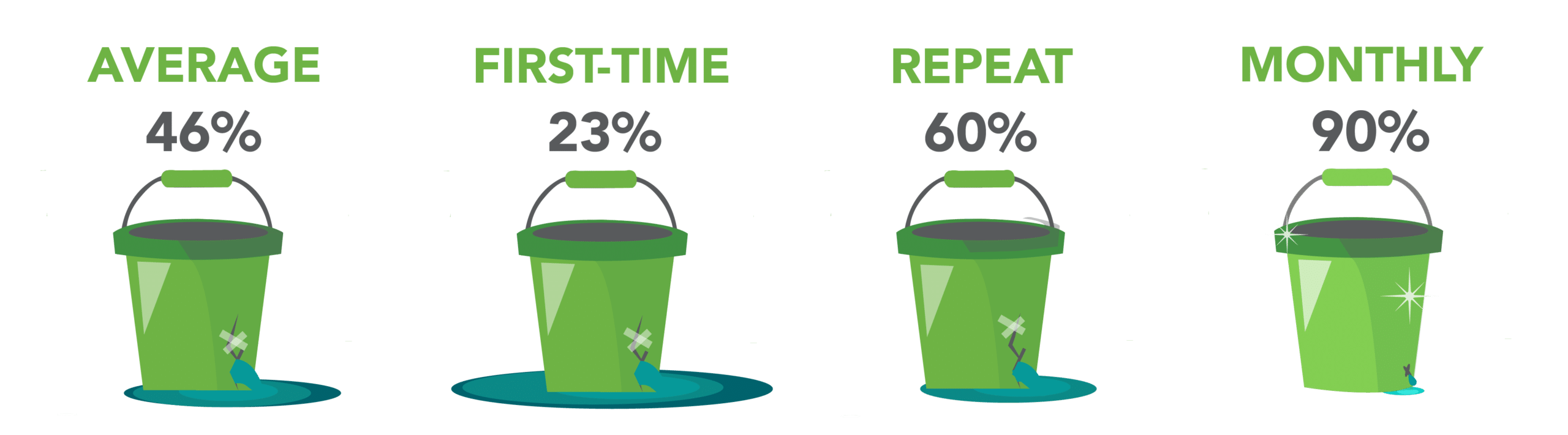
Did you know over 75% of first-time donors don’t make a second gift (according to the Fundraising Effectiveness Report)? This is horrible and we must do a better job of keeping our donors.

One way to help ensure people will give again is to create a welcome plan, which will provide you with ways to let your new donors know how much you appreciate them.

Make your current donors feel special, too

You may think your most valuable donors are the ones who give the most money, but what about the people who have supported your organization for three, five, or even ten years? These are your valuable donors.

If you’re not acknowledging a donor’s past support, you’re making a huge mistake. Imagine how you would feel if you gave to an organization for over five years and they never thank you for your long-time support.

This is why segmenting your donors and personalizing their correspondence is crucial, so is a good database to help you with this. 11 Ways To Segment Your Donors To Improve Your Fundraising

Repeat donor retention rates are 60%, which is better, but still not great. The highest retention rate comes from monthly donors, which is an impressive 90%.

I highly recommend inviting your current donors to become monthly donors, especially the ones who’ve supported you for at least two years. Making the Most of Monthly Giving

Don’t skimp on your donor communication

I know you’re swamped with your year-end appeal right now, but this is not the time to scale back on your donor communication. Continue to send your newsletter and other updates. Keep them donor-centered.

Send your donors Thanksgiving and holiday greetings, either by mail or email. Intersperse your fundraising appeals with messages in which you’re not asking for donations.

Keep it up

Your first New Year’s resolution should be to communicate with your donors more. Keep reaching out to them – at least once or twice a month. Show appreciation and update them on how they’re helping you make a difference.

Think of other ways to do something special for your donors, such as offering tours of your facility or holding an open house.

You want to keep your donors for a long time and making them feel good about supporting your organization will help with this.


Are You Thankful for Your Donors?

Thanksgiving is coming up and it’s a time of year in the U.S. when we show gratitude to the special people in our lives. Do you extend this same gratitude to your donors? Sometimes it doesn’t seem that way.

Nonprofit organizations tend to treat thanking their donors as an afterthought.But you need to spend just as much time thanking your donors as you do on fundraising.

Here are some ways you can show that you are thankful for your donors.

Wish your donors a Happy Thanksgiving

Send your donors a special Thanksgiving message. If you can send a card or postcard, that’s great, but an email message is also fine.

Let your donors know how grateful you are to have them as part of your family. Share a success story and photo or video. Your donors will appreciate a heartfelt message, especially when they’re being deluged with year-end appeals.

Of course, you can also send cards or email messages during the holidays, Valentine’s Day, or any time of the year. DO NOT include a donation envelope or any other type of ask with your thank you message. This will deflate your donor’s good feelings in an instant.

Be ready to thank your donors right away

If you’re doing a year-end appeal (or any other fundraising campaign), you need to thank your donors right away, within 48 hours if you can.

Every single donor, no matter how much they’ve given or whether they donated online, gets a thank you card/letter mailed to them or receives a phone call.

Make this a priority. You need to start planning how you will thank your donors at the same time you plan your fundraising appeal. Don’t do this alone. Get your board, other staff, and volunteers together to make phone calls, write thank you notes, or include a handwritten note on a thank you letter.

Give your donors an unforgettable thank you experience

When was the last time you received a thank you letter that knocked your socks off? Maybe a couple of times. Maybe never.

Nonprofits often relegate thanking donors to a last-minute process. If you donate online, you get taken to a boring, generic thank you landing page and receive an equally boring thank you email. If you’re lucky, you’ll get a letter, but it’s usually impersonal and filled with mind-numbing jargon that doesn’t make you feel good about your donation.

Start off by sounding like a human and not a robot. Don’t open with On behalf of X organization we thank you for your donation of…. Open with You’re amazing! or Thanks to you, David won’t go to bed hungry tonight.

The second example above gets to the heart of a good thank you.Your donors need to feel valued and know how they’re helping you make difference. This isn’t the time to explain what your organization does or brag about how great you are. The donor is the one who’s great.

Make your thank yous personal. Write as if you’re having a conversation with a friend and leave out any jargon or other information your donors won’t understand.

Create an experience for your donors –  an experience that will last as long as your donors support your organization.

5 Thank You Letters Donors Will Love Gratitude and Results Keep Donors Coming Back

How to Craft a Killer Thank You Letter

Don’t make this one and done

The thank you letter you send after your appeal is just the beginning. You must thank your donors all year round. You can make this easier by creating a thank you plan, which you can incorporate into your communications calendar.

Find ways to say thank you at least once a month. Here are some ideas.

  • Create a thank you video and share it on your website, by email, and on social media.
  • Send welcome packets to new donors.
  • Invite your donors to connect with you via email and social media. Keep them updated with accomplishments and success stories. Making all your communications donor-centered will help convey an attitude of gratitude.
  • Always thank your donors in your newsletter and social media updates. Emphasize that you wouldn’t be able to do the work you do without their support.
  • Hold an open house at your organization or offer tours so your donors can see your nonprofit up close and personal.
  • Thank your donors just because they’re great.
  • Keep thinking of other ways to thank your donors.

This Thanksgiving and throughout the year, be thankful for your donors. Treat them well so you can ensure a long-term relationship.


5 Fatal Donor Communication Mistakes Nonprofits Should Avoid

Donor communication can be the key to growing your nonprofit’s community and reaching your fundraising goals. Be wary of these 5 fatal communication mistakes!

By Steve Page

16185149128_a4db78e711_m

When your nonprofit’s fundraising efforts are in full swing, it can be easy to get caught up in a numbers game of trying to reach your fundraising benchmarks.

However, if your team wants to raise as much money as possible for your cause, there’s one area of your fundraising strategy that you shouldn’t disregard: your donor communications.

Having an air-tight donor communication strategy in place is one of the fundamentals of perfecting your fundraising strategy. Without optimizing how your organization connects with donors, your nonprofit could be missing out on some of your most important supporters.

Not sure if your nonprofit is making the most of how you communicate with donors? Look out for these five fatal donor communication mistakes that could derail your fundraising efforts:

  1. You don’t have a donor communication strategy in place
  2. You’re failing to communicate through diverse channels
  3. You’re discounting traditional donor communication channels
  4. You’re not thinking through your social media strategy
  5. You’re not making the most out of your email communications

Ready to learn how to overcome these common donor communication missteps? Let’s dive right in!

Bonus! Is your nonprofit looking to strengthen all areas of your fundraising strategy? Check out MobileCause’s fundraising software buyer’s guide to learn about how investing in the right online tools can help your team fundraise better, as well as improve your donor communications.

MobileCause_Ann Green Nonprofit_5 Fatal Donor Communication Mistakes to Avoid_Header1

1. You don’t have a communication strategy in place

One of the biggest mistakes nonprofit organizations make is failing to identify where and how they want to see their communication strategy grow like they would for their fundraising strategy as a whole.

It’s important that your team takes the time to develop an overarching communication strategy to shape each individual strategy from its foundation. As your team makes changes to improve the way you connect with donors, consider some of the following tactics.

Identify your communications goals.

While the ultimate goal of your communication strategy should be to increase donations and achieve the goals of your fundraising strategy, you also need to identify tangible benchmarks to meet that are specific to donor communications, such as adding new supporters to your email list or increasing profile views on your social media pages.

Create a communications calendar.

When your team plans out a fundraising campaign, you likely create a fundraising calendar to structure how the campaign plays out. Similarly, your team should create a communications calendar that accounts for each channel of your communications with donors. This way, you can easily keep track of what each channel is responsible for and when you will communicate.

Keep your plan flexible and responsive.

Now that you’ve developed actionable goals for your overall communication strategy, periodically follow up on them throughout your fundraising calendar and see what’s working. If you’re not progressing as planned, make the necessary changes across all arms of your communication with donors.

Bonus! Thinking through your nonprofit’s communication strategy should be one of the central parts of developing your fundraising plan. Check out Aly Sterling Philanthropy’s guide to crafting your nonprofit’s fundraising plan for more tips to get ahead!

MobileCause_Ann Green Nonprofit_5 Fatal Donor Communication Mistakes to Avoid_Header2 (1)

2. You’re failing to communicate through diverse channels

When it comes to your nonprofit’s community of supporters, your team should know better than anyone that they have donors from many different walks of life.

To paint them with the same brush would be shortsighted, and your fundraising strategy likely already accounts for differences in giving capacity, age, gender, region, and more.

That being said, with supporters coming in all shapes and sizes, it’s doubly important that your donor communication strategy takes account of these differences by thoughtfully implementing multiple channels of donor communication.

Put simply, your team needs to have a targeted multichannel donor communication strategy in place if you want to effectively communicate with your supporters.

Don’t put all your eggs in one basket! Develop specific communication strategies for:

  • Social media
  • Email
  • Phone
  • Direct mail

Many of your donors will respond better to certain communication channels over others. Some may not even use a particular channel of communication and will be completely blind to any calls to action, invitations to upcoming fundraising events, or other information that might be primarily shared on that channel.

To avoid missing out on members of your donor community, you can assess the reach of campaigns on different communication channels by using A/B testing as a means of comparison.

Additionally, by carefully segmenting your lists of supporters, you can more accurately identify the demographics of your donors and volunteers. With this knowledge, you’ll have a better idea of which communication channels to prioritize and how to better approach communicating across all channels.

The next sections will show you how to communicate more effectively on specific channels.

MobileCause_Ann Green Nonprofit_5 Fatal Donor Communication Mistakes to Avoid_Header3 (1)

3. You’re discounting traditional donor communication channels

These days, when nonprofits talk about donor communication the conversation usually circles back to one thing: social media. Having an effective social media communication strategy certainly is important and your team should take the time to hone how you communicate with donors within that important medium.

However, although donors are increasingly turning to digital means of accessing and engaging with nonprofits online, that doesn’t mean your organization should completely discount more traditional communication channels.

In particular, communicating with donors via the phone and through direct mail can both be useful ways to build relationships with supporters who might not respond well to email communication or who don’t spend much time on social media.

Even better? Just because these methods have been around for a long time, that doesn’t mean they can’t be brought into the 21st century! You can easily integrate online fundraising tools and tactics into your phone and direct mail donor communication strategies.

For example, your team could set up a phonathon run by staff or volunteers. They can call potential supporters and process their donations using your online donation forms in a matter of minutes. With this method, you can access potential donors who may need assistance in completing their online donation or those who simply need an extra reminder to give.

When it comes to direct mail, you could include a QR code or the URL of your online donation form in any mail communication you have with donors. Because this communication is on paper, these supporters can keep the letter up on their fridge or desk if they’re not immediately able to donate, which serves as a more permanent reminder of your ongoing campaign.

MobileCause_Ann Green Nonprofit_5 Fatal Donor Communication Mistakes to Avoid_Header4 (1)

4. You’re not thinking through your social media strategy

In much the same way that a nonprofit might lean too heavily on social media communications to connect with donors and end up neglecting more traditional communication methods, it’s just as easy for your team to fail to think through your social media strategy entirely.

Many nonprofits seem to see social media communication as a new frontier for connecting with donors. Because of this, some organizations think that any form of social media communication will be effective and that just having an active Twitter, Facebook, or Instagram page will help boost their fundraising efforts.

Unfortunately, it’s not as simple as it appears! Effectively using social media to engage with donors should take time, research, and a strategic approach.

Your team can start this process by asking yourselves the following questions.

What are we posting about?

Your nonprofit’s social media profiles should be sharing a variety of relevant information with supporters, but not overwhelming them with a lot of white noise. Aim to consistently post 3-5 times each day, and vary the types of posts you share. You should share upcoming events, call supporters to action with donation requests, post impact videos, and even interact with supporters’ own posts.

Are we steering supporters toward donation tools?

Some of your supporters will only encounter your organization on social media and never venture onto your nonprofit’s main website. Because of this, it’s important to get your online donation form in front of these visitors while they’re on your social media pages. By sharing links to your forms or even embedding these forms in your Facebook page, these supporters are more likely to give.

How can we learn more about our community through social media?

What’s great about social media communication with donors is that it can tell you a lot about who you’re interacting with, their habits, and the types of engagement strategies that work with them. Track metrics such as post views, click through rates, and more by analyzing how your supporters respond to your social media strategy. Armed with this knowledge, you can tailor your approach to better serve your social media audience in the future.

MobileCause_Ann Green Nonprofit_5 Fatal Donor Communication Mistakes to Avoid_Header5 (1)

5. You’re not making the most out of your email communications

In much the same way that your team should take a dynamic approach to communicating with donors via social media, the same can apply to how your nonprofit uses email to connect with donors.

Right now, your organization may simply be using email to remind supporters about upcoming donation deadlines or the next big fundraising event. However, your email communication strategy can do so much more!

Consider some of the following ways your team can maximize email communications with your donors:

  • Enable giving through email. Just as you should enable giving through your social media pages, your team can make giving easier for supporters by directing them to your online donation form right from your email messages.
  • Pair email campaigns with text-to-donate messages. Strengthen your email campaigns with text-to-donate reminders. When you pair email calls to action with a text reminder to give, you can increase your nonprofit’s email open rate from an average of 14% to 90%!
  • Track campaigns with shortlinks and keywords. Be sure to create unique keywords and short links for each of your fundraising campaign’s donation pages. This way, by including these in your email communication with donors, you can track engagement.
  • Use email to thank your donors and send updates. Your donors need to feel appreciated and receive regular updates from you. Email is a great way to stay in touch.

Just like with social media communication, it’s important to not relegate your email strategy to simply performing one task. Make the most of your email communications by using them to both steer supporters toward donating and to learn more about your community.

Keeping in touch with donors can be daunting! Now that your nonprofit knows what missteps to look out for, it’s time to start perfecting the way you connect with your supporters.

Steve Page is a blogger, marketer, and webmaster for MobileCause, the world’s leading mobile and online fundraising platform. MobileCause helps organizations reach their goals with a full suite of mobile-friendly solutions that allow donors to connect and give to your cause from any device. When he’s not working at MobileCause, Steve can usually be found helping organizations with their websites, learning the latest marketing trends, or working on his golf game.

How About a Relationship Building Day?

8001510315_cfb3eacf57_m

By now you’ve all heard about GivingTuesday, the annual giving day that takes place the Tuesday after Thanksgiving. We’re saturated with information about participating. Perhaps you’ve participated in the past and it’s been successful or maybe it wasn’t. Perhaps you’re thinking about participating for the first time.

My problem with GivingTuesday and any giving days, for that matter, is they focus too much on getting donations. Many of these donors are first-time donors who don’t give again. That may be because they were drawn into whatever gimmicks the organizations were using to get donations or the organizations failed to build relationships afterward.

Speaking of building relationships, instead of focusing so much time and energy on GivingTuesday, focus more on thanking your donors and building those important relationships.

Building relationships before you send your appeal

I know you have a lot on your plate before a big appeal, but you need to include relationship building in the mix. Send a thank you/update at least a few weeks before your appeal.

Here’s a great example from Reach Out & Read. They sent a postcard with a picture of cute kindergartners and the caption “Meet the Class of 2030!” On the back was a list of accomplishments and it ended with “All because you cared enough to support Reach Out & Read, Thank You!”

Reach Out & Read Side 1

Reach Out & Read Side 2

You can do something like this, too. Create a postcard with an engaging photo and show your donors how they helped you make a difference for the people you serve.

You could also send a Thanksgiving card or email. Donors are going to get a lot of appeals from you at year-end or whenever you do an appeal. You also want to use this time to communicate in ways in which you’re not asking for money.

Building relationships instead of participating in GivingTuesday

I’ll let you decide if you want to participate in GivingTuesday or not. You may want to go for a Gratitude or Relationship Building Day instead. #GivingTuesday or #Gratitude Tuesday? Choose!  

I suggest you do your Relationship Building Day on a day other than GivingTuesday because you’ll be competing with a ton of email messages that day and your donors may not see your message.

Building relationships after your appeal and throughout the year

After you’ve sent your appeal, whether it’s on GivingTuesday or any other time, your work is far from over. You need to thank your donors and build relationships throughout the year. We think of these things around Thanksgiving and the end of the year, but most of the time there’s a relationship building drought. Gratitude and Relationship Building Days are just as important in May as they are in November. See if you can do at least one relationship building activity a month, every one to two weeks is even better.

You can build relationships with welcome packets for new donors, heartfelt thank you notes, a thank you video, updates by mail, email, and social media, advocacy alerts, surveys, tours, and open houses. Remember to keep your messages donor-centered and use the channels your donors prefer.

Building good relationships with your donors is the key to keeping them for a long time.

3 Ways To Build Authentic Donor Relationships

Stop Fundraising, Start Relationship-Building


Give Your New Donors a Warm Welcome


2504910532_2315cd5597_z

After you send your year-end appeal, you’ll most likely gain some brand new donors, which is good news. The bad news is over 70% of these first-time donors won’t make a second gift.

Don’t let that happen to you. Nonprofit organizations don’t spend enough time trying to keep their current donors. You want to pay attention to your retention because it’s easier and less expensive to keep your current donors rather than finding new ones.

As you work on your year-end appeal, put together a welcome plan and be ready to shower your new donors with love as soon as their gifts come in.

Give your new donors an extra special thank you

Research by fundraising expert Penelope Burk states that first-time donors who receive a thank you call are more likely to donate again and give at a higher level the next year. Get a group of board members, staff (especially your executive director), and volunteers to call your new donors, or send them a handwritten thank you card.

If you can’t make phone calls or send a handwritten note, send a thank you letter that specifically recognizes that someone is a new donor.

*Make sure these are actually new donors. A good database will help you avoid any embarrassment.*

Send a welcome package

A week or two after the initial thank you, send a welcome package. You can do this by mail, email, or a combination of both.

Welcome your new donors. Thank them again and show them other ways they can connect with you. Invite them to subscribe to your newsletter and join you on social media. Your welcome package can include a warm introductory message and a brochure or fact sheet.

Send seperate welcome packets to one-time donors and new monthly donors. You could invite new one-time donors to become monthly donors. For monthly donors, send different messages to brand new donors and existing donors who’ve become monthly donors.

How to Welcome New Donors and Keep Them Engaged

What does a new donor welcome pack look like?

Bring-’Em-Close Welcome Packs

Get to know your new donors

Get to know your new donors better. Include a short survey with your welcome packet to find out how they heard about you, what issues are important to them, and if they prefer print or electronic communication. You could also direct people to your website for more information about your organization.

Be careful about how much information you send. Donors want to feel welcome not overwhelmed.

Give your donors the gift of appreciation

I don’t recommend sending unsolicited swag. You could offer your new donors a gift and they can let you know if they want to receive it, but it’s not necessary. You want donors who care about your work, not getting a free coffee mug.

Instead of spending your resources securing premiums, invest in creating thank you cards or making a welcome video.

What donors really want from you is to know how they’re helping you make a difference.

Stay in touch

Don’t let the welcome packet be the last time your donors hear from you until your next appeal. Use a communications calendar to help you plan to stay in touch throughout the year.

Donors stop giving for a variety of reasons, some of which you can’t control. One that you can control is poor or nonexistant communication. Making your new donors feel welcome and staying in touch throughout the year will help you keep your donors.

Here is more information on the importance of treating new donors well.

3 Ways to Make a Lasting Impression with First-Time Donors

10 ways you may be chasing away new donors

Making the Most of Monthly Giving


Image via Bloomerang

Monthly or recurring giving is a great way to raise more money and give you a constant stream of revenue throughout the year. More nonprofits are taking advantage of this. According to CauseVox, 54% of donors give through a sustainer (recurring) program, with 82% giving monthly.

Plus, monthly giving will raise your retention rate. According to the Fundraising Effectiveness Project, the retention rate for monthly donors is 90%. These donors are committed to your organization!

How to get started

If you don’t already have a monthly/recurring giving program, get one set one up before your next big appeal and let your donors know about it. While this post will focus on monthly giving, you should certainly give your donors other options for recurring giving, such as quarterly.

Setting up a monthly giving program will take a little work upfront, but will pay off in the end.  Mention it in your appeal letters and make it a prominent option on your donation page. How to Create a Monthly Giving Program for Your Nonprofit

Get donors on board

One way to get monthly donors is to ask your current donors to switch to monthly giving. Send targeted appeals to donors who have given at least twice. These donors have already shown you their commitment.

Let them know how much you appreciate their support and invite them to join your family of monthly donors. Show them how their $50 or $100 gift is helping you make a difference and how they can help even more with gifts of $5 or $10 a month. The 7 Steps to Launching a Monthly Giving Program at Your Non-Profit

Monthly donors get their own special appeal

If you already have monthly donors, send a special appeal just for them. Don’t send them a generic appeal that doesn’t recognize that they’re monthly donors. You should be personalizing and segmenting all your appeal letters, anyway.

Thank them for being a monthly donor and let them know you couldn’t do your work without their continued support. Politely ask monthly donors who’ve supported you for at least six months if they can upgrade their gift.

Keep in touch throughout the year

I donate monthly to a number of organizations and wrote about my experience earlier this year. Raise More Money With Monthly Gifts

Some organizations do a better job of communicating with their monthly donors than others. Be one that shows these donors how much you appreciate them.

Since your donors have committed to donating every month, show them the same courtesy by communicating with them at least once a month. You could send an e-mail update and at least a couple of updates by mail. Show your donors how they’re helping you make difference in your updates. Share a story or give specific examples.

A few ways I’ve seen organizations recognize their monthly donors are by giving them a special shout out in their newsletter, thanking them in their annual report, and inviting them to take a tour of the organization. Other ideas could include an open house, a thank you video, a thank you postcard, or a handwritten note. Whatever you do, keep in touch throughout the year and make your monthly donors feel special.

Take advantage of this opportunity to raise more money and boost your retention rate by starting or enhancing your monthly giving program.

More monthly giving resources.

Thank You 101

9235803926_3e5333ba5a_m

Many of you may be working on your year-end appeal, which is great, but have you given any thought to how you’ll thank your donors? Thanking your donors after an appeal (and throughout the year) is equally important, yet many organizations leave this as a last minute to-do item and it shows.

You can stand out by taking the time to give your donors a great thank you experience. In my last post, I wrote about Appeal Letter Writing 101. Now let’s continue to get back to basics with Thank You 101.

Start planning now

There are many ways to thank your donors after an appeal – by mail, phone, email, on your website, or a combination of those. Figure out what you’ll be able to do. I highly recommend a handwritten note or phone call. Can you do that for all your donors? If not, maybe you’ll break it down by new donors, long-time donors, or donors who have given a certain amount.

At the very least, your donors should get a letter, even if they’ve donated online. Whatever you decide, get started on the content now.

Make your donor’s day with a handwritten thank you note

I’m a big fan of handwritten thank you notes. They will stand out in your donor’s mailbox. How often do you get a handwritten card?  

Handwritten notes are great in many ways, but one advantage is you don’t have to write that much and it shouldn’t take too long. How to Write 3 Minute Thank You Notes

You could make thank you cards with an engaging photo or buy some nice thank you cards. Get together a team of board members, staff, and volunteers right after your appeal goes out and have a thank you party. Your donors will love it. Here’s a sample note.

Dear Lisa,

Thank you so much for upgrading your gift to $50. This will help us serve more students in our afterschool program. We’re so happy you’ve been a donor these past three years.

Phone calls make a difference, too

Another more personal way to thank your donors is with a phone call. Calling first-time donors is known to improve retention rates. But you could also call long-term donors to make them feel special.

Again, you want to get a team together for a thankathon. This is a great thing for your board to do. You may need to do a short training first. 6 Keys to Rock Thank You Calls and Retain More Donors Here’s a sample phone script.

Hi Steve, this Jennifer Collins and I’m a board member at Helping Hand. Thank you so much for your donation of $50 and welcome to our donor family. Your gift will help us purchase winter coats for homeless children.

Write an awesome letter

If it’s impossible to send handwritten notes or make phone calls, you can still impress your donors with an awesome thank you letter. Many thank you letters are mediocre at best, so you’ll have an advantage if you take some time to create a great, donor-centered letter.

This sounds obvious, but thank you letters are about thanking the donor. Don’t start your letter with On behalf of X organization. If you’re sending it on your letterhead, it should be apparent it’s coming from your organization. Instead, start your letter with Thank you or You just did something amazing.

You also don’t need to explain what your organization does. This is usually done in a braggy way by saying something like As you know, X organization has been doing great work in the community for 20 years. Someone who’s donated to your organization should already be familiar with what you do.

And my biggest pet peeve – Don’t ask for another gift in your thank you letter. You did that in your appeal letter. Nothing diminishes that feel good moment by being asked to give more money again so soon. Remember, you’re supposed to be thanking your donors.

You’ll notice the examples I gave above were personalized – welcoming new donors and recognizing previous gifts and upgrades. You need to do that, too. Send different letters to new donors, renewing donors, donors who’ve upgraded their gifts, and monthly donors. And you must address your donors by name – not Dear Friend.

Let your donors know how their gift is helping you make a difference. Include a brief story or example.

As with all writing, make your letter personal and conversational. Write to the donor using you much more than we, and leave out jargon and any other language your donors won’t understand.

A few other ways to make your letter stand out is to use a colored envelope or include a teaser that says Thank You!  If you can hand address the envelopes and include a handwritten note inside, that will help make it more personal.  You could also include an engaging photo in the letter.

Yes, you do need to include the tax-deductible information, but do that at the end after you wow your donors with your letter. It’s easiest to include this with the thank you letter or email. Then you don’t have to send it again unless your donor requests it.

How to Craft a Killer Thank You Letter

5 Thank You Letters Donors Will Love

Make a good impression with your thank you landing page

Many people donate online. Make this a good experience for your donors.

Your landing page is your first chance to say thank you and it’s usually about as exciting as a Home Depot receipt.

Open with Thank you, Kevin! or You’re amazing!  Include an engaging photo or video and a short, easy to understand description of how the donation will help the people you serve.

If you use a third-party giving site, you might be able to customize the landing page. If not, follow up with a personal thank you email message within 48 hours.

5 Thank You Page Best Practices for Any Nonprofit

The thank you email needs to impress your donors, too

Start off by putting Thank You! or You Just Did Something Incredible! in the subject line. This will make your message stand out in your donor’s ever-growing inbox.

Follow the examples above and make it all about gratitude. Just because your thank you email is automatically generated, doesn’t mean it needs to sound like it was written by a robot. Write something warm and personal.

Thanking a Donor by Email: Best Practices and Examples

Thank your donors as soon as possible

Show your donors how much you appreciate their gift by thanking them as soon as possible, within 48 hours if you can. You can do this if you have your thank letters/scripts and team ready to go before your appeal goes out. Then each day you get a donation, send out notes/letters or make phone calls. The highest volume will be right after your appeal goes out. Be ready!

I highly recommend putting together a thank you plan, which covers some of the things mentioned in this post as well as the equally important thanking your donors all year round.

Appeal Letter Writing 101


9705535524_3a72228701_z

September is here and you know that means. Yes, it’s year-end appeal season – the time many nonprofits rely on to raise a good chunk of their revenue.

While your donors will be receiving a multitude of appeal letters, many organizations seem to go on autopilot and send a generic, boring appeal.

You can make yours stand out by giving some thought to it. Let’s get back to basics with a little appeal letter writing 101.

Make a good first impression

First, you need to get your donors to open your letter. If you can’t get them to do that, then all your hard work has gone to waste.

Perhaps you’d like to include a teaser on the outer envelope. That doesn’t mean one that says 2017 Annual Appeal. Instead, say something like Learn how you can help the Stevens family find their own home.

You want to be both personal and professional. If hand addressing the envelopes isn’t feasible, make sure your mailing labels look clean, are error-free, and aren’t crooked. Use stamps if you can.

Create an inviting piece of mail.

Share a story

Start your letter with a compelling story. Focus on a person or family and not your organization. Your donors want to hear about the people they’re helping. For example, you could tell a story about the Stevens family and their struggle to find affordable housing.

Include a photo

Include an engaging color photo in your letter or on your pledge form. Photos can tell a story in an instant.

Here’s more information on creating stories and photos.

Connect With Your Donors by Telling Stories

Get Noticed in an Instant with a Visual Story

Next, comes the ask

Ask for a donation at the beginning of the next paragraph (after the story). Make sure it’s  prominent and clear. Also, ask your current donors if they can give a little more this year.

Phrase your ask like this – We’re so grateful for your previous gift of $50. Could you help us out a little more this time with a gift of $75?

If you’ve been doing a good job of engaging your donors throughout the year, they shouldn’t mind if you ask for a larger gift. Including the amount of your donor’s previous gift is helpful since people often don’t remember what they gave before.

Be donor-centered

Don’t make your letter all about your organization. Show how you’re making a difference and how much you appreciate your donor’s role in that. Make your donors feel good about supporting your nonprofit.

Share your success

Highlight a few accomplishments from the year and show how you plan to continue your good work with your donor’s help. Remember to stay donor-centered!

Get personal

Send different letters to people who have donated before and thank them for supporting you. You can also tailor letters to other groups such as monthly donors, lapsed donors, people on your mailing list who haven’t donated yet, event attendees, volunteers, and friends of board members.

Your appeal will stand out if you can personalize it. Make every effort to do this, especially for people who have given before. Go the extra mile for your donors, so they’ll continue to support you.

Your letter should also have a personal salutation and not be addressed to Dear Friend, which is really more like Dear Anonymous Stranger.

Make it easy for your donors

Include a return envelope with amounts to check off or an envelope and a pledge form. Show what each amount will fund. Do this on your donation page, too. Using Giving Levels to Drive Donations

Some donors may prefer to donate online. Direct them to a user-friendly donation page on your website. The Top 10 Most Effective Donation Form Optimizations You Can Make

Offer a monthly or recurring giving option

Monthly gifts can generate more revenue. Encourage your donors to give $10 or $20 a month. If they do, you’re getting gifts over $100 each! How to Create a Monthly Giving Program for Your Nonprofit

Your letter must be easy to read (or scan)

Use short paragraphs and bulleted lists, along with bold or color for key words, but keep it tasteful. Make it easy to read and scan. Most people won’t read your letter word for word. Use a simple font and 14-point type.

It’s fine to go over a page, especially if you’re breaking up the text with a photo and short paragraphs, but I wouldn’t go over four pages. You can also add a quote or short testimonial. These can be powerful and it helps break up the narrative.

Think of your letter as a conversation with a friend

Please skip the formalities. Use a conversational tone and keep out jargon like at-risk youth and underserved communities. Be specific and use everyday language. Refer to your reader as you and use you a lot more than we. How to Perform the “You” Test for Donor-Centered Communications – Do You Pass?

Too many editors spoil the appeal

Generally, the more people you involve in writing your letter, the worse it becomes. Fundraising Consultant Tom Ahern refers to this as letter writing by committee.

Your best writer should craft it and then turn it over to your best editor. Whoever signs the letter (your Executive Director?) can take a quick look at it, but don’t send it to a committee.

Besides weakening the content, involving more people takes extra time.

Final impressions matter, too

Repeat your ask at the end of the letter. Don’t forget to say please and thank you.

Be sure to add a PS. People often gravitate to the PS as they scan the letter, so include something that will capture their attention. Here you could emphasize monthly giving, ask if their company provides matching gifts, or thank them for being a donor.

Get your pens out

Include a short handwritten note, if you can. Make it relevant to each donor, such as thanking her for a previous donation or letting him know it was nice to see him at a recent event. Hand sign the letters in blue ink.

Are you ready?

Stand out with an appeal letter that will capture your donors’ attention and bring you the donations you need. Good luck!

Read on for more advice on writing a great appeal letter.

4 Ways to Spice Up Your Fall Fundraising Appeal

Fundraising Letter: How To Write A Compelling Appeal (+ Examples)

8 Steps to Writing Successful Fundraising Letters

8 Ways to Write a Better Fundraising Letter

Image by Howard Lake


How Nonprofit CRM Management Can Improve Donor Stewardship

1878022590_96e86c9b48_m

By John Killoran

If your organization is looking for ways to amp up your donor stewardship and build better relationships with supporters, look no further than your nonprofit Customer Relationship Management (CRM). That’s right! Your CRM is full of useful management tools that can aid you in cultivating donors.

Unfortunately, many of these features go unnoticed by nonprofits or aren’t used to their full potential. That’s why we’ve created a list of ways your CRM can help take your donor stewardship to the next level.

With the help of your nonprofit CRM, you can improve donor stewardship by:

  1. Tracking important donor data.
  2. Segmenting donors to personalize your outreach.
  3. Hosting more engaging fundraising events.
  4. Managing your membership program.
  5. Forming an effective follow-up strategy.

We’ll dive deeper into each topic to teach you how to use the wonderful CRM tools at your organization’s disposal. Let’s jump right in with the first tip!

Ann-Green_How-Can-CRM-Management-Improve-Donor-Stewardship_Heading-Image-1 (1)

1. Tracking Important Donor Data

At the core of any CRM is the ability to track and record important information about your donors. CRM software can pull together information from all your integrated fundraising tools and record the information into detailed donor profiles.

With information on every constituent in a centralized location, you’ll have a full picture of your supporters along with information on their passions, contact information, involvement in your organization, and much more.

This information can be valuable at every stage of the stewardship process, including when you’re:

  • Welcoming new donors to your nonprofit family. If you already have information about your new donors, use that to your advantage to suggest other ways for them to get involved in your organization.
  • Encouraging supporters to join your membership program. Using what you know about your supporters, you can promote the membership perks that will appeal to them the most.
  • Asking donors to volunteer. Your donor profiles have useful information on your supporters’ geographic location and history with your organization that can be used to motivate them to volunteer at an upcoming event.

In addition to basic information—names, contact information, giving history, etc.—most CRMs allow nonprofits to create custom fields where they can record information that’s specific to their nonprofit’s needs.

For example, if you run a local animal shelter, knowing whether your donors are pet owners may be a valuable piece of information to have, whereas, for a cancer research organization, it will be important to know whether your supporters are cancer survivors or know a loved one battling cancer.

Moreover, if you’re missing crucial constituent data, you can use prospect research to fill in some of the gaps in your donor profiles like occupation, other philanthropic involvement, and much more.  

Keeping a record of your donors’ details will come in handy as we discuss the other ways CRMs can improve donor stewardship. Therefore, it’s crucial that your data is up-to-date and accurate.

Nonprofits can achieve this by “spring cleaning” their donor database annually to catch and correct any mistakes in your data.

Final thought: Have a record of all the information you collect in the form of donor profiles so that you can use that information to build connections with supporters.  

Ann-Green_How-Can-CRM-Management-Improve-Donor-Stewardship_Heading-Image-2

2. Segmenting Donors To Personalize Your Outreach

Developing genuine relationships with donors is the best way to retain their support. Communicating with supporters is about more than just updating them on various fundraising events or asking for donations; it’s about appealing to your donors’ interests as well.

Think about it this way: by targeting your donors’ interests and passions, you’ll have a better chance of getting a response and engaging your supporters.

With so many donors to track, how do you create more personalized communications?

The simple answer is through your donor management system. If your nonprofit CRM doesn’t have a built-in donor database, Double the Donation has a list of donor management software your organization can use.

Use donor management software to segment your donors into groups based on their:

  • Geographic location.
  • Giving history.
  • Preferred donation method.
  • Hobbies and interests.
  • Donor status (i.e. first-time, recurring, or major gift donor).
  • And so much more!

Dividing your donors into specific categories will help you tailor your communications to a particular group of individuals.

For instance, if you’re hosting a fundraising event, you may only want to promote it to donors who can realistically attend. As such, you might segment your donors by location and only send out information about your event to those who live nearby.

Alternatively, if you’re hosting a peer-to-peer fundraising event, you might want to reach out to your recurring donors first to ask if they want to participate. Since they give to your nonprofit on a regular basis, they may be looking for other ways to get involved in your mission.

When you provide donors with content that is valuable—whether it be based on their interests or location—donors are more likely to read and respond to what you have to say.

Final thought: Segmenting your donors is a great way to tailor your communications to provide content that they will appreciate the most.

Ann-Green_How-Can-CRM-Management-Improve-Donor-Stewardship_Heading-Image-3

3. Hosting More Engaging Fundraising Events

A huge step in the stewardship process is showing donors that you value their support — not just their donations.

The only way to develop genuine relationships, after all, is by engaging with donors and not always asking for money.

Events, especially ones that require supporter involvement, offer organizations the perfect opportunity to celebrate their donors and get to know them a little better.

Peer-to-peer fundraising is the perfect fundraising event to retain your donors’ support. Plus, many nonprofit CRMs come with additional modules that can assist in the planning and running of your fundraising event.

Peer-to-peer fundraising is when your supporters fundraise on your behalf by asking their friends and family to contribute to your cause. Not only does it give your loyal donors a way to advocate for your cause, but it’s the perfect event to gain new followers.

If you’re searching for a thorough look at peer-to-peer fundraising, BidPal has a complete guide that covers the ins and outs of this online fundraiser.

When donors campaign for your nonprofit and share their reasons for supporting your mission with loved ones, the process can revitalize your supporters passion for your cause.

Additionally, it gives them a way to support your cause that doesn’t require any monetary donations: all you need from your supporters is their time and motivation!

With the help of your CRM software, you can create an engaging peer-to-peer fundraiser with features like:

  • Leaderboards and badges. Add a little friendly competition into the mix with leaderboards and badges. This will motivate your supporters and keep them engaged throughout your event.
  • Fundraising thermometers. Let participants know how far they’ve come with thermometers that update to display the amount of funds each participant has raised.
  • Enhanced communications. Send out additional resources to your participants so that they’re well equipped to ask for donations. Keeping your supporters up-to-date is also a great way to interact with them and answer questions.

Final thought: With the help of your nonprofit CRM, you can create fundraising events that will engage your donors and help them develop closer bonds with your organization.

Ann-Green_How-Can-CRM-Management-Improve-Donor-Stewardship_Heading-Image-4

4. Managing Your Membership Program

We mentioned membership programs earlier in this post —  and with good reason. Membership programs are an effective way to raise more money, but most importantly, they can be used to help retain supporters.

Membership programs can enhance involvement within a nonprofit organization by offering special perks. These perks might include things like free tickets to fundraising events, updates on projects before anyone else, and much more.

To become a member, donors will contribute a monthly or annual donation in the form of membership fees.

Many nonprofit CRMs come with built-in tools to help your organization manage a membership program by:

  • Building a website for your membership program.
  • Tracking membership fee collection.
  • Creating and automating program communication.
  • Managing perks and benefits.

These factors will help you create a membership program that donors want to participate in. Tasks like renewing memberships will be easy for donors to complete and you’ll be able to stay on top of membership outreach.  

Final thought: Membership programs can be a great asset to your organization, especially if you’re trying to boost your donor stewardship. Use the tools available in your nonprofit CRM to help you manage your program.

Ann-Green_How-Can-CRM-Management-Improve-Donor-Stewardship_Heading-Image-5

5. Forming An Effective Follow-Up Strategy

Following up with donors is crucial to your stewardship strategy because it allows you to thank donors after they’ve contributed to your cause and provide them with additional ways to stay engaged with your nonprofit.

Many nonprofit CRMs come with tools like email automation, reminders, and tracking metrics to help you craft the perfect follow-up communications. On the other hand, there is plenty of free nonprofit software that may integrate with your CRM.

Let’s go back to segmenting your donors for a second. Knowing which donors contributed to your organization for the first time will be valuable information to know when creating a follow-up strategy.

If a donor is contributing for the first time, you might send additional information along with your acknowledgment letter to welcome them to your organization’s family. For instance, you could send them:

  • A welcome packet with more information on your organization’s history and mission.
  • Links to your social media accounts so that donors can interact with your organization on different channels.
  • Details about any upcoming fundraising events.

This information will have much more value to a first-time donor than to someone who has been contributing to your organization for years.

Alternatively, a donor that has given to your organization multiple times might find more value in learning about your recurring gift options or joining your membership program.

With your CRM, you should be able to set reminders to notify staff when they should send out follow-up emails or letters. Additionally, you can set up automated emails that will go out after a donor completes a specific action like donating on your mobile giving form.

As you may know, following up with donors is the first step in the stewardship process and first impressions matter! Put your best foot forward and engage with donors in a timely and effective manner.

Final thought: Software can help you perfect your follow-up communications. Use features like email automation and segmenting donors to create a great first impression.

With so many ways to boost your donor stewardship, CRMs are more than just data tracking tools. Use your nonprofit CRM to its full advantage to reap the benefits of long-lasting donor relationships!

John Killoran

John Killoran is CEO of @Pay, an exciting new fundraising technology that makes it easy for people to donate in two clicks from text, email, web and social media sites.  John pioneered SMTP payments and has been a major innovator in the mobile payments space for the past 5 years. When he is not running a company, he is cooking food for his family and telling his dogs to stop barking.