It’s Time to Start Planning for Your Year-End Appeal

5877396182_d8be8358f4_m

August is here. People are already starting to talk about fall and back to school sales are underway, like it or not.

Even though you may still be in summer mode, September will be here in a flash. Fall is a busy time, especially if you’re doing a year-end appeal.

Many nonprofits rely on their year-end appeal for a good portion of their revenue. Get a jump start on your appeal and start planning it now. Use this checklist to help you get started. Of course, you can use this for fundraising campaigns at any time of the year.

How much money do you need to raise?

You may have already set a goal in your 2017 fundraising plan (at least I hope you did) and perhaps you need to revise that goal. If you haven’t set a goal, determine how much money you need to raise before you start your campaign.

Do you have a plan?

Put together a plan for your appeal that includes a timeline, task list, and the different channels you will use. Make it as detailed as possible.

When do you want to send your appeal? At the beginning of November? Figure out what you need to get done and how long it will take. Keep in mind things usually take longer than you think. If you want to send your appeal at the beginning of November, make your goal the end of October.

Also, how are you mailing your appeal? You may need to recruit extra volunteers or get your materials to a mail house.

An Annual Appeal Fundraising Timeline You Can Use

Do you have a good story and photo to share?

Find a good story for your year-end appeal. You’ll want some engaging photos for your letter and donation page, too. Quotes from clients will also enhance your appeal.

Connect With Your Donors by Telling Stories

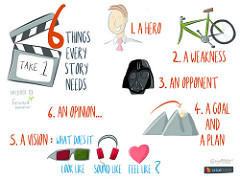
Get Noticed in an Instant with a Visual Story

How did your donors help you make a difference?

Your appeal letter should highlight some of the year’s accomplishments and state what you plan to do next year. For example, let’s say you run a tutoring program. Let your donors know that thanks to them, 80% of the students in your program are now reading at or above their grade level. Next year you’d like to expand to four more schools.

Focus on the people you serve and show how your donors are helping you make a difference.

Are your mailing lists in good shape?

Make sure your postal and email mailing lists are up-to-date. Check for duplicate addresses and typos. Your donors don’t want to receive three letters at the same time or have their names misspelled.

Also, segment your lists – current donors, monthly donors, lapsed donors, event attendees, etc. A personalized appeal letter will make a huge difference.

Do you have enough letterhead, envelopes, and stamps?

Don’t wait until the end of October to check your supply of letterhead and envelopes. Make sure you have enough. Perhaps you want to produce a special outer envelope. You may also want to create some thank you cards.

Even though many people donate online, you want to make it easy for donors who prefer to mail a check. Include a pledge envelope or a return envelope and a preprinted form with the donor’s contact information and the amount of last year’s gift.

Stamps are more personal so you might want to find some nice ones to use.

Is it easy to donate online?

Be sure your donation page is user-friendly and consistent with your other fundraising materials.  Highlight your year-end appeal on your homepage and include a prominent Donate Now button.

8 Best Practices for Building an Online Donation Page

The Top 10 Most Effective Donation Form Optimizations You Can Make

While you are at it, check your website for out-of-date information and broken links.

Is Your Nonprofit Website in Good Shape?

How does a donation help the people you serve?

Create a set of giving levels and let your donors know how their gift will help.

Do you have an incentive to entice donors to give a larger gift?

Instead of premiums, see if you can find a major donor who will match any upgrades. I know of an organization that used this as an incentive to get new donors.

Boost Your Fundraising Results With a Match From a Major Donor

Do you offer a monthly or recurring giving option?

Monthly or recurring giving is another way to get a larger gift. Some people might balk at donating $100 or more, but if you present it as $10 a month ($120 a year!), it sounds more feasible.

How will you thank your donors?

Don’t treat this as an afterthought. Spend as much time on your thank you letter/note as you do on your appeal letter and write them at the same time. You need to thank your donors, and thank them well, as soon as you receive their gifts, so have a thank you letter/note ready to go.

Handwritten notes and phone calls are much better than a preprinted letter. Create or buy some thank you cards (see above) and start recruiting board members and volunteers to make thank you calls or write notes. Create a thank you plan to help you with this.

Are you showing the love?

Even though you’ll be busy with your appeal, you want to ramp up your donor communication this fall. Keep engaging your donors and other supporters (who may become donors) by sharing success stories and gratitude. Pour on the appreciation and create a thank you video or hold an informal open house.

How are you getting ready for your year-end appeal?

Build Relationships With Your Donors by Having an Open House

15220721764_23f9286c6e_m

Building relationships with your donors is a year-round effort. There are many ways to build relationships. One that’s more personal is having an open house at your organization. If you can’t hold one on site, have it at a restaurant or other venue. You may be able to find someone to donate space.

Invite other supporters, too

You could just have an event for donors, but why not invite other supporters such as event attendees, email subscribers, and social media followers, as well? This could be a great way to convert these supporters into donors. Encourage your donors to bring a friend.

Coordinate it with your year-end appeal

Depending on your resources, you may only be able to hold one open house a year. If you can hold more, that’s great.

A good time to have your open house is before you launch your year-end appeal so you could hold one sometime between mid-September and early November.

Another option is spring if you have an appeal then, or you could make it a thank you event.  

Winter is tricky unless you’re fortunate to live someplace where it doesn’t snow. And summer’s not good since most people go away on vacation.

Whenever you decide to hold your open house, don’t ask for money at this event.

Keep it informal

No three-course dinners and speeches that are a cure for insomnia. Hold a gathering where your supporters can drop in after work, and serve something to eat and drink. You may be able to get food and beverages donated or find a sponsor.

Have a brief program. You could show a video and/or let a client share his/her story. Your executive director or board chair should thank your guests and share some accomplishments and plans for the future. Again, keep it brief. You don’t want anyone looking for a way to escape.

Create some photo displays and have literature available. You could also show a video on a laptop. Offer tours, if that makes sense.

Speaking of tours, you could offer them at other times, too. After I became a monthly donor, one organization invited me to arrange a tour.

How to Engage Donors with a Tour

7 Tips to Create an Amazing Donor Cultivation Tour

Get your board involved

You must have a good turnout from your board. Encourage board members to invite friends and other potential prospects.

Make everyone feel welcome

Don’t hide in the corner or spend all your time talking to your co-workers. Your staff and board need to mingle with your guests and make them feel welcome.

You may want to go over your organization’s talking points and brush up on your elevator pitches so everyone is prepared to talk about what you do and answer questions. And that doesn’t mean reciting your mission statement.

Create a Stellar Elevator Pitch for Your Nonprofit Organization

How to Get Everyone in your Organization on the Same Page

Don’t forget about the follow-up

Anyone who has taken time out of her/his busy schedule to attend your open house needs to be showered with love. Nonprofits tend to do a poor job of following up after an event and miss out on a great opportunity to build relationships.

Collect names and addresses of people who attended and send a thank you note right away. This is a good project for your board. Don’t ask for money (that comes later).

When you do send your next appeal, include a sentence that says, “It was great to see you at our open house.”

Not all your donors will attend your open house but will appreciate the invitation. Donors and other supporters who do come are showing you they’re interested in your organization. Keep them interested and keep building relationships with them! This will help ensure they’ll continue to support you.

Connect With Your Donors by Telling Stories

15301460105_617eeac9dc_m

When your donors open your appeal letter or newsletter, do you bore them with a bunch of mind-numbing statistics, or do you share a story about how the Wilson family moved out of a shelter and into a home of their own?

If you’re making a difference, you have stories to tell

Donors love stories. Stories bring the work you do to life by using everyday language to create a scene. Here’s an example.

Diane woke up feeling good for the first time in awhile. After losing her job and being evicted from her apartment, she moved between her sister’s place, motels, and shelters. It was taking a toll on her family and her kids were falling behind in school.

That was about to change because thanks to donors like you, Diane and her family will be moving into a home of their own.

Can you tell a story like that? If you’re making a difference, you can. Stories should show your donors how they’re helping you making a difference for the people you serve.

Create a culture of storytelling

If you create a storytelling culture in your organization, you can make storytelling the norm instead of the exception.

Creating stories takes a little more work, but they will help you connect with your donors. When you put together a story, ask.

  • Why would your donors be interested in this story?
  • Why is this important?
  • Are you using clear, everyday language (no jargon) to make sure your donors understand your story?
  • Who are you helping?
  • How are your donors helping you make a difference?

Client or program recipient stories are best. You’ll need to work together with your program staff to get these stories. Everyone needs to understand how important this is. Share stories at staff meetings and/or set up regular meetings with program staff to gather stories.

Another way to find stories is to put a Share Your Story page on your website. Share-Your-Story Page | an addition to the fundraiser’s arsenal of tools

You can also share profiles of volunteers, board members, and donors. Many organizations profile new board members in their newsletters. That’s okay, but instead of emphasizing their professional background, concentrate on what drew them to your organization. Perhaps she benefited from having a tutor when she was in school or he’s passionate about human rights.

Create a story bank to help you organize all your stories. Take advantage of slower times of the year to gather stories. You want to use stories often. Use them in your appeal letters, thank you letters, newsletters, annual reports, website, blog, and other types of social media. You can use the same stories in different channels.

Give your stories the personal touch

Use people’s names to make your stories more personal. I realize you might run into confidentiality issues, but you can change names to protect someone’s privacy. You could also do a composite story, but don’t make up anything. Fundraising with Names Have Been Changed Disclaimers

Your stories aren’t about your organization

Let your donors know how with their help, Janet doesn’t have to choose between buying groceries and paying the heating bill. Your organization stays in the background. And remember, Your Mission Statement is NOT Your Story

Connect with your donors by telling them a story. In my next post, I’ll write about sharing visual stories.

Resources to help you tell your stories

The Storytelling Nonprofit

INFOGRAPHIC: A Nonprofit Storytelling How-To

NON-PROFIT STORYTELLING: HOW TO STAND OUT IN A CROWD

Don’t Slow Down Too Much This Summer

9274377903_6a0205ebd0_m

It’s summer, yea! Those of us who live in colder climates relish these few months of warmer weather, a slower pace, and a vacation to someplace fun.

While I hope you get a chance to slow down and take a vacation this summer, that doesn’t mean everything in your organization has to come to a screeching halt. In fact, summer is a great time to tackle a few projects and get ready for a busy fall.

Here are a few things you can take on this summer.

Clean up your mailing lists

If you haven’t touched your database since your year-end appeal, now is a good time to clean up your mailing lists (both mail and email).Take care of those address changes, returned mail, and bounced emails.

Be meticulous. Go through your mailing lists and check for typos and duplicate addresses. Then please, please segment the people in your database by current donors, lapsed donors, volunteers, event attendees, etc.

Don’t pass this off to a volunteer. Have someone who knows your donors take this on. Tedious, yes, but it will pay off if your donor gets a personalized letter with her name spelled right.

The-Ultimate-Guide-to-Nonprofit-Donor-Data-Management

Freshen up your appeal letters and thank you letters

If you’ve been using the same appeal letter and thank you letter templates for awhile, it’s time to stop. Freshen them up with some donor-centered content.  

Gather some engaging stories and photos

You know what else will make your appeal letters and thank you letters shine – engaging stories and photos. Take some time to gather stories and photos this summer. You can also use them in your newsletter, other updates, and on your website.

INFOGRAPHIC: A Nonprofit Storytelling How-To

10 TIPS FOR BETTER NONPROFIT PHOTOS

Create an attitude of gratitude

Make this the year you do a better job of thanking your donors. Handwritten thank you notes will make your donors’ day. One thing you can do is create a thank you photo and use it to make cards. If cost is an issue, see if a print shop will make them for you pro bono.

In addition, think about making a short thank you video. You can put this on your thank you landing page and share it by email and social media.

Update your website

Has it been awhile since you’ve updated your website? People still use the internet as a primary source of information and potential donors could go there to find out more about your organization.

It doesn’t have to be a complete overhaul, but make sure it’s up-to-date and easy to navigate on all devices.

12 Essential Nonprofit Web Design Best Practices

Don’t take a vacation from your communication

Stay in touch with your donors throughout the summer. In fact, send them something special. Maybe the thank you video you made or a postcard update.

Be sure to plan for communication staff vacations, too. Keep those email and social media updates coming.

You may be working at a slower pace this summer, but don’t let things come to a screeching halt. Use this time to make some improvements and get ready for the fall.


The Importance of Building Relationships

8006853151_5881bfe507_m

One of the most important things nonprofit organizations need to do is build relationships with their donors. Building relationships should be front and center in everything you do. Here are some ways you can incorporate building relationships in every aspect of your work.

Appeal letters aren’t just about raising money

You may think the primary purpose of an appeal letter is to raise money, but building relationships is just as important.

Before your next fundraising appeal, send your donors an update to let them know how they’re helping you make a difference. This is especially important if you do more than one fundraising campaign a year. You don’t want your donors to think the only time they hear from you is when you’re asking for money.

Don’t send the same appeal to everyone on your mailing list. It’s crucial that you segment your donors and personalize your appeal letters. What is your relationship with these people? Maybe they’ve given once or many times. Perhaps they’re event attendees, volunteers, e-newsletter subscribers, or friends of board members. Mention your relationship in your appeal letter. For example, thank a long-term donor for supporting you these past five years.

Let your donors know how much you appreciate them

Your focus on building relationships continues when you thank your donors. Send a handwritten note or make a phone call if you can.

Send welcome packets to your new donors. Let them know how much you appreciate this new relationship. If you don’t, it’s likely to be a short-term relationship.

Be sure to also shower your current donors with love to keep your relationship going.

Don’t miss out on opportunities to build relationships with your event attendees

I’m amazed how many organizations fail to establish a relationship when they hold an event. First, give your attendees an opportunity to sign up for your mailing list. Next, call or send thank you notes afterwards.

Besides thanking people for attending your event, let them know how much money you raised, and share specific ways their support is helping you make a difference. Then invite these supporters to connect in other ways such as signing up to receive your newsletter or volunteering.

The same thing applies if you hold a charity run or walkathon. These events often generate new donors. Someone might donate to your 10K because her friend is running in it. Thank everyone who donated and invite them to be a part of your community.

Turn a giving day into a relationship building day

My main objection to giving days, such as GivingTuesday, is they focus so much on asking. Instead of being part of the relentless begging, send a donor-centered appeal followed by a heartfelt thank you, new donor welcome packets, and an invitation to connect with you in other ways.

Relationship building is a year-round effort

It’s easier to stay focused on donors when you’re sending an appeal or thank you, but this is just the beginning. Many organizations seem to go on communication hiatus at certain times of the year, and you don’t want to do that.

Ideally, you should keep in touch with your donors every one to two weeks. You can do this with newsletters, updates, thank you messages, advocacy alerts, and surveys. You’ll have a better chance of building relationships if you keep your messages donor-centered and use channels your donors prefer.

Staying focused on building relationships will help you with your donor retention because you want donors who will support you for a long time.

Giving is Up. Donor Retention is Down. What to Do?

Why Your Donor Will Give Again  


Do You Need an Appeal Letter Refresher Course?

8251012420_5ffdd28d81_m

You may have noticed an influx of appeal letters over the last few weeks. Some organizations do their main fundraising drive in the spring, especially if their fiscal year ends on June 30. Others do theirs at the end of the year and some do more than one.

That’s all fine. What’s not fine is the mediocre letters I see. Some of these organizations need a refresher course in appeal letter writing.

Whether you’re planning a spring campaign or one later in the year, here are a few things to keep in mind.

Don’t call it an annual appeal

Okay, you can use the term annual appeal around the office, but not in your appeal letter. That also goes for 2017 annual fund drive, 2017 Massachusetts Drive, or spring fund drive.

Some of the letters I received opened by saying their annual fund drive is underway. Others state it in a header or a teaser on the outer envelope.

The fact that your annual appeal is underway means nothing to your donors and is not a compelling way to open your appeal. The same goes for the end of your fiscal year.

Given how some people feel about fundraising, an envelope teaser that says “Spring Appeal Enclosed” could end up in the recycle bin. If you want to use a teaser, try something like “What if you awoke each day crying from hunger, but you had nothing to eat?

That organization opened their appeal with a story about Kevin, a six-month-old baby in Haiti who’s suffering from malnutrition. That’s what you need to do – open your appeal with an engaging story.

It should be obvious you’re sending an appeal unless you bury your ask. Your ask should come after the story.

Why should I give to your organization?

Most of the appeals I’ve received have come from organizations I don’t already support. I need a good reason to give to your organization and I’m not seeing that.

It’s clear these letters are one size fits all and most likely my name is on a list they purchased or exchanged. Even so, give me some indication that you know me as a person. If I already support hunger-relief organizations, emphasize how you’re making a difference because you know that’s important to me.

Another gift so soon?

I do most of my giving in December so if you’re sending me another appeal now, you need to convince me why I should give again so soon. In many cases, you never acknowledge that I’ve given before. It’s the same old boring stuff.

Of course, you can make more than one ask a year, but first I need to be thanked, and thanked well, and hear from you regularly.

Always thank donors for a previous gift. Let them know why you need an additional donation now. Perhaps you’re losing funding because of budget cuts or you want to launch a new program.

This is also a good opportunity to upgrade your current donors to monthly giving. And you can always try to woo back some of your lapsed donors with a personalized letter.

Enough with the mailing labels

Please don’t send me mailing labels, notepads, calendars, etc. It’s not going to help convince me to donate to your organization. One organization I’ve never supported just sent me a calendar. They opened their letter with “Because you’re someone who cares deeply for nature….” Okay, they tried to make a connection, but if I’m someone who cares about nature why would I want you to waste paper by sending me calendar I don’t need?

I’m sure I’m not the only one who finds your swag to be wasteful. Instead, invest your print budget in creating thank you cards and donor-centered updates.

Make your appeal shine

It’s never easy to raise money, but you’ll have a better chance if you send a donor-centered appeal that shows how you’re making a difference. Here’s more information on creating a great appeal.

Stand Out With an Amazing Appeal Letter

6 Ways to Improve Your Annual Fundraising Appeal

11 Top Fundraising Consultants Weigh In on Donation Request Letters

It’s Time for a Thank You Plan

8974455916_344cdefe9d_m

Do you think you’re doing a good job of thanking your donors? Think hard about this, because there’s a good chance you’re not. You may have every intention to, but thanking donors often takes a back seat to fundraising when you should spend equal time doing both.

This is why you need a thank you plan. You probably have a fundraising plan and maybe a donor relations plan, but a specific thank you plan is just as important. Donor retention rates continue to be poor and one reason is donors don’t feel appreciated. Creating a thank you plan will help you stay focused on gratitude all year round.  

Here’s what you need to include in your thank you plan.

Plan to make a good first impression with your thank you landing page

Your landing page is your first chance to say thank you and it often looks more like a boring receipt than something that’s going to make me feel good about making a donation.

Open with Thank you, Lisa! or You’re amazing!  Include an engaging photo and a short, easy to understand description of how the donation will help the people you serve. Put all the tax deductible information after your message or in the automatically generated thank you email.

If you use a third-party giving site, you might be able to customize the landing page. If not, follow up with a personal thank you email message within 48 hours.

How to Create Post Donation Thank You Pages That Delight Donors

Plan to write a warm and personal automatic thank you email

Set up an automatic thank you email to go out after someone donates online. This email thank you is more of a reassurance to let your donor know that you received her donation. You still need to thank her by mail or phone (see below).

Just because your thank you email is automatically generated, doesn’t mean it needs to sound like it was written by a robot. Write something warm and personal.

Thanking a Donor by Email: Best Practices and Examples

Plan to thank your donors by mail or phone

I’m a firm believer that every donor, no matter how much he’s given or whether he donated online, gets a thank you card or letter mailed to him or receives a phone call.

Try to thank your donors within 48 hours if you can. This shouldn’t be hard to do if you plan to carve out some time to thank your donors each day you get a donation. If you wait too long, you’re not making a good impression.

Instead of sending a generic, boring thank you letter, mail a handwritten card or call your donors. Calling your donors to thank them is something your board can do. It’s often a welcome surprise and can raise retention rates among first-time donors.

Find board members, staff, and volunteers to make phone calls or write thank you notes. Come up with sample scripts. You may also want to conduct a short training. Make sure to get your team together well before your next fundraising campaign so you’re ready to roll when the donations come in.

Here’s a sample phone script, which you can modify for a thank you note.

Hi, this is Mike Davis and I’m a board member at the Northside Community Food Bank. I’m calling to thank you for your generous donation of $50. Thanks to you, we can provide a family with a week’s worth of groceries. This is great. We’re seeing more people coming in right now because of cuts to food stamp programs. We really appreciate your support.

If you can’t send handwritten cards or call all your donors, send them a personal and heartfelt letter. Don’t start your letter with “On behalf of X organization we thank you for your donation of….” Open the letter with “You’re incredible” or “Because of you, Tara won’t go to bed hungry tonight.”

Add a personal handwritten note to the letter, preferably something that pertains to that particular donor. For example, if the donor has given before or attended one of your recent events, mention that. Make sure all letters are hand signed.

Let your donors know how much you appreciate them and highlight what your organization is doing with their donations.

In addition, write your thank you letter at the same time you write your appeal letter. Make sure they’re ready to go as soon as the donations come in.

How to Craft a Killer Thank You Letter

Steal This Thank You Letter! A Sample Donor Thank You Letter for Your Non-Profit

Plan to keep thanking your donors all year round

This is where having a thank you plan makes a difference because organizations usually send some kind of thank you letter after they receive a donation and then donor communication starts to wane after that.

Use your communications calendar to incorporate ways to thank your donors. Try to say thank you at least once a month. Here are some ways to do that.

  • Send cards or email messages at Thanksgiving, during the holidays, Valentine’s Day, or mix it up a little and send a note of gratitude in June or September when your donors won’t be expecting it. Try to send at least one or two gratitude messages a year by mail, since your donors will be more likely to see those.
  • Invite your donors to connect with you via email and social media. Keep them updated with accomplishments and success stories. Making all your communications donor-centered will help convey an attitude of gratitude. Be sure to keep thanking your donors in your newsletter and social media updates. Emphasize that you wouldn’t be able to do the work you do without your donors’ support.
  • Create a thank you video and share it on your thank you landing page, by email, and on social media.
  • Hold an open house at your organization or offer tours so your donors can see your nonprofit up close and personal.
  • Keep thinking of other ways to thank your donors.

Creating a thank you plan will make it easier to keep showing appreciation to your donors all year round. If you treat them well, maybe they’ll treat you well the next time you send a fundraising appeal.

Photo via One Way Stock

Don’t Be a Stranger

119274407_fb54d99fcf_m

I don’t know about you, but I haven’t heard much lately from the nonprofits I support. There’s been a scattering of updates, e-newsletters, action alerts, and appeals. But mostly – silence.

I know it’s quieter time, but that doesn’t mean you need to go AWOL. You should be communicating with your donors at least once a month. In fact, the period between campaigns is an excellent time to reach out. You don’t want to be a stranger. And, since many nonprofits seem to have decided to take a break from donor communication (not a wise decision), your message will be one of the few they’ll receive.

Here are some ways to show your donors that you’re not a stranger.

Share an update

Let your donors know how they’re helping you make a difference. Send something by mail if you can. Maybe a two-page update or infographic postcard. Here’s one of my favorites. Knock it Out of the Park  If it’s impossible to send something by mail right now, you can use email.

Say thank you

Thank your donors just because. Send them a nice thank you card or you can combine a thank you and an update. Have some fun and get creative here. 15 Creative Ways to Thank Donors

Create a better newsletter

You may already keep in touch with your newsletter. Newsletters can be a great way to engage, but before you get too complacent, I have to ask you, Is Your Newsletter Boring? Many of them are, but yours doesn’t have to be.

A good summer project for you is to create a better newsletter. Find some engaging stories to share. Think about what your donors want – Hint – It’s not a lot of bragging. 3 Ways Your Nonprofit Newsletter is Killing You

The general rule for newsletters is a monthly e-newsletter and four quarterly print newsletters. I like to recommend a short (maybe two articles) e-newsletter every two weeks. Our inboxes are overflowing right now. This way you can stay in touch regularly and not bombard people with too much information at once.

Tie in current events

There’s a lot going in the world right now. Will your organization be affected by any of the Trump administration’s policies or proposed budget cuts? Share ways your donors can help – perhaps by contacting their legislators, volunteering, or making a donation.

Focus on relationship building in your appeal

If you’re doing a fundraising appeal this spring, make the main focus relationship building. Thank donors for their past support, share some updates, and show them how their gift will help you make a difference.

Invite long-term donors to join your family of monthly donors. Send a special letter to your lapsed donors letting them know you miss them and want them back.

If you also did a year-end appeal, some of your donors may be reluctant to give again so soon. You certainly can ask for more than one gift a year, but why now?  Don’t just ask for a donation. Make a compelling case and stay focused on relationship building.

Don’t lose momentum

After I made a bunch of monthly gifts last year, several organizations sent me monthly thank you letters either by mail or email. This went on for a couple of months and then it pretty much stopped. Last month I only received two thank you letters. What happened here?

It’s easy to ride on all that year-end energy, but you have to keep it up. Whether it’s thank you letters to monthly donors or e-newsletters, once you start, you can’t stop. What kind of message does that send?  Use a communications calendar to help you communicate regularly.

Your donors want to hear from you throughout the year. Don’t be a stranger.


Make a Smart Investment

4622769282_03b9ffa37f_m

Many nonprofits, especially small ones, are working with limited resources (money, staff, time). I know how hard that is and your default mode may be to say we can’t afford to do this.  

Be careful. What are you saying you can’t afford to do? It may be something you should be doing.

Here are a couple of areas you may be neglecting that I believe you can’t afford not to invest in. You’ll need to spend some money up front, but it will pay off in the long run.

Invest in a good database

If you’re using Excel instead of a database because it’s free, stop doing that. A spreadsheet is not a database. Your Worst Fundraising Enemy

A good database won’t be free, but there are affordable options for small organizations. Compare Non-Profit Software  You don’t want to limit yourself by choosing a database that can only hold a certain number of records or can only be used on one computer because you don’t want to pay for additional licenses.

A good database can help you raise more money. You can segment your donors by amount and politely ask them to give a little more in your next appeal – $35 or $50 instead of $25.

A good database can help you with retention, which will save you money since it costs less to keep donors than to acquire new ones. You can personalize your letters and email messages. No more Dear Friend. You can welcome new donors and thank donors for their previous support. You can send targeted mailings to lapsed donors to try to woo them back. You can record any personal information, such as conversations you had with a donor and their areas of interest.

Don’t cut corners when it comes to your donor data. You can’t afford to do that.

Invest in direct mail

If you never or rarely use direct mail, you’re missing out on an effective and more personal way to communicate with your donors. Think of the immense amount of email and social media posts you receive as opposed to postal mail. Your donors will be more likely to see your messages if you send them by mail.

If money is tight, you don’t have to mail that often. Quality is more important than quantity but aim for at least four times a year.

Put some thought into what you send. Some ideas, besides appeal letters, include thank you cards; Thanksgiving, holiday, or Valentine’s Day cards; infographic postcards; and two to four-page newsletters and annual/progress reports. Make everything donor-centered like the examples in this post. Your Donors Are Your Partners  You could put a donation envelope in your newsletter to raise some additional revenue, but don’t put one in a thank you or holiday card.

Shorter is better. Lengthy communication will cost more and your donors are less likely to read it.

A few ways you can use direct mail without breaking your budget are to clean up your mailing lists to avoid costly duplicate mailings, spread thank you mailings throughout the year – perhaps to a small number of donors each month, and look into special nonprofit mailing rates. You may also be able to get print materials done pro bono or do them in-house, as long as they look professional.

Of course, you can use email and social media, but your primary reason for communicating that way shouldn’t be because it’s cheaper. It should be because that’s what your donors use. If your donors prefer to communicate by mail, then you should too.

Invest in donor communications

Here’s some great wisdom from Tom Ahern If you do better donor-communications, you’ll have more money  This means thanking your donors and keeping in touch with them throughout the year.

Communication budgets often get the short shrift but creating thank you cards and infographic postcards are a smart investment. Perhaps you need to reallocate your budget to cover some of these expenses. You could also look into additional sources of unrestricted funding.

If you think you don’t have enough time or staff to send thank you cards, then call up your thank you army, which can include board members, volunteers, and all staff.

Don’t limit yourself by saying you can’t afford to do something important. If you invest in a good database, direct mail, and donor communications, you should be able to raise more money.


I Know You’re Busy, But…..

8456188296_375a94bc19_m

Having too much to do is the norm at most nonprofits, especially small ones. You may be busy, but what are you saying you don’t have time to do? Are you spending too much time on what’s urgent and not what’s important?

It’s possible to stay on top of things, even if you feel you’re so busy you want to set fire to the paperwork on your desk. One big key is planning.  

Here are a few areas that nonprofits need to make a priority and how you can do that.

Thanking your donors

Many organizations do a poor job of thanking their donors. When you’re working on a fundraising appeal or an event, spend just as much time figuring out how you’ll thank your donors. Sending a handwritten note or making a phone call will make a better impression on your donors than the usual boring, generic thank you letter.

Find board members, staff, and volunteers to help. Recruit them ahead of time so you’re ready to go after an appeal or event. It doesn’t take that much time to write a short note or make a phone call, but it makes a huge difference. Get your team together for a thank-a-thon.

Also, spend some time creating an engaging thank you landing page and thank you email message. But wait, you’re not off the hook. You need to keep thanking your donors throughout the year – at least once a month.  Say Thank You Like You Mean It

Staying in touch with your donors

Your donors want to hear how they’re helping you make a difference, and you need to be in touch with them at least once or twice a month.

A newsletter can be a great way to stay in touch. Setting up a template and using an email service provider can save time and will provide consistency. Perhaps each issue will include a story/profile and some updates. You can plan these ahead of time. Create a story bank and fill it throughout the year.

Make a donor communications plan that could include your newsletter, updates (by mail, email, and social media), thank yous (see above), advocacy alerts, and surveys. A communications calendar will help you with this.

Managing your donor data

Don’t wait until a week before you send an appeal to update your database. Take care of address changes, bounced emails, etc. regularly.

I know it’s tedious, but this is important. Your donors won’t be happy if you misspell their names or send them three pieces of mail because you haven’t bothered to check for duplicate addresses. Managing Your Donor Data: 6 Actionable Tips

Measuring your progress

Make time at least once a quarter to see how you’re doing. Are you meeting your fundraising goals?  Is your spring event worth doing?  Are people reading your e-newsletter?

If something isn’t going well, figure out how you can make improvements or don’t spend your valuable time doing it anymore.

Here’s a sample dashboard you can use to help you measure your progress and figure out if what you’re doing is working. Library of Sample Dashboard Indicators

What’s keeping you busy?

What’s keeping you from taking on these important tasks? Do you really need another meeting?  If so, could you make it shorter?  

Doing a few things well is much better than trying to do too much. When Things Don’t Go As Planned Make time to do what’s important.