4 Tips for Uncovering Your Donors’ Giving Motivations

Donor motivations are the “why” that drives their support of your nonprofit. Learn how to uncover those motivations and inspire more support in this guide.

By Ryan Carpenter

For the last several years, nonprofits have struggled to make ends meet due to falling revenue, rising inflation, and an increase in community needs. Charitable giving saw a 2.1% decrease in 2023 after inflation, showing how challenging it is for donors and nonprofits to keep up with inflation rates.

Fortunately, there are ways your organization can battle these disheartening statistics. Whether you’re future-proofing your fundraisers by focusing on future giving initiatives or leveraging low-cost digital channels to acquire donors, your nonprofit can still inspire enough support to keep its operations going strong. However, these efforts will only be successful if you have a deep understanding of why your donors give.

In this guide, we’ll dive into what you can do to discover, analyze, and appeal to donor motivations and maintain a healthy level of funding for your cause.

1. Use ethical and organized data collection methods.

To enhance donor relations, NXUnite recommends conducting thorough research to learn as much as you can. However, you’ll need to consider the ethics of collecting this information. 

The three main ethics to keep in mind are consent, confidentiality, and communication. Get permission from donors when gathering information about them and always prioritize data security to keep their personal information private. You’ll need to maintain transparent communication with donors about how you’ll use their data and make sure staff members know how to appropriately handle and use donor data.

Additionally, use collection methods that yield clean, accurate, and organized data. This means the data is free of errors, duplications, and formatting inconsistencies. One option is to use online forms or surveys, like your donation page, that require donors to enter responses in a certain way. You can also use data gathered from social media, email, and other marketing platforms to see who is engaging with your communications. 

No matter what technology you’re using to collect data, make sure all of these findings are routed to your constituent relationship management (CRM) system so the information is consolidated in one unified platform.

2. Perform a deep data analysis.

Once you’ve collected and organized your supporter data, it’s time to analyze it. During this step, you’ll identify trends, opportunities, and other insights to guide your fundraising strategies and make outreach more effective. 

According to GivingDNA’s guide to data analytics for nonprofits, the following tips can help you discover more useful, accurate insights:

  • Screening more frequently. Some organizations neglect their data and only reference it on a quarterly (or even yearly!) basis. While this process takes time out of your busy schedule, trust that conducting screenings at least once a month is well worth it. For example, you could find an opportunity to secure a large donation from an existing supporter in less time than it takes to secure several smaller ones from new donors.
  • Referencing internal and external data. Don’t rely solely on the data you’ve collected about your donors. Compliment that information with data concerning broader trends in the nonprofit sector and your specific niche (e.g., giving patterns for animal welfare organizations). 
  • Segmenting donors. Donor segmentation involves sorting donors into groups based on shared characteristics. Doing so can help you identify and target your most loyal or valuable donors. Some tools will automatically segment and pinpoint these opportunities for you, so be on the lookout for those.
  • Studying a variety of attributes and data fields. Don’t limit your analysis to basic data points like demographic information or average gift size. While these are important to understand, they don’t always reveal the full picture. Dig into everything you know about your donors, including things like communication preferences and contributions to other organizations, to gain a comprehensive overview of their behavior.

Choosing a robust data analytics tool can also make a world of difference and help you quickly derive actionable insights from your data. Look for one that is designed specifically for nonprofits and assists with tasks like prospect identification and wealth screening.

3. Examine donors’ journeys.

Understanding the journey supporters follow between discovering your organization and making their first donation can help you peel back the layers to identify their reasons for giving. Mapping out this journey will show the touchpoints donors interact with, enable you to tailor experiences and communications to their position in the donor journey, reveal pain points and gaps that pose retention risks, and help you make data-driven decisions. 

Let’s look at an example. A nonprofit that focuses on environmental conservation is plotting out a donor journey for a segment of donors who are outdoorsy, interested in sustainable living, and make sporadic donations to peer organizations. The donor journey follows these stages:

  1. Awareness: The donor discovers the nonprofit through a social media campaign. At this stage, the nonprofit notes that this group of donors engages most with posts about sustainability and environmental justice, hinting at their interests.
  2. Consideration: The donor deepens their engagement by navigating to the nonprofit’s website and reading resources about its mission, programs, and goals. The organization identifies which pages these donors spend the most time on to infer which programs or issues inspire them to give.
  3. Decision: The supporter subscribes to the nonprofit’s newsletter and registers for a beach clean-up and recycling event. At the event, the donor asks staff about the specific ways your organization prioritizes sustainability before ultimately making a donation.
  4. Post-donation: After contributing, the donor receives thank-you messages from the nonprofit that highlight how the donation will be used. The donor responds positively, indicating that they approve of how their money is being used to further the mission.
  5. Engagement, advocacy, and referral: The donor continues to engage with the nonprofit, particularly with programs that promote maintaining natural spaces and advocating that more people start recycling. The donor promotes these programs online and even recruits like-minded friends and family to join in.

Each point in the donor journey can allow your nonprofit to see how, when, and why donors engage with and support your cause. However, make sure you have the right tools and technology in place to capture these metrics. When getting started, at least have a Google Analytics account in place to track website traffic, as well as platforms that will measure digital marketing engagement.

4. Personalize communications.

After you’ve worked to uncover your donors’ motivations, develop a nonprofit marketing plan that details how you’ll appeal to those motivations. In addition to segmenting your donors based on their giving preferences, habits, and interests, you can:

  • Share personalized thank-you notes that demonstrate the impact of donors’ support, explain how that funding will be used, and even feature testimonials or stories from beneficiaries.
  • Provide tailored impact reports that show the progress their favorite programs have made.
  • Make customized calls to action that relate directly to their interests and reasons for giving to your cause.
  • Send personalized recommendations for upcoming events, volunteer opportunities, and resources that they might enjoy.

When communications are relevant to your donors and their interests, they’ll be much more likely to engage and provide ongoing support for your cause. Additionally, supporters will feel more seen and connected to your organization when you show that you know who they are and what they value.


If current trends continue, stewarding and retaining a loyal donor base will only become more important. Understanding who your donors are and knowing their interests, passions, and histories with your cause will help you make personal and authentic appeals for support. Not only does this show that you’ve taken the time to get to know them, but it also convinces them that your nonprofit is the best equipped to address their concerns and make a significant impact.

Ryan Carpenter is the Vice President of Client Success at GivingDNA, an all-in-one fundraising analytics, data visualization, and wealth screening tool. He has experience and interest in developing innovative strategies that efficiently identify, cultivate, and solicit donors and prospects through effective engagement tactics. Ryan has a keen ability to synthesize large data sets and has a proven track record in creating successful cross-channel donor engagement strategies that deepen donor relationships.


If You Want Better Donor Engagement, Practice The 5 C’s of Good Nonprofit Communication

Are you having trouble with your donor engagement? If you answered yes, it may be because your communication is well, just meh. The remedy I like to recommend is the 5 C’s of good nonprofit communication. Keep these in mind when you’re writing a fundraising appeal, thank you letter, update, or any type of donor communication.  

Is it Clear?

What is your intention? What message are you sending to your donors? Are you asking for a donation, thanking them, or sharing an update? 

Whatever it is, make sure your message is clear. If you have a call to action, that needs to be clear, as well. You also want to stick to one call to action. Don’t distract your donors with too many choices. If you ask them to make a donation, volunteer, and contact their legislators in the same message, you run the risk of them not doing any of those.

You want your message to produce results. Plain and simple, your fundraising appeal should entice someone to donate. Your thank you letter should thank your donors (no bragging or explaining what your organization does) and make them feel good about donating.

Use language your donors will understand (no jargon). Keep out terms like food insecurity and underserved communities. Just because something is clear to you, doesn’t mean it will be clear to others. 

Is it Concise?

Can you say more with less? Eliminate any unnecessary adverbs, adjectives, and filler. Make your point right away. Concise writing doesn’t mean you need to be terse or all your print communication has to be one page. Sometimes it will need to be longer, but the same rules apply. 

Nonprofit organizations like to pack a lot of information into their monthly/quarterly newsletters and impact reports, but many donors won’t read something if it looks like it will be too long. 

Shorter, more frequent communication is better. This applies to the example I gave above about not putting more than one call to action in a message. You’ll have better results if you send separate messages for each call to action.

Also, most people skim, so use short paragraphs and lots of white space, especially for electronic communication.

Make all your words count.

Is it Conversational?

Write as if you’re having a conversation with a friend and be personable. Use the second person – where you refer to your donors as you and your organization as we. Remember to use you much more than we. 

Avoid using jargon, cliches, multi-syllable words, and the passive voice. Is that the way you talk to your friends? I hope not.

You may think you’re impressing your donors by using jargon and big words, but most likely you’re confusing them or even worse, alienating them. Connect with your donors by using language they’ll understand.

Is it Compelling?

Is whatever you’re writing going to capture someone’s attention right away and keep them interested? The average human attention span is eight seconds, so the odds are stacked against you. I don’t need to tell you there’s a lot of stuff competing for our attention right now. If you can’t stand out, your donors are going to move on to something else.

Start with a good opening sentence. Leading with a question is often good. Stories are also great. 

Put a human face on your stories and keep statistics to a minimum. Start a fundraising appeal with an engaging story that leads to a call to action.

Are you establishing a connection?

Donors are drawn to your organization because they feel a connection to your cause. You also need to establish a connection with them. You can start by segmenting your donors by different types, such as new donors, current donors, and monthly donors. 

Get to know your donors better and give them content you know they’ll be interested in. Hint – it’s not bragging about your organization. They want to know how they’re helping you make a difference for your clients/community. They also want to feel appreciated. Focus on building and sustaining relationships.

Do a better job with your donor engagement and improve your communication by practicing the 5 C’s.

Don’t Take a Vacation From Your Donor Communication

It’s summer! I hope you’ll get a chance to take a vacation or just some time off. It may be quieter at your nonprofit, but you don’t want to be too quiet and ignore your donors. Summer is a great time to do some relationship building

You should communicate with your donors at least once a month and that includes the summer months. Don’t make the mistake of taking a vacation from your donor communication. Continuing to stay in touch with your donors will help you when you launch your fall fundraising campaign. 

Maybe this sounds impossible, especially if you’re a small organization and worried about your finances, but you can do this!

Here are a few ways you can connect with your donors this summer, as well as throughout the year, and build those important relationships. 

Make your donor’s day with a handwritten thank you card

Nonprofit organizations don’t thank their donors enough. You don’t need a reason to thank your donors. Just do it and do it often. You’ll stand out if you do.

This is a good time to do something personal, such as sending a handwritten thank you card. Pour on the gratitude and let your donors know how much you appreciate them.

You only need to write a few sentences, but make it warm and friendly. Think of it as having a conversation with a friend. Get board members and other volunteers to pitch in and help. You could also have a beneficiary write thank you notes.

Send a postcard

It used to be fairly common for people to send postcards when they went on vacation. I don’t know how many people still do that, although I always enjoy receiving them.

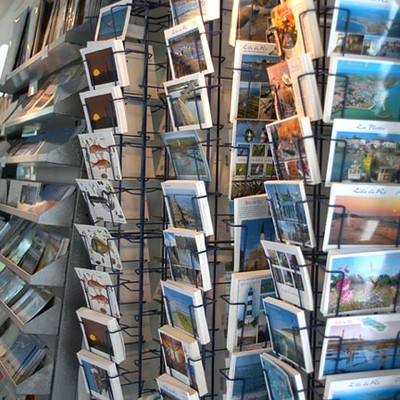
Postcards are a great way to connect with your donors. Communicating by mail is more effective than electronic communication. I know mail is expensive, but a postcard shouldn’t cost too much. Your donors are also more likely to see your messages if you send them by mail. 

You can say thank you, share an update, or a combination of both. Besides feeling appreciated, donors also like to hear how their gift is making a difference. You could consider an infographic postcard.

Sending something by mail is an investment that could pay off if your postcard (or handwritten card) entices a donor to give again and possibly upgrade.

Email and social media are okay, too.

While it’s important to stay in touch once a month, it may not be possible to use direct mail that much. You can also use email and social media. Email has an advantage here because you can personalize your messages and the engagement levels are better, although not as good as direct mail. The downside is people get a ton of email and social media messages, so make yours stand out.

You could send your donors a thank you photo or video. Maybe you already do a monthly e-newsletter. Jazz it up a little. You could even make it shorter. Share a story that lets your donors know how they’re helping you make a difference for your clients/community.

You don’t need anything fancy and make it easy for yourself by keeping it simple. There are so many ways to thank your donors and share an update. It’s okay to have a little fun and get creative. It’s summer, after all. It could also be a nice distraction from everything that’s going on in the world.

Get donors involved

We’re still facing a lot of economic uncertainty, but donors want to help if they can. 

Will certain policies or budget cuts affect your organization? Many states have issued their budgets for the next fiscal year.

Share ways your donors can help – perhaps by contacting their legislators, volunteering, or making a donation.

I’m a big fan of advocacy alerts. They can be a great way for people to engage with your organization. Be sure to thank participants and keep them updated on any outcomes.

When all levels of government make funding cuts or policy changes, the need in the community grows, which puts more burden on nonprofit organizations. Remember, some donors will step up and help, if they can. 

Make room for improvement and plan ahead

Summer can be a good time to make improvements in your existing communication. Spend time finding some engaging stories and photos for your newsletters and other updates. This is also a good time to warm up your donors for your fall campaign.

Start working on your appeal and thank you letters for your next campaign. Make sure they focus on building relationships and are donor-centered. Segment your donors by different types – new, renewing, monthly, etc.  Also, make sure your CRM/database is up to date.

If you’re feeling pinched financially, I often recommend starting your fall campaign earlier. That’s fine if you’re not in the United States, but since we have a big election coming up on November 5, it would be wise to launch it after that. That doesn’t mean going dark, though. 

Summer could be a good time to raise some additional revenue by inviting current donors to join your family of monthly donors and reaching out to your lapsed donors.

For now, keep relationship building front and center. Keep communicating with your donors. They want to hear from you. Don’t take a vacation from your donor communication.

Why Your Nonprofit Needs to Keep Things Simple

Over the years I’ve realized the importance of keeping things simple. We have so many ways to fill our time (many of them involving screens), but I often find pleasure in simple things such as taking a walk, reading, and doing yoga.

Keeping it simple doesn’t have to mean a bare-bones existence. There’s a Swedish term called lagom meaning everything in moderation or not too much, not too little. Or think of Goldilocks and choose what’s “just right.” This can apply to how much information we take in about everything that’s going on in the world – politics, war, the economy, inequality, climate change, etc. You want enough information to know what’s going on, but not too much so it’s overwhelming. Also, it’s not good for your brain to multitask. 

Keeping things simple is important for your nonprofit organization, too. There’s a lot of uncertainty out there. Fundraising numbers are down. Maybe you’re short-staffed and struggling to get things done.

Even so, you need to continue to raise money and communicate regularly with your donors, while not taking on too much. Donors may be navigating uncertain situations, but they want to help if they can and they want to hear from you. What they don’t want is a lot of complex content and too much information.

Here are a few ways to simplify your donor communication without making it too difficult for you.

Keep it simple by planning ahead

If communicating regularly with your donors sounds overwhelming, plan ahead by using a communications calendar. You should be in touch every one to two weeks, if possible. Otherwise, aim for once a month. Fill your calendar with different ways to do that and update it as needed. A good rule of thumb is – ask, thank, report, repeat. And, as I mention below, you can keep it simple with shorter communication.

Keep it simple by sticking to one call to action

Your communication needs to be clear. Before you send an email message or letter, ask what is your intention? Is it to ask for a donation, say thank you, or send an update?

Stick to one call to action. Suppose you send a message that includes requests for a donation, volunteers, and for people to contact their legislators. It’s likely your donors won’t respond to all of your requests and may not respond to any of them. Send separate messages for each request. 

You’ll also have better results if you send your messages to the right audience. For example, if you’re looking for volunteers for an event, reach out to past volunteers and ask them to bring a friend, as opposed to sending a message to everyone on your mailing list. This way you won’t be subjecting people to messages that may not be relevant to them.

In your fundraising appeals, don’t bury your ask. You can start with a story, followed by a clear, prominent ask. Recognize your reader. Thank previous donors and invite potential donors to be a part of your family of donors.

Your thank you letter or email should thank the donor. Sounds simple, right? Make them feel good about giving to your organization. Welcome new donors and welcome back returning donors. You don’t need a lot of wordy text explaining what your organization does.

Keep your messages simple, yet sincere, and include a clear call to action.

Keep it simple with shorter, easy-to-read messages

Plain and simple, if your communication is too long, most people won’t read it. 

Limit print communication, such as newsletters and impact reports, to four pages or less. Your email messages should be just a few paragraphs. On the other hand, you don’t want to be terse or say too little.

I didn’t have time to write a short letter, so I wrote a long one instead.” Mark Twain

Be sure your communication is easy to read and scan. Use short paragraphs, especially for electronic communication, and include lots of white space. Don’t clutter up the page. Use at least a 12-point font with dark type on a light background – basic black on white is best.

Keep it simple by using conversational language

I find it annoying when I read an appeal letter or newsletter article that sounds like a Ph.D. thesis. Write at a sixth to eighth-grade level. That’s what most major newspapers do. This is not dumbing down. You’re smartening up by ensuring your donors will understand you. There are programs out there that can help you determine the reading level of your content. Plus, you can raise more money if your messages are easy to read.

Keep out jargon and other confusing language. Instead of saying something like – We’re helping underserved communities who are experiencing food insecurity, say  – Thanks to donors like you, we can serve more families at the Southside Community Food Pantry. 

We’re seeing real people being affected by real problems. Don’t diminish this with jargon and other vague language.

Use the active voice and there’s no need to get fancy by using a lot of SAT vocabulary words. Again, you want your donors to understand you.

Keep it simple by creating a clutter-free website

Your website is still a place where people will go to get information. Make sure it’s clear, clutter-free, and easy to read and navigate. Don’t forget about short paragraphs and lots of white space.

One of the most important parts of your website is your donation page. It needs to be easy to use and collect enough information without overwhelming your donors. If it’s too cumbersome, they may give up and leave. What’s known as form abandonment can happen on other web pages, too.

If it’s a branded donation page (e.g. not a third-party site), make sure it’s consistent with your messaging and look. Don’t go too minimalistic, though. Include a short description of how a donor’s gift will help you make a difference, as well as an engaging photo.

Make it easier for your nonprofit and your donors by keeping things simple.

Photo by One Way Stock

7 Donor Segmentation Strategies for Personalized Messages

Segmenting your donors allows you to send personalized messages that resonate with them and increase engagement. Check out these donor segmentation strategies.

By Gabrielle Perham

With so much information available at their fingertips, it can be overwhelming and difficult for your supporters to fully absorb it all. Among the thousands of brands, businesses, and other charitable organizations out there, your nonprofit has to figure out how to cut through the clutter and stand out to current and potential donors.

One of the top ways to grab donors’ attention is segmentation. By grouping donors into relevant segments, you can develop personalized messages that resonate with different subsets of your audience and encourage them to continue lending their support.

In this guide, we’ll present several different donor segmentation strategies your organization can leverage to personalize its communications.

1. Demographics

One of the simplest ways to segment your donors is by demographics. This information helps you understand your donors’ backgrounds and communication preferences. Demographics encompass a variety of different data points, such as:

  • Age
  • Gender
  • Level of education
  • Income range
  • Marital status
  • Geographic location

Insights from demographic data can help you learn more about your supporters and how they want to engage with your organization. For example, let’s say you segment donors by age and find that you have a large proportion of Millennials in your supporter base. Using that information, you can launch campaigns on the platforms Millennials are most likely to frequent, such as Facebook, Instagram, and YouTube.

Alternatively, you may use location data to send specialized newsletters highlighting relevant events and opportunities in people’s local areas. Start by determining which cities are most popular among your donor base. Then compile events hosted by your organization and similar nonprofits that your supporters might be interested in attending.

If you don’t have the demographic data you need readily available, consider enhancing your database through a demographic data append. This process involves using third-party sources to supplement your database and learn more about your supporters.

2. Giving History

Group donors based on their giving history, frequency, and patterns to tailor your fundraising strategies and stewardship efforts accordingly. Examples of segments in this category may include:

  • One-time donors
  • Recurring donors
  • Major donors
  • Campaign or cause-specific donors

Align your communication frequency with donors’ giving frequency. For instance, you may send monthly donors an update about the impact of their contributions once a month whereas you may contact annual donors every quarter with updates on your work.

You can also use giving history data to match your appreciation methods to donors’ level of commitment to your organization. For example, you should reserve more personal outreach methods, like phone calls, and more intensive donor appreciation tactics, like a donor wall, for major donors.

3. Donor Lifecycle Stage

Segmenting donors based on where they are in the donor lifecycle helps you meet their specific needs and move them through the donor journey more efficiently. The segments you create based on lifecycle stage may include:

  • New donors
  • Active donors
  • Lapsed donors
  • Reactivated donors
  • Donors with upgrade potential

This segmentation strategy can set you up for long-term, sustainable success by focusing on retaining current donors and re-engaging lapsed donors. You may send new donors background information about your organization while you thank active donors for their continued support. Use more urgent calls to action to win back lapsed donors and welcome reactivated donors back to your organization with updates on what they’ve missed.

4. Engagement Level

Some of your donors are likely involved in other aspects of your organization beyond donating. Maximize donor involvement and participation by sending them relevant communications based on their engagement level and history. 

For instance, you may create segments for donors who are also:

  • Regular volunteers
  • Event attendees
  • Advocates of your cause
  • Peer-to-peer fundraisers

Show donors that you care about their nonmonetary contributions to your organization by referencing their specific involvement in donation requests and thank-you messages, and send them information about upcoming opportunities they may be interested in.

5. Charitable Interests

If your mission encompasses a broad array of different cause areas and services, you may segment donors based on which causes, programs, or initiatives they’re most interested in supporting. These groups allow you to reach out to your donors with personalized appeals for relevant campaigns and offer opportunities that resonate with them.

For example, United Way’s website explains that the organization has three focus areas: health, education, and economic mobility. Depending on which areas their donors are most passionate about, this nonprofit’s fundraising team may group donors into three corresponding segments and send them updates and appeals related to their interests.

6. Giving Capacity

When you know donors’ giving capacity, you can tailor your donation asks accordingly and identify potential major donors. To determine giving capacity, conduct a wealth screening that examines the financial means of your existing donors.

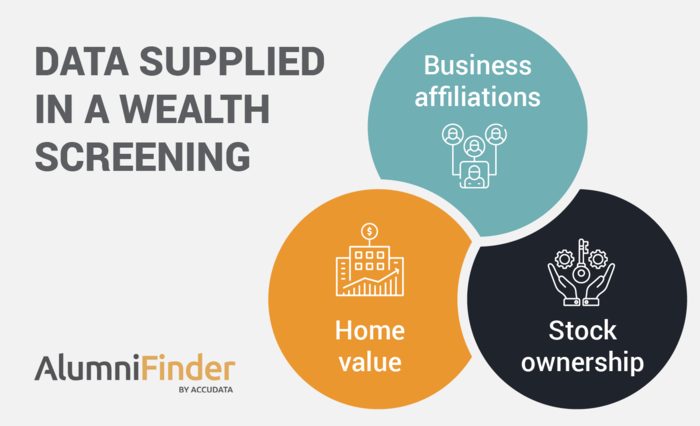
According to AlumniFinder, wealth screening provides your organization with the following donor data points:

  • Business affiliations
  • Stock ownership
  • Home value

Besides determining giving capacity, this information can also help you capitalize on matching gift opportunities. 360MatchPro’s matching gift statistics guide explains that although many employers will match their employees’ donations to eligible nonprofits, 78% of donors are unaware if their company offers matching gifts. 

To raise awareness of matching gifts and secure more donation revenue for your organization, use employer data from your wealth screening to group employees who are eligible for matching gifts and highlight these opportunities for them.

7. Communication Preferences

Collect and store information about your supporters’ communication preferences in your donor database so you can reach your audience on the platforms they prefer, increasing the likelihood of engagement.

Survey your donors to determine whether they’d like to be contacted via one or all of the following:

  • Email
  • Direct mail
  • Phone calls
  • Social media
  • Text messages

Then, create relevant groups in your database, and sync them with your email marketing and social media management platforms so you can easily communicate with your supporters on their preferred channels.


Engaging your donors means keeping your organization top of mind through innovative, personalized communications. By segmenting your donor base, you offer a better, more individualized supporter experience and can build stronger donor relationships. Don’t be afraid to create more specific segments within these groups, too; the more specific you can get, the more relevant your communications will be.

Gabrielle Perham is the Director of Marketing & Sales Operations for Deep Sync. She joined the organization in 2017 and brings 20 years of experience in strategic marketing, branding, communications, sales enablement, and digital marketing. With a roll-up-your-sleeves-and-get-it-done attitude and a big-picture mindset, Gaby loves solving marketing and business challenges. She earned both a B.S. in Marketing and an M.B.A. in Marketing Management from the University of Tampa. Gaby enjoys spending time with her fiercely outspoken daughter; hiking and kayaking; rocking out in the first row of a live show; and giving back to her local community. 

The Power of a Postcard

People used to send postcards when they went on vacation, especially back in the days before we had email and social media. Now people are more likely to post pictures on social media, sometimes posting more than you want to see. 

We don’t use postal mail as much anymore and many nonprofits are a part of that group. This is a mistake. Direct mail is more personal and your donors are more likely to see something they receive in the mail, as opposed to any type of electronic message you send. Plus, people never get nearly as much mail as they do email and social media messages. Electronic communication is good, but communicating by mail is better.

I’m a big fan of communicating by mail and believe nonprofits should communicate by mail more often than they do. Now you might say – “But mail is too expensive. So is printing something. We have a small staff and we barely have time to get anything done.” I understand all that. I know direct mail can be expensive and putting together a mailing takes more time, but it’s an investment that can help you raise more money.

One way to mail that shouldn’t cost too much is to use postcards. First, you can probably do them in house. Also, if you do it well, it’s a quick, easy way to capture your donor’s attention right away. Creating a postcard will be less expensive than something like a four-page newsletter or impact report. Donors have a lot going on and don’t want to be barraged with too much information. 

Direct mail is a proven way to communicate and engage. I encourage you to give postcards a try.  Landscaping companies, realtors, and political candidates all use postcards, and so should you. With summer just around the corner (yea!), it’s a great way to stay in touch. Here are a few ways you can engage with your donors by using postcards.

Say thank you

Never miss an opportunity to thank your donors and a quick, easy way to show gratitude is with a postcard.

Create a postcard with a thank you photo, image, or word cloud. The best option is to create a card with enough space so you can include a handwritten note. If that’s not possible, then create one with a pre-printed message.

Let your donors know how their gifts are helping you make a difference for your clients/community and that you couldn’t do your work without them. 

Send a thank you postcard between one of your fundraising campaigns, so your donors know you’re thinking about them. Another idea is to send one as a warm up before a campaign.

Ideally, you should be thanking your donors at least once a month. Many organizations don’t mail any type of thank you card, so you’ll stand out if you do.

Share an update

A postcard can be a good way to share an update with your donors. You could make an infographic to give them a quick glance at some of your progress. Some organizations use oversized postcards for their impact/annual report. 

Some infographics just show a bunch of numbers, and numbers don’t mean that much without knowing why something is important. For example, instead of just listing the number of people visiting your food pantry, let your donors know you’re seeing higher numbers because families are having trouble making ends meet since groceries are too expensive.

Other ways to use postcards

You could send a postcard wishing your donors a Happy Thanksgiving or Happy Holidays. Another option is a donor’s anniversary or their birthday, if you keep track of that.

You can also use a postcard for fundraising. While not as effective as a direct mail package (letter, reply envelope, etc.), it can be used as a heads-up for a campaign or a reminder. You could include a QR code and a website link so your donors can easily make a gift or get more information.

Postcards are good for a Save the Date for an event. You could also use one for an informal event.

What to keep in mind

Your postcard needs to capture your donor’s attention right away. It needs to be visual and not include a lot of text (but not just numbers). The text you do include needs to be engaging, conversational, and donor-centered. Examples could include Thank You, Because of you, or Look what you helped us do. Don’t be afraid to get a little creative by using shaped printing

Yes, communicating by mail costs more, but it can pay off if you create something more personal that your donors will see. Whether you’re saying thank you, sharing an update, or a combination of both, connect with your donors by sending them a postcard.

Is Your Nonprofit Newsletter Engaging or Boring?

In theory, a newsletter can be a great way to engage with your donors. In reality, that doesn’t often happen because most donor newsletters can be used as a cure for insomnia. They’re too long and filled with boring articles that brag about how wonderful the organization is.

A newsletter is a vital part of the ask, thank report, repeat formula and you can’t just go through the motions. The good news is it’s possible to create an engaging newsletter your donors will want to read. Here’s what you need to do.

Think about what your donors want

You need to include content that will interest your donors. Do you think your donors would rather read an article about your CEO receiving an award or one about Kara, a single mother who is having trouble making ends meet, but is grateful because thanks to your generous donors, she can get food for her family at the Eastside Community food pantry? 

The answer should be obvious. Your donors want to hear about how they’re helping you make a difference for your clients/community. Before choosing content, think carefully about whether or not your donors would be interested in it. 

If you’re a larger organization, you could create different newsletters for different programs or one specifically for monthly donors.

You need a print newsletter

You may opt not to do a print newsletter because it’s expensive and takes too much time, but you’re making a mistake if many of your donors prefer print.

I think you’ll have more success if you can do both print and email newsletters. I recommend a short email newsletter once or twice a month and one to four print newsletters a year.

Donors are more likely to see any communication that comes in the mail, as opposed to the enormous volume of email most of us get.

Follow the Domain Formula, which was developed by the Domain fundraising group. A couple of things they recommend is to send your print newsletter only to donors and to put it in an envelope, not send it as a self-mailer.

They also recommend putting a donation envelope in your print newsletter. This is a proven way to raise additional revenue and you may be able to recoup your expenses. Print newsletters are a great way to boost your retention rate.

You can also save money by creating a shorter print newsletter (maybe two pages instead of four) or only mailing it once or twice a year. You can print them in-house, as long as it looks professional.

Be sure you have a clean mailing list. If you can get rid of duplicate and undeliverable addresses, that’s another way to save a little money.

Remember, donors are more likely to read a print newsletter. But ask them what they like, and listen to what they say. If a majority of them prefer print, then you need to find a way to accommodate them.

Give some thought to your email newsletter

Your print and email newsletter are separate entities. Therefore, you shouldn’t email people a PDF of your print newsletter. Use an email service provider and a newsletter template to create the best experience for your readers.

Send your email newsletter to anyone who signed up for it and only to people who signed up to receive it. This can be both donors and non-donors. It could be a good cultivation tool for future donors. Give people ample opportunities to sign up for your e-newsletter, but understand not everyone will want to receive it.

Use an engaging subject line (something like Learn how you’re helping families find a home and not April newsletter) so you can stand out in your donor’s inbox. And be sure people can read it on a mobile device. You can also get a little creative with your e-newsletter by including a short poll or quiz.

Share your stories

Stories are the most important part of a nonprofit newsletter (print and email). Each newsletter needs to begin with a compelling story. If you’re making a difference, you have stories to tell.

Client stories are best, but you could also do profiles of volunteers, board members, and donors. Focus on what drew them to your mission (more on that below).

Create a story bank that includes at least four client stories to use every year.

Don’t stray from your mission

A common article I see in many nonprofit newsletters is one about a foundation or major donor giving a large gift. This may be accompanied by a picture of someone holding a giant check. Of course, you should recognize these donors (and all donors), but why is this gift important? How will it help your clients/community?

For example – This generous $50,000 grant from the Eastside Community Foundation will help us serve more students in our tutoring program. Many students fell behind during remote learning and are still struggling to catch up.

Something else I see a lot is a profile of a new board member. Instead of focusing so much on their professional background, let your donors know what drew them to your organization. We welcome Lisa Miller, Vice President of First National Bank, to our board. Lisa has a brother with autism and is very passionate about finding ways for people with autism to live independent lives. 

Write to your donors

Write your newsletter in the second person, emphasizing you much more than we. Be personal and conversational. Say – You helped Kara feed her family or Because of donors like you, X number of families have been able to get healthy food every week. This is important because so many families are struggling to make ends meet right now.

Leave out jargon and other language your donors won’t understand. Write as if you’re having a conversation with a friend.

I’m not a fan of the letter from the CEO because those tend to be organization-centered instead of donor-centered. If you feel you must include one of these, be sure to thank your donors. And if you’re mailing your newsletter in an envelope (recommended), do a separate letter and don’t make it part of the newsletter. 

Pour on the appreciation

Never miss an opportunity to thank your donors. You couldn’t do your work without them. Every one of your newsletters needs to show gratitude and emphasize how much you appreciate your donors.

Make it easy to read (and scan)

Most of your donors aren’t going to read your newsletter word for word, especially your e-newsletter. Include enticing headlines and email subject lines (if you don’t, your donors may not read it at all), at least a 12-point font, and lots of white space so your donors can easily scan your newsletter.

Stick to black type on a white background as much as possible. Colors are pretty, but not if it’s hindering your donor’s ability to read your newsletter. Photos can be a great way to add some color, as well as tell a story in an instant.

Use the inverted pyramid and put the most important story first (client story or profile), keeping in mind your donors may not get to all the articles.

Short and sweet

Your print newsletter should be no more than four pages. Limit your monthly email newsletter to three articles. Some organizations send an e-newsletter twice a month. Those should be even shorter – maybe just two articles. People have a lot going on and don’t want to be bombarded with too much information.

Shorter, more frequent updates, are often better.

Other ways to update your donors

For some of you, putting together a newsletter may be too much to take on. You don’t have to do an actual newsletter, but you do need to keep your donors updated.

Do what you can, but be sure to update your donors at least once a month. You may find you have more success with shorter, more frequent email updates and postcards with an infographic a few times a year. You could also send a Donor Care Letter

Take time to create a great newsletter that will engage your donors and not bore them.

How to Improve Your Communication for Better Donor Engagement

In my last post, I wrote about potential missed opportunities for donor engagement. You may think you’re practicing donor engagement by sending thank you letters and an e-newsletter, but is the content actually engaging? It’s often formulaic and just downright dull.

Many nonprofits send all their donors the same appeal and thank you letters. In these letters, they never thank a donor for their past support or acknowledge they’re a monthly donor.

If that’s not bad enough, many of these letters use vague and impersonal language and even worse, jargon.

It sounds obvious, but your donor engagement should be engaging. If it’s not, it’s time to move away from generic and impersonal communication. Your donors deserve better. Here are a few suggestions to help you improve your donor communication.

Segment your donors

Your donors aren’t the same, so they shouldn’t all get the same letter or other types of communication. Segment your donors into different groups as much as you can. At the very least, create different letters for new donors, repeat donors, and monthly donors. You can also personalize letters to lapsed donors, event attendees, volunteers, etc.

I emphasize segmenting your donors a lot in my posts because it’s so important. Both because it allows you to send your messages to the right audience and you can personalize those messages. Donors like it if you recognize their past giving or anything that shows them this is more than a generic, one-size-fits-all message. 

Also, please stop sending Dear Friend letters. You’re not being a good friend if you don’t even use your donors’ names.

I know this will take more time, but it’s worth the investment. So is a good CRM/database to help you with this. Your donors will feel appreciated and are more likely to give again, possibly at a higher level.

Use language your donors will understand

If you use vague, generic language and jargon, you’re going to instantly bore and/or confuse your donors. Most of your donors don’t have a medical or social services background. They don’t use terms like food insecurity, at-risk populations, and underserved communities – and neither should you. Stay away from insider language

Connect with your donors by using language they’ll understand. Instead of writing about food insecurity, give an example of a single mother choosing between buying groceries and paying the heating bill.

What do you mean by at-risk or underserved? Are high school students less likely to graduate on time? Do residents of a certain community not have good health care nearby? Is housing too expensive? Get specific, but at the same time, keep it simple. Also, terms like at-risk and underserved undermine your clients/community. Remember, these are human beings you’re writing about.

A great way to break free from generic language and jargon is to tell stories. Most people respond better to a human-interest story than a bunch of boring statistics.

Make time for improvement

You may be between fundraising campaigns right now and have a little more time (or maybe not). If so, work on segmenting the donors in your database, if you haven’t already done that. Segment your donors on an ongoing basis. For example, some of your single-gift donors may have upgraded to monthly. If you can do this after every campaign, you should have fairly up-to-date information on your donors.

In addition, dust off those templates and freshen up your appeal letters and thank you letters. Situations throughout the world keep changing and your communication needs to be relevant. Create letter templates for different donor groups and replace your vague, generic language with something clear, conversational, and specific.

You can also use this time to add new stories to your story bank or start putting one together, if you don’t already have one.

Have someone outside of your organization, a friend or family member, look at your messages. Something that’s clear to you may confuse others.

Create communication that shows your donors how much you appreciate them by recognizing who they are and giving them engaging content they can relate to.

Are You Missing Out On Opportunities To Engage With Your Donors?

I recently finished tallying last year’s donations for our taxes. Always a fun task. Going through all the donation letters and emails triggered a few insights I’d like to share. Chances are, you’re missing out on opportunities to engage with your donors.

Sending a yearly donation summary is very helpful

Most of the gifts I make are monthly donations and organizations that sent a summary of all those gifts made it so much easier for me. I also made additional contributions to some of those organizations.  

You may not need to send a summary if someone just made one gift. Your thank you letter can include the important tax information, but there’s no guarantee your donors will keep that.

My suggestion is to send all your donors a yearly summary of their gifts the following January. Send it by mail, if you can. This is also an opportunity to reach out. Make it more than just a receipt. Thank your donors and let them know how their gift(s) helped your clients/community during the past year. Some organizations send two pages – one is a thank you letter and the other is a list of all the donations.

If you don’t send a summary, donors have to go through their donation records and credit card statements and that’s just tedious. 

The Case of the Missing Monthly Donations

One organization mailed me a yearly summary letter that included a short handwritten note and a list of my monthly donations from last year, which was good. What wasn’t so good was it didn’t include any donations from November and December. When I went online to check my credit card records, I discovered I wasn’t charged for January and February either.

I’m not sure why that happened. I set up the monthly donation in November 2022, so maybe it expired after a year. My credit card is good for a few more years. Maybe they changed their payment processor. Sometimes monthly gifts mysteriously stop.

I wonder why someone from the organization didn’t notice this and contact me about it. 

The lesson here is to pay attention to what’s going on with your monthly donors. Put a system in place where you can flag expiring credit cards. Better yet, invest in a payment processor that automatically updates credit cards. And, if you do change your payment processor, make it easy for donors to switch to the new one.

You don’t want any of these donations to slip through the cracks. Even though many monthly donations are $5.00 or $10.00 a month, these small donations make a difference. The organization I mentioned above missed out on four months of revenue from me. Most likely I wasn’t the only one.

Monthly donors are some of your most valuable donors. Ignore them at your peril.

Donor communication is a mixed bag

My folder of donation acknowledgment letters was bursting from the seams, so I recycled ones that were a few years old. I also keep thank you cards and print pieces I like to use as examples of good donor engagement. I recycled some of those too, although there weren’t as many of them (read on). 

It shouldn’t surprise you that some organizations do a better job of communicating with their donors than others. A few knock it out of the park, but most range from okay to nonexistent.  

Some examples of good print communication from my folder include postcards, handwritten thank you notes, short impact reports, a welcome package, holiday cards, and a note from a child with cancer. You’ll notice most of these are relatively short pieces. There’s no need to create something long (and often boring).

If you’re not communicating by mail, you’re missing out on a great opportunity to engage with your donors. Mail is more personal and your donors are more likely to see it. Good communication also includes content that focuses on how your donors helped you make a difference and not on your organization. Try to mail something besides fundraising appeals at least three or four times a year.

Of course, you’ll use email and social media more often. Unfortunately, a lot of electronic communication is not inspiring. I noticed that when I was going through my email gift acknowledgments. 

If you use PayPal for your monthly donations, they send a receipt each month, and all it is is a receipt. In some cases, that’s the only time I hear about that gift. Are you letting PayPal do your work for you?

Other organizations do send their own automated monthly gift acknowledgments/receipts and that’s about it. I’ve mentioned before that these can be helpful, but don’t count as a legitimate thank you or any type of donor communication.

Here’s another missed opportunity. There’s no reason your automatic thank you email, whether it’s for a monthly or one-time gift, can’t be warm and personal. If you send monthly gift acknowledgments, update the content periodically. Kelly McLaughlin of From Scratch Fundraising recommends blind copying a staff person on those automatically generated emails and having that person send an additional more personal email. At the very least, you can differentiate between new gifts and repeat gifts. 

And while you’re at it, make your email subject line more engaging. Say something like Thank you, Julie! or Look at the difference you made and not Donation Received or anything that includes the word transaction.

I’ve found it’s often the same few organizations that go the extra mile, so the rest of you need to step up. Don’t miss out on these opportunities to engage with your donors. Always remember that better donor communication will help you raise more money.

Image Credit: www.epictop10.com

Spring Into Action by Paying Attention to Your Donor Retention

Donor retention is a perennial problem for nonprofit organizations. Many organizations spend all this time and energy on acquiring donors, concentrating more on volume and don’t seem to be concerned that they’re churning through different donors year after year. Just like the flowers and plants in your garden, you need to give them care and attention. 

You should be keeping track of your retention rate. If you’re losing donors, it could be because you’re either not communicating enough or communicating poorly. Fortunately, this is something you can fix, but donors don’t magically donate, or more important, keep donating to your organization.

You need more than luck to keep your donors

Building relationships with your donors is one of the most important components of fundraising.

Donor relations should be easier than raising money and it can be fun, too. Make it a priority, as well as something you do throughout the year.

But it will take more than leprechauns granting wishes. If you want to keep reaching for that pot of gold at the end of the rainbow, you’ll need to work at it. If you ignore your donors or communicate poorly, they’re unlikely to donate again.

One-and-done fundraising is just March Madness

In NCCA men’s college basketball, players are eligible for the NBA draft after playing one season. This is known as one-and-done. If you watch the men’s tournament, it’s likely many of the players won’t be around next year. Both the men’s and women’s tournaments are also referred to as March Madness, although the one-and-done policy doesn’t apply to women’s basketball.

Another place you’ll find one-and-done is in nonprofit fundraising. The donor retention rate for first-time donors is around 25%. Obviously, we can do better.

If you can get your first-time donors to give again, it’s much more likely they’ll keep giving. That second donation is known as the golden donation (that pot of gold?). This is why it’s important to engage with your new donors and send them a welcome package right after their first gift. But don’t neglect your longer-term donors. You also want to make them feel special.

A time for new beginnings

Spring is just around the corner (hopefully) and it’s a time for new beginnings. Maybe you can share a new initiative that you were able to launch with your donors’ help.

Speaking of new beginnings, how are you engaging with your first-time donors?  That welcome package, which I hope you sent, is just the first step. Keep letting them know how much you appreciate this new relationship. If you don’t, it’s likely to be a short relationship. 

A consistent stream of donor communication is crucial

Here in the Boston area where I live, we have the most inconsistent weather. Not that long ago it was almost 60 one day and it struggled to stay in the 30’s the next, although we’ve had very little snow this winter.

Inconsistent levels of donor communication should have no place in the nonprofit world. You don’t want to barrage donors with appeals and then go silent for a while.

Ideally, you want to reach out somewhere between once a week and once a month. And not just with appeals. You need to thank donors and share updates.  Follow the ask, thank, report, repeat formula. This is essential for good donor retention.

A communications calendar will help. So will sending shorter, more frequent updates.

Spring forward to reach out to your donors

March may be a slower time for you. Maybe you have a fundraising campaign or event planned this spring. If so, you definitely want to engage with your donors first. If you don’t have anything scheduled for a while, these in-between times are just important. 

As you’ll notice, I’ve made references to a bunch of March themes – St. Patrick’s Day, daylight saving time (going back on daylight saving time is one of my favorite times of the year), March Madness, and spring. But you don’t need a holiday, special occasion, or a theme as a reason to reach out to your donors. Do it just because they’re great and you can’t do your work without them.

Keep focusing on better donor retention. You should be more successful if you do.