How Your Nonprofit Can Be More Successful in 2026

Happy New Year! It’s hard to believe another year has gone by. 2025 was a difficult year in many ways. It may have also been a tough year for your nonprofit organization, especially if you were affected by funding cuts and the U.S. government shutdown. Most likely, we will see more uncertainty in 2026, but don’t despair. If you do a good job of planning and make the right decisions, you should be more successful. 

Many individuals make New Year’s resolutions and set goals. Your nonprofit should do the same. As with personal resolutions, you want your goals to be realistic and attainable. If you’re a small organization, you may not have much luck pulling off a huge gala.

Here are a few ways to help you ensure a more successful year.

Have a plan in place

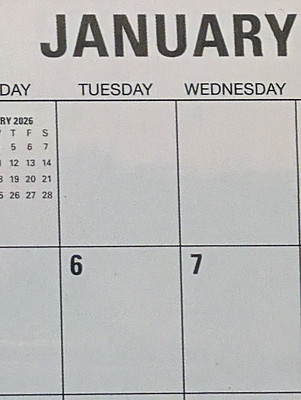
You must have fundraising and communications/marketing plans. If you haven’t put together these plans yet, do that now! Go one step further and create a fundraising calendar, as well. 

Your plans need to be specific, too. I know you want to raise more money and hopefully improve your donor engagement, but how will you do that?

You know from past experience that you may need to make changes to your plans. There’s always a possibility of disruptions. In 2020, it was the pandemic. Last year, it was funding cuts and the government shutdown. Organizations that were able to make changes to a plan already in place were most successful.

Take a look back at 2025 to see what worked and what didn’t in your fundraising and communications/marketing. Incorporate what you’ve learned into your 2026 plans. 

It’s absolutely crucial that your fundraising plan includes a diverse stream of revenue (remember those federal funding cuts last year). Individual giving has proven to be successful. A lot of small donations can add up! Start or grow your monthly giving program (more on that below). Also, look into mid-level, major, and legacy giving. 

You can apply for grants and hold events, but those sometimes require more effort than it’s worth. Invest in strategies that make sense for your organization.

Revisit your fundraising and communications/marketing plans regularly and make changes as needed. Do this at least every two to three months.

Make sure that donor relations and donor retention are part of your fundraising plan. Those are key to your success.

Pay attention to your donor retention

Donor retention continues to be a problem when it should be a priority. You’ll have more success if you work to keep the donors you already have instead of focusing on getting new ones.

First, if you don’t already know it, figure out your retention rate. Do this after every fundraising campaign.

If it’s low, you can fix it, usually with better communication. It’s easier and less expensive to keep your current donors than to find new ones, so once again, make donor retention a priority.

That said, you may have some new donors who saw a need and felt a connection to your cause. Don’t let these donors slip away either. 

Your goal should be to have donors who support you for a long time.

Make monthly giving a priority

I’m a huge fan of monthly giving and think every nonprofit needs to make it a priority.

Why? First, the retention rate for monthly donors is around 90%. These donors are committed to your nonprofit. 

Organizations that have monthly giving programs receive a steady stream of revenue throughout the year. Donors who opt for monthly giving find it’s easier on their finances. Even gifts of $5.00 or $10.00 a month can make a difference for your organization. Dedicated monthly donors also step up and give additional donations.

It’s doable for organizations of all sizes, especially small ones. Work on starting or growing your monthly giving program so you can have a bunch of highly committed donors. A good way to start is to invite your current donors to become monthly donors.

Monthly donors are also potential mid-level, major, and legacy donors. Remember the importance of individual giving and that small donations can add up.

Do a better job of communicating with your donors 

There are many ways to do a better job of communicating with your donors. Start by making this the year you say goodbye to boring, generic communication. Stop using jargon, such as at-risk and underserved. Tell more stories and go easy on the statistics. It makes a difference if you can put things in human terms so you can do a better job of connecting with your donors.

Better communication also means more frequent communication. Donors want to feel appreciated and know how they are helping you make a difference. Be sure to implement the ask, thank, report, repeat formula

You want to segment and personalize your communication, too. Address your donors by name (not Dear Friend) and recognize their past giving or if they’re a monthly donor.

Better, more frequent communication will help you raise more money. Having a communications calendar will help you with this. 

Build relationships with your donors

You may think the most important component of fundraising is raising money. While that’s important, so is building relationships with your donors

It’s hard to raise money year after year if you don’t build a good relationship with your donors. Every single interaction with your donors needs to focus on building relationships. That includes fundraising appeals. It’s possible to raise money and build relationships at the same time. 

Stop thinking of the donations you receive as a transaction and instead think of them as the start or continuation of a relationship. 

Good relationships with your donors will help you with retention.

Create an attitude of gratitude

A big part of building relationships is showing gratitude to your donors. Many nonprofits do a poor job of this. 

You need to start by sending a heartfelt thank you immediately after you receive a donation and then find ways to thank your donors throughout the year. Put together a thank you plan to help you with this.

Start the New Year off by making fundraising and communications/marketing plans, if you haven’t already done so. Prioritize donor retention, monthly giving, showing gratitude, and building relationships with your donors. This will help bring you more success in 2026.

Why It’s Important to Welcome Your New Donors

Year-end fundraising is well underway. I hope your campaign is going well so far. Perhaps you also participated in Giving Tuesday. The latter often brings in new donors, which you never want to take for granted. 

These donors saw a need and found a connection to your cause. Or maybe they were drawn into whatever Giving Tuesday promotion you initiated, but I like to think they wanted to help you make a difference. 

You may have or will see an increase in donations because of funding cuts and the recent U.S. government shutdown, especially if you work with populations that have been impacted by this. Times are tough and many people are struggling. Even so, donors see the need and have been stepping up to help. If that’s the case for you, these are donors who feel passionate about your cause and you don’t want to lose them.

Unfortunately, many of your new donors won’t stick with you. The retention rate for first-time donors is around 20%. We can and must do better.

This is why it’s so important to get a second donation, also known as a golden donation. Once you get that golden donation, you’re more likely to have long-time donors who will keep giving. One way to ensure this is to make your new donors feel welcome.

Start with a special thank you

According to fundraising expert, Dr. Adrian Sargeant, “The thank you is the single most important piece of communication that your donors get. They have a higher recall of it than the appeal that generated the gift.”

Keep that in mind, especially for your new donors.

If someone donates online, it’s hard to tailor the thank you email specifically to new donors. But you can do that with a phone call, handwritten note, or thank you letter.

Try to call your new donors or send a handwritten note. This will make a great impression on them. Get together a group of board members, other volunteers, and staff to help you. If that’s not possible, create a thank you letter specifically for your new donors.

*Make sure these are brand new donors. A good CRM/database will help you avoid any missteps.*

Create a welcome plan

A week or two after the initial thank you, send a welcome package. You can do this by mail, email, or a combination of both. Try to send at least one welcome message by mail. Mail is always more personal and your donors will be more likely to see it.

Welcome your new donors. Thank them again and show them other ways they can connect with you. Invite them to subscribe to your newsletter, join you on social media, and volunteer.

Your welcome package should include a warm introductory message and a few facts about your organization, but don’t brag too much. Keep it donor-centered and be personable. You could also direct people to your website for more information about your nonprofit.

Be careful about how much information you send. Donors want to feel welcome, not overwhelmed.

I don’t recommend sending unsolicited swag. Personally, I don’t like it, but some donors might. You could offer your new donors a gift and they can let you know if they want to receive it, but it’s not necessary. Most of your donors already have plenty of stuff. What donors really want from you is to know how they’re helping you make a difference.

Create a series of messages, also known as a drip campaign. Set a timeline. The first sequence of messages can be sent about once a week. After that, you should continue to communicate regularly (at least once a month) and follow the ask, thank, update, repeat formula. In a few months, you could invite your new donors to give monthly. Monthly donors are committed donors.

Welcome emails have high open rates. Impress your new donors right away, so they’ll be more likely to donate again.

Who are your new donors?

They could be event attendees, volunteers, or newsletter subscribers. If you know, refer to that in your thank you note, letter, or phone call. If not, send a short survey with your welcome package and ask, “How did you hear about us?” or “What drew you to our organization?” 

Another question to ask is whether your donors prefer print or electronic communication. Short surveys are also a good way to connect throughout the year. The more you know about your donors the easier it will be to communicate with them.

Make your current donors feel special, too

While I’ve been focusing on new donors in this post, retention rates for current donors aren’t anything to celebrate. The overall donor retention rate is around 45%, so we have some work to do.

Remember the golden donation, but don’t stop there. You want a third (would that be platinum?) and a fourth, etc. donation.  

If you’re not acknowledging a donor’s past support, you’re making a huge mistake. Imagine how you would feel if you gave to an organization for over five years and they never thank you for your long-time support.  Unfortunately, this happens way too often.

These valuable, long-time donors could leave at any time, so ignore them at your own peril. Make sure they also get a special thank you from you.

Keep it up throughout the year

It’s so important to communicate with your donors regularly. Plan on special mailings or emails specifically targeted to new donors. Remember to try to send something by mail if you can. A better use of your print and mailing budget is to send thank you notes instead of swag.

Think of other ways to do something special for your new donors too, such as an open house or a tour of your facility, either in person or virtual.

Of course, don’t ignore your other donors. You could do something special when you get that all-important second gift. Keep reaching out – at least once or twice a month. 

Show appreciation and share updates. A huge factor in donor retention is a good donor relations plan that you’ll carry out regularly as long as your donors support you, which hopefully will be for many years.

Toolkit: Build a Content Calendar for Nonprofit Campaigns

Use this toolkit to create a content calendar for your nonprofit’s campaign season, fostering stronger donor connections and enhancing your fundraising efforts.

By Anne Stefanyk

Alt Text: Concept image of a calendar, with a pin on the 30th of the month

When building a nonprofit campaign, planning your fundraising strategies is only half the battle. You also need a clear plan for getting the word out about your fundraising efforts, and that begins with a content calendar.

A strategic content calendar is the single best tool for shifting your pre-campaign planning efforts from chaos to control. Research indicates that 69% of the most successful marketers have a documented content strategy, compared to just 16% of the least successful marketers. A calendar unifies your communication into a consistent, powerful message that helps engage and retain your audience members.

This toolkit provides a practical, step-by-step framework for building a content calendar. We will focus on anchoring your strategy to your website, integrating all your channels, and using targeted storytelling to inspire action.

Step 1: Map out your campaign phases.

Before you plan any specific content, you must map out the emotional and tactical journey you want your supporters to take. To ensure your team is aligned, use a shared tool for collaboration. A spreadsheet, a simple document, or a project management tool like Asana works perfectly.

Begin by outlining the key phases of your campaign. Most fundraising campaigns have four distinct stages. Let’s use a hypothetical “Giving Day” campaign for a wildlife sanctuary raising funds for its veterinary hospital as our example.

  1. The Priming Phase (Building Awareness). This is your educational warm-up. The goal is to set the stage and demonstrate your funding need without making a hard ask just yet. For example, two weeks before the Giving Day, you could publish a “Day in the Life of Our Sanctuary Vet” blog post. This article should include compelling photos and storytelling to illustrate the complexity and cost of daily animal care, subtly highlighting why a fully funded wildlife hospital is so crucial.
  2. The Launch Phase (The Big Push). This is the official kick-off. Your content shifts from education to a clear, direct, and exciting call to action. All your channels should activate at once with a unified message. For example, at 8 a.m. on the Giving Day, you can send an “It’s Live!” email blast. Simultaneously, your website’s homepage changes to a Giving Day “hub” with a live-tracker, and your first social media posts announce the start of the 24-hour campaign.
  3. The Momentum Phase (Maintaining Energy). This is the long middle of the campaign, where you need to fight a dip in attention. Demonstrate progress made to donors and use social proof to encourage others to join in. For instance, at 3 p.m., you could post a short, celebratory video saying, “We just passed the 50% mark! Your gifts have already funded the purchase of a new X-ray sensor. Thank you! Can we get to 75% by dinner time?” This type of message shows real-time impact and creates a new mini goal.
  4. The Final Call Phase (Creating Urgency). This is your final, high-energy push to close the gap. Your messaging must be clear, direct, and time-sensitive to motivate supporters who have been waiting to make a donation. For example, at 9 p.m., you may send a “Final 3-Hour Countdown” email that clearly states: “We are $5,000 away from our goal. If you haven’t given yet, now is the time. Don’t wait—your gift before midnight will be a lifeline for our animals.”

Defining these core stages will give you the overarching structure you need to pepper in specific content types and messages throughout your campaign.

Step 2: Layer in content streams.

Your strategic content calendar should help you visualize how you can repurpose one piece of content across your entire ecosystem. This is the key to a robust multichannel strategy that reaches donors where they are.

Focus on your website content first. Your website is the one digital platform you own completely. It is the central hub where all action, donation, and deep engagement should happen.

Place your “pillar” pieces, like blog posts, video uploads, and testimonial drops, on the calendar. Then, build your email and social content around them.

Think of your website as the “hub” and your other channels as the “spokes.” For example, one long-form testimonial published on your blog (the hub) becomes the source material for many other pieces. It can become a quote graphic for Instagram, a “story of the week” feature in your email newsletter, and the emotional hook for a targeted social media ad.

For each phase, define the content needed for each channel. Create columns in your calendar for:

  • The date when the content should be published
  • The content topic or headline
  • The primary channel (e.g., blog, email, Facebook)
  • The task owner

For instance, during your momentum phase, you might have one team member post a “progress update” blog post by 2:45 p.m. Then, another staffer will have the green light to share that blog post’s key message, like a new animal photo or quote, across Instagram, Facebook, and LinkedIn, at 3 p.m. sharp.

This step is where a comprehensive project management system will be your best friend. You can use it to automatically send email or text notifications when it’s time for each team member to complete their tasks, ensuring seamless communication throughout the campaign.

Step 3: Populate with your stories and segments.

Stories make your campaign feel more urgent, personal, and real to donors, especially when you personalize them to each individual’s interests. Review your donor segments and assign specific stories or messages to different email segments.

For example, in the Momentum phase, you might send Email A (featuring an impact story) to your list of brand-new donors, but Email B (featuring a financial breakdown of impact) to your major donor segment. Major donors will appreciate greater transparency into the inner workings of your campaign and its anticipated outcomes, while new supporters will benefit from learning more about the purpose of your fundraising.

Bloomerang Fundraising’s donor segmentation guide also recommends using donor segments to send donors messages on their favorite communication channels. For example, a supporter who prefers text messages is more likely to respond to a campaign text than an email. Your calendar helps you plan for this, sending the right story to the right person on the platform they choose.

Step 4: Review for gaps and accessibility.

Evaluate your calendar from a higher level to ensure you haven’t overlooked any key necessities. Ask yourself questions like: Are you posting too much on one channel and neglecting another? Is there a week with no website content? Are your calls to action clear?

This is also the final check to ensure all planned materials, especially website assets, are accessible. Accessibility is crucial to creating an inclusive nonprofit campaign that enables everyone to participate. Your mission is for everyone, and your campaign content should be, too.

Key accessibility elements to check for include:

  • Readable fonts
  • Alternative text for images
  • Video captions or transcripts
  • Clear website navigation
  • Hierarchical web page design
  • Keyboard navigability

Kanopi Studios’ nonprofit website design guide recommends using both automated and manual checks to ensure you don’t miss any accessibility issues. Automated tests use tools like Lighthouse or Axe to help identify accessibility issues. Manual testing involves someone engaging in user testing, often with the help of assistive technology like a keyboard or screen reader tool, to evaluate your site’s usability.

Step 5: Measure, adapt, and improve.

Your content calendar should be a living document, not a rigid set of rules. The launch of your campaign marks the beginning of your next discovery process, involving constant testing and iteration.

Use a combination of tools such as Google Analytics and your website builder to track key campaign metrics such as:

  • Website traffic
  • The time visitors spend on core web pages
  • Landing page conversion rates
  • Email click-through rates
  • Social media engagement (likes, comments, shares)

If one type of content clearly resonates with your audience, adjust your calendar to capitalize on that success. For instance, if your “Meet the Animals” testimonial series is leading to major donation conversions, center your social media and website content around that to maximize your outreach efforts.

This continuous improvement model ensures that your strategy gets smarter with every campaign you run. Additionally, you can apply this approach to major, multi-year campaigns, such as a capital campaign. These longer fundraising initiatives offer an incredible opportunity to test your messaging and organization efforts, taking you from a novice planner to an expert communicator over the course of the campaign.

Build on what works, and discard what doesn’t—that’s the key to long-term fundraising communications success.


A well-planned content calendar does more than just organize your posts. It frees your team from the daily panic of “what do we post?” and empowers you to focus on what truly matters: building connections.

With this mindset, you can transform your nonprofit website from a simple digital front door into a dynamic hub for promoting both your current campaigns and your mission as a whole.

Anne Stefanyk is the Founder and CEO of Kanopi Studios, a leading digital agency that designs and builds websites for mission-driven organizations. With deep expertise in strategy, user experience, and open-source technologies, Anne has guided Kanopi to become a trusted partner to nonprofits, higher education, and healthcare institutions.

Since launching Kanopi in 2010, Anne has fostered a people-first culture and a strong commitment to accessible, sustainable web practices. Her team creates inclusive digital experiences that help organizations make meaningful impact.

Follow Anne:

X

Drupal

LinkedIn


Why Consistency in Communication is Key to Donor Retention

Retaining donors requires a diligent effort to engage and build relationships with them. Explore why consistent communications are key to donor retention.

By Diana Otero

Let’s imagine you donate to an environmental conservation nonprofit for the first time. You’re excited about this cause and how you can make a difference.

After receiving a generic thank-you email, you don’t hear from the organization for a while. You’re a bit disappointed, as you had been looking forward to learning more about the nonprofit and its mission-driven work.

A few months pass, and you finally hear from them again, with an email titled “Give to our organization today!” By this point, you feel that the organization just wants to solicit donations and has no interest in building relationships with supporters or educating them about their cause. You ignore the email and decide not to give to this nonprofit again.

This scenario illustrates the importance of sending consistent, engaging communications that stand out to donors and make them excited to continue supporting your organization. In this guide, we’ll explore reasons why consistent communications empower donor retention and how to adjust your strategy accordingly.

5 Ways Consistent Communications Enable Donor Retention

A steady communication cadence inspires donors to continue contributing to your nonprofit and its community because it:

  • Builds trust and credibility. Predictable communications like monthly newsletters, timely thank-you emails, and event recaps prove your organization’s reliability. When donors receive regular updates about your nonprofit, they can see how it’s actively pursuing its mission and using funds responsibly to execute the programs and initiatives discussed in these messages.
  • Demonstrates transparency. When you communicate with supporters regularly, you’re more likely to update them through both positive and negative circumstances, giving donors a more realistic, honest view of your operations. For example, an organization that sends event recaps may mention that it didn’t reach its fundraising goal and how it plans to rectify this issue next time, whereas a nonprofit without a consistent communication cadence may neglect to share this information.
  • Reinforces impact. The more you communicate with donors, the more opportunities you have to show them how you’ve created better outcomes for your beneficiaries. Regularly sharing stories, impact data, and testimonials helps donors understand that their support is crucial and encourages them to continue giving.
  • Keeps your organization top-of-mind. If you only reach out to donors to solicit contributions, they may feel exploited by your organization and forget about what drew them to your cause in the first place. Sending informational and educational messages reminds donors of your nonprofit’s important work and the engagement opportunities available to them.
  • Fosters deeper relationships. One of the five C’s of communication is connection. When donors hear from your nonprofit regularly, they’re more likely to feel connected to your organization. Over time, you can steward small and mid-level donors to become major donors if you consistently strengthen your supporter relationships through outreach.

When your communications are consistent, everyone wins. Donors feel more informed and connected to your organization, your organization can better retain their support, and, as a result, your beneficiaries will receive the help they need.

5 Tips for Creating More Consistent Communications

1. Establish brand guidelines.

Whether you’re communicating with donors via email, text message, direct mail, social media, your website, or another channel, supporters should clearly recognize that these messages came from your organization. By creating brand guidelines, you ensure that communications across channels and team members are consistent and reflective of your nonprofit.

Your brand guidelines should clarify your:

  • Mission and vision: What is your organization’s purpose?
  • Core values: What are your nonprofit’s guiding principles?
  • Writing style and tone: How should your organization’s copy sound?
  • Positioning: What makes your nonprofit unique?
  • Key messaging: What talking points should staff members hit when creating communications?
  • Logo usage: How should team members place and size your logo on visuals?
  • Color palette: What colors should communications feature to reflect your brand?
  • Typography: What fonts should team members use in messaging?
  • Imagery style: What should images look like?

Remember to update your brand guidelines after a rebrand or major strategy adjustment so your communications align with your nonprofit’s new perspective. Distribute this guide across your team so everyone knows exactly how to construct their content.

2. Create a content calendar.

As Bloomerang’s email marketing for nonprofits guide explains, “Too many emails can overwhelm supporters, causing them to tune out or unsubscribe. At the same time, too few emails can cause your organization to fall off supporters’ radars.”

That’s why creating a content calendar based on your supporters’ communication preferences is the best route for consistent yet welcome messages. Analyze metrics like open and click-through rates, and survey donors to collect data on their ideal message frequency.

Using this information, develop a content calendar that appeals to your donors, stewards relationships with them, and highlights key campaigns, events, and holidays. By scheduling communications ahead of time, donors will know when to expect to hear from you and appreciate this reliability.

3. Personalize messages.

In addition to featuring the same branding and following a regular cadence, consistent communications also acknowledge donors’ past interactions with your nonprofit and reflect their unique relationships with your organization. Receiving relevant messages that align with their interests and engagement history shows donors that your nonprofit cares about them as individuals and makes them more likely to stick around.

Segment your supporters into relevant groups, such as:

  • First-time donors
  • Recurring donors
  • Mid-level donors
  • Major donors
  • Planned giving donors
  • Lapsed donors

Then, personalize messages to donors’ needs to ensure they resonate with them. For example, if you’re trying to solicit a second gift from a first-time donor, instead of sending a generic donation request, you could send them a text that says:

“We were so happy to welcome you to our community five months ago. Since then, we’ve developed a new mentoring program that pairs young children with older children to help them grow as students and people. Would you be interested in lending your generosity again to support children in need?”

4. Leverage automation.

Automating routine communications frees up staff time and promotes consistency. By setting up messages to trigger after certain actions, you can be confident knowing you’ll follow up with donors without even having to lift a finger. Common uses for marketing and fundraising automation include:

  • Thank-you emails that are sent immediately after donors give
  • Welcome email series that triggers after a donor gives for the first time
  • Birthday or giving anniversary messages that automatically send based on stored donor data
  • Educational messages that automatically send after a donor downloads a related resource or reads a blog post
  • Follow-up messages that automatically send when a donor abandons your donation page
  • Surveys that trigger after a donor attends an event or volunteer opportunity

Tweak your automations over time based on donor behavior. For example, you may find that new donors are more likely to engage when you send your welcome email series a day after their first contribution rather than immediately after giving.

5. Implement proper data hygiene.

Outdated, incorrect, or incomplete donor data can prevent you from reaching donors, as well as break up your communication cadence and risk your supporter relationships. Practicing data hygiene allows you to clean up your nonprofit CRM and ensure your messages consistently reach donors.

A complete data hygiene routine may include:

  • Auditing your database
  • Developing data entry standards
  • Validating your data
  • Appending missing information
  • Regularly updating your CRM

Developing data hygiene standards and sharing them across your team ensures your database stays accurate and empowers deliverable communications that help you stay in touch with your supporter base.


Throughout the process of making your communications more consistent, don’t forget to consult your donors. Every nonprofit’s supporters have different needs and preferences. Collect their feedback to determine the ideal communication frequency, messaging, and channels to keep your strategy consistent and aligned with your unique donor base.

As Senior Product Marketing Manager at Bloomerang, Diana Otero leverages her expertise in nonprofit CRM to help organizations strengthen donor relationships. She is passionate about showcasing solutions that empower For Purpose organizations to move beyond data tracking and foster genuine connections. With over a decade at Bloomerang, Diana excels at translating product capabilities into strategies that save time, fuel growth, and allow nonprofits to focus on what matters most: their mission. Her work is informed by her experience as a former nonprofit board member and ongoing volunteer work with various organizations, giving her unique insight into the challenges nonprofits face. Connect with her on LinkedIn.

Why It’s Important to Segment Your Donors

Segmenting your donors is important in many ways. If you’re running a campaign, you can send different letters to different types of donors or segment by gift amount and encourage them to upgrade. You can also create a new donor welcome series, a special thank you mailing for monthly donors, or reach out to lapsed donors.

Your donors are not the same. Some donors have given for at least five years (these donors should get a lot of attention). Some are monthly donors. Yet, many nonprofit organizations fail to recognize that and send everyone the same messages. 

I often receive generic, one-size-fits-all communication from organizations that don’t acknowledge I’m a longtime donor or recognize that I’m a monthly donor. How do you think that makes me feel?

Besides creating a personal connection, another benefit of segmenting your donors is it can help you raise more money and boost your retention rate. If you haven’t been segmenting your donors and have been struggling with meeting your revenue and retention goals, that may be why. In this time of economic uncertainty, both for your nonprofit and your donors, segmenting could make a difference.

Isn’t it time for you to start segmenting your donors? If you’re already segmenting your donors, kudos to you!

You may be worried about how much time this will take. Plus, you don’t think your current CRM/database can handle it and it will cost too much to get a better one. 

In reality, it may cost you more not to segment. A good CRM/database is worth the investment because segmenting your donors will help you with retention, which costs less than trying to find new donors. 

Your appeals and thank you letters will stand out if you can personalize them and not send everyone the same generic letter. You don’t need to create a 100 different types of letters, though. Four or five should be sufficient. 

Here are a few different types of donor groups to help get you started. Remember, investing in a good CRM/database will help you with this.

Current single gift donors

An appeal letter to current single gift donors (Monthly donors get their own appeal. More on that below.) must acknowledge their past support. You can segment donors by gift amount and use this opportunity to ask for an upgrade. Many organizations don’t do this, but it’s a good way to increase your revenue.

Your donors will be more receptive to upgrading their gifts if you’ve been doing a good job of thanking them and staying in touch throughout the year.

If these donors give again, they should get a handwritten note, phone call, or letter letting them know how much you appreciate their continued support. If they’ve upgraded their gift, be sure to acknowledge that, too. 

Potential/new single gift donors

If you’re sending an appeal to someone who’s never donated to your nonprofit before, what is your connection to them? Are they volunteers, event attendees, or people on a list you purchased?

The more you can establish a connection, the better chance you have of getting a donation.

The retention rate for first-time donors is terrible. One of the reasons is poor communication. You can help boost your retention rate by making your new donors feel special.

New donors should get a handwritten note, phone call, or letter welcoming them as donors. Invite them to connect with you in other ways, such as signing up for your newsletter, following you on social media, and volunteering.

Then a week or so later, send them a welcome package by mail or email. Personalization is crucial for new donors.

One of the biggest hurdles nonprofits face is ensuring first-time donors give a second time. If they keep giving after that, they’re showing their commitment to your organization. That’s why the second gift is called a golden donation. Don’t blow it by ignoring this.

New monthly donors

Brand new donors who opt for monthly or other recurring donations get the same special thank you treatment mentioned above. Welcome them to your family of monthly donors. 

Your current monthly donors must get their own appeal that recognizes them as monthly donors. In this appeal, you can either ask them to upgrade their gift or give an additional gift. 

When your donors give an additional gift or upgrade their monthly gift, they, of course, get an amazing thank you.

Current donors who become monthly donors

Your current donors who decide to become monthly donors are also showing their commitment to you. They get a handwritten note, phone call, or letter thanking them for their continued support and for joining your family of monthly donors. From now on they should receive specialized appeals and other communication targeted to monthly donors. 

Segment as much as you can

While I’ve suggested a few ways you can segment, there are many more options. You can segment by gift amount and the number of years someone has been a donor. You can segment volunteers, event attendees, lapsed donors, and non-donors. You can also use segmentation in other types of communication, such as creating a special newsletter for monthly donors (or at the very least including a cover letter for monthly donors with your newsletter) and sending handwritten notes to people on their donor anniversary.

Segmenting your donors makes a difference
Spend some extra time segmenting your donors into different groups. Unfortunately, if you don’t, you’re missing out on opportunities to connect with your donors, raise additional revenue, and boost your retention rate.

How to Turn Grant Funders into Long-Term Supporters

Securing grant funding is difficult and requires significant nonprofit resources. Fortify grant funder connections to minimize effort while attracting funding.

By Erin Murphy

Winning a grant is no small feat—it takes time, effort, and a compelling proposal to secure funding. But the real payoff lies in turning that one-time grant into a long-term partnership. Building strong, lasting relationships with grant funders not only saves your nonprofit valuable staff time but also stabilizes revenue and creates opportunities for greater mission impact.

With the right approach—one rooted in care, transparency, and a thoughtful communication strategy—you can transform grant funders into loyal supporters who champion your cause for years to come.

1. Align Proposals with Funder Priorities

The foundation of any strong funder relationship is alignment. Grant funders want to see that your nonprofit understands their mission and values, and that your programs directly support their priorities. This requires more than just a well-written proposal; it demands thorough research and a tailored approach.

Start by diving into each funder’s stated goals and past grantmaking. What types of projects have they supported in the past? What outcomes do they prioritize? By identifying the overlap between their mission and your nonprofit’s impact, you can frame your programs as mutually beneficial.

Then, you’ll have enough information to start creating your proposals. When crafting them, avoid the temptation to rely on generic templates. Instead, customize each proposal to reflect the funder’s unique priorities and demonstrate shared values. This not only builds trust but also sets the stage for a partnership that feels collaborative from the outset.

2. Demonstrate Impact Through Consistent Reporting

Winning a grant is just the beginning. Funders need to see that their investment is making a difference. According to Thompson Grants, transparent, timely reporting is essential for complying with funder requirements while also strengthening their confidence and trust in your organization. 

When reporting to funders, go beyond the basics. Provide both qualitative stories and quantitative data to paint a full picture of your impact. For example, an educational nonprofit could share a compelling story about a student who gained access to college through their scholarship program, alongside metrics showing increased graduation rates.

Also, don’t be afraid to highlight unexpected results or lessons learned. For example, if a housing initiative aimed to renovate 50 units but only completed 40 due to supply chain delays, explain how you adapted and built stronger vendor partnerships. Or if a workforce program discovered higher demand for digital skills training than anticipated, show how you pivoted resources to meet community needs. Funders appreciate this kind of honesty and value learning alongside you. 

3. Cultivate Relationships Beyond the Grant Cycle

A common mistake nonprofits make is only engaging with funders during the grant cycle. To turn funders into long-term supporters, you need to build relationships that extend beyond the check. Get started by:

  • Scheduling regular updates to keep funders informed about your work—not just when reports are due. These updates can take the form of emails, phone calls, or informal check-ins to share progress, challenges, and upcoming plans. Transparency in these communications builds trust and keeps your nonprofit top of mind.
  • Inviting funders to experience your work firsthand through site visits, events, or behind-the-scenes tours. Seeing your programs in action deepens their emotional connection and reinforces the value of their contributions.
  • Ensuring personalized communication. A thank-you call, handwritten note, or spotlight on their contribution in your newsletter can make funders feel appreciated and recognized. Tailoring your outreach to their preferences shows you value them as individuals, not just financial backers.

By treating funders as true collaborators in your mission, you can build trust, show gratitude, and turn first-time funders into long-term allies.

4. Involve Funders in Strategy and Storytelling

When funders feel like active partners in shaping your nonprofit’s future, they’re more likely to stay invested. Involving them in your strategy and storytelling deepens their connection to your mission and fosters a sense of shared purpose. You can do so by:

  1. Telling your story. Share compelling stories that highlight the human side of your impact—stories that make the outcomes of their funding tangible and relatable. These stories can be shared in newsletters, impact reports, or even during one-on-one conversations. Just ensure you use real human testimonials to strengthen your story’s emotional appeal.
  2. Soliciting their feedback on new initiatives or strategic plans. Asking for their input not only shows that you value their expertise but also helps them feel like collaborators in your work. This can be as simple as inviting them to brainstorming sessions or sharing drafts of upcoming projects for their review.
  3. Spotlight funders in your communications (with their permission) to publicly acknowledge their contributions. You can also invite them to share their expertise by serving as advisors or guest speakers at events. This not only gets existing funders more involved with your story but can also serve as social proof for potential funders.

By involving funders in both your strategy and storytelling, you create a deeper sense of partnership and ensure they feel personally connected to your nonprofit’s success. 

5. Strengthen Stewardship with Systems and Teamwork

Sustainable stewardship requires strong systems, clear processes, and a team-wide commitment to maintaining funder relationships. By building the right infrastructure, you can ensure no funder falls through the cracks.

Start by creating internal workflows for tracking funder interactions. A centralized system, such as a CRM or grants management platform, can help you keep records consistent and accessible. Use these tools to log communications, track deadlines, and monitor progress on grant deliverables.

Next, assign stewardship responsibilities to specific team members so funders have a clear point of contact. Whether it’s sending updates, scheduling check-ins, or preparing reports, having dedicated roles ensures funders feel prioritized.

Regardless of their exact role on your team, training your staff on stewardship best practices is also essential. Equip your team with the skills to communicate effectively, personalize outreach, and demonstrate gratitude via workshops and training resources. Additionally, educate your team on how to use your CRM data to strengthen stewardship with regular upskilling sessions.


Turning grant funders into long-term supporters is one of the most impactful steps your nonprofit can take to ensure reliable funding and lasting partnerships. With the right approach, you can transform one-time grants into enduring partnerships that drive your mission forward. 

Erin Murphy, MBA, is the Vice President of Marketing at Thompson Grants, where she leads strategic initiatives to expand the organization’s reach and impact. She leads initiatives that connect grant professionals with expert guidance, training, and tools designed to simplify compliance and strengthen funding strategies. Erin combines her background in marketing with a passion for supporting nonprofits, governments, and institutions as they navigate the complex world of grants management.

Why You Need to Share Stories With Your Donors

Stories come in many forms. You can tell a story with words, pictures, and videos. I like written stories (preferably on paper), but others are drawn to videos. Some people might not have the time or energy to look at anything but a photo or infographic.

Your nonprofit organization needs to share stories using all these forms. Sharing stories will help you connect with your donors and improve your engagement.

Donors want to hear your stories

I bet you’re not using stories as much as you should. That’s a mistake because people respond better to stories than a bunch of facts and statistics. Stories bring the work you do to life by using everyday language to create a scene.

You may be reluctant to use stories because it’s more work for your organization, but that shouldn’t stop you. Make time to come up with some engaging stories.

Your stories need to be relevant

Update your stories at least once a year. They need to take into account the everchanging current situations. There’s a lot going on. How is that impacting your clients/community? Many people are struggling right now.

Create a culture of storytelling

If you create a storytelling culture in your organization, you can make storytelling the norm instead of the exception.

Work with your program staff to create stories that will help you connect with your donors. Everyone needs to understand how important this is. Share stories at staff meetings and/or set up regular meetings with program staff to gather stories. 

When you put together a story, ask.

  • Why is this important?
  • Who is affected?
  • Why would your donors be interested in this story?
  • Are you using clear, everyday language (no jargon) to make sure your donors understand your story?
  • How are your donors helping you make a difference or How can your donors help you make a difference?
  • Client or program recipient stories are best. Remember, donors want to hear how they’re helping you make a difference for your clients/community.

Another way to find stories is to put a Share Your Story form on your website. This could be a good way to get some current, relevant stories.

Your stories aren’t about your organization

Keep in mind that your stories aren’t about your organization. Your story is about a need or problem that affects the people/community you work with, and how your donors can/did help with that.

Make your stories personal 

Tell a story of one (person or family). Use people’s names to make your stories more personal. I realize you might run into confidentiality issues, but you can change names to protect someone’s privacy. You could also do a composite story, but don’t make up anything.

Always be respectful to your subject(s). You may want to set up some ethical guidelines. 

Use different stories for different types of communication

Create a story bank to help you organize all your stories. You want to use stories as much as possible. Use them in your appeals, thank you letters, newsletters, updates, impact reports, website, blog, and other types of social media. You can also create a story calendar to help you consistently share stories throughout the year.

While you can come up with some core stories, they’ll be slightly different depending on the type of communication. 

In a fundraising appeal (all appeals should start with a story), you want to highlight a problem or need. Let’s say you run a food pantry. Here you can tell a story about Melanie, a working single mother with three kids who’s having trouble feeding her family because of rising food costs and cuts in benefits. Sometimes she has to choose between buying groceries and paying the heating bill. 

In your thank you letter, you can let your donor know that because of their generous gift, Melanie can get healthy food for her family at the Eastside Community Food Pantry.

Then, in your newsletter, impact report, or update, you can tell a success story that because of your generous donors, Melanie doesn’t have to worry so much about how she’ll be able to feed her family.

Tell a story in an instant with an engaging photo

You’ve probably heard the phrase a picture is worth a 1000 words. Cliche, yes, but it’s true.

You can capture your donors’ attention in an instant with an engaging photo. That doesn’t mean one of your executive director receiving an award. Use photos of your programs in action or something else that’s engaging.

Print newsletters and impact reports tend to be dominated by long-winded text. Most of your donors won’t want to read the whole thing. But if you share some engaging photos, they can get a quick glance at the impact of their gift without having to plow through a bunch of tedious text. You can share a little more information with a good photo caption.

Photos can enhance your print communication by breaking up the narrative. You can also complement your written stories with photos. If you’re worried about mailing costs, postcards and other short pieces with photos are the way to go. You could even do a Postcard Impact Report

If you use social media, you need to communicate several times a week. As your donors scroll through an endless number of posts, an engaging photo can stand out and get their attention.

Use photos everywhere – fundraising appeals, thank you letters/cards, newsletters, impact reports, updates, your website, and social media. Create a photo bank to help you with this.

It’s fine to use the same photos in different channels. It can help with your brand identity. Be sure to use high-quality pictures. Also, make sure your photos match your messages. If you’re writing a fundraising appeal about children who aren’t getting enough to eat every day, don’t use a picture of happy kids.

Work with your program staff to get photos and videos (more on videos below). Confidentiality issues may come up and you’ll need to get permission from your subjects or their guardians.

Highlight your work with a video

Videos are a popular way to connect. They can be used to show your programs in action, share an interview, give a behind-the-scenes look at your organization, or my favorite – thanking your donors. 

I would definitely recommend creating a personalized thank you video. If that’s not possible, you can make a general one.

Make your videos short and high quality. Short is key. If your video is more than a couple of minutes, your donors may not bother to watch it. 

You can use videos on your website, in an email message, on social media, and at an event.

Spiff up your statistics by using infographics

A typical impact report is loaded with statistics. You want to share these, along with your accomplishments, but you don’t want to overwhelm your donors with a lot of text.

Why not use an infographic in your impact report instead of including the usual laundry list of statistics and accomplishments? 

Infographics are also great in other types of communication, such as newsletters and updates. Good visuals will enhance both your print and electronic communication.

Connect with your donors and keep them engaged by using all types of stories.

How to Personalize Communications With Nonprofit CRM Data

Personalization allows nonprofits to deepen donor relationships and boost retention. Learn how to personalize nonprofit communications using data from your CRM.

By Philip Schmitz

In an age where technology has tailored our online experiences based on our interests and behaviors, today’s donors expect personalized communications before engaging with an organization. 

However, nonprofits that want to build strong, lasting relationships with their donors often struggle to connect with individual donors. This is especially true when communicating on a massive scale without expending resources and stretching their teams thin.

Fortunately, the right data and technology can streamline (and enhance) communication for you. That’s where your constituent relationship management (CRM) system comes in! Along with standard demographic and contact information, a good nonprofit CRM will accurately capture behavioral and engagement information that can help tailor communications. 

Let’s review what your nonprofit needs to do to tap into the benefits this powerful tool can bring.

1. Understand What Your CRM Can Do

Understanding the functionality of your CRM will allow you to make the most use of it to properly collect and analyze data. Many nonprofit CRMs offer robust functionalities and tools built to help scale your donor outreach, but their value is lost if you don’t make the most of the platform.

According to CharityEngine’s roundup of top CRMs, the key features to look for in this software include:

  • Payment processing: A built-in payment processor ensures your nonprofit is equipped to accept payments when donors respond to your communications. 
  • Marketing automation: The right CRM can automatically segment donors and communicate with them through several channels, like email and direct mail. Since your CRM has a full view of each donor’s engagement history, it’s well-equipped to send out timely and relevant messages.
  • Major gift management: The best CRMs integrate with prospect research databases, helping your nonprofit identify and steward relationships with potential major donors. Effective donor cultivation strategies are rooted in a personal touch, and your CRM provides the data needed for that.
  • Online forms: Accessible (and eye-catching!) online forms make things easy for you and your supporters. Your CRM should be able to create and manage these forms for you.
  • Reporting and analytics: Out-of-the-box reports and dashboards provide a comprehensive view of donor behaviors and your nonprofit’s growth. When you can easily analyze this data, your communications will become more accurately targeted.

Evaluating a CRM solution is critical to finding the one that best fits your organization’s needs. Take advantage of resources such as demo calls to ask specific questions and see what the platform looks like in action. Blog articles, review platforms, and help communities are great ways to engage with current users of the platform, understand how they’re faring with the platform, and identify any issues you may need to be aware of before moving forward.

2. Segment Supporters for Smarter Messaging

Audience segmentation refers to the process of dividing a broader group into smaller, more defined groups based on shared behaviors and characteristics. Instead of sending the same message to all audiences, this process allows for more effective outreach by sending the right message to the right people at the right time. 

Your CRM tracks data that’s critical to grouping donors, such as:

  • Engagement: By tracking donors’ involvement and engagement with your organization, you can speak directly to their interests and motivations. For example, a volunteer may enjoy an impact report detailing the results of their hard work, while an auction attendee would enjoy receiving a recap of the event, including the amount it raised for your organization’s work. 
  • Giving frequency: Recurring donors are more likely to appreciate impact metrics and recognition for their continued gift, while one-time donors may be less engaged and could need more background information about your mission. For example, you might share your appreciation with a recurring donor for the total amount they’ve contributed over the years, while a reminder that your nonprofit still needs help would be more appropriate for someone who gave once a few months ago.
  • Lapsed donors: Disengaged donors will likely require messaging that conveys urgency, such as a reminder about your year-end campaign or a time-sensitive beneficiary need. When communicating with donors who have paused their gifts, be sure to use language that encourages them to reconnect with your organization. 

According to Getting Attention’s marketing statistics, segmenting digital campaigns produces up to 760% more revenue compared to non-segmented campaigns! If you’re not already segmenting your campaigns, it’s a step you should take immediately—and your CRM may even automate it.

3. Test and Optimize Your Messaging Strategy

With such large amounts of donor data, you may have conflicting ideas about how to approach messaging for certain segments. A/B testing is the process of comparing two versions of a strategy to determine which performs better and achieves a desired outcome, such as higher conversion rates or engagement.

When trying out different communication strategies with your donors, consider running an A/B test to see which resonates the most with them. Adopting a test-and-learn approach will help you find the most effective communication strategy and messaging. 

Your CRM can help you A/B test the following elements: 

  • Email subject line: Test subject lines with different tones and messages to see which resonates the most with users by measuring metrics such as open rates. You may find that emotionally compelling subject lines work better with some audiences, while subject lines that convey urgency perform better with other audiences. 
  • Call to action: Try different messages in your CTAs, such as action-oriented language, to encourage readers to follow through on the ask. Remember to tailor the opportunity to recipients’ interests. For example, a long-time donor looking for new ways to get involved may be interested in volunteer opportunities.
  • Send time and day: Test different times and dates of your email sends to observe the highest open and engagement rates. For example, donors of one age demographic may be more likely to read your emails in the morning, compared to another demographic that is more responsive in the afternoon. 

Be sure to take a step back and review past campaigns to determine which messages garnered the most attention from your donors. Based on this information, adjust your messaging according to what performs best and is most likely to appeal to your donors. 

4. Empower Your Team to Use Data Confidently

Every member of your team must be able to handle and interpret data effectively to receive the most value from your system. When decisions across all teams are backed by data and evidence, you’ll be confident that your nonprofit is represented well and consistently in all its communications. 

The process of ensuring your team can use data effectively is two-fold. First, you must ensure that the data in your CRM is accurate, as accurate data informs better decisions, engages more donors, and guarantees that nothing falls through the cracks. Also referred to as data hygiene, this process may involve removing outdated or duplicate records, appending missing data, and updating information to be more accurate.

Secondly, you must build internal data fluency within your team. This could include:

  • CRM walkthroughs: Host short, role-specific training of your CRM for members of your team, focusing on the functionality that is most important to their day-to-day tasks. For example, you may focus only on data analysis with one team while another team needs to be familiar with the platform’s event management capabilities.
  • Lunch & Learns: Consider hosting 15- to 30-minute sessions focused on specific topics, such as building donor reports and segmenting audiences. You can also open these opportunities to team members, encouraging them to take ownership of exploring the CRM’s capabilities and sharing best practices with their colleagues.
  • Internal glossary: Create an internal document that defines commonly used terms like average gift size and return on investment (ROI). Clearly map out how to find this information in your CRM, and outline troubleshooting steps to take if team members encounter any problems.

Technology is the key to successfully running a nonprofit, but its power is only fully utilized if people know how to use it. The power of a robust CRM can help even the smallest of teams achieve big results with the right tools and habits to run the most effective campaigns and achieve your mission.

Phil Schmitz is the founder and CEO of CharityEngine, a complete fundraising platform powering some of the nation’s largest nonprofits and associations. Phil has developed patent-pending anti-fraud tools and industry-leading recurring payment technology that allows nonprofits to retain more sustainer revenue than the industry average; clients have raised nearly $5 billion using these tools. Phil’s passion for leveraging technology to empower nonprofits is supported by more than 20 years of experience in building successful technology and e-commerce companies.

Go Above and Beyond With the 5 C’s of Good Nonprofit Communication

A lot of nonprofit communication is mediocre at best. Is that the case for you? Don’t settle for just okay. You’ll raise more money and have better donor engagement if you can go above and beyond.

The remedy I like to recommend is the 5 C’s of good nonprofit communication. Keep these in mind when you’re writing a fundraising appeal, thank you letter, update, or any type of donor communication.  

Is it Clear?

What is your intention? What message are you sending to your donors? Are you asking for a donation, thanking them, or sharing an update? 

Whatever it is, make sure your message is clear. If you have a call to action, that needs to be clear, as well. You also want to stick to one call to action. Don’t distract your donors with too many choices. If you ask them to make a donation, volunteer, and contact their legislators in the same message, you run the risk of them not doing any of those.

You want your message to produce results. Plain and simple, your fundraising appeal should have a prominent ask and entice someone to donate. Your thank you letter should thank your donors (no bragging or explaining what your organization does), and make them feel good about donating.

Use language your donors will understand (no jargon). Avoid terms like food insecurity and underserved communities. Just because something is clear to you, doesn’t mean it will be clear to others. 

Is it Concise?

Can you say more with less? Eliminate any unnecessary adverbs, adjectives, and filler. Make your point right away. Concise writing doesn’t mean you need to be terse or all your print communication has to be one page. Sometimes it will need to be longer, but the same rules apply. 

Nonprofit organizations like to pack a lot of information into their monthly/quarterly newsletters and impact reports, but many donors won’t read something if it looks like it will be too long. 

Shorter, more frequent communication is better. This applies to the example I gave above about not putting more than one call to action in a message. You’ll have better results if you send separate messages for each call to action.

Also, most people skim, so use short paragraphs and lots of white space, especially for electronic communication.

Make all your words count.

Is it Conversational?

Write as if you’re having a conversation with a friend and be personable. Use the second person – where you refer to your donors as you and your organization as we. Remember to use you much more than we. 

Avoid using jargon, clichés, multi-syllable words, and the passive voice. Is that the way you talk to your friends? I hope not.

You may think you’re impressing your donors by using jargon and big words, but most likely you’re confusing them or even worse, alienating them. Connect with your donors by using language they’ll understand.

Is it Compelling?

Is whatever you’re writing going to capture someone’s attention right away and keep them interested? The average human attention span is eight seconds, so the odds are stacked against you. It’s an understatement that there’s a lot of stuff competing for our attention right now. If you can’t stand out, your donors are going to move on to something else.

Start with a good opening sentence. Leading with a question is often good. Stories are also great. 

Put a human face on your stories and keep statistics to a minimum. Start a fundraising appeal with an engaging story that leads to a call to action.

Are you establishing a connection?

Donors are drawn to your organization because they feel a connection to your cause. You also need to establish a connection with them. You can start by segmenting your donors by different types, such as new donors, current donors, and monthly donors. 

Get to know your donors better and give them content you know they’ll be interested in. Hint – it’s not bragging about your organization. They want to know how they’re helping you make a difference for your clients/community. They also want to feel appreciated. Focus on building and sustaining relationships.

Go above and beyond and improve your donor communication by practicing the 5 C’s.

Don’t Take a Vacation from Your Donor Communication

It’s summer! I hope you’ll get a chance to take a vacation or just some time off. It may be quieter at your nonprofit, or maybe it isn’t considering everything that’s going on, especially in the U.S. Either way, you don’t want to be too quiet and ignore your donors. Summer is a great time to do some relationship building

You should communicate with your donors at least once a month and that includes the summer months. Don’t make the mistake of taking a vacation from your donor communication. Continuing to stay in touch with your donors will help you when you launch your fall fundraising campaign. 

Maybe this sounds impossible, especially if you’re a small organization and worried about your finances, but you can do this!

Here are a few ways you can connect with your donors this summer, as well as throughout the year, and build those important relationships. 

Brighten your donor’s day with a handwritten thank you card

Nonprofit organizations don’t thank their donors enough. You don’t need a reason to thank your donors. Just do it and do it often. You’ll stand out if you do.

This is a good time to do something personal, such as sending a handwritten thank you card. Pour on the gratitude and let your donors know how much you appreciate them.

You only need to write a few sentences, but make it warm and friendly. Think of it as having a conversation with a friend. Get board members and other volunteers to pitch in and help. You could also have a client/beneficiary write thank you notes.

Send a postcard

It used to be fairly common for people to send postcards when they went on vacation. I don’t know how many people still do that, although I always enjoy receiving them.

Postcards are a great way to connect with your donors. Communicating by mail is more effective than electronic communication. I know mail is expensive, but a postcard shouldn’t cost too much. Your donors are also more likely to see your messages if you send them by mail. 

You can say thank you, share an update, or a combination of both. Besides feeling appreciated, donors also like to hear how their gift is making a difference. You could consider an infographic postcard.

Sending something by mail is an investment that could pay off if your postcard (or handwritten card) entices a donor to give again and possibly upgrade.

Email and social media are okay, too.

While it’s important to stay in touch once a month, it may not be possible to use direct mail that much. You can also use email and social media. Email has an advantage here because you can personalize your messages and the engagement levels are better, although not as good as direct mail. The downside is people get a ton of email and social media messages, so make yours stand out.

You could send your donors a thank you photo or video. Maybe you already do a monthly e-newsletter. Spruce it up a little. You could even make it shorter. Share a story that lets your donors know how they’re helping you make a difference for your clients/community.

You don’t need anything fancy and make it easy for yourself by keeping it simple. There are so many ways to thank your donors and share an update. It’s okay to have a little fun and get creative. It’s summer, after all. It could also be a nice distraction from all the chaos and uncertainty going on right now.

Get donors involved

I know we’re facing a lot of economic uncertainty, but donors want to help if they can. 

Will certain policies or funding cuts affect your organization? Most likely, the answer is yes.

Share ways your donors can help – perhaps by contacting their legislators, volunteering, or making a donation.

I’m a big fan of advocacy alerts. They can be a great way for people to engage with your organization. Be sure to thank participants and keep them updated on any outcomes.

When all levels of government make funding cuts or policy changes, the need in the community grows, which puts more burden on nonprofit organizations. Remember, some donors will step up and help, if they can. 

Make room for improvement and plan ahead

Summer can be a good time to make improvements in your existing communication. Spend time finding some engaging stories and photos for your newsletters and other updates. This is also a good time to warm up your donors for your fall campaign.

Start working on your appeal and thank you letters for your next campaign. Make sure they focus on building relationships and are donor-centered. Segment your donors by different types – new, renewing, monthly, etc.  Also, make sure your CRM/database is up to date.

If you’re feeling pinched financially, I recommend starting your fall campaign earlier, maybe in September or October. Many nonprofits run year-end campaigns. The earlier you start, the less likely you’ll compete with an onslaught of appeals. 

You could try a summer campaign if you’ve experienced a big cut in funding, although summer generally isn’t the best time for a fundraising campaign. You could, however, try to raise some additional revenue by inviting current donors to join your family of monthly donors and reaching out to your lapsed donors.

For now, keep relationship building front and center. Keep communicating with your donors. They want to hear from you. Don’t take a vacation from your donor communication.