How to Plan a Multi-Channel Fundraising Campaign

9302746500_abac718b17

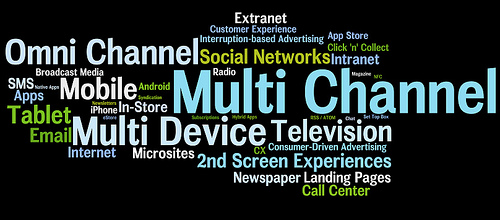
We have many ways to reach out to our donors – by mail, email, social media, and phone calls. But your fundraising campaign will be more effective if you use a combination of these.

Some donors may respond to your direct mail piece but donate online. Others will see your email message but prefer to send a check. Some donors will respond to the first appeal while others need a few reminders. This is why you need a multi-channel campaign.

BEFORE YOU START

Clean up your mailing lists

If you haven’t already done so, clean up and organize your mailing lists.

Make it easy to donate online

You must have a donation page that’s engaging and easy to use. Test all links in email messages and social media posts. The last thing you want is a donor contacting you about a broken link or have to hunt around on your website for a link to your donation page.

When you’re ready to launch your campaign, include a blurb on your homepage that your appeal is underway. Make sure your donate button is in a prominent place.

Consistency is key

Your messages need to be consistent across channels. Use the same story and call to action in direct mail, email, and on your website.

Everything you send needs to look like it’s coming from the same organization.

Which channels do your donors use?

Don’t spend a lot of time on channels your donors aren’t using. Figure out in advance where you want to focus your efforts.

SAMPLE SCHEDULE AND STRATEGY

Come up with a schedule of when the appeals will go out. I’ve created a sample schedule below. Of course, you can adjust the timeframe as needed.

October 21

Give your supporters a heads up by email and social media. Let them know your year-end appeal is underway and they should receive a letter from you soon. Encourage them to donate online right now. This means your donation page needs to be in great shape.

Week of October 26

Mail your appeal letter.

Week of November 2

Start sending follow-up reminders via email and social media. If possible, don’t send reminders to people who have already donated. Otherwise, be sure to thank your recent donors. You can even phrase your reminders as more of a thank you or an update.

Thanks so much to all of you who donated to our year-end appeal. We’re almost halfway to our goal. If you haven’t donated yet, please help us out today by visiting our website (include a link to your donation page) or sending us a check (provide address). 

Week of November 9

Send out another reminder. Your donors are busy and may need a gentle prompt.  Keep it positive. Don’t make your donors feel bad about not donating yet.

Week of November 16

Start making reminder calls. If time is an issue, you could just call people who have donated before. That’s probably most effective.

Week of November 23

Send a Happy Thanksgiving message along with a friendly reminder. Share a success story in your appeal.

Week of November 30

December 1 is #GivingTuesday so you could tie that into your reminder.

The rest of December and beyond

Keep sending reminders throughout December. It’s tricky because you want to get your message across without being annoying.  Be sure to keep sending your newsletter and other updates. You don’t want the only messages your donors receive to be fundraising appeals.

The end of December is the busiest time of the fundraising season.  Network for Good recommends sending an email reminder on December 23, 29 or 30, and 31. This is especially relevant if your fiscal year ends on December 31 or your donor wants to give before the end of the calendar year.

Look to see who hasn’t contributed yet. Concentrate on people who are most likely to donate, such as past donors.  You may need to send another mailing to donors who don’t use electronic communication. Also, keep track of how many donors come through each channel.

We live in a multi-channel world. Take time to plan your strategy to ensure a successful year-end campaign.

Here’s a great resource to help you with your multi-channel fundraising.

Multi-Channel Fundraising Campaign Worksheet

Image by Daniel Iverson

Roll Out the Red Carpet for Your New Donors

6895820769_201c897309_z

Did you know that approximately 70% of first-time donors don’t make a second gift? This has to stop. We can do better a better job of keeping our donors. Here’s how.

Do something special for your current first-time donors

Before your next big appeal, make a point to send your first-time donors a short thank you email, postcard, or note card in which you shower them with appreciation and give a specific example of how their support is helping you make difference.

Of course, you should continue to stay connected to all your supporters by showing gratitude and sharing accomplishments.

Create a welcome plan

Your first step after you receive a donation is to thank your donors within 48 hours, preferably with a handwritten note or phone call. Don’t send a boring, generic thank you letter. Take time to create an awesome thank you. Don’t Treat Thanking Your Donors as an Afterthought

Research by fundraising expert Penelope Burk states that first-time donors who receive a thank you call are more likely to donate again and give at a higher level the next year. Get a group of board members and other enthusiastic volunteers to call your new donors, or send them a handwritten thank you card.

*Make sure these are actually new donors. A good database will help you avoid any snafus.*

A week or two after the initial thank you, send out a welcome package. You can do this by mail, email, or a combination of both.

Welcome your new donors. Thank them again and show them other ways they can connect with you. Invite them to subscribe to your newsletter and join you on social media.

Your welcome package can include a warm introductory message and a brochure or fact sheet. You could also direct people to your website for more information about your organization.

Be careful about how much information you send. Donors want to feel welcome not overwhelmed.

I don’t recommend sending unsolicited swag. You could offer your new donors a gift and they can let you know if they want to receive it, but it’s not necessary.

What donors really want from you is to know how they’re helping you make a difference.

New Donor Welcome Kits | Your Next Gift Strategy

How Welcoming is Your Welcome Package?

5 Ways to Wow with Welcome Packs

Who are your new donors?

They could be event attendees, volunteers,or newsletter subscribers. If you know, refer to that in your thank you note or phone call. If not, send a short survey with your welcome package and ask, “How did you hear about us?”

Another question to ask is whether your donors prefer print or electronic communication. Short surveys are also a good way to connect throughout the year. The more you know about your donors the easier it will be to communicate with them.

Keep spreading the love

Keep reaching out to your donors – at least once or twice a month. Show appreciation and update them on your success.

Think of other ways to do something special for your new donors, such as offering tours of your facility or holding an open house.

A huge factor in donor retention is a good donor relations plan that you will carry out regularly as long as your donors support you, which hopefully will be for many years.

Let’s keep working on bringing up those retention rates.  In my next post, I’ll share some ideas to help you keep your longer-term donors.

Show Appreciation by Holding an Open House

3279816851_37636b4b1d_z

Are you thanking your donors all year round?  One special way to show appreciation is to hold an open house at your organization. If you can’t hold one on site, have it at a restaurant or other venue.  You may be able to find someone to donate space.

Invite other supporters, too

You could just have an event for donors, but why not invite other supporters such as event attendees, email subscribers and social media followers? This could be a great way to convert these supporters into donors. Also, encourage donors to bring a friend.

Coordinate it with your year-end appeal

Depending on your resources, you may only be able to hold one open house a year.  If you can hold more, that’s great.

A good time to have your open house is before you launch your year-end appeal, so you could hold one sometime between mid-September and early November.

Another option is spring, if you have an appeal then, or you could make it a thank you event.  Winter is tricky, unless you’re fortunate to live somewhere where it doesn’t snow.  July and August are also problematic since that’s vacation time.

Whenever you decide to hold your open house, don’t ask for money at this event.

Keep it informal

No three-course dinners and speeches that drone on.  Hold a gathering where your supporters can drop in after work, and serve something to eat and drink. You may be able to get food and beverages donated or find a sponsor.

Have a brief program.  You could show a video and/or let a client share his/her story. Your executive director or board chair should thank your guests and share some accomplishments and plans for the future.  Again, keep it brief. You don’t want anyone running out the door.

Create some photo displays and have literature available. You could also show a video on a laptop. Offer tours, if that makes sense.

Let your donors and other supporters see the heart and soul of your organization.

Get your board involved

You must have a good turnout from your board. Encourage board members to invite friends and other potential prospects.

Make everyone feel welcome

Don’t stand in the corner talking to your co-workers.  Your staff and board needs to mingle with your guests and make them feel welcome.

You may need to go over your organization’s talking points and brush up on your elevator pitches, so everyone is prepared to talk about what you do and answer questions.

How to Get Everyone in your Organization on the Same Page

Don’t let them get away

Anyone who has taken time out of his/her busy schedule to attend your open house needs to be showered with love.

Collect names and addresses of people who attended and send a thank you note right away. Don’t ask for money (that comes later).

When you do send your next appeal, include a sentence that says, “It was great to see you at our open house.”

Not all your donors will attend your open house,but will appreciate the invitation. Donors and other supporters who do come are showing you they’re interested in your organization.  Keep cultivating them.  This will help ensure they’ll continue to support you.

Your Year-End Appeal Checklist

7909815570_701bb1f17b_m

This summer is flying by and September will be here before you know it. Fall is a busy time, especially if you’re doing a year-end appeal.

Many nonprofits rely on their year-end appeal for a good portion of their revenue.  Even though your mind may be focused on going to the beach and eating ice cream, you want to start planning your year-end appeal now.  Here’s a checklist to help you get started. Of course you can use this any time you run a fundraising campaign.

How much money do you need to raise?

You may have already set a goal in your 2015 fundraising plan (at least I hope you did) and perhaps you need to revise that goal.  If you haven’t set a goal, determine how much money you need to raise before you start your campaign.

Do you have a plan?

Put together a plan for your appeal that includes a timeline, task list, and the different channels you will use.  Make it as detailed as possible.

When do you want to send your appeal? In the beginning of November?  Figure out what you need to get done and how long it will take. You may need to recruit extra volunteers or get your materials to a mail house.

Are your mailing lists in good shape?

Make sure your postal and email mailing lists are up-to-date.  Check for duplicate addresses and typos. Your donors don’t want to receive three letters at the same time or have their names misspelled. Also, segment your lists – current donors, lapsed donors, event attendees, etc.

Do you have a good story and photo to share?

Find a good story for your year-end appeal. You’ll want some engaging photos for your letter and donation page, too.  Quotes from clients will also enhance your appeal.

Why You Need to Tell Your Stories

Get Noticed in an Instant With a Visual Story

How did your donors help you make a difference?

Your appeal letter should highlight some of the year’s accomplishments and state what you plan to do next year. For example, let’s say you run an afterschool program for high school students. Share your success of reaching your goal of serving X number of students. Next year you’d like to expand and serve middle school students, as well.

Focus on the people you serve and show how your donors are helping you make a difference.

Do you have enough letterhead, envelopes, and stamps?

Don’t wait until the end of October to check your supply of letterhead and envelopes.  Make sure you have enough. Perhaps you want to create a special outer envelope.

Even though many people donate online, you want to make it easy for donors who prefer to mail a check. Include a pledge envelope or a return envelope and a preprinted form with the donor’s contact information and the amount of last year’s gift.

Stamps are more personal, so you might want get some nice ones to use.

Is it easy to donate online?

Be sure your donation page is user-friendly and consistent with your other fundraising materials.  Highlight your year-end appeal on your home page and include a prominent Donate Now button.

You could set up a special page for your year-end appeal.

The Top 10 Most Effective Donation Form Optimizations You Can Make

Set Up a Customized Donation Page

While you are at it, check your website for out-of-date information and broken links.

Does Your Website Need a Tune Up?

How does a donation help the people you serve?

Create a set of giving levels and let your donors know how their gift will help. Here’s an example.

Do you have an incentive to entice donors to give a larger gift?

Instead of premiums, see if you can find a major donor who will match any upgrades.  I know of an organization that also uses this as an incentive to get new donors.

Boost Your Fundraising Results With a Match From a Major Donor

Do you offer a monthly or recurring giving option?

Monthly or recurring giving is another way to get a larger gift. Some people might balk at donating $100 or more, but if you present it as $10 a month ($120 a year!), it sounds more feasible.

How will you thank your donors?

This is so important. Spend as much time on your thank you letter/note as you do on your appeal. You need to thank your donors as soon as you receive their gifts.

Handwritten notes and phone calls are much better than a pre-printed letter. Now is a good time to create or buy some thank you cards, as well as find board members and volunteers to make thank you calls or write notes.

Don’t Treat Thanking Your Donors as an Afterthought

How are you showing the love?

I know this is a busy time, but don’t skimp on your donor communication.  Keep engaging your donors and other supporters (who may become donors) by sharing success stories and gratitude. Go the extra mile and create a thank you video or hold an informal open house.

How are you preparing for your year-end appeal?

Image by Backdoor Survival

Don’t Treat Thanking Your Donors as an Afterthought

f4121-4759535950_7bca6684c8

This post is included in the July Nonprofit Blog Carnival 18 End-of-Year Fundraising Tips

Summer is in full swing, but fall is just around the corner.  Many of you may be starting to work on your year-end appeal, but have you given any thought to how you will thank your donors?

Thanking your donors is just as important as your appeal.  Here’s how can give your donors a great thank you experience.

Make a good first impression with your thank you landing page

Many people donate online now, and your landing page is your first chance to say thank you.  It should be personal and not have all the charm of a Home Depot receipt.

Open with Thank you, Jean! or You’re amazing!  Include an engaging photo or video and a short, easy to understand description of how the donation will help the people you serve.  Put all the tax deductable information after your message or in the automatically generated thank you email.

6 Fresh Ideas for Your Nonprofit’s “Thank You” Landing Page

If you use a third-party giving site, you might be able to customize the landing page. If not, follow up with a personal thank you email message within 48 hours.

Robots don’t make good writers

Set up an automatic email to go out after someone donates online. This will let your donor know that you received her donation and it didn’t get lost in cyberspace.

Be sure it’s warm and personal.  Just because your thank you email is automatically generated, doesn’t mean it needs to sound like it was written by a robot.

You’ve only just begun

I’m a firm believer that even if someone donates online he should receive a thank you card, letter, or phone call within 48 hours.

Stand out with a handwritten note

You can make your donor’s day by sending a handwritten thank you note. Personal mail is so rare, and your card will stand out.

Now is a good time to create some thank you cards.  One idea is to use a picture of a client or group of clients holding a thank you sign. 58742420_459d268c5e_z If cost is an issue, you could get the cards donated.

Writing cards will take more time, so you’ll need to plan ahead. Craft a sample note; recruit staff, board members, volunteers, and clients to help write cards; and hold thank you writing parties immediately after you send an appeal.

Phone calls make a difference, too

You can do the same thing with thank you phone calls.  Create a sample script, recruit people to make calls, and hold thankathons after your appeal.

Create an awesome letter

If it’s impossible to write cards or make phone calls, then send an awesome letter.

This means something personal and conversational.  Leave out vague jargon such as at-risk or underserved. Recognize past gifts and upgrades, and give a specific example of how the donation will make a difference. Something like this.

Dear David,

Thanks to your generous donation of $75,we can provide a family with a week’s worth of groceries. 

Thank you for being a longtime donor!

Here are some more examples.

5 Thank You Letters Donors Will Love

How to Craft a Killer Thank You Letter

Creating More Donor-Centered Thank You Letters: One Nonprofit’s Success

Make your new donors feel welcome

Approximately 70% of first-time donors don’t give a second gift. We need to change that.

Start thinking about creating a welcome package for your new donors. A week or so after you mail a thank you note/letter, send something in the mail or by email, if money is tight.

New Donor Welcome Kits | Your Next Gift Strategy

How Welcoming is Your Welcome Package?

It’s all about relationships

Keep in touch now and throughout the fall, so you stay on your donors’ radar. Then continue to thank your donors all-year round.

Why You Need a Thank You Plan

As you you prepare for your year-end appeal, please don’t treat thanking your donors as an afterthought.

Image by Woodley Wonderworks

How to Get Everyone in your Organization on the Same Page

5099718716_2f066cebc7_zWhat would happen if you got your staff or board together and asked them to give a short description of what your organization does? Would you get 20 different answers?

Now take a look at some of your communication materials – fundraising letters, thank you letters, website etc. Are your messages consistent in all your materials?

Inconsistent messages are fairly common among nonprofits, but don’t worry, it’s something you can fix.

Create a message platform

Putting together a set of clear, consistent messages, also known as a message platform, is a good project for you to do this summer.

Now whenever you create a fundraising letter or content for your website, you can draw material from this set of messages.

Having a consistent set of messages is essential when you have more than one person writing for your organization and as new staff or volunteers come on board. All your materials need continuity and a single voice.

Everyone in your organization – staff, board, volunteers – is a message ambassador, and needs to be involved. Although, that doesn’t mean they should be involved in every step of the process.  Your best bet is to have a small group – marketing staff and board members with marketing experience – put together the message platform.

You may want to get some initial input from staff and board. Ask everyone a few key questions, such as:

  • Who is your target audience? You may need to cater different messages to different audiences.
  • What is important to them?

As you create your positioning statement and talking points, ask:

  • Who are you?
  • What do you do?
  • How do you do it?
  • Why is it important?
  • What makes your organization unique?
  • How are you making a difference for the people you serve and in the community?
  • What do you want to achieve?

Keep it simple

This may sound obvious, but your goal is to make sure your reader understands your messages. Your messages should be clear and specific.  Sometimes they’ll include a call to action. Write in a conversational style and steer clear of jargon. Create a Jargon-Free Zone  Most people respond better to a human interest story than a lot of statistics.

Your messages should not say something like – We make a difference for at-risk students. Instead, say Our volunteer tutors help students boost their reading and math skills so they’ll have a better chance of getting into college.

Use language your donors will understand

Have someone outside your organization, a friend or family member, look at your messages. Something that’s clear to you may be confusing to others.

Stay consistent with a style guide

Continuing on the theme of consistency, I strongly recommend putting together a style guide. Create a Style Guide for Your Organization

Get everyone on the same page

When you’ve finished putting together your message platform, introduce it to the rest of your organization.  Check in periodically to make sure everyone stays on the same page.

Here is some more information to help to you create a message platform.

Putting nonprofit key messages to work

Getting to Aha! The Nonprofit Marketer’s Top Challenge

Photo by David Dugdale – http://www.learningvideo.com

Are You on the Road to Improvement?

6797562607_56c90d35e9_z

At the end of last year, I recommended Five Ways to Improve Your Fundraising and Communications in 2015

Now that we’re almost halfway through the year, let’s revisit this list and see how you’re doing. I’ll also share ways you can continue on this path throughout the summer and into the fall.

Tell stories

Are you telling your stories?  Summer is a good time to share a success story or update.  You can do this in your newsletter, in a postcard, by email, on social media, or a combination of these.

In addition, take time this summer to put together some stories for your year-end appeals and thank you letters.

Create a memorable thank you experience

Speaking of thank yous, did you give your donors a memorable thank you experience after your last appeal, and do you thank them regularly?

Send a special thank you message to your donors this summer. You could combine it with your success story/update (see above).

Then take a look at thank you letters from your past appeals. Are they dry as dust and open with the usual On behalf of X organization, we thank you…Or do they shine with You’re amazing or Thanks to You!  Work on sprucing up your thank you landing page and email response, too.

Keep thanking your donors throughout the year. This needs to be a priority.

Be donor-centered

Do your donor communications focus on how your donors are helping you make a difference for the people you serve, or are you bragging about how great your organization is?

Before you send your special thank you update this summer, check to make sure it’s donor-centered.  Is it focused on them and are you sharing something that will interest your donors?

Then work on making your appeal letters and thank you messages donor-centered.   Are you telling your donors how they are helping you make a difference?

Pay attention to your donor data

Has it been awhile since you’ve even looked at your donor database?  Summer is a great time to go through your database and make any additions, deletions, and corrections.  Don’t wait until a week before your next appeal is scheduled to go out.

I know this is tedious, but your donors don’t want to see their names misspelled or receive duplicate mailings.

Also, segment your donors (new donors, repeat donors, lapsed donors, event attendees etc) and start working on targeted appeal letters.

Nix the swag and premiums

We all want donors to upgrade their gifts or give at a higher level, but don’t use swag or premiums as an incentive.

Here’s a better idea from my local community foundation.  They found an anonymous donor who matched all new donations and any increases in giving from the previous year.

You also want donors to give because they care about your organization, not because they want a coffee mug.  If you can’t find a matching donor, spend some time this summer nurturing your donors (e.g. the thank you update), so they’ll be more inclined to give a larger gift.

I hope you’re on the road to improvement. I’ll continue to share more ideas throughout the summer to help you get ready for year-end.

Photo by Cristian M. Mormoloc

How You Can Print and Mail Without Breaking Your Budget

7932571974_aebaea40d8_z

In my last post I wrote about Why You Shouldn’t Give Up on Direct Mail Some nonprofit organizations try to save money by cutting back on printing and mailing, but that could be a mistake if your donors prefer to hear from you by mail.

Printing and mailing also takes more time, which is challenging, especially if you have a small staff.

What can you do?  Here are some suggestions.

Be smart

First, figure out what you should print and mail.  I recommend mailing at least four pieces a year.  Otherwise you’ll miss reaching donors who don’t or rarely use electronic channels.

In addition, be smart about what you send and who you send it to. If your fundraising letter isn’t generating the revenue you want, you might need to improve the content. You may also be sending it to a weak audience.

Clean up your lists before your next mailing,  Check for duplicate and returned addresses.  Segment your lists, too.  For example, only send your print newsletter to donors or take out lapsed donors and send them a targeted appeal.

Here’s an extreme example of a direct mail fail. Comcast Direct Mail Fail

Increase your printing and mailing budget

Can you budget more for printing and mailing?  This is often not as much of a priority as it should be.

If you can’t increase your current budget, find additional sources of unrestricted funding to cover these costs.

DIY

With a good color printer and the right software, you can produce materials in house. Be sure they look professional.

Find a sponsor

You could get a print shop to do your invitations or annual report pro bono.  It’s good publicity for them.

You often get sponsors for an event. Have a sponsor cover the cost of the invitations, as well.

Put a donation envelope in your print newsletter

You might recoup the cost of the mailing, as well as raise additional revenue.  Here’s what fundraising expert Tom Ahern recommends for your print newsletter. The Domain Formula for donor newsletters

Less is more

Your donors are busy and won’t have time to read long pieces. Shorter is better, both to capture your donor’s attention and to save on printing and mailing costs.  Stick to four pages max.

Use discounted mailing options

You may be eligible for special nonprofit rates. Special Prices for Nonprofit Mailers You could use standard or bulk mail for items that aren’t as time sensitive, such as newsletters or annual reports. Factor in how long it will take to mail, so your summer newsletter doesn’t arrive in October.  Only use first class mail for appeal letters and thank you letters.

Recruit volunteers and other staff to help with mailings

Just make sure they do quality work and don’t slap on crooked mailing labels or write illegible thank you notes.

It’s possible to print and mail without breaking your budget.  It does take some planning and prioritizing, but it should pay off if it allows you to connect with more donors.

Photo by Chris Potter at www.stockmonkeys.com

Make Spring Relationship Building Season

15089525900_d3b2ebf1a2_z

This may or may not be a busy time for your organization. Some organizations do fundraising appeals or hold events in the spring. Others don’t. Either way, you should make spring relationship building season.

Of course, relationship building needs to be a year-round effort.  Donor relations is an important, but often overlooked, component of fundraising.  It’s easier and less expensive to keep your current donors.  Retention rates are getting better, but we still have a long way to go.

Put relationship building front and center this spring.

Find ways to build relationships in your spring fundraising campaign

Before you send your spring fundraising appeal, send your donors an update to let them know how they’re helping you make a difference.  This is especially important if this is not your only fundraising campaign of the year. You don’t want your donors to think the only time they hear from you is when you’re asking for money.

Be sure to segment your donors and personalize your appeal letters and thank you letters. Send welcome packets to new donors and shower your current donors with love.  Make a plan to stay in touch throughout the year.

Don’t miss out on opportunities to build relationships with your event attendees

When you hold an event, give your attendees an opportunity to sign up for your mailing list. Then call or send thank you notes afterwards.  Recruit volunteers and board members to help you with this.

Besides thanking people for attending your event, let them know how much money you raised, and share specific ways their support is helping you make a difference. Then invite these supporters to connect in other ways such as signing up to receive your newsletter or volunteering.

The same thing applies if you hold a charity run or walkathon.  These events often generate new donors. Someone might donate to your 10K because her friend is running in it.  Thank everyone who donated and invite them to be a part of your community.

Stay in touch. Event attendees can be potential individual donors if you give them a good reason to continue to support you.

Keep building relationships

Even if you aren’t planning a spring fundraising drive or event, this is a good time to continue to build relationships.  Plan to mail a thank you post card or short update.  Mail is generally better than email, because your donors are more likely to see your message, but if your budget doesn’t allow it, send something by email.

Practice your ABC’s – Always be connecting

Ideally, you should keep touch with your donors every one to two weeks.  You can do this with newsletters, updates, thank you messages, advocacy alerts, and surveys.  You’ll have a better chance of building relationships if you stay donor-centered and use channels your donors prefer.

If this sounds too stressful, use a communications calendar to help you stay connected and build relationships. Stay Connected Throughout the Year by Using a Communications Calendar

Never miss an opportunity to build relationships with your donors.

What’s Important to You – Cash, or Relationships with Donors?

Why You Need a Thank You Plan

58742420_459d268c5e_z

This post is included in 16+ ways to say thank you better: September 2015 Nonprofit Blog Carnival

You probably have a fundraising plan and maybe a donor relations plan, but it’s also important to have a thank you plan since you should spend just as much time thanking your donors as you do raising money.

This isn’t happening. Nonprofit organizations spend a lot of time on their fundraising campaigns, but treat thanking donors as an afterthought. According to Bloomerang, 13% of donors leave because they were never thanked. Another 18% leave because of poor communication. Why Donors Leave

We can fix this! CrGuestPost-Jay-Love-Why-Donors-Stop-Their-Supporteating a thank you plan will help you stay focused on gratitude all year round.  Here’s what you need to include in your thank you plan.

Plan to thank your donors right away

Every donor, no matter how much they’ve given or whether they donated online, gets a thank you card or letter mailed to them or receives a phone call.

Try to thank your donors within 48 hours. This shouldn’t be hard to do if you plan to carve out some time to thank your donors each day you get a donation. Get other staff or volunteers to help you.

Plan to go beyond sending a boring thank you letter

Instead of sending a generic thank you letter, mail a handwritten card or call your donors. Calling your donors to thank them is something your board can do. It’s often a welcome surprise and can raise retention rates among first-time donors.

Find board members, staff, and volunteers to make phone calls or write thank you notes. Come up with sample scripts. You may also want to conduct a short training. Make sure to get your team together well before your next fundraising campaign.

Here’s a sample phone script, which you can modify for a thank you note.

Hi, this is Susan Jones and I’m a board member at the Eastside Community Food Bank. I’m calling to thank you for your generous donation of $50. Thanks to you, we can provide a family with a week’s worth of groceries. This is great. We’re seeing more people coming in right now because of cuts to food stamp programs. We really appreciate your support.

If you can’t send handwritten cards or call all your donors, send them a personal and heartfelt letter. Don’t start your letter with “On behalf of X organization we thank you for your donation of….” Open the letter with “You’re amazing” or “Because of you, Jason won’t go to bed hungry tonight.”

Add a personal handwritten note to the letter, preferably something that pertains to that particular donor. For example, if the donor has given before or attended one of your recent events, mention that. Make sure all letters are hand signed.

Let your donors know how much you appreciate them and highlight what your organization is doing with their donation.

In addition, write your thank you letters at the same time you write your appeal letters.  Make sure they’re ready to go as soon as the donations come in.

Plan to keep thanking your donors all year round

Use your communications calendar to incorporate ways to thank your donors. Try to say thank you at least once a month. Here are some ways to do that.

  • Send cards or email messages at Thanksgiving, during the holidays, Valentine’s Day, or mix it up a little and send a note of gratitude in June or September when your donors won’t be expecting it. Try to send at least one or two gratitude messages a year by mail, since your donors will be more likely to see those.
  • Invite your donors to connect with you via email and social media. Keep them updated with accomplishments and success stories. Making all your communications donor-centered will help convey an attitude of gratitude. Be sure to keep thanking your donors in your newsletter and social media updates. Emphasize that you wouldn’t be able to do the work you do without your donors’ support.
  • Create a thank you video and share it on your website, by email, and on social media.
  • Hold an open house at your organization or offer tours so your donors can see your nonprofit up close and personal.
  • Keep thinking of other ways to thank your donors.

Creating a thank you plan will make it easier to keep showing appreciation to your donors all year round. If you treat them well, maybe they’ll treat you well the next time you send a fundraising appeal.

Gratitude resources

Inspiring Quotes About Gratitude

Create a Thank You Experience for Your Donors

The Power of Gratitude

Nine Clever Ways to Thank Your Donors

5 Thank You Letters Donors Will Love

Photo by Shih-Chieh Li