Make a Smart Investment

4622769282_03b9ffa37f_m

Many nonprofits, especially small ones, are working with limited resources (money, staff, time). I know how hard that is and your default mode may be to say we can’t afford to do this.  

Be careful. What are you saying you can’t afford to do? It may be something you should be doing.

Here are a couple of areas you may be neglecting that I believe you can’t afford not to invest in. You’ll need to spend some money up front, but it will pay off in the long run.

Invest in a good database

If you’re using Excel instead of a database because it’s free, stop doing that. A spreadsheet is not a database. Your Worst Fundraising Enemy

A good database won’t be free, but there are affordable options for small organizations. Compare Non-Profit Software  You don’t want to limit yourself by choosing a database that can only hold a certain number of records or can only be used on one computer because you don’t want to pay for additional licenses.

A good database can help you raise more money. You can segment your donors by amount and politely ask them to give a little more in your next appeal – $35 or $50 instead of $25.

A good database can help you with retention, which will save you money since it costs less to keep donors than to acquire new ones. You can personalize your letters and email messages. No more Dear Friend. You can welcome new donors and thank donors for their previous support. You can send targeted mailings to lapsed donors to try to woo them back. You can record any personal information, such as conversations you had with a donor and their areas of interest.

Don’t cut corners when it comes to your donor data. You can’t afford to do that.

Invest in direct mail

If you never or rarely use direct mail, you’re missing out on an effective and more personal way to communicate with your donors. Think of the immense amount of email and social media posts you receive as opposed to postal mail. Your donors will be more likely to see your messages if you send them by mail.

If money is tight, you don’t have to mail that often. Quality is more important than quantity but aim for at least four times a year.

Put some thought into what you send. Some ideas, besides appeal letters, include thank you cards; Thanksgiving, holiday, or Valentine’s Day cards; infographic postcards; and two to four-page newsletters and annual/progress reports. Make everything donor-centered like the examples in this post. Your Donors Are Your Partners  You could put a donation envelope in your newsletter to raise some additional revenue, but don’t put one in a thank you or holiday card.

Shorter is better. Lengthy communication will cost more and your donors are less likely to read it.

A few ways you can use direct mail without breaking your budget are to clean up your mailing lists to avoid costly duplicate mailings, spread thank you mailings throughout the year – perhaps to a small number of donors each month, and look into special nonprofit mailing rates. You may also be able to get print materials done pro bono or do them in-house, as long as they look professional.

Of course, you can use email and social media, but your primary reason for communicating that way shouldn’t be because it’s cheaper. It should be because that’s what your donors use. If your donors prefer to communicate by mail, then you should too.

Invest in donor communications

Here’s some great wisdom from Tom Ahern If you do better donor-communications, you’ll have more money  This means thanking your donors and keeping in touch with them throughout the year.

Communication budgets often get the short shrift but creating thank you cards and infographic postcards are a smart investment. Perhaps you need to reallocate your budget to cover some of these expenses. You could also look into additional sources of unrestricted funding.

If you think you don’t have enough time or staff to send thank you cards, then call up your thank you army, which can include board members, volunteers, and all staff.

Don’t limit yourself by saying you can’t afford to do something important. If you invest in a good database, direct mail, and donor communications, you should be able to raise more money.


Raising Awareness is Not a Goal

IMG_0809

When you’re putting together your marketing and communications plans, do you include raising awareness as one of your goals? If you do, that’s a problem because raising awareness is not a goal. Raising awareness isn’t necessarily bad. Instead of a goal, think of it as a first step.

Shouting in the wind

Nonprofit consultant Nell Eddington makes this important point “When you attempt to “raise awareness” without a specific and targeted strategy, you are just shouting in the wind.” What Nonprofits Don’t Get About Marketing

Why do you want to raise awareness?

Organizations will say they want people to find out about them or their cause, but why do you want that? Do you want people to donate, volunteer, or contact their legislators? Just knowing about your organization or your cause isn’t enough. You need a call to action.

Raising awareness is not an effective way to fundraise. In this Boston Globe Magazine article We’re all aware of autism; now let’s do something radical by Alysia Abbott, Abbott is trying to make a purchase at a store. While ringing up the sale, the cashier says, “April is Autism Awareness Month. Would you like to make a donation to Autism Speaks?” Not a compelling fundraising pitch. Besides, Abbott is well aware of autism, since her 8-year old son, who is with her at the store, is autistic. Her main concern is to make her purchase and get her “son out of here before he tears apart your store.”

Taking the next steps

Raising awareness doesn’t mean bombarding people with facts and statistics. I learned a lot from Abbott’s story. She offers suggestions of ways to help families who live with autism, ranging from giving encouragement to parents with autistic children to making a donation to an organization that provides service dogs for autistic children and volunteering to become autism buddy.

This what you need to do. Tell a story that will encourage people to take action.

The perils of an awareness month

In this Fundraising is Beautiful podcast The upsides and downsides of holiday-based fundraising, Jeff Brooks and Steven Screen also make the argument that awareness days/months don’t mean that much to donors. The same goes for most holidays, your organization’s anniversary, and that’s it’s your annual appeal.

Donors want you to show them how they can help you make a difference and you don’t need an awareness month to do that.

More doesn’t equal better

It’s tempting to say we want more people to find out about us, but not everyone will be interested in what you do. Your Audience Isn’t Everyone  Press coverage may not help you as much as you’d like. Reach out to people you know will be interested.

Awareness + Call to Action

Don’t get caught in the raising awareness trap. If there’s an awareness month related to your cause, yes, you can acknowledge that, but follow it up with a clear call to action.


Your Donors Are Your Partners

4768541428_58be55db44_m

Your donors are not ATM machines and people you only communicate with when you need money. They are your partners and you can’t do your work without them.

Seeing your donors as your partners will help you with your donor relations and donor communication. Always keep your donor in mind.

Show your donors how they’re helping you make a difference

I recently received a Donor Impact Report from Project Bread, an organization that’s working to end hunger. I thought this four-page report did a great job of showing donors how they’re the organization’s partners. The report was filled with donor-centered language such as:

For our generous supporters who make our work possible – a closer look at your dollars at work.

Thanks to you, children are receiving the nutrition they need to succeed in the classroom and beyond.

You help children rise and shine.

Your support puts Chefs in Schools and Chefs in Head Start on the map.

You help us nourish healthy bodies and healthy minds.

You help us foster healthy eating habits to last a lifetime.

This is so much better than a bunch of boring facts and statistics or the usual “look how great we are.”

You is glue

Fundraising expert Tom Ahern came up with the phrase – You is glue. Remember this every time you communicate with your donors. So many appeal letters, thank you letters, newsletter articles, etc. come across as distant and impersonal and don’t consider the donor at all.

Always write to the donor and before you send that message, give it the you test.

Be a good partner

A partnership is a two-way street. Your donors have demonstrated their commitment to you by supporting your organization. You can return the favor with thank you letters that pour on the gratitude. Stay in touch with newsletters and “impact reports” such as the one I highlighted above.  I’m not crazy about the term Donor Impact Report because I think it sounds jargony. I do like the concept though, and you could call it something else such as a Gratitude Report or a Making a Difference Report.

Being a good partner means thinking of your donors first. Share information they’ll be interested in. Project Bread’s report included several success stories. Donors want to hear about the people they’re helping.

Your print newsletters and annual reports should be no more than four pages. Some of the examples I cited above are headlines, so busy donors can scan the report and quickly see the you-centered language even if they don’t have time to read the whole thing.

Being a good partner also means communicating via the same channels your donors use. Your donors will be more likely to see something that comes in the mail. If four-page mailers aren’t viable, you could send an oversized postcard. Of course, you can also use email and social media, but try to send updates by mail a few times a year.

A long-term partnership

You want your partnership with your donors to last a long time. This isn’t happening as retention rates continue to plummet. Seeing your donors as partners that you welcome when they first donate and then continue to show appreciation to and stay in touch with over time will help.


Your Audience Isn’t Everyone

6176869823_24ce5f0158_m

The board chair at a place where I used to work would often say, “We need more people to know about us.” Does that sound familiar? It’s tempting to cast a wide net so as many people as possible can find out about your organization, but that’s not a good strategy.

Not everyone is interested in your organization and that’s okay. The key is to find people who are interested in what you do and keep them interested.

Who is your audience?

You already have a core group of donors and other supporters, but how well do you know them?  You could send them a short survey asking them why they donate, what issues are important to them, and how they like to communicate (by mail, email, or both). Another idea is to put a poll in your e-newsletter to find out their favorite article.

While surveys are a great way to connect, not everyone is going to respond to them. Another tactic to try is to create donor personas. You can use your database to figure out vital information and/or interview a few donors.

Your database also comes in handy because you want to segment your donors  – first-time donors, long-term donors, monthly donors, etc –  so you can personalize their communication as much as possible.

You can also create personas to help you recruit volunteers.

What does your audience like?

Now that you’ve gotten to know your audience, think about what they would like. Each time you write an appeal letter, thank you letter, newsletter article, etc, keep your donor/audience in mind. What are their interests? What will capture their attention, make them read more, and take action?  Remember, you are not your donor/audience. The worst mistake you can make in fundraising

If you’ve surveyed your donors about your newsletter, you’ll probably find they like success stories about the people/community you serve and are not so interested in board member profiles.They don’t need to hear you brag about your organization, but they do want to know how their donations are helping you make a difference.

Your donors/audience are busy. They’re not going to have time to weed through a bunch of long-winded messages. Make your point clearly and concisely and leave out the jargon. Make sure people understand what you’re trying to say.

Pay attention to what your audience is doing.

Is your audience paying attention to you?  Are they making donations, opening your email messages, or responding to your social media posts?   

If they’re not paying attention you, it may be because you’re communicating with the wrong audience, your messages don’t interest them, they’re busy, or you’re using the wrong channels.

These are things you can fix. Send the right messages to the right audience using the right channels.

Expanding your reach.

Of course, you’ll want to find new donors and other supporters, but reach out to people who already have a connection with you. New donors could be volunteers, event attendees, newsletter subscribers, social media followers, or friends of board members and other donors. Putting up a billboard on a highway or ad on a subway train won’t get you a lot of new supporters.

The answer to the question How do I ask strangers for money? is you find a connection first. And, keep in mind – your audience isn’t everyone.

Let Go and Freshen Up: Spring Cleaning for Your Nonprofit

The Great Clean-Up

One thing I’ve noticed now that it’s officially spring is the number of articles about spring cleaning and decluttering. For many of us, these types of projects can be overwhelming, especially if we’ve ignored that mutating pile of paperwork or our closets are overflowing with so much stuff we can barely open the door.

As much as I dislike cleaning and organizing, I’m happy once it gets done. Often getting started is the hardest part.

Your nonprofit organization should also do its own version of spring cleaning and decluttering. If you’re feeling reluctant about taking on these so-called cumbersome tasks, just think how happy you’ll be once they get done.

Let’s get started!

Clean up your mailing lists and database

Did you have an influx of address changes, returned mail, and bounced emails after you sent your year-end appeal? This is a good time to clean up and update both your direct mail and email mailing lists.

Don’t wait until right before your next mailing to clean up your donor data. Even though it’s tedious, have someone who’s familiar with your donors (your development director?) go through your mailing lists and database to see if you need to make any additions, changes, and deletions.

Be meticulous. No donor wants to see her name misspelled, be addressed as Mrs. when she prefers Ms., or receive three mailings because you have duplicate records.

Your donor database is an important tool and it needs to be up-to-date and filled with accurate information about your donors.

Letting go

As you clean up your donor database, pay particular attention to your lapsed donors. It may be time to take some of them out of your active donor file. Who are these people?  If they’ve donated in the past, is it likely they’ll donate again? For example, the mother of a former staff member who left five years ago is a good candidate for your inactive file.

Send one more targeted mailing to people who haven’t donated for at least four years. Let them know you miss them and want them back. If you don’t hear anything, let them go. 4 Tips: When to Remove a Lapsed Donor from Your Database

Do the same thing with your email list. It doesn’t make sense to send email to people who don’t respond to it. Give these people a chance to re-engage, and if they’re not even opening your emails, move them to an inactive file. Why Deleting People from Your Email List is a Good Thing

But wait you say, we want as many people in our database and email lists as possible, don’t we?  No, you want people who are still interested your organization. Quality wins over quantity.

You can save money by not mailing to people who aren’t going to support you and aren’t paying attention to you.

Freshen up your messages

Now that you’ve pared down your mailing lists to active donors and supporters, they deserve something good the next time you communicate with them. Will they get that?

Take a good look at your appeal letters, thank you letters, and other content. Have you been using the same stale, old templates for years?  Are your letters all about how great your organization is and filled with jargon?  Are your newsletter articles mind-numbingly boring?

Freshen them up with some donor-centered content. Can Your Organization Pass the Donor-Centered Test?

Don’t put it off too long

Your clutter and dust at home won’t disappear on their own. The longer you ignore it, the worse it gets. The same is true for your nonprofit.

Take on your cleaning and organization projects as soon as you can. You’ll be happy once they’re done.

Enough With the Jargon

14298097970_821a8a132a_m

Nonprofits love their jargon, don’t they?  You see appeal letters, thank you letters, and newsletter articles laced with terms like at-risk youth, underserved communities, leverage, and impactful.

I think people use jargon because it’s an insider language and it makes them feel like they’re “in the know” in their professional world. It’s easy to slip into jargon-mode around the office. But the danger comes when jargon creeps outside of your insular community and into your donor communication.

People need to understand you to connect with you

We can get lazy and use jargon when we can’t think of anything fresh and original. And that’s the problem because jargon is boring and your donors may not understand what you’re trying to say. Your donors don’t use these terms and neither should you.

Jargon fixes

Sometimes you need to give a little more information. For example, instead of just using the term food insecurity, describe a situation where a single mother has to choose between buying groceries and paying the heating bill.

Let’s look at a few more of these problem terms and what you can say instead. You may use some of these terms internally and they might be in your mission statement, but try to limit them when you communicate with donors.

  • At-risk means there’s a possibility something bad will happen. Instead of just saying at-risk students or youth, tell a story or give specific examples of something bad that could happen. Our tutoring program works with high school students who are more likely to fail, be held back, and drop out of school.   
  • Underserved means not receiving adequate help or services. Instead of saying we work with underserved communities, explain what types of services these residents don’t receive. Maybe it’s healthcare, affordable housing, or decent preschool. Tell a story or give a specific example. Linda can’t send her daughter Kyra to a good preschool because there isn’t an affordable one nearby.
  • Impact means having an effect on someone or something. How are you doing that, and why is it important?  Again, give a specific example. Thanks to donors like you, we’ve helped families find affordable housing so they don’t have to live in a shelter, a motel, or their car. Now they have a place to call home. And, let’s please all agree to stop using the word impactful.

Tell a story

This is why stories are so important. You can get beyond that vague, impersonal jargon and let your donors see firsthand how they’re helping you make a difference for the people/community you serve.

What would Aunt Shirley think?

Imagine you’re at a family gathering and you’re explaining what your organization does to Aunt Shirley. Does she look confused and uninterested when you spew out words like underserved and at-risk, or does she want you to tell her more when you mention kids in your tutoring program are doing much better in school?

Let’s stop using jargon when we can use clear, conversational language instead. Here are more examples of cringe-worthy jargon. I’d love to hear some of your pet peeves, as well.

21 irritating jargon phrases, and new clichés you should replace them with

Nonprofit Jargon: 22 Phrases We Love to Hate

24 Words and Phrases It’s Time for Nonprofits to Stop Using

Photo by Wes Schaeffer

You’re Lucky To Have Your Donors

422810636_b02ba5dfed_m

Do your donors know how lucky you feel to have them support your organization? Take time this month to let them know that and keep letting them know that throughout the year. St. Patrick’s Day is coming up so you could use that as a theme.

Luck isn’t everything

Luck isn’t everything, though. You have to work at it. Donors don’t magically keep donating to your organization. In fact, if you ignore them or communicate poorly, they’re unlikely to donate again.

It takes more than leprechauns granting wishes. You need good donor relations. Donor relations should be easier than raising money, and it can be fun, too. But not only do you have to work at it, you need to make it a priority!

New beginnings

If you don’t want to use St.Patrick’s Day as a theme, spring is just around the corner. Spring is a time for new beginnings. Maybe you can share a new initiative that you were able to launch with your donors’ help.

Speaking of new beginnings, think about sending something special to your first-time donors. Let them know how much you appreciate this new relationship. If you don’t, it’s likely to be a short-term relationship.

Also, I bet you can freshen up some of your stale old thank you messages.

Keep donors front and center

You can also send an update emphasizing how your donors are helping you make a difference.

Heifer International does a great job of communicating with their donors. I just received a couple of updates – one by mail, the other by email. They’re filled with donor-centered language such as:

See the progress you made possible!

Ann, An update on Your Gift to Heifer!

You are very much a part of this enterprise.

Read more inside about how your gift promotes strong bodies and minds through nutrition.

THANK YOU!

Many organizations seem to forget about the donor when they communicate. Make your messages stand out with donor-centered language

Keep building relationships

It’s always a good time to build relationships. It’s easy to get complacent right now, especially if you’re between fundraising campaigns or events. Don’t do that. Let your donors know how lucky you are to have them and keep doing that again and again.

Here are a few other themes you can use in March via The Nonprofit Marketing Guide.


Is Your Newsletter Boring?

7949872568_ba8f714d82_m

There’s a good chance the answer to this question is yes. Many nonprofit organizations use a newsletter as a way to engage their donors, but the opposite is happening. That’s because most donor newsletters can be used as a cure for insomnia. They’re too long and filled with articles that brag about how wonderful the organization is.

Don’t worry. You can create an engaging newsletter your donors will want to read. Here’s how.

Think about what your donors want

You may opt not to do a print newsletter because it’s expensive and takes too much time, but you’re making a mistake if many of your donors prefer print.

I think you’ll have more success if you can do both print and electronic newsletters. I recommend a short e-newsletter once or twice a month and one to four print newsletters a year. But ask your donors what they like, and listen to what they say. If a majority of them prefer one over the other, then doing both may not make sense.

You also want to include content that will interest your donors. Do you think they would rather read an article about your CEO receiving an award or one about Jacob acing his math test after his weekly tutoring sessions? The answer should be obvious.

Your donors want to hear how they’re helping you make a difference.

Share stories

Each newsletter needs to begin with a compelling story. Client stories are best, but you could also do profiles of volunteers, board members, and donors. Focus on what drew them to your mission.

Create a story bank that includes at least three client success stories to use every year.

Write to your donors

Write your newsletter in the second person, emphasizing you much more than we. Be personal and conversational. Say – You helped Jacob improve his math skills or Because of donors like you, X number of students are now reading at their grade level or above.

Ditch the jargon and other language your donors won’t understand. Write as if you’re having a conversation with a friend.

I’m not a fan of the letter from the CEO because those tend to be organization-centered instead of donor-centered.  

Say thank you

Never miss an opportunity to thank your donors. Every one of your newsletters needs to show gratitude and emphasize how much you appreciate your donors.

Make it easy to read (and scan)

Most of your donors aren’t going to read your newsletter word for word, especially your e-newsletter. Include enticing headlines and email subject lines, at least a 12-point font, and lots of white space so your donors can easily scan your newsletter.

Stick to black type on a white background as much as possible. Colors are pretty, but not if it’s hindering your donor’s ability to read your newsletter. Photos can be a great way to add color, as well as tell a story in an instant.

Use the inverted pyramid and put the most important story first, keeping in mind your donors may not get to all the articles.

Very important –  make sure your donors can read your e-newsletter on a mobile device.

Short and sweet

Your print newsletter should be no more than four pages. Limit your monthly e-newsletter to four articles. Some organizations send an e-newsletter twice a month. Those should be even shorter – two or three articles.

You may find you have more success with shorter, more frequent email updates.

Send it to the right audience

Fundraising guru Tom Ahern recommends sending your print newsletter only to donors. This can help you keep it donor-centered, as well as cut down on mailing costs.

Send e-newsletters only to people who have signed up for it. They may or may not be donors, but an e-newsletter can also be a good cultivation tool.

Let’s put an end to boring newsletters. Create one your donors will want to read.

Read on for more information about donor newsletters.

Shhh! Secret Formula for Donor Newsletters That Delight

3 Pitfalls of Nonprofit Newsletters and How to Avoid Them

HOW TO CREATE A BETTER NON-PROFIT NEWSLETTER

How to Format Your Nonprofit Newsletter

Photo by Dwight Sipler


Can Your Organization Pass the Donor-Centered Test?

3636017744_11ca3c37f5_m

I recently received a newsletter from an organization that focused mainly on themselves, then their clients, and then barely mentioned their donors. There’s no question this organization does good work, but their newsletter failed the donor-centered test. Unfortunately, they’re not the only guilty culprits.

The term donor-centered is pretty self-explanatory. It means focusing on your donors’ needs and interests, acknowledging them in your letters and other communication, and taking into account that not all donors are the same.

Can your organization pass the donor-centered test? Take a few minutes to find out.

Fundraising Appeals

  • Are your fundraising appeals focused too much on your organization – rambling on about how great you are?  Your organization may be great, but let your donors figure that out. Your donors are the ones who are great, and they want to hear how they can help you make a difference for the people/community you serve.
  • Are your appeals segmented to the appropriate audience? Thank past donors or reference your relationship to a potential donor. Maybe they’re event attendees, volunteers, or friends of board members.
  • Are your appeals addressed to a person and not Dear Friend?
  • Are your appeals vague, impersonal, and filled with jargon your donors won’t understand?  Don’t say we’re helping underserved members of the community. A donor-centered appeal would say something like – With your support, we can help low-income families find affordable housing.
  • Do your appeals make people feel good about donating to your organization?

Thank you letters

  • Do your thank you letters come across as transactional and resemble a receipt? Yes, you need to acknowledge the donation is tax deductible, etc, but most donors are more concerned about how their gift made a difference.
  • Do your thank you letters (or better yet, a handwritten note) shower your donors with love?  Start your letter with You’re amazing or Thanks to You!, and not On behalf of X organization.
  • Are you telling your donors the impact of their gift?  For example – Thanks to your generous donation of $50, a local family can get a box of groceries at the Southside Community Food Bank.
  • Do you recognize each donor?  Is this the first time someone has donated?  If someone donated before, did she increase her gift?  Acknowledge this in your letter/note.

Newsletters

  • Do your newsletters sound self-promotional and focus on all the wonderful things your organization is doing instead of showing your donors how they’re helping you make a difference?
  • Is your newsletter written in the second person?  Write to the donor and use the word you more often than we. How to Perform the “You” Test for Donor-Centered Communications – Do You Pass?  BTW, all your donor communication should be written in the second person. It’s much more personal.
  • Does your newsletter include success stories, engaging photos, and other content your donors want you to share?
  • Are you using the right channels?  Perhaps you only send an e-newsletter, but some of your donors prefer print.
  • Are you showing gratitude to your donors in your newsletter?

Always think of your donors first

Use these test questions on other donor communication such as annual reports (these are rarely donor-centered), your website, and social media posts.

How did you do?

Be sure the messages you send to your donors focuses on them and makes them feel special. Staying donor-centered can help you build relationships and keep your retention rate from plummeting.

Read on for more information on how to be donor-centered.

A donor-centered organization, your donors, & relationship building

How to Create a Donor-Centered Fundraising Letter


How to Create a Better Annual Report

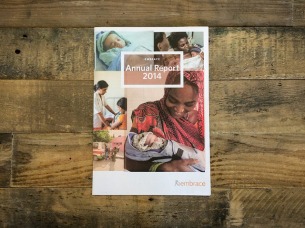
19523182406_27b919a580_zIt’s annual report season, for better or for worse. Often it’s for worse since many of them are long, boring booklets that put your donors to sleep.

You don’t have to do an annual report, but you do need to share accomplishments with your donors. You may opt to nix the annual report and send short progress reports a couple of times a year or monthly e-updates instead.

If you decide to do an annual report, I encourage you to move away from the traditional multi-page one. These take a lot of time to produce and there’s no guarantee your donors will read it. Aim for something no longer than four pages.

Here are a few things to keep in mind to help you create a better annual report.

Your annual report is for your donors

It’s not for your board and you don’t have to do it the same way you’ve always done it – no more massive, boring booklets.

You may want to consider different types of annual reports for different donor groups. You could send an oversized postcard with photos and infographics or a two-page report to most of your donors. Your grant and corporate funders might want more detail, but not 20 pages. See if you can dazzle them with no more than four pages.

One way to shorten your annual report is to not include a donor list. The Annual Report Donor List is a Stupid Waste of Time If you feel you must have one, put it in on your website.

Show your donors how much you appreciate them

Donors want to feel good about giving to your nonprofit. Think of this as a gratitude report.

Focus on thanking your donors for their role in helping you make a difference. Get inspired by some of these examples from Agents of Good. Annual/Gratitude Reports 

How are you making a difference?

The theme of many annual reports is look how great we are. Are You Bragging Too Much?

They also include a bunch of boring lists, such as number of clients served, You need to share specific accomplishments that show how you are making a difference.

Focus on the why and not the what. Something like this – Thanks to you, 85% of the students in our tutoring program are reading at or above their grade level and now have a better chance of graduating from high school on time.

Tell a story

Donors love to hear about the people they’re helping. You can tell a story with words, a photo, or a video. Share a success story. For example – Jeremy, a fourth grader at Clark Elementary School, used to get a pit in his stomach if he had to read aloud in class. He struggled with the words and hoped no one would laugh at him. Now after weekly tutoring sessions with Kevin, one of our volunteer tutors, his reading is much better and he doesn’t dread reading time.

Make it visual

Your donors are busy and don’t have a lot of time to read your report. Engage them with some great photos, which can tell a story in an instant. Choose photos of people participating in an activity, such as Kevin helping Jeremy with his reading.

Use colorful charts or infographics to highlight your financials. This is a great way to keep it simple and easy to understand. Sprinkle in quotes and short testimonials to help break up any text.

Be sure your report is easy to read. Use at least a 12-point font and black type on a white background. A colored background may be pretty, but it makes it hard to read.

Write as if you’re having conversation with friend

Go jargon-free. Most of your donors don’t use words like underserved or at-risk, and neither should you. Use everyday language such as – With your help, we found affordable housing for over 100 homeless families. Now they no longer have to live in a shelter, a motel, or their cars and have a place to call home.

Write in the second person and use a warm, friendly tone. Of course, use you much more than we.

For more information on creating a better annual report, I encourage you to take time to watch Kivi Leroux Miller’s great webinar Go Short with Your Annual Report