About Your “Annual Appeal…”

13891267682_93e117a955_m

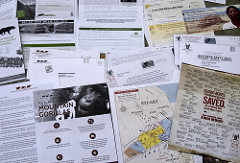
The spring appeal season is underway and I’ve been barraged with appeals for the last couple of weeks. For many organizations, this is their main fundraising drive of the year. Unfortunately, some of these organizations need a refresher course in appeal writing.

Whether you’re planning a spring campaign or one later in the year, here are a few things to keep in mind.

Don’t call it an annual appeal

Okay, you can use the term annual appeal around the office, but not in your appeal letter. That also goes for 2016 annual fund drive, 2016 Massachusetts Drive, or spring fund drive.

Some of the letters I received open by saying their annual fund drive is underway. Others state it in a header or a teaser on the outer envelope.

The fact that your annual appeal is underway means nothing to your donors and is not a compelling way to open your appeal.

I recommend you open your appeal with a story. Here are some other ideas for opening your appeal. Appeal letter openings

It should be obvious you’re sending an appeal, unless you bury your ask. Your ask should come after the story.

Given how some people feel about fundraising, an envelope teaser that says “Spring Appeal Enclosed”could end up in the recycle bin. If you want to use a teaser, try something like “Hunger never takes a summer break.” or “Inside: Learn how you can help hungry kids this summer.”

Why should I give to your organization?

Most of the appeals I’ve received have come from organizations I don’t already support. I need a good reason to give to your organization and I’m not seeing that.

It’s clear these letters are one size fits all and most likely my name is on a list you purchased or exchanged. Even so, give me some indication that you know me as a person. If I already support hunger-relief organizations, emphasize how you’re making a difference because you know that’s important to me.

I do most of my giving in December so I if you’re sending me another appeal now, you need to convince me why I should give again so soon. In many cases, you never acknowledge that I’ve given before. It’s the same old blah de blah.

Of course, you can make more than one ask a year, but first I need to be thanked, and thanked well, and hear from you regularly.  A couple of ways to raise more revenue are to politely ask me to upgrade my gift and/or give to you monthly.

Don’t send me stuff

Please don’t send me mailing labels, notepads,calendars, etc. It’s not going to help convince me to donate to your organization. One organization sent me a certificate of appreciation “in recognition of your generous support,”even though I’ve never supported them.

Most people find your swag to be wasteful. Instead, invest your print budget in creating thank you cards and donor-centered updates.

Send an awesome appeal

It’s never easy to raise money, but you’ll have a better chance if you send a donor-centered appeal that shows how you’re making a difference. Here’s more information on creating a great appeal.

How to Create an A+ Appeal Letter

WRITE A FANTASTIC FUNDRAISING APPEAL

Photo by Judith E. Bell


Beware of Bright Shiny Objects

3214060741_db8c069c72_mIt can be tempting to jump on the latest craze and try something new. But that bright shiny object may not be the answer you’re looking for.

In fact, you can be more successful in your fundraising and communications if you use methods that have been around for awhile. Here’s how.

Give your donors the personal touch

We have lots of different ways to communicate with donors, many of them electronic. Electronic communication is great because you can get a message out to many people in an instant.

But technology isn’t always our friend. Often these electronic messages don’t sound like they’re coming from a human.

Hardly anyone writes personal letters anymore but imagine your donors’ surprise when they receive a personal, handwritten thank you note from you. Delight Donors and Volunteers With Hand-Written Thank You Notes

Another more personal way to communicate is to give your donors a call to say thank you. Thank You Calls as a Donor Retention Tool: 6 Steps to Success

In this age of automation, we need to be more personal.  

Make retention and relationship building part of your fundraising plan

Most nonprofit organizations rely on fundraising for the bulk of their revenue. It’s not easy to raise money, especially if you spend more time focusing on finding new donors than keeping the ones you already have.

You might think you can take a break after a big fundraising campaign, but your work has just begun. Thank your donors right away and continue to stay in touch throughout the year with donor-centered newsletters and other updates.

If you keep churning through donors and have a high attrition rate, you need to do a better job of building relationships. It’s not hard, but you have to work at it. This link includes a quick way for you to figure out your donor retention rate A Guide to Donor Retention, and here are a few ways to build relationships with your donors throughout the year. How Are You Building Relationships?

Your new donors are closer than you think

Of course, you’ll need new donors. You’ll have more success if you reach out to people who already know you. Potential donors are your newsletter subscribers, social media followers, event attendees, friends of board members, and volunteers.

You can cultivate these supporters by communicating regularly and showing how you are making a difference for the people you serve. If you do it well, you should have a good chance of getting them to donate.

Unfortunately, not everyone is interested in your organization. That’s why buying lists is not the best way to fundraise. Find people who will be drawn to your cause.

It’s also not enough to find people with money(forget about trying to woo Bill Gates). If you want more major donors, work with your board and other donors. Connections always help.

Again, it comes down to good old-fashioned relationship building, something most organizations need to improve.

So, beware of bright shiny objects and focus on more personal communication and building relationships.

Time For Some Spring Cleaning

4356090774_b826efb291_m

If the idea of doing any type of cleaning makes you want to scream, just think of how much better you feel when it’s done. Your house sparkles and it can be cathartic to get rid of old clothes and shred paperwork you’ve had since the Clinton Administration. Often getting started is the hardest part.

The same is true for your nonprofit organization.Yes, you have a bunch of so-called cumbersome tasks you should do. But they’re important, and you’ll benefit a lot if you take care of them.

Here are a few spring cleaning projects you should tackle.

Clean up your mailing lists and database

Did you have an influx of address changes, returned mail, and bounced emails after you sent your year-end appeal? Now is a good time to clean up and update both your direct mail and email mailing lists.

Don’t wait until right before your next mailing to clean up your donor data. Even though it’s tedious, have someone who’s familiar with your donors (your development director?) go through your mailing lists and database to see if you need to make any additions, changes, and deletions.

Be meticulous. No donor wants to see her name misspelled, be addressed as Mrs. when she prefers Ms., or receive three mailings because you have duplicate records.

Your donor database is an important tool and it needs to be up-to-date and filled with accurate information about your donors.

How are you doing?

We’re three months into 2016. This is a good time to look at your fundraising and marketing plans to figure out what’s working, what isn’t, and if you’re on target with your goals. If you never created these plans, then one of your first priorities is to do that. Don’t go through the year without having any plans in place.

It may be too early to do much of an assessment, but if something clearly isn’t working or needs to be improved, you still have time to fix it.

Is your website driving people crazy?

Has it been awhile since you updated your website?  Is it cumbersome to use? Even with the popularity of social media, people will go to your website for information, whether they’re first-time visitors or long-time supporters.

Your website must be up-to-date and user-friendly. Use the checklist in this post to help you create an awesome website. Is Your Website in Good Shape?

Freshen up your appeal letters and thank you letters

Take a good look at your appeal letters, thank you letters, and other content. Have you been using the same templates for years?  Are your letters all about how great your organization is and filled with jargon? Freshen them up with some donor-centered content. Is Your Organization Donor-Centered? Find Out by Taking This Quiz

Let it go

Your organization may have held an event for years, but it takes a lot of staff time and doesn’t bring in that much money. Just like your favorite sweater that’s looking pretty ratty now, it may be time to let go of this event and find a different way to raise money. How to Calculate A Fundraising Event’s Opportunity Cost

Think better rather than new

It’s tempting to try something new, but don’t just jump into the latest craze. Focus on what you can do better. Your brand new shiny object can be creating donor-centered content and building relationships.

One “new” thing you should be doing better is to be mobile friendly. Do you know anyone who doesn’t have a smartphone?  If people can’t easily view your website and email messages on their mobile devices, you’re missing out.

Take time this spring to make the updates and changes you need.

Give Your Donors a Great Thank You Experience

6146687337_bb60b4cb00_m

Thanking donors shouldn’t be a process –  it should be an experience. An experience that will last as long as someone donates to your organization, which hopefully will be for a long time.

If you treat thanking your donors as something  you have to do instead of something you want to do, it will show.

Make a good first impression with your thank you landing page

Thanking your online donors is a three-part experience (not process). Your landing page is your first chance to say thank you and it often resembles the Amazon check-out page.

Open with Thank you, Linda! or You’re incredible!  Include an engaging photo and a short, easy to understand description of how the donation will help the people you serve. Put all the tax deductible information after your message or in the automatically generated thank you email.

If you use a third-party giving site, you might be able to customize the landing page. If not, follow up with a personal thank you email message within 48 hours.

21 Ideas For Your Nonprofit’s Donation Confirmation Page

Write like a human

Next, make sure your donors receive an automatic thank you email after they donate online. This lets them know you received their gift and it didn’t get lost in cyberspace.

Just because your thank you email is automatically generated, doesn’t mean it needs to sound like it was written by a robot. Write something warm and personal.

What’s in my Inbox | Don’t you forget about me: the thank you email

How to Thank a Donor Through Email

Every donor gets thanked by mail or phone

I’m a firm believer that even if someone donates online, he should receive a thank you card, letter, or phone call within 48 hours. I made most of my donations online last year, and while I received automatically generated thank you emails, only a handful of the organizations mailed me a letter. None of them called or sent a handwritten card.

Make your donor’s day with a handwritten thank you card or phone call. You don’t have to do this alone. Recruit board members, other staff, and volunteers to write cards or make phone calls.

If that’s not possible,write an awesome letter and include a personalized handwritten note. I understand larger organizations may not be able to send all their donors a handwritten card, but they should have the resources to create a great letter.

Make your thank you message stand out

Most thank you letters fail to inspire. Create something that stands out. Be personal and conversational without using any vague jargon. Recognize past gifts or upgrades, and give a specific example of how the donation will make a difference. Something like this.

Dear Steven,

You’re amazing! Thanks to your generous donation of $75,we can provide a family with a week’s worth of groceries.

Thank you so much for being a longtime donor!

Here are some more examples, along with advice to help you create a thank you message that stands out.

Steal This Thank You Letter! A Sample Donor Thank You Letter for Your Non-Profit

Advice and Tips – Thank You Letters for Nonprofits …

16+ ways to say thank you better

Welcome your new donors with open arms

You want your new donors to keep supporting you for a long time, but that’s not happening. According to the 2016 Fundraising Effectiveness Report, the average retention rate for first-time donors is 29%.

A week or so after you thank your new donor, send her a welcome package.

Roll Out the Red Carpet for Your New Donors

Keep thanking your donors throughout the year

The thank you card/letter you send after you receive a donation is not the end, it’s the beginning.  

Donor retention rates are pretty pathetic for all donors. One reason is that organizations do a poor job of thanking their donors.

This is why you need to find ways to thank your donors throughout the year. Thank them at least once a month. A thank you plan can help you with that.

Create a memorable thank you experience for your donors.


A Gift For Your Donors

115061459_c3f31c4ae2_m

A few weeks ago Kivi Leroux Miller gave a webinar for Bloomerang  – 5 Steps To A Great Nonprofit Email Newsletter  I encourage you to watch the video. It’s filled with pearls of wisdom and well worth an hour of your time.

One piece of advice that stood out for me was to think of your newsletter as a gift for your donors. They should look forward to receiving it.

That’s not usually the case, is it? Email and even direct mail can be an intrusion in our busy lives. Most nonprofit newsletters and other communication are boring, generic, and don’t seem like a gift at all.

You can change that. Here’s how you can make your newsletter and other donor communication a gift for your donors.

What makes a good gift giver?

In the webinar, Kivi asks the participants to chime in about the good and bad gift givers in their lives. I invite you to do this exercise with your marketing and fundraising staff or by yourself. Think of who gives you great gifts and why you like them so much and who misses the mark and why?

A good gift giver knows what the recipient likes and gives her something personal that shows she cares.

A bad gift giver might give something generic and doesn’t put a lot of thought into it. She thinks more about what she would like.

You want to be a good gift giver when it comes to donor communication.

Give yourself enough time

Think about when you’re in a rush and need to get a birthday or holiday gift right away. You’re going to buy whatever you can find, as opposed to taking the time to think about what the person would want.

Plan ahead and think through what you want to send to your donors. A communications calendar will help you with that.

What do I do with this?

Have you ever received a gift and you don’t know what to do with it? This is how your donors feel when they receive your boring 20-page annual report. It’s way too long and filled with mind-numbing facts and statistics. Chances are it’s going straight in the recycling bin.

Instead, impress your donors with a four-page gratitude report that’s filled with thanks to the donor for helping you make a difference.

What do your donors want?

My family gives each other wish lists at Christmas time. Put a short poll in your e-newsletter asking readers which article they liked best. Ask them what issues are important to them. Find out which channels your donors prefer. It may be more than one  

Listen to your donors and give them what they want.

Create pretty a package that your donors will want to open

The look of your communication is just as important as what’s inside. Your messages should be easy to read and scan. Use short paragraphs and lots of white space. Capture your donor’s attention right away with a great photo.

Your email subject line needs to sing. Find out how you helped Jane learn to read is going to be much more inviting than April 2016 Newsletter. I often scan through my email and only open things that look enticing.

Even though people don’t get as much direct mail, make yours stand out. Put your quarterly newsletter in an envelope and hand address your thank you notes if you can.

Attraction not interruption

Do you think you can create communication your donors will look forward to receiving? The key is to attract them by giving them what they want.

Photo by Liz West


Top 6 Fundraising Myths: Busted!

Guest post by Adam Weinger

If you’ve ever watched the hit show, Mythbusters, you know how misconceptions generally get shattered.

If you haven’t seen the show, here’s a rundown of how it typically goes:

  • The Mythbusters decide on a particular misconception or myth.
  • They spend part of the show concocting brilliant and crazy experiments to prove or disprove the myth.
  • They either bust the myth or find it to be true.

You’ve likely heard some fundraising tips thrown around that didn’t sound quite right. We’re going to take a look at some of the biggest fundraising myths and try to bust them! While we won’t be doing any of the crazy experiments that The Mythbusters conduct, we will leave you with some great ideas for fundraising for your nonprofit. And to learn more about fundraising through different channels, check out this article.

Get ready to bust six of the biggest fundraising myths out there!

Myth #1: Only young people use mobile giving.

Yes, millennials and teenagers always seem to be on their phones, but mobile giving isn’t a young person’s game by any means.

Donors of all ages are looking to solutions like mobile responsive donation pages and text giving.

Why?

Simply because mobile giving is easy.

It’s convenient.

It can even be fun.

Many of your donors are on their smartphones or tablets during the day anyway. If you can reach them where they are and encourage them to donate on their mobile devices, you’ve already disproved the myth that only young people are mobile givers!

Myth #2: You should give donors a lot of options on your online donation form.

Imagine you’re at an ice cream store. If the owner has laid out forty or more flavors, you could spend an hour tasting each one before finally deciding.

But if he only has chocolate or vanilla, the decision is easier to make.

The point I’m making is that it’s easy to commit to a single option if there are fewer choices.

Part of making an online donation experience beneficial for both the donor and nonprofit is limiting the options on your online donation page.

Online giving should be painless; the more options you give donors on your online donation form, the more likely they will be to get distracted or overwhelmed during the donation process.

Of course, there are components that you must include on your donation form:

  • Donor’s personal information (name, billing address, etc.)
  • Credit card number
  • Different giving levels
  • Security certification

Beyond these four essentials, your online donation form should be as simple as possible to increase the chances that donors make it all the way through the process.

Myth #3: Corporate philanthropy doesn’t matter.

This famous quote from the 1987 film Wall Street sums up how many people view corporations and businesses:

“The point is, ladies and gentleman, that greed, for lack of a better word, is good. Greed is right, greed works. Greed clarifies, cuts through, and captures the essence of the evolutionary spirit.”

While it’s true that the aim of corporations is to sell enough products and services to make a profit, it doesn’t mean that they can’t also exercise philanthropy.

In fact, many companies have corporate giving programs that reward employees who donate to and volunteer with nonprofits:

  • Matching gift programs
  • Volunteer grants
  • Automatic payroll deductions
  • Dollars for doers programs
  • And more!

Your nonprofit can and should pursue corporate philanthropy programs as a way to supplement your other fundraising initiatives.

In addition to the corporate giving programs mentioned above, companies also give to nonprofits through:

  • Monetary donations
  • Product-based donations
  • Service-based volunteer time
  • Challenge grants

Don’t ignore corporate philanthropy as a viable fundraising strategy.

Myth #4: Small nonprofits don’t need a major gifts strategy.

Major gifts are often the largest donations that a nonprofit will receive. Outside of a massive planned gift left to an organization in a will or bequest, major gifts are the key donations that can skyrocket a nonprofit’s fundraising efforts.

The problem is small nonprofits often don’t have the same comprehensive major gifts strategy that larger organizations have developed over the years.

They think they can’t go after major gifts.

They don’t have the resources that large nonprofits have.

Their existing donor pool is relatively small.

These small organizations can still pursue major gifts.

Admittedly, what classifies as a major gift for the American Red Cross is going to be different from a major gift at a nonprofit that has only been around for two years.

But, a small nonprofit can still develop a strategy for major giving:

  1. Appoint a major gifts officer or create a major gifts team.
  2. Conduct a prospect screening of your existing donors to discover potential major gift prospects.
  3. Develop a strong asking strategy that all of your fundraisers can easily implement.
  4. Create a major gift society to acknowledge and steward your major gift donors.

Don’t trick yourself into thinking that your small nonprofit can’t go after major gifts!

Myth #5: Advocates and volunteers can’t become donors.

Think about the people who are most committed to your organization.

They’re not random people.

Your advocates and volunteers are the ones who are dedicated to helping your nonprofit achieve its mission.

It’s a misconception that these committed supporters can’t become donors. Granted, some of your volunteers and advocates are going to be perfectly content supporting your nonprofit with their time and energy.

But that doesn’t mean that some of them wouldn’t enjoy donating monetarily.

Give your advocates and volunteers the option to give to your organization in other ways!

Myth #6: All Donors like to be communicated with in the same way.

Just because your great aunt enjoys receiving monthly letters from you doesn’t mean that your 10-year-old nephew is going to want the same correspondence.

As simple as it may seem, not all of your donors are going to like the same communication methods.

Some check their emails several times a day.

Some enjoy walking to their mailbox and receiving a letter or postcard.

Some are tweeting, posting, and liking social media content.

You shouldn’t spread yourself too thin, but it’s crucial to remember that no two donors are alike. Don’t communicate with them in the exact same ways. You’ll only end up isolating donors who don’t like how you’re reaching out to them.

How can you tell how donors like to be contacted?

  • Well, there is no exact science, but there are some general guidelines: Start with their donation method. Did someone send in a check? Did another donor give online? What about your phonathon participants? It’s not always a surefire indicator, but the ways in which people give generally indicate their preferred communication methods. Send letters to your check-mailers. Email your online donors. Call your phone donors.
  • Ask them! When collecting donations or speaking to donors directly, ask them for their preferred communication method. It may be more than one. This is an easy way to find out how your donors want to be contacted.

Remember to talk to your donors in different ways. You increase the chances that they’ll respond favorably when you meet them where they already are.

—–

We’ve successfully busted some of the top six fundraising myths! Go out there and start raising money for your organization!

Adam Weinger is the President of Double the Donation, the leading provider of tools to nonprofits to help them raise more money from corporate matching gift and volunteer grant programs. Connect with Adam via email or on LinkedIn.   

Adam Weinger - Square Reduced File Size


We Can’t Afford This

17121927170_88b7abd1ee_m

How often do you say that? I understand. Many nonprofits are stretched thin, But what are you saying you can’t afford to do? It may be something you should be doing.

Here are a couple of areas that you may be neglecting that I believe you can’t afford not to invest in.

You need a good database

If you’re using Excel instead of a database because it’s free, stop doing that. A spreadsheet is not a database. Your Worst Fundraising Enemy

A good database won’t be free, but there are affordable options for small organizations. Compare Non-Profit Software  You don’t want to limit yourself by choosing a database that can only hold a certain amount of records or can only be used on one computer because you don’t want to pay for additional licences.

A good database can help you raise more money. You can segment your donors by amount and politely ask them to give a little more in your next appeal – $35 or $50 instead of $25.

A good database can help you with retention, which will save you money since it costs less to keep donors than to acquire new ones. You can personalize your letters and email messages. No more Dear Friend. You can welcome new donors and thank donors for their previous support. You can send targeted mailings to lapsed donors to try to woo them back. You can record any personal information, such as conversations you had with a donor and their areas of interest.

Don’t cut corners when it comes to your donor data. You can’t afford to do that.

You need to use direct mail more often

If you never or rarely use direct mail, you’re missing out on an effective and more personal way to communicate with your donors. Think of the mammoth amount of email and social media posts you receive as opposed to postal mail. Your donors will be more likely to see your messages if you send them by mail.

If money is tight, you don’t have to mail that often. Quality trumps quantity but aim for at least four times a year.

Put some thought into what you send. Some ideas, besides appeal letters, include thank you cards; Thanksgiving, holiday, or Valentine’s Day cards (I received a very nice Valentine’s Day card from an organization); infographic postcards; and two to four-page newsletters and annual/progress reports. You could put a donation envelope in your newsletter to raise some additional revenue, but don’t put one in a thank you or holiday card  Shorter is better. Lengthy communication will cost more and your donors are less likely to read it.

A few ways you can use direct mail without breaking your budget are to clean up your mailing lists to avoid costly duplicate mailings, spread thank you mailings throughout the year – perhaps to a small number of donors each month, and look into special nonprofit mailing rates. You may also be able to get print materials done pro bono or do them in-house, as long as they look professional.

Of course, you can use email and social media, but your primary reason for communicating that way shouldn’t be because it’s cheaper. It should be because that’s what your donors use. If your donors prefer to communicate by mail, then you should too.

Make a smart investment

You often need to spend money to raise money. Perhaps you need to reallocate your budget to cover some of these expenses. You could also look into additional sources of unrestricted funding.

Don’t limit yourself by saying you can’t afford to do something important. Making smart investments should pay off in the long run.

Photo via Pictures of Money


But Why?

2200500024_e93db99b61_m

If you’ve ever spent time with little kids you know one of their favorite words is why. You’ll answer a question, and she’ll respond with “but why?” again and again…… It may start to get annoying, but it’s good for people of all ages to be inquisitive and ask questions.

This applies to nonprofits, too. A lot of our communication isn’t focused on why something is important. The typical fundraising letter and newsletter article ramble on about accomplishments with no explanation of why something matters.

As you work on your messages, pretend your donor is a four-year-old who keeps asking “but why?” over and over again.

Why is what you do important?

Here’s something you might see in a newsletter or annual report.

We expanded our tutoring program to four more high schools.

Okay, but why is that important?

To serve more students.

That’s good, but why is that important?

After six months of weekly tutoring sessions, 85% of the students in our program have improved their math skills.

There you go.Tell your donors about the impact you’re making.

Why should someone donate to your organization?

Do your appeals focus on why it’s important to donate to your organization?  Instead of saying something generic like please donate to our annual appeal, tell a story emphasizing why someone should donate to your organization.

David, a 9th grader at Baker High School, always hated math and was barely passing his algebra class. “Algebra is stupid. I don’t get it,” he complained.Then David started weekly tutoring sessions with Matt, a volunteer tutor. It was a struggle at first, but thanks to Matt’s patience and guidance, David got a B on his last test.

Again, focus on why.

Why is your donor’s gift valuable?

When you thank your donors, do you tell them why their gift is valuable?  Give a specific example.

Thank you so much.Your generous gift of $50 will help cover the expenses of five one-to-one weekly tutoring sessions. After six months of these tutoring sessions, 85% of the students in our program have improved their math skills.

It’s all about the why.

Why do you appreciate your donors?

Finally, do your donors know why you appreciate them?

Thank you so much for doing your part in helping high school students boost their math skills. We couldn’t do this without you.

Start channeling your inner four-year-old and keep asking why.

Photo by Colin Kinner

So Much To Do – So Little Time

270800047_5714223436_m

Do you find yourself saying this? That’s the norm at most nonprofits, especially small ones.

But be careful. What are you saying you don’t have time to do? Are you spending too much time on what’s urgent and not what’s important?

It’s possible to stay on top of things, even if you feel you’re so busy you want to tear your hair out. One big key is planning.  

Here are a few areas that nonprofits need to spend more time on and how you can do this.

Thanking your donors

I write a lot about thanking donors because I believe many organizations don’t do a great job of it.

Sending a handwritten note or making a phone call will make a better impression on your donors than the usual boring, generic thank you letter.

Find board members, other staff, and volunteers to help. Recruit them ahead of time so you’re ready to go after an appeal or event. It doesn’t take that much time to write a short note or make a phone call, but it makes a huge difference. Get your team together for a thank-a-thon.

You need to keep thanking your donors throughout the year – at least once a month. This is where a thank you plan comes in handy.

Staying in touch with your donors

Your donors want to hear how they’re helping you make a difference, and you need to be in touch with them at least once or twice a month.

A newsletter can be a great way to stay in touch. Setting up a template and using an email service provider can save time and will provide consistency. Perhaps each issue will include a story/profile and some updates. You can plan these ahead of time. Create a story bank and fill it throughout the year.

Make a donor communications plan that could include your newsletter, email and social media updates, thank yous (see above), advocacy alerts, and surveys. A communications calendar is must for this.

Tackling your donor data

Don’t wait until a week before you send an appeal to update your database. Take care of address changes, bounced emails etc. regularly – maybe once a month.

You’re not going to win any friends if you misspell a donor’s name or send someone three pieces of mail because you haven’t bothered to check for duplicate addresses. What sloppy data means to donors

Measuring your progress

Make time at least once a quarter to see how you’re doing.  Are you meeting your fundraising goals?  Is your spring event worth doing?  Are people reading your e-newsletter?

If something isn’t going well, figure out how you can make improvements or don’t spend your valuable time doing it anymore.

Here’s a sample dashboard you can use to help you measure your progress and figure out if what you’re doing is working. Library of Sample Dashboard Indicators

What’s taking up your time?

What’s keeping you from taking on these important tasks? Do you really need another meeting?  If so, could you make it shorter?

Make time to do what’s important.

Photo by Brittney Bush Bollay

Is Your Newsletter Putting Your Donors to Sleep?

7851198430_6a302f4e5f_mNewsletters can and should be a great way to stay in touch with your donors and keep them updated on how they are helping you make a difference. Unfortunately, most donor newsletters can be used as a cure for insomnia. They’re too long and filled with articles that brag about how wonderful the organization is.

If you’re going to put the time and effort into creating a newsletter, make sure it’s something your donors will want to read.

Here’s what you need to do.

Think about what your donors want

You may opt not to do a print newsletter because it’s expensive and takes too much time, but you’re making a mistake if many of your donors prefer print.

I think you’ll have more success if you can do both print and electronic newsletters. I recommend a short e-newsletter once or twice a month and one to four print newsletters a year. But ask your donors what they like, and listen to what they say. If a majority of them prefer one over the other, then doing both may not make sense.

You also want to share content that will interest your donors. Do you think your donors would rather read an article about your CEO receiving an award or one about Sammy acing his math test after his weekly tutoring sessions? The answer should be obvious.

Remember, your donors want to hear how they are helping you make a difference.

Share stories

Each newsletter needs to begin with a compelling story. Client stories are best, but you could also do profiles of volunteers, board members, and donors. Focus on what drew them to your mission.

Create a story bank that includes at least three client success stories to use every year.

Write to your donors

Write your newsletter in the second person, emphasizing you much more than we. Be personal and conversational. Say – You helped Sammy improve his math skills or Because of donors like you, X number of students are now reading at their grade level or above.

Ditch the jargon and other language your donors won’t understand. Write as if you’re having a conversation with a friend.

I’m not a fan of the letter from the CEO because those tend to be organization-centered instead of donor-centered.  

Say thank you

Never miss an opportunity to thank your donors. Every one of your newsletters needs to show gratitude and emphasize how much you appreciate your donors.

Make it easy to read (and scan)

Most of your donors aren’t going to read your newsletter word for word, especially your e-newsletter. Include enticing headlines, at least a 12-point font, and lots of white space so your donors can easily scan your newsletter.

Use the inverted pyramid and put the most important story first, keeping in mind your donors may not get to all the articles.

Also, make sure your donors can read your e-newsletter on a mobile device.

Short and sweet

Your print newsletter should be no more than four pages. Limit your monthly e-newsletter to four articles. Some organizations send an e-newsletter twice a month. Those should be even shorter – two or three articles.

You may find you have more success with shorter, more frequent e-mail updates.

Send it to the right audience

Fundraising guru Tom Ahern recommends sending your print newsletter only to donors. This can help you keep it donor-centered, as well as cut down on mailing costs.

Send e-newsletters ONLY to people who have signed up for it. They may or may not be donors, but an e-newsletter can also be a good cultivation tool.

Don’t create a newsletter that will put your donors to sleep. Create one they’ll want to read.

If you’re getting stressed out about coming up with content for your newsletters, help is on the way if you use a communications calendar.

Read on for more information about donor newsletters.

The Domain Formula for donor newsletters

5 Steps to Newsletters that Keep Donors Close

The Best Tips for Amazing Non-Profit Newsletters (Non-Profit Blog Carnival)

5 NON-PROFIT NEWSLETTERS TO LEARN FROM