Make it Easy to Stay in Touch with Your Donors by Using a Communications Calendar

21845903390_87736502bb_zMany of you are working hard on your year-end appeal.  You may have also participated in #GivingTuesday. If you think you can rest easy after the fundraising  season is over, think again. Your work has just begun.

You need to communicate with your donors at least once or twice a month throughout the year.  If you’re getting butterflies in your stomach wondering how you’re going to pull this off, then you need a communications calendar (also known as an editorial calendar).

I like the term communications calendar because it emphasizes the importance of communicating with your donors and other supporters all-year-round.

This is not just a job for your marketing department. All departments need to work together.  Figure out what information you need to share and when to share it.  You want a consistent stream of information – not three emails in one day and nothing for three weeks.

As you put together your communications calendar, think about how you will use different channels and which audience(s) should receive your messages. You may only send direct mail a few times a year, but send an e-newsletter once a month and communicate by social media several times a week. You’ll often use a number of different channels when you send a fundraising appeal or promote an event.

Start big by looking at the entire year and then break it down by months and weeks.  You’ll keep adding to your communications calendar throughout the year.

Here are some categories you can use in your communications calendar. Some items will be time sensitive and others won’t be.

Events

Does your organization hold any events? Besides your events, are there other events in your community that would be of interest to your supporters? This is a great thing to share on social media.

Legislation

Advocacy alerts are a wonderful way to engage with your supporters. Be on the lookout for any federal or state legislation that’s relevant to your organization. Encourage people to contact their legislators about an issue or a bill. Then report back to them with any updates, and thank them for getting involved.

Time of year

Is there something going on during a particular month that’s pertinent to your organization? Perhaps it’s homelessness awareness month.

Thanksgiving, the holidays, and winter can be a difficult time for some people. How can you weave that into a good story to share with your supporters?

News stories

You won’t be able to predict news stories in advance. However, if there’s a hot item in the news right now that’s relevant to the work you do, that could be something to share.

Fundraising and recruitment

Be sure to add your fundraising appeals to your communications calendar. You want to highlight these and not inundate your donors with a lot of other information at that time.

If your organization has specific times it needs to recruit volunteers, add that to your calendar, as well.

Thank your donors

Figure out different ways to let your donors know how much you appreciate them. Do this at least once a month.

Ongoing content

If you’re making a difference, you have stories to tell. Share a story at least once a month. Client success stories are best. You could also profile a board member, volunteer, donor, or staff member.  Be sure to highlight what drew them to your organization.

Keep it up

As you hear about other relevant information, add it to your calendar, so you can stay connected with your supporters throughout the year.

Here is more information to help you create a communications/editorial calendar.

Coordinate Your Team with the 2016 LightBox Collaborative Editorial Calendar

Editorial Calendars – Resources for You

How To Create A Story Editorial Calendar

Why Editorial Calendars Help Nonprofits

Photo by Jeff Djevdet http://speedpropertybuyers.co.uk/

Make an Investment in Your Donors

This post was included in the November Nonprofit Blog Carnival: A Call to Abundance

7a83c-9677860267_458aa4d0b3

I know many nonprofits have limited resources.  These can include budget, time, and staff.  I also know it’s hard when you feel you’re barely scraping by.  But there are some areas where you can’t skimp.  Think of it as making an investment in your donors.

Invest in a good database and email service provider

The best ones aren’t free.  Fundraising consultant Pamela Grow gives an example of being told to weed out donor data because the database the organization had was only free if it held less than 500 donor records.

This is crazy.  A better database and email service provider can help you raise more money. You can segment your donors by amount and politely ask them to give a little more in your next appeal – $35 or $50 instead of $25.

A better database can help you with retention. You can personalize your letters and email messages.  No more Dear Friend.  You can welcome new donors and thank donors for their previous support. You can record any personal information, such as conversations you had with a donor and their areas of interest.

Don’t cut corners when it comes to your donor data. Here’s more information to help you find a database and email service provider that’s right for you.

Finding the Right Donor Database for Your Nonprofit

Compare Non-Profit Software

The 4 Best Email Marketing Software for Nonprofits

MailChimp vs Constant Contact: Which Email Marketing Software Reigns Supreme for Small Businesses?

Invest in direct mail

Direct mail is an effective and more personal way to communicate with your donors. Every day we’re barraged with email and social media posts, but receive just a few pieces of postal mail. Your donors will be more likely to see your messages if you send them by mail.

You don’t have to mail that often but aim for at least three or four times a year.  I know it can be expensive, so be smart about what you send. Two to four-page newsletters and annual reports are fine. Lengthy communication will cost more and your donors are less likely to read it.  Remember to also make everything  you send donor-centered.

Plan ahead.  If you have a small staff, you may need to start working on a special Valentine’s mailing right after New Year’s.

Cleaning up your mailing lists will help you avoid costly duplicate mailings. Look into using discounted mailing options, too. Special Prices for Nonprofit Mailers

Invest in thanking your donors

This is so important! Nonprofit organizations tend to do a poor job of thanking their donors.

Ideally, your donors should get a handwritten thank you card or a phone call.  Even though these take more time, it’s time well spent. At many of the small nonprofits I’ve worked at, it was all hands on deck to get out our fundraising appeals.  Staff and volunteers would stuff envelopes and write handwritten notes on the letters.

Do the same when you thank your donors.  Get your board involved in making phone calls or writing cards.  Recruit volunteers to help, too.

Take time each day you get a donation to make phone calls, write cards, or send letters.  Don’t let board members put off making calls or let a stack of letters sit on your ED’s desk.

Create a thank you plan to help you and don’t treat thanking your donors as an afterthought.

Make it work

If you can’t increase your budget, find additional sources of unrestricted funding to cover these costs. You may also be able to find a sponsor or get a print shop to print your thank you cards or annual report pro bono.

Do something. You must make an investment in your donors.

Photo by ota_photos  www.tradingacademy.com   


How Employee Matching Gifts Can Help Your Fundraising Team Succeed

8463683689_baa33ca431_z

Guest Post by Adam Weinger

Many of you are gearing up for your year-end fundraising campaign. It’s never easy to raise money, but you may have overlooked a simple way to bring in more donations – Matching Gifts.

This guest post by Adam Weinger gives you some great tips to help you incorporate matching gifts into your fundraising.

Your nonprofit likely feels like it is doing all that it can to raise money to keep your organization’s engine running. While you may be bringing in a lot of money from your new and dedicated donors, did you know you could receive twice as many donations?

No, you don’t have to ask donors for money a second time. All you have to do is let your donors know about matching gift programs!

Matching gifts are donations that companies and businesses will make after an employee has made a contribution and submitted the relevant request forms. While companies have different deadlines and caps on these donations, your nonprofit can still take advantage of the opportunity to double the amount of contributions you receive.

The following three tips can help your nonprofit’s fundraising efforts go from good to great with an assist from matching gifts!

1. Incorporate matching gifts into your fundraising events.

Your organization probably holds amazing events that bring your donors together with each other and members of your team. But you can also use the opportunity at these events to let your donors know about matching gifts.

If your nonprofit hosts an annual gala or auction, have one of your presenters talk briefly about matching gifts during a speech. When your donors are aware that their donations can go twice as far with little effort on their part, they will be more likely to continue giving to your organization and have their employers match those donations.

2. Let donors know about matching gifts through multiple channels.

You already communicate with donors in different ways. Use those avenues to let donors know about matching gifts!

Make use of:

  • Social media: Keep posts short and to the point. Donors don’t want to see a novel on their news feeds. Include links to more information and incorporate graphics if you can.
  • Email newsletters: If you’re already using email newsletters to keep donors in the loop about projects and events, use the space to promote matching gifts. Just like on social media, incorporate links to more information as well as graphics.
  • Direct mail: Some donors prefer opening letters to opening their inbox. Keep these donors in mind when promoting matching gifts.
  • Your website: Donors who find their way to your website are obviously interested in learning more about your organization and may want to make a donation right then and there. Therefore, you should include information about matching gifts on your “Ways to Give” page and include matching gift options and information on donation screens.

While there are many other ways to interact with your donors, you can use your existing communication methods to promote matching gifts to them.

3. Keep in touch with donors.

After you’ve acquired a new donor and have received a matching gift from their employer, make sure that you say thanks and stay in touch.

Donors like to feel appreciated. Your nonprofit can show your gratitude by thanking individuals for their initial donation as well as their employer’s matched donation.

Sometimes, those matched contributions take weeks or even months to process before they make it into your nonprofit’s hands. When you thank donors for submitting their matching gift requests to their employers after you receive the matched donation, you not only show your gratitude, but you are also reminding donors that they can continue to have their future donations matched by their employers.

Many employers also have deadlines for submitting matching gift requests. Make sure your nonprofit is sending out prompt thank yous after a donation is made that encourage donors to have their donations doubled as soon as possible if they didn’t submit a request immediately after making the initial contribution.

Matching gifts can give your fundraising efforts a major boost. Whether you choose to promote matching gifts at an event, through your existing communication channels, or in your follow-up acknowledgements, your fundraising team can achieve matching gift success.

About Adam Weinger

Adam Weinger - Square Reduced File Size

Adam Weinger is the President of Double the Donation, the leading provider of tools to nonprofits to help them raise more money from corporate matching gift and volunteer grant programs. Connect with Adam via email or on LinkedIn.

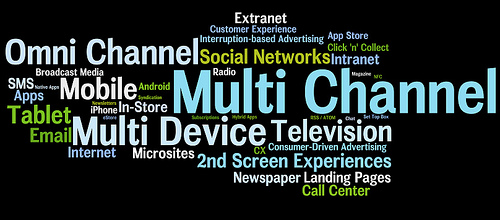
How to Plan a Multi-Channel Fundraising Campaign

9302746500_abac718b17

We have many ways to reach out to our donors – by mail, email, social media, and phone calls. But your fundraising campaign will be more effective if you use a combination of these.

Some donors may respond to your direct mail piece but donate online. Others will see your email message but prefer to send a check. Some donors will respond to the first appeal while others need a few reminders. This is why you need a multi-channel campaign.

BEFORE YOU START

Clean up your mailing lists

If you haven’t already done so, clean up and organize your mailing lists.

Make it easy to donate online

You must have a donation page that’s engaging and easy to use. Test all links in email messages and social media posts. The last thing you want is a donor contacting you about a broken link or have to hunt around on your website for a link to your donation page.

When you’re ready to launch your campaign, include a blurb on your homepage that your appeal is underway. Make sure your donate button is in a prominent place.

Consistency is key

Your messages need to be consistent across channels. Use the same story and call to action in direct mail, email, and on your website.

Everything you send needs to look like it’s coming from the same organization.

Which channels do your donors use?

Don’t spend a lot of time on channels your donors aren’t using. Figure out in advance where you want to focus your efforts.

SAMPLE SCHEDULE AND STRATEGY

Come up with a schedule of when the appeals will go out. I’ve created a sample schedule below. Of course, you can adjust the timeframe as needed.

October 21

Give your supporters a heads up by email and social media. Let them know your year-end appeal is underway and they should receive a letter from you soon. Encourage them to donate online right now. This means your donation page needs to be in great shape.

Week of October 26

Mail your appeal letter.

Week of November 2

Start sending follow-up reminders via email and social media. If possible, don’t send reminders to people who have already donated. Otherwise, be sure to thank your recent donors. You can even phrase your reminders as more of a thank you or an update.

Thanks so much to all of you who donated to our year-end appeal. We’re almost halfway to our goal. If you haven’t donated yet, please help us out today by visiting our website (include a link to your donation page) or sending us a check (provide address). 

Week of November 9

Send out another reminder. Your donors are busy and may need a gentle prompt.  Keep it positive. Don’t make your donors feel bad about not donating yet.

Week of November 16

Start making reminder calls. If time is an issue, you could just call people who have donated before. That’s probably most effective.

Week of November 23

Send a Happy Thanksgiving message along with a friendly reminder. Share a success story in your appeal.

Week of November 30

December 1 is #GivingTuesday so you could tie that into your reminder.

The rest of December and beyond

Keep sending reminders throughout December. It’s tricky because you want to get your message across without being annoying.  Be sure to keep sending your newsletter and other updates. You don’t want the only messages your donors receive to be fundraising appeals.

The end of December is the busiest time of the fundraising season.  Network for Good recommends sending an email reminder on December 23, 29 or 30, and 31. This is especially relevant if your fiscal year ends on December 31 or your donor wants to give before the end of the calendar year.

Look to see who hasn’t contributed yet. Concentrate on people who are most likely to donate, such as past donors.  You may need to send another mailing to donors who don’t use electronic communication. Also, keep track of how many donors come through each channel.

We live in a multi-channel world. Take time to plan your strategy to ensure a successful year-end campaign.

Here’s a great resource to help you with your multi-channel fundraising.

Multi-Channel Fundraising Campaign Worksheet

Image by Daniel Iverson

Show Appreciation by Holding an Open House

3279816851_37636b4b1d_z

Are you thanking your donors all year round?  One special way to show appreciation is to hold an open house at your organization. If you can’t hold one on site, have it at a restaurant or other venue.  You may be able to find someone to donate space.

Invite other supporters, too

You could just have an event for donors, but why not invite other supporters such as event attendees, email subscribers and social media followers? This could be a great way to convert these supporters into donors. Also, encourage donors to bring a friend.

Coordinate it with your year-end appeal

Depending on your resources, you may only be able to hold one open house a year.  If you can hold more, that’s great.

A good time to have your open house is before you launch your year-end appeal, so you could hold one sometime between mid-September and early November.

Another option is spring, if you have an appeal then, or you could make it a thank you event.  Winter is tricky, unless you’re fortunate to live somewhere where it doesn’t snow.  July and August are also problematic since that’s vacation time.

Whenever you decide to hold your open house, don’t ask for money at this event.

Keep it informal

No three-course dinners and speeches that drone on.  Hold a gathering where your supporters can drop in after work, and serve something to eat and drink. You may be able to get food and beverages donated or find a sponsor.

Have a brief program.  You could show a video and/or let a client share his/her story. Your executive director or board chair should thank your guests and share some accomplishments and plans for the future.  Again, keep it brief. You don’t want anyone running out the door.

Create some photo displays and have literature available. You could also show a video on a laptop. Offer tours, if that makes sense.

Let your donors and other supporters see the heart and soul of your organization.

Get your board involved

You must have a good turnout from your board. Encourage board members to invite friends and other potential prospects.

Make everyone feel welcome

Don’t stand in the corner talking to your co-workers.  Your staff and board needs to mingle with your guests and make them feel welcome.

You may need to go over your organization’s talking points and brush up on your elevator pitches, so everyone is prepared to talk about what you do and answer questions.

How to Get Everyone in your Organization on the Same Page

Don’t let them get away

Anyone who has taken time out of his/her busy schedule to attend your open house needs to be showered with love.

Collect names and addresses of people who attended and send a thank you note right away. Don’t ask for money (that comes later).

When you do send your next appeal, include a sentence that says, “It was great to see you at our open house.”

Not all your donors will attend your open house,but will appreciate the invitation. Donors and other supporters who do come are showing you they’re interested in your organization.  Keep cultivating them.  This will help ensure they’ll continue to support you.

How to Get Everyone in your Organization on the Same Page

5099718716_2f066cebc7_zWhat would happen if you got your staff or board together and asked them to give a short description of what your organization does? Would you get 20 different answers?

Now take a look at some of your communication materials – fundraising letters, thank you letters, website etc. Are your messages consistent in all your materials?

Inconsistent messages are fairly common among nonprofits, but don’t worry, it’s something you can fix.

Create a message platform

Putting together a set of clear, consistent messages, also known as a message platform, is a good project for you to do this summer.

Now whenever you create a fundraising letter or content for your website, you can draw material from this set of messages.

Having a consistent set of messages is essential when you have more than one person writing for your organization and as new staff or volunteers come on board. All your materials need continuity and a single voice.

Everyone in your organization – staff, board, volunteers – is a message ambassador, and needs to be involved. Although, that doesn’t mean they should be involved in every step of the process.  Your best bet is to have a small group – marketing staff and board members with marketing experience – put together the message platform.

You may want to get some initial input from staff and board. Ask everyone a few key questions, such as:

  • Who is your target audience? You may need to cater different messages to different audiences.
  • What is important to them?

As you create your positioning statement and talking points, ask:

  • Who are you?
  • What do you do?
  • How do you do it?
  • Why is it important?
  • What makes your organization unique?
  • How are you making a difference for the people you serve and in the community?
  • What do you want to achieve?

Keep it simple

This may sound obvious, but your goal is to make sure your reader understands your messages. Your messages should be clear and specific.  Sometimes they’ll include a call to action. Write in a conversational style and steer clear of jargon. Create a Jargon-Free Zone  Most people respond better to a human interest story than a lot of statistics.

Your messages should not say something like – We make a difference for at-risk students. Instead, say Our volunteer tutors help students boost their reading and math skills so they’ll have a better chance of getting into college.

Use language your donors will understand

Have someone outside your organization, a friend or family member, look at your messages. Something that’s clear to you may be confusing to others.

Stay consistent with a style guide

Continuing on the theme of consistency, I strongly recommend putting together a style guide. Create a Style Guide for Your Organization

Get everyone on the same page

When you’ve finished putting together your message platform, introduce it to the rest of your organization.  Check in periodically to make sure everyone stays on the same page.

Here is some more information to help to you create a message platform.

Putting nonprofit key messages to work

Getting to Aha! The Nonprofit Marketer’s Top Challenge

Photo by David Dugdale – http://www.learningvideo.com

Are You on the Road to Improvement?

6797562607_56c90d35e9_z

At the end of last year, I recommended Five Ways to Improve Your Fundraising and Communications in 2015

Now that we’re almost halfway through the year, let’s revisit this list and see how you’re doing. I’ll also share ways you can continue on this path throughout the summer and into the fall.

Tell stories

Are you telling your stories?  Summer is a good time to share a success story or update.  You can do this in your newsletter, in a postcard, by email, on social media, or a combination of these.

In addition, take time this summer to put together some stories for your year-end appeals and thank you letters.

Create a memorable thank you experience

Speaking of thank yous, did you give your donors a memorable thank you experience after your last appeal, and do you thank them regularly?

Send a special thank you message to your donors this summer. You could combine it with your success story/update (see above).

Then take a look at thank you letters from your past appeals. Are they dry as dust and open with the usual On behalf of X organization, we thank you…Or do they shine with You’re amazing or Thanks to You!  Work on sprucing up your thank you landing page and email response, too.

Keep thanking your donors throughout the year. This needs to be a priority.

Be donor-centered

Do your donor communications focus on how your donors are helping you make a difference for the people you serve, or are you bragging about how great your organization is?

Before you send your special thank you update this summer, check to make sure it’s donor-centered.  Is it focused on them and are you sharing something that will interest your donors?

Then work on making your appeal letters and thank you messages donor-centered.   Are you telling your donors how they are helping you make a difference?

Pay attention to your donor data

Has it been awhile since you’ve even looked at your donor database?  Summer is a great time to go through your database and make any additions, deletions, and corrections.  Don’t wait until a week before your next appeal is scheduled to go out.

I know this is tedious, but your donors don’t want to see their names misspelled or receive duplicate mailings.

Also, segment your donors (new donors, repeat donors, lapsed donors, event attendees etc) and start working on targeted appeal letters.

Nix the swag and premiums

We all want donors to upgrade their gifts or give at a higher level, but don’t use swag or premiums as an incentive.

Here’s a better idea from my local community foundation.  They found an anonymous donor who matched all new donations and any increases in giving from the previous year.

You also want donors to give because they care about your organization, not because they want a coffee mug.  If you can’t find a matching donor, spend some time this summer nurturing your donors (e.g. the thank you update), so they’ll be more inclined to give a larger gift.

I hope you’re on the road to improvement. I’ll continue to share more ideas throughout the summer to help you get ready for year-end.

Photo by Cristian M. Mormoloc

How You Can Print and Mail Without Breaking Your Budget

7932571974_aebaea40d8_z

In my last post I wrote about Why You Shouldn’t Give Up on Direct Mail Some nonprofit organizations try to save money by cutting back on printing and mailing, but that could be a mistake if your donors prefer to hear from you by mail.

Printing and mailing also takes more time, which is challenging, especially if you have a small staff.

What can you do?  Here are some suggestions.

Be smart

First, figure out what you should print and mail.  I recommend mailing at least four pieces a year.  Otherwise you’ll miss reaching donors who don’t or rarely use electronic channels.

In addition, be smart about what you send and who you send it to. If your fundraising letter isn’t generating the revenue you want, you might need to improve the content. You may also be sending it to a weak audience.

Clean up your lists before your next mailing,  Check for duplicate and returned addresses.  Segment your lists, too.  For example, only send your print newsletter to donors or take out lapsed donors and send them a targeted appeal.

Here’s an extreme example of a direct mail fail. Comcast Direct Mail Fail

Increase your printing and mailing budget

Can you budget more for printing and mailing?  This is often not as much of a priority as it should be.

If you can’t increase your current budget, find additional sources of unrestricted funding to cover these costs.

DIY

With a good color printer and the right software, you can produce materials in house. Be sure they look professional.

Find a sponsor

You could get a print shop to do your invitations or annual report pro bono.  It’s good publicity for them.

You often get sponsors for an event. Have a sponsor cover the cost of the invitations, as well.

Put a donation envelope in your print newsletter

You might recoup the cost of the mailing, as well as raise additional revenue.  Here’s what fundraising expert Tom Ahern recommends for your print newsletter. The Domain Formula for donor newsletters

Less is more

Your donors are busy and won’t have time to read long pieces. Shorter is better, both to capture your donor’s attention and to save on printing and mailing costs.  Stick to four pages max.

Use discounted mailing options

You may be eligible for special nonprofit rates. Special Prices for Nonprofit Mailers You could use standard or bulk mail for items that aren’t as time sensitive, such as newsletters or annual reports. Factor in how long it will take to mail, so your summer newsletter doesn’t arrive in October.  Only use first class mail for appeal letters and thank you letters.

Recruit volunteers and other staff to help with mailings

Just make sure they do quality work and don’t slap on crooked mailing labels or write illegible thank you notes.

It’s possible to print and mail without breaking your budget.  It does take some planning and prioritizing, but it should pay off if it allows you to connect with more donors.

Photo by Chris Potter at www.stockmonkeys.com

Nonprofit Spring Cleaning Part Two – Out With the Old, In With the New

4099116616_6ed67d4369_z

Spring is slowly inching its way into the Boston area.  I hope it feels more like spring where you are.

Many of you may take on spring cleaning projects in your home.  Maybe you give your house a good cleaning and throw out a bunch of stuff you don’t need.

Your nonprofit organization could probably use a good spring cleaning too.  In my last post, I wrote about tackling your donor data.  Here are a few more spring cleaning projects to take on.

Assess your progress

We’re three months into 2015. Now is a good time to look at your fundraising and marketing plans to figure out what’s working, what isn’t, and if you’re on target with your goals.  If you never created these plans, then one of your first priorities is to do that.  Don’t go through the year without having any plans in place.

It may be too early to do too much of an assessment, but if something clearly isn’t working or needs to be improved, you still have time to fix it.

Update your website

Has it been awhile since you updated your website? Even with the popularity of social media, people will go to your website for information, whether they’re first-time visitors or long-time supporters.

Your website must be up-to-date and user-friendly.  Use the checklist in this post to help you create an engaging website. Does Your Website Need a Tune Up?

Dust off your appeal letters and thank you letters

Take a good look at your appeal letters, thank you letters, and other content.  Have you been using the same templates for years?  Do your letters sound like one big, boring bragfest? Freshen them up with some donor-centered content. Can Your Organization Pass the Donor-Centered Test?

Is it time to let it go

Your organization may have held an event for years, but it takes a lot of staff time and doesn’t bring in that much money.  Just like your favorite sweater that’s looking pretty ratty now, it may be time to let go of this event and find a different way to raise money. Here’s a great take on auctions. Is your live auction hurting your fundraising?

Aim to do better

If you’re not connecting with people on Twitter, it doesn’t mean you need to give up on it.  Maybe you’re not using Twitter correctly.  Perhaps you’re bombarding people with messages that are all about you instead of trying to start conversations and build relationships.

Don’t jump into the latest craze 

It’s tempting to try something new, but don’t just jump into the latest craze. Whatever happened to Ello,anyway? You’ll need to decide what makes sense for your organization.

Again, focus on what you can do better.  Your brand new shiny object can be creating donor-centered content and building relationships.

Take time this spring to make the updates and changes you need. What types of spring cleaning projects do you plan to work on?

Read on for more about spring cleaning for your nonprofit.

Time for Spring Cleanup!

Spring cleaning!! 3 questions to clean up your fundraising office

Photo by Karin Bell

Nonprofit Spring Cleaning Part One – Tackling Your Donor Data

8016192302_0e9c4b7170_zSpring is finally here, and after the winter we’ve had in Boston, it’s about time.  Spring is a time for new beginnings. It’s a time to clean up, throw stuff out, and make room for improvements.

Many of you may take on spring cleaning projects in your home. Here are a few spring cleaning projects you can do that will benefit your nonprofit organization.

Clean up your mailing lists
Did you have an influx of address changes, returned mail, and bounced emails after you sent your year-end appeal? Now is a good time to clean up and update both your direct mail and email mailing lists.

Update and improve your donor database
Your donor database is an important tool and it needs to be up-to-date and filled with accurate information about your donors.

Your database isn’t just a place to keep addresses and gift amounts.  Use it to its full potential.  Segment your donors, and record any personal information such as conversations you had with a donor and their areas of interest. 6 Quick Tips to Clean Up Your Donor Database and Keep It Humming

Don’t cut corners when it comes to data entry and managing your data. 8 Tips to Strengthen Your Database to Help Build a Strong Donor Base 

Invest in a good database, if you don’t already have one.  Here’s more information to help you find a database that’s right for you. Finding the Right Donor Database for Your Nonprofit 

Get in touch with your lapsed donors

As you go through your database, you may notice some donors who didn’t donate in 2014. Reach out to them.  Maybe they were too busy to donate at the end of the year.

Send these donors a personalized letter or email. Let them know you miss them and want them back.  Go back at least a couple of years, although at some point you may want to purge certain donors from your database. The elusive lapsed donor: devise a plan to get them back

Be ready for your next mailing

Don’t wait until right before your next mailing to clean up your donor data. Even though it’s tedious, have someone who’s familiar with your donors (your development director?) go through your mailing lists and database to see if you need to make any additions, changes, and deletions.

Be meticulous. No donor wants to see her name misspelled, be addressed as Mrs. when she prefers Ms., or receive three mailings because you have duplicate records.

Getting your mailing list and database in order is crucial if you’re planning a spring appeal or event.

Make spring relationship building season

Even if you aren’t planning a spring fundraising drive, this is a good time to continue to build relationships.  Plan to mail a thank you post card or short update.  Mail is generally better than email, because your donors are more likely to see your message, but if your budget doesn’t allow it, send something by email.  Either way you want all your donor info in tip-top shape.

Take advantage of your time between campaigns and tackle your donor data.

Photo by Justin Grimes